


Cold winter evenings call for instant hot water and powerful hydrotherapy, yet sudden breaker trips and soaring power bills quickly spoil outdoor relaxation. Evaluating a 110v hot tub vs 220v hot tub setup boils down to balancing installation simplicity against long-term heating recovery. Plug-and-play 110V units draw standard current from a dedicated wall outlet, which eliminates upfront electrician expenses for small patios. However, heavy sub-zero conditions can cause smaller 1kW heaters to struggle while running high-speed massage pumps at the same time. Investing in a proper yard patio hot tub cover locks in precious warmth and protects your cabinet from harsh elements.
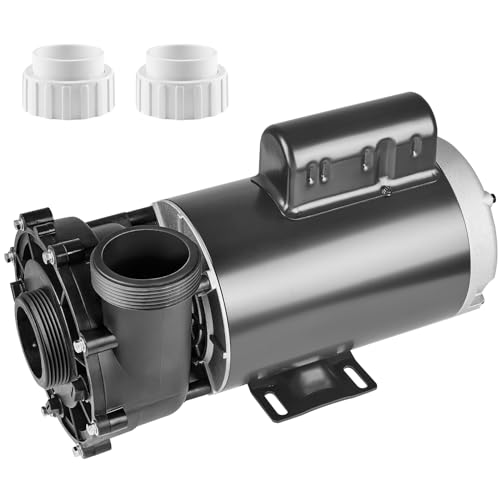
Switching to a 220V or 240V hardwired system unlocks rapid 4kW thermal output and sustained water temperature even when all hydrotherapy jets blast at maximum power. Manufacturer specifications and user feedback reveal that dedicated 50-amp lines keep water steaming hot throughout extended soak sessions in freezing climates. Convertible models like the Aqualife by Strong Spas Invi let buyers start on standard 120V circuits before completing a 240V upgrade later down the road. Durable components like 56-frame replacement pumps and Balboa M7 heater assemblies provide the high flow rates needed for deep muscle recovery. Pairing your spa with a best selling hot tub cover with warranty safeguards that investment against seasonal wear and unexpected thermal heat loss.


Understanding Power Draw: 110v Hot Tub Vs 220v Hot Tub Frequently Asked Questions
Can a 110V hot tub heat and run jets on high at the same time?
No, standard 110V plug-and-play spas cannot run the heater and high-speed pump simultaneously due to typical 15-amp or 20-amp electrical limits. When you turn the massage jets to high speed, the spa controller automatically shuts down the 1kW heating element to prevent overloading the circuit. Water temperature gradually decreases during long winter soak sessions until the pump returns to low circulation speed.
How much faster does a 220V hot tub heat up compared to 110V?
A 220V hot tub heats water roughly three to four times faster than a comparable 110V spa setup. A 4.0kW heater connected to a 240V Balboa M7 system raises water temperature by 3 to 6 degrees Fahrenheit per hour, while a 1.0kW heater on 120V manages only 1 to 2 degrees per hour. Using an affordable foldable hot tub cover drastically cuts thermal loss during initial heating cycles.
Is a 220V hot tub more energy efficient than a 110V model?
Yes, 220V hot tubs are generally more energy efficient in cold winter climates because they reach target temperatures much faster. Although a 4kW heater draws more instantaneous wattage, it operates for significantly shorter run cycles than a continuous 1kW element struggling against the cold. Full foam insulation and a tight-fitting thermal cover further lower monthly kilowatt-hour electrical consumption.
Can you convert a 110V plug-and-play hot tub to 220V later?
Many rigid resin spas, including convertible units from Aqualife by Strong Spas, come with dual-voltage control packs built for 120V and 240V conversion. A licensed electrician adjusts internal jumpers and wires a dedicated 240V 40A or 50A GFCI sub-panel to complete the switch. This upgrade elevates heating power to 4kW and enables the multi-speed pump and heater to operate at full power simultaneously.
Does a 220V spa deliver stronger hydrotherapy massage pressure?
Yes, 220V spas generally deliver stronger hydrotherapy massage pressure because they support larger 56-frame, 4 HP pumps pushing flow rates up to 210 GPM. Standard 110V outlets limit motor draw to smaller brake horsepower thresholds to avoid tripping residential breakers. When keeping operating noise minimal in your outdoor living space, checking deals on silent hot tub cover options helps muffle motor vibrations while locking in high water temperatures.






Write Your Review
No reviews yet. Be the first to share your experience!