
Stepping into a warm spa should bring instant physical relaxation, but watching a sudden layer of thick froth or erratic air pockets rise to the water line quickly ruins the soak. When owners ask why does my hot tub bubble up, the answer usually divides between intentional hydrotherapy jet aeration and troublesome surfactant foaming caused by chemical imbalances or residual personal care products. Everyday contaminants like laundry detergents trapped in swimwear, body lotions, cosmetic oils, and dead skin cells bond with turbulent water, generating dense suds that resist popping. Keeping a well-fitted outdoor patio spa cover firmly fastened over the cabinet stops external debris from exacerbating these organic buildup cycles. Understanding the difference between normal mechanical bubble streams and chemical foam buildup is the first step toward restoring crystal clear soaking conditions.
Mechanical issues can also cause unwanted air disturbances across the shell, particularly when a low water level allows the skimmer weir to suck air directly into the circulation lines. Suction side plumbing leaks and loose pump unions pull ambient air through the filtration cycle, causing jets to surge and spit uneven air pockets across the acrylic surface. In other instances, chronically low calcium hardness levels soften the surface tension of the water, allowing everyday turbulence to form persistent mounds of white froth. Investing in a durable, well-sealed insulated hot tub cover protects treated water from windblown airborne pollutants while you work through water chemistry adjustments. Addressing these underlying hydraulic and sanitization factors eliminates persistent surface froth and protects internal pump seals from premature mechanical wear.


Diagnosing Hot Tub Bubbles: Aeration Dynamics, Surfactant Foam, and Mechanical Air Leaks
Stepping into a warm spa only to find unexpected bubbles or foam rising across the surface can quickly derail your relaxation plans. While hydrotherapy jets naturally mix water with atmospheric air to deliver soothing massage streams, persistent suds indicate a deeper chemical or mechanical problem. Functional jet bubbles burst almost instantly at the surface, whereas abnormal bubbles gather into thick, stubborn froth that cakes against the acrylic shell. Understanding whether your bubbling stems from mechanical air intake, depleted calcium levels, or accumulated organic surfactants helps you apply the right fix without wasting time or chemicals. Addressing these surface disturbances promptly also protects your spa equipment and preserves healthy soaking water.
Differentiating Normal Hydrotherapy Aeration from Problematic Surface Foam
Spa owners frequently confuse normal hydrotherapy aeration with abnormal chemical bubbling. When high-speed therapy pumps engage, venturi air control valves pull air directly into the plumbing manifold to intensify the massage jet pressure. These functional hydrotherapy bubbles are clear, light, and collapse back into liquid form within two to three seconds after reaching the surface line. Closing the topside air control dials stops this air intake and causes visible bubbling to diminish almost immediately. If the water returns to a calm, smooth surface once the air dials are shut, your hot tub is functioning as engineered.
Problematic bubbling behaves in an entirely different manner across the surface of the spa. Chemical foam produces dense, opaque bubbles that cling together, creating persistent white or brownish mounds that stay put long after the pumps shut off. In severe cases, this sudsy layer can climb several inches above the water line and blow onto surrounding patio decking. When bubbles linger, expand into thick rafts, or release an unpleasant musty odor, you are dealing with surfactant contamination rather than mechanical hydrotherapy aeration. Recognizing this visual distinction ensures that you do not waste time adjusting mechanical air dials when a chemical issue requires attention.
The Chemical Culprits: How Bather Waste and Surfactants Trap Water Bubbles
The primary reason hot tub water produces persistent foam is the introduction of surfactants into a closed aquatic environment. Surfactants are chemical compounds commonly found in laundry detergents, bar soaps, hair conditioners, body lotions, and cosmetic products. These molecules significantly reduce the surface tension of water, allowing air injected by the hydrotherapy jets to become trapped inside elastic liquid membranes. Once trapped, these fortified bubbles resist popping, accumulating into towering froth as continuous circulation pumps churn the water. Even trace amounts of residual soap can trigger noticeable surface sudsing under high water turbulence.
Even conscientious spa owners frequently introduce significant surfactant loads without realizing it. Washing bathing suits with standard laundry detergents leaves concentrated chemical residue embedded deep in synthetic fabric fibers. When heated water circulates over the fabric at temperatures above one hundred degrees Fahrenheit, those detergent residues release directly into the spa water. Novelty gifts such as shirts poking fun at bubble baths in hot tubs highlight how common the association is, but true soap inside a hot tub creates an immediate operational headache that can take days to clear. Educating family members and guests about swimwear care helps keep unnecessary suds out of your filtration cycle.
Water Balance Deficiencies: Low Calcium Hardness and Sanitizer Depletion
Imbalanced water chemistry provides fertile ground for stubborn bubble formations to develop. Calcium hardness plays a critical role in stabilizing surface tension, with ideal hot tub parameters falling between one hundred fifty and two hundred fifty parts per million. When calcium levels drop below one hundred parts per million, the water becomes excessively soft and behaves much like rainwater. Soft water requires very little agitation to form froth, allowing even minuscule traces of skin oil or bather waste to generate expansive foam layers. Adding a calcium hardness increaser quickly restores appropriate mineral density and strengthens surface tension.
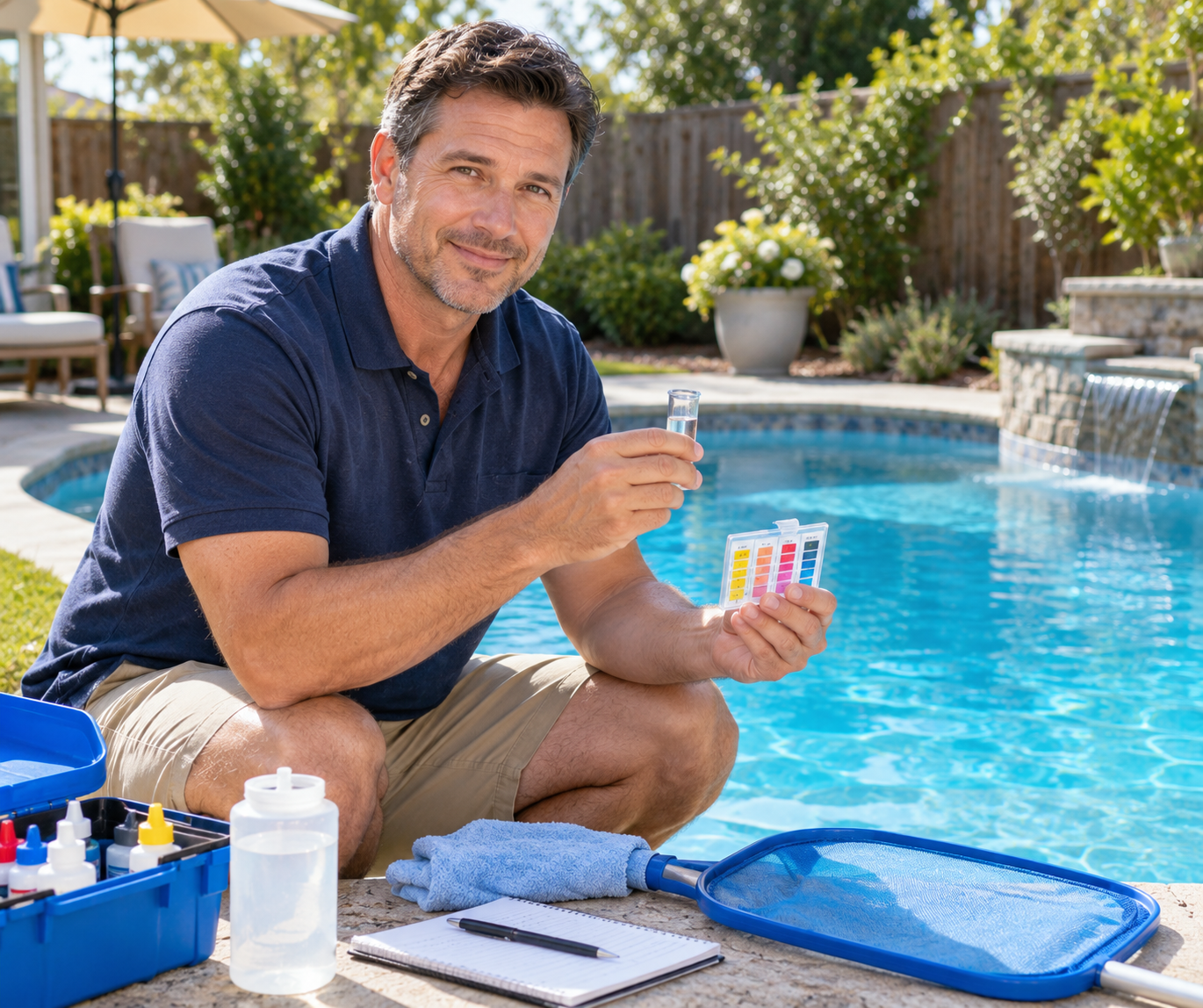
Sanitizer depletion similarly accelerates bubble formation by permitting organic waste and bacteria to accumulate unchecked. When free chlorine or bromine residuals fall below recommended operating limits, the sanitizer can no longer oxidize perspiration, cosmetic oils, and dead skin cells. These unoxidized organic contaminants bind with dissolved total solids, creating a viscous film that stabilizes surface bubbles. Testing your water regularly ensures that your sanitizer remains active enough to destroy organic compounds before they bond into surface froth. Maintaining three to five parts per million of free sanitizer keeps organic buildup from overwhelming your filter cartridge.
Suction Side Air Leaks and Skimmer Vortices
Not all persistent bubbling originates from chemical imbalances or surfactant introduction. Suction side plumbing leaks represent a common mechanical failure where the circulation pump draws atmospheric air into closed water lines. If the water level inside the spa drops below the mid-point of the skimmer opening, the circulating pump can pull a spinning vortex of air down through the weir gate. This trapped air is pulverized by the pump impeller and expelled through the return jets as a steady cloud of micro-bubbles that makes the water appear milky. Maintaining proper water levels prevents the pump from pulling air and protects the impeller from cavitation damage.
Loose plumbing unions and degraded pump seal O-rings can also introduce unwanted air into the circulation loop. Because the suction side of the plumbing operates under negative pressure, loose fittings draw surrounding air inward rather than leaking water outward. You can inspect these connections by checking the pump intake union for tightness and examining the pump faceplate for hairline cracks. Applying silicone lubricant to dry O-rings often restores an airtight seal and prevents continuous bubble discharge. Resolving mechanical air leaks restores smooth hydraulic flow, eliminates pump surging, and prevents micro-bubbles from clouding your acrylic shell.
The Simple Jar Shake Test for Identifying Water Contamination
Pinpointing the exact cause of hot tub bubbling does not require expensive laboratory testing or specialized diagnostic gear. The jar shake test provides an immediate, reliable method for distinguishing between mechanical aeration and chemical surfactant contamination. To perform this test, take a clean glass jar, submerge it into the spa, and fill it approximately halfway with water from below the surface line. Secure the lid tightly and inspect the sample to ensure no foreign debris or leaves fell inside during collection. This quick diagnostic check can be performed right at the edge of your spa cabinet.
Shake the sealed jar vigorously for ten seconds, then place it on a flat surface and observe how the surface bubbles react. If the bubbles dissipate completely within five to ten seconds, your bubbling is likely caused by mechanical air injection or low calcium hardness rather than severe detergent pollution. If the foam persists for several minutes, remains dense, or rises into a thick froth layer, the water is saturated with surfactants and organic waste. This straightforward diagnostic check helps you determine whether simple chemical adjustments will suffice or if a complete drain and refill is necessary. Performing the jar test saves you from adding expensive defoamers to water that simply needs a plumbing inspection.
Immediate Remediation: Defoaming Agents vs Shock Oxidation
When unexpected foam appears right before guests arrive, chemical defoamers offer a rapid cosmetic remedy. These silicone-based liquid solutions work by spreading across the water line and breaking the surface tension of individual foam bubbles on contact. Within seconds of pouring a small dose near active jets, towering mounds of suds collapse back into clear liquid. While defoamers provide immediate visual improvement, they do not remove the underlying contaminants, meaning the foam will inevitably return once the silicone compound breaks down. Overusing defoamer can also coat your pleated filter cartridge and leave an oily residue on the water surface.
Shock oxidation attacks the actual root cause of organic foam rather than simply masking the surface symptoms. Adding a generous dose of non-chlorine shock, such as potassium monopersulfate, or an elevated dose of free chlorine burns through accumulated organic waste and bather contaminants. The oxidizing reaction breaks the molecular bonds of sweat, cosmetic residues, and chloramines, preventing them from stabilizing air bubbles. Running the circulation pump with the cover open for at least twenty minutes after shocking allows off-gassing and accelerates the breakdown of organic foam. Shocking your spa weekly keeps dissolved organic compounds low and prevents foaming episodes from taking hold.
Deep System Flushing: Purging Biofilm and Plumbing Lines
When hot tub water continues to bubble up despite proper sanitizer levels and water balance adjustments, hidden plumbing biofilm is often the culprit. Bacteria and organic residues build up inside hundreds of feet of flexible PVC tubing hidden behind the spa cabinet walls. Over months of use, this slime layer sheds surfactants back into circulating water, causing recurring foam whenever the high-speed therapy jets run. Routine surface sanitizing cannot reach these interior deposits without the help of a dedicated plumbing purge cleaner. Flushing the internal pipework removes accumulated scale and prevents recurring water quality issues.
Before draining your hot tub, add a concentrated enzymatic or detergent-free plumbing flush solution directly to the warm water. Run all hydrotherapy pumps on high speed with the air controls closed for thirty to sixty minutes to scour interior pipe walls. You will often see dark, sticky foam erupt across the surface as the purge chemical strips old biofilm, oils, and scale from the plumbing manifold. Investing in a heavy duty spa cover keeps outdoor dust and yard debris from settling onto the shell while you carry out these vital deep cleaning cycles. Once the flush cycle concludes, drain the tub completely to flush out all dislodged contaminants.
Refilling and Chemical Balancing Protocols to Prevent Bubble Recurrence
Proper refilling technique prevents both mechanical air locks and immediate chemical imbalances that trigger bubbling. After draining the purged water, wipe down the acrylic shell with a diluted spa surface cleaner and rinse thoroughly to remove all purge residue. Insert your garden hose directly down into the empty filter standpipe rather than laying it on the footwell floor. Filling the spa through the filtration housing forces air out of the pump volute and heater manifold, preventing frustrating pump air locks that generate turbulent air bubbles upon startup. This simple step protects pump seals from running dry during your initial power-up.
Once the water reaches the manufacturer fill line, turn on the electrical breaker and establish your chemical foundation in the correct order. Test and adjust total alkalinity first to achieve a stable buffer between eighty and one hundred twenty parts per million. Next, balance the pH to a neutral range between 7.2 and 7.8, followed by raising calcium hardness to at least one hundred fifty parts per million. Finally, add your primary sanitizer to establish a baseline of three to five parts per million of free chlorine or bromine before running the pumps on low filtration cycles. Following this strict chemical dosing sequence stabilizes water parameters and prevents premature foaming.
Long-Term Bather Protocols and Cover Maintenance for Foam Prevention
Preventing recurring foam requires establishing sensible bather habits before anyone steps foot into the heated water. Encourage guests to rinse off in warm water prior to soaking to remove cosmetic lotions, sunscreens, deodorants, and natural body oils. Furthermore, designate specific bathing suits for hot tub use and wash them in hot water without laundry detergent or fabric softeners. These simple hygiene habits drastically reduce the introduction of foaming surfactants and keep your water fresh for months between seasonal drains. Placing a clean outdoor mat by the spa steps also stops swimmers from tracking garden dirt into the footwell.
Protecting the water surface between soaking sessions is just as important as managing what enters during use. Airborne pollen, tree sap, and organic dust settle into uncovered water, consuming sanitizer and feeding foaming bacteria colonies. Securing a foldable thermal spa cover over the shell locks out environmental contaminants while retaining essential thermal heat. Routinely inspecting the vinyl underside of your cover and wiping it down with a mild sanitizer prevents mold spores from dripping into clean spa water and destabilizing your water chemistry. A well-maintained cover reduces your chemical consumption and keeps surface water pristine.
Resolving unwanted bubbles in your spa comes down to separating functional jet aeration from chemical surfactant buildup and mechanical air intrusion. By verifying water levels, balancing calcium hardness, shocking organic waste, and inspecting suction fittings, you can quickly eliminate unsightly froth and restore pristine soaking water. Establishing consistent bather hygiene protocols and performing periodic plumbing flushes will ensure your hot tub remains clean, balanced, and ready for relaxing hydrotherapy throughout the year. Regular water testing takes only minutes each week but saves hours of troubleshooting and chemical waste down the road. Taking a proactive approach to spa maintenance keeps your hydrotherapy sessions enjoyable, hygienic, and free from frustrating foam.


Write Your Review
No reviews yet. Be the first to share your experience!