
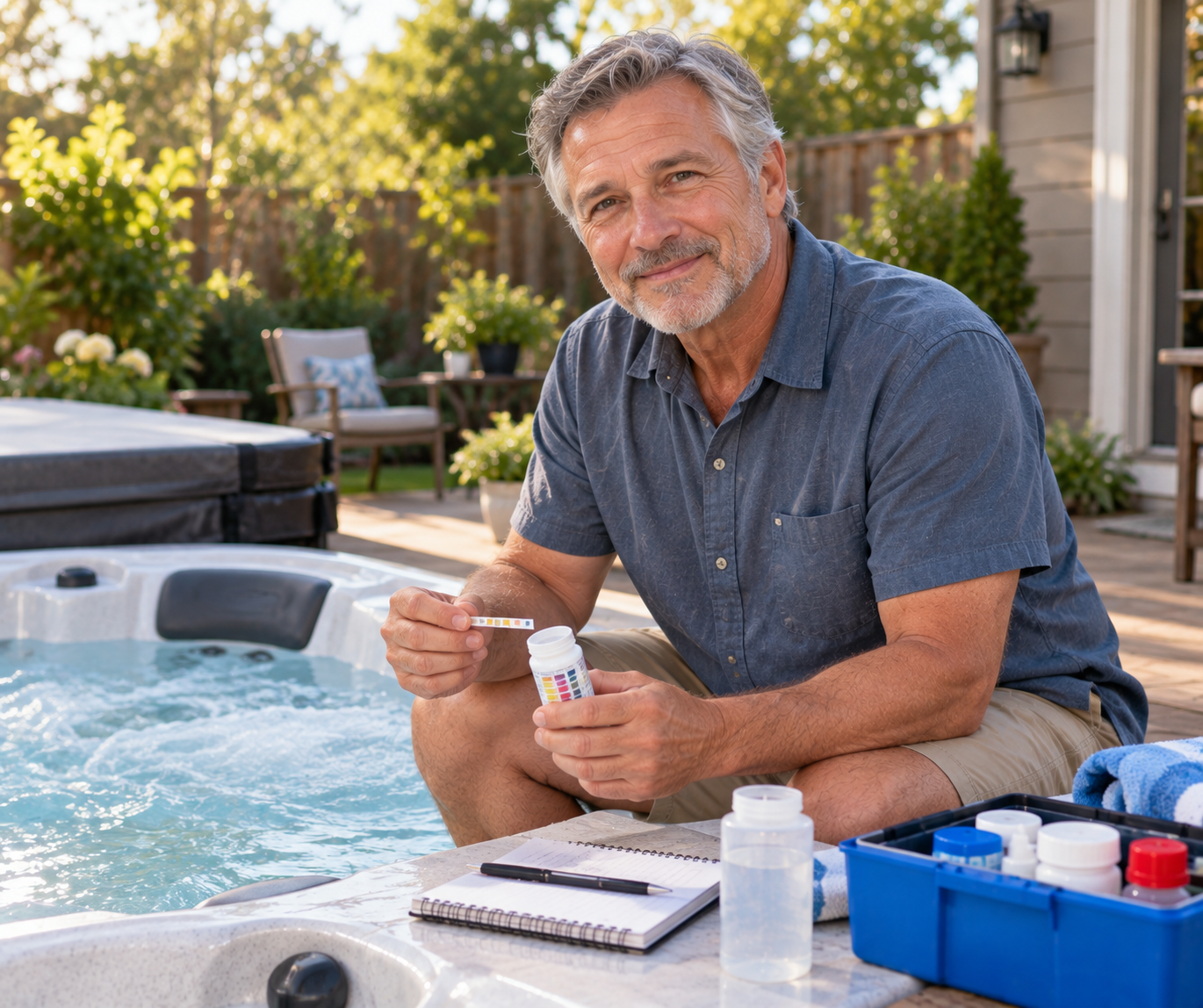

Stepping into a warm spa should offer complete hydrotherapy comfort, yet cloudy water, foul odors, or skin irritation can quickly ruin the experience. Maintaining clean and comfortable soaking conditions requires knowing exactly what chemicals to put in hot tub plumbing and filtration systems. Without the proper balance of primary sanitizers, alkalinity buffers, and clarifiers, spa water can rapidly harbor harmful bacteria or leave mineral scale across heating elements. Pairing your water maintenance with a protective hot tub cover with reliable insulation further shields your balanced water from outdoor debris and thermal heat loss.
Effective water management is not about pouring random additives into your spa shell and hoping for the best. Instead, spa care relies on establishing stable base parameters like total alkalinity and pH levels before applying EPA-registered sanitizing agents. Whether you operate an acrylic home spa, a rotomolded model, or an inflatable backyard tub, establishing a predictable dosing routine protects your plumbing manifolds, prevents pump seal failure, and keeps water crystal clear. Learning the distinct roles of sanitizers, oxidizers, and specialty clarifiers ensures every soak remains safe, inviting, and easy on your skin.

Pros
- Compatible with all major spa sanitizers including chlorine, bromine, and biguanide
- Improves filter media efficiency by binding fine particles that normal cartridges miss
- Concentrated formula requires relatively small doses per treatment
- Compact bottle footprint fits easily into standard outdoor storage cabinets
Cons
- Requires clean filter cartridges to capture coagulated debris without restricting water flow
- Does not resolve cloudiness caused by severely unbalanced pH, total alkalinity, or zero sanitizer
- Liquid format requires careful measuring to prevent accidental over-treatment
HTH Spa 86121 Clarifier is a concentrated liquid water-care treatment designed to clear dull, hazy water in portable and built-in hot tubs. This maintenance product serves first-time hot tub owners, busy families, and vacation rental managers who need a dependable way to restore water clarity after heavy bather loads without having to perform an immediate, water-wasting drain and refill.
Microscopic particles such as dead algae, lotions, cosmetic residues, and fine environmental dust often bypass standard hot tub cartridge filters due to their tiny particle size. HTH Spa Clarifier acts as a coagulant, combining those microscopic floaters into larger masses that your filtration system can easily snare during standard circulation cycles. This action directly supports filter efficiency and helps keep water looking transparent and inviting.
Chemical compatibility is a critical consideration for any spa additive, and this formula is designed to work across diverse sanitation programs. HTH lists compatibility with chlorine, bromine, and biguanide sanitizers, making it versatile for virtually any residential spa setup. The 16-ounce bottle weighs approximately one pound and measures 2.46 by 2.46 by 7.85 inches, allowing it to fit neatly inside outdoor storage bins, hot tub steps with storage compartments, or utility shelves.
Application fits easily into standard spa care routines. Adding the recommended dose while the circulation pump or low-speed jets are active distributes the liquid evenly across the spa volume. After the clarifier binds suspended debris and directs it toward the filter, owners should plan to rinse or chemically wash their filter cartridges within a day or two to remove the collected solids and maintain optimal circulation pressure.
While clarifiers are effective at targeting physical haze, they cannot substitute for fundamental water balancing. If cloudy water is driven by incorrect total alkalinity, skewed pH levels, or an absence of active sanitizer, those underlying chemistry issues must be corrected first. Furthermore, overdosing clarifier can occasionally cause foaming or reverse cloudiness, meaning precise measurement remains necessary during application.
For owners seeking a low-cost, straightforward tool to maintain polished, sparkling water between scheduled drain intervals, HTH Spa Clarifier is a practical addition to the maintenance cabinet. Verifying that your spa filter is clean and that water balance parameters are within normal ranges before pouring will deliver the clearest results.
HTH Spa Clarifier is formulated for broad chemical compatibility, allowing safe use alongside chlorine, bromine, and biguanide sanitizing programs. This flexibility prevents chemical conflict and makes it suitable for both standard residential tubs and rental property installations utilizing different sanitation preferences.
For optimal results, ensure the hot tub water has balanced pH and active sanitizer levels before adding the clarifier. Activating low-speed filtration jets while dosing ensures the liquid disperses thoroughly across the water column to bind tiny particles uniformly.
Because this clarifier gathers microscopic contaminants so that the spa filter can catch them, regular filter maintenance is essential after treatment. Thoroughly rinsing your cartridge pleats with clean water after running the cycle prevents coagulated debris from causing filter restriction.
Store the 16-ounce bottle in a cool, dry, and well-ventilated area away from direct sunlight. Ensuring the cap is tightly secured after each use preserves chemical potency and prevents accidental leakage inside your spa storage box or cabinet.


Pros
- Combines cleaner, clarifier, and conditioner to reduce the number of separate specialty chemical bottles needed
- Does not require draining the spa, making it practical for cold-weather maintenance when draining is risky
- Compatible with standard chlorine and bromine sanitizing systems
- Helps dislodge hidden oils and line buildup that standard sanitizers alone may struggle to clear
Cons
- Does not replace primary sanitizers such as chlorine or bromine and must be used as a supplement
- Initial treatment can release accumulated plumbing grime, requiring extra filter rinsing and waterline wiping
- At 16 fluid ounces per bottle, owners of larger spas may need frequent reorders for year-round weekly dosing
Oh Yuk 5-in-1 Hot Tub Cleaner, Clarifier, and Conditioner is a multi-purpose liquid water treatment designed to streamline routine spa maintenance without draining the tub. It serves spa owners, rental property operators, and busy households who want to prevent cloudy water and line buildup alongside their regular sanitation routine. Rather than managing separate bottles of clarifier, plumbing line maintenance, and water softeners, this single 16-ounce formulation tackles multiple water quality challenges at once.
In daily hot tub ownership, bather loads introduce body oils, lotions, and organic residues that coat plumbing walls and create dull, cloudy water. This 5-in-1 formula actively suspends and lifts those trapped residues, allowing the built-in clarifier to coagulate fine debris so your filter cartridge can capture it. It also conditions the water to improve overall water feel, making soaks feel noticeably smoother without altering primary sanitizer baselines. Because it works without requiring a water drain, it proves especially valuable during freezing winter months when draining and refilling a spa is inconvenient or hazardous.
A crucial factor in hot tub water chemistry is chemical compatibility, and this product is engineered strictly as a supportive supplement rather than an EPA-registered sanitizer. It is formulated to work seamlessly with standard chlorine or bromine maintenance systems. It will not eliminate the need to test and balance free sanitizer, pH, or total alkalinity. Instead, by neutralizing organic residues and keeping plumbing lines clearer, it helps your primary sanitizer work more efficiently without being consumed prematurely by hidden organic contaminants.
Applying the treatment is straightforward, but users should prepare for the way deep-cleaning additives interact with existing buildup. During the first few doses, especially in older spas or tubs with heavy bather traffic, the formula may purge accumulated oils and residue from the plumbing into the main footwell. Spa owners should anticipate wiping down the waterline with a clean cloth and removing the filter cartridge for a thorough rinse 24 to 48 hours after application to prevent dislodged debris from re-circulating.
While the formula simplifies maintenance, it comes with practical limitations that every hot tub owner should understand. The 16-ounce bottle size provides a compact footprint for spa caddies, but frequent weekly dosing across large multi-person hot tubs means a single bottle may deplete quickly. Furthermore, this maintenance product is not an emergency purge flush intended for complete tub draining, nor will it correct severe chemical imbalances caused by neglected calcium hardness or erratic pH levels.
Oh Yuk 5-in-1 Hot Tub Cleaner is best suited for hot tub owners who want to minimize weekly water care steps and preserve water clarity without dumping their water. Before purchasing, verify your spa sanitation setup to confirm you have an established chlorine or bromine routine in place, and ensure you have spare filter cartridges or cleaning tools ready to handle any dislodged residue from the initial treatment.
Using this 5-in-1 treatment on a weekly schedule helps control the organic film and cosmetic oils that normally accumulate on hot tub acrylic and inside internal jet lines. Regular use prevents stubborn waterline rings from setting, which reduces the need for aggressive scrubbing pads that could scratch spa shell surfaces.
Because the built-in clarifier groups micro-particles together for mechanical removal, filter care is directly tied to the success of this treatment. Hot tub owners should inspect and rinse their pleated filter cartridges with clean water shortly after dosing, as the filter media will trap an increased amount of suspended matter once the clarifier takes effect.
Oh Yuk 5-in-1 is formulated to work in harmony with traditional hot tub sanitizers, specifically standard chlorine and bromine water care regimens. It does not replace residual sanitizers, oxidizers, or shock treatments, meaning regular testing of free available sanitizer levels remains necessary.
Adding this conditioner and clarifier assists in maintaining consistent water chemistry by reducing organic demand on the sanitizer. Always ensure your hot tub water is properly balanced for pH and total alkalinity before introducing specialty water conditioners to achieve the best clarity and water feel.


Pros
- Coagulates micro-particles so standard spa cartridge filters can trap fine debris
- Designed to clarify cloudy water without altering overall pH balance
- Simple application procedure using active spa jets for rapid circulation
- Compact 1-pint bottle is easy to store alongside routine hot tub chemicals
Cons
- Requires a clean, functioning filter cartridge to physically remove the clumped debris
- Over-dosing can lead to temporary haziness, requiring careful measurement based on spa gallon capacity
- Does not replace primary sanitizers or shock treatments for bacteria and heavy organic buildup
AquaDoc Hot Tub Clarifier is a concentrated liquid treatment designed to clear cloudy water and support routine cartridge filtration. It best suits hot tub owners, vacation rental hosts, and busy homeowners who experience dull or hazy water resulting from bather load, body lotions, or fine airborne debris. Instead of waiting for microscopic suspended solids to slowly cycle out through standard circulation, this formula acts as a coagulant to bundle tiny particles together so spa filters can trap them efficiently.
Microscopic dirt particles are frequently smaller than the micron rating of standard hot tub cartridge filters, allowing them to bypass filter pleats and keep the water looking hazy. AquaDoc works by attracting these micro-particles like a magnet, creating larger agglomerations that the filter media can physically catch. Running spa jets and blowers during application accelerates circulation, allowing the treatment to disperse evenly throughout the tub and push debris toward the skimmer intake.
Maintaining water balance is a central part of spa ownership, and chemical additions that swing pH can trigger scale or skin irritation. This clarifier is formulated to clear water without upsetting established pH levels, which helps avoid cascading chemical adjustments. By pulling floating debris out of suspension, it helps cartridge filters capture dirt effectively, though regular filter rinsing remains essential to flush away the collected material.
Applying the clarifier fits easily into weekly spa care routines without complicated steps. The manufacturer directions suggest adding 2 ounces for every 800 gallons of water while the jets or blowers are active, continuing filtration until the water turns clear. For standard residential tubs, which often hold between 300 and 450 gallons, measuring out roughly 1 ounce twice a week provides consistent water maintenance without over-treating.
While clarifiers improve mechanical filtration, they are not a substitute for proper sanitizer levels, oxidizers, or routine filter cleaning. If a hot tub filter cartridge is already loaded with oils or scale, adding a clarifier will yield limited results until the filter is thoroughly rinsed or degreased. Additionally, overdosing clarifier can have an inverted effect, where excess polymers temporarily cloud the water, making accurate measurement essential.
AquaDoc Hot Tub Clarifier is a reliable, practical addition to any spa chemical cabinet for clearing minor haziness and supporting regular filtration. Before adding it to your spa, verify your water sanitizer levels, test baseline pH, and inspect your cartridge filter to ensure it is clean and ready to trap the gathered particles. Hot tub owners looking for a low-fuss way to preserve water clarity between water changes will find good everyday value here.
Using AquaDoc Hot Tub Clarifier effectively requires basic attention to spa capacity and filtration cycles. The listed dosage is 2 ounces for every 800 gallons of water, meaning most typical residential hot tubs holding 350 to 400 gallons require approximately 1 ounce per application. Adding the measured dose twice weekly with the circulation jets running ensures thorough dispersion across the entire spa shell.
Because the clarifier works by grouping tiny particles into larger debris, your spa filter cartridge does the physical work of removing the cloudiness from the water. Running the filtration cycle until the water clears is essential, followed by a quick garden-hose rinse of the filter pleats to prevent the trapped coagulants from restricting water flow.

Pros
- Contains all four foundational water-balancing chemicals plus 50 test strips in one package
- Compatible with acrylic, inflatable, and wooden spas across chlorine, bromine, and salt systems
- Helps prevent cloudy water, foaming, mineral scale, and heater corrosion caused by imbalanced water
- Manufactured in the USA with reliable, fast-dissolving water-care formulas
Cons
- Does not include primary sanitizers such as chlorine or bromine granules, which must be purchased separately
- Source water with extreme hardness or alkalinity may deplete specific individual bottles faster than the rest of the kit
- Requires careful incremental dosing and testing rather than one-size-fits-all application
The Bio Ouster Hot Tub Water Balancing Kit is an all-in-one water adjustment bundle designed for acrylic, inflatable, and wooden hot tubs. Proper water balance is critical for preventing mineral scale, heater corrosion, and bather discomfort, making this starter collection well suited for new spa owners, seasonal refills, and vacation rental hosts who need foundational water-care essentials in a single convenient package.
Maintaining balanced water chemistry requires managing several interconnected parameters, which this kit addresses through dedicated pH Up, pH Down, Alkalinity Increaser, and Calcium Hardness Increaser formulas. By adjusting total alkalinity first to buffer pH fluctuations, and raising calcium levels to protect internal spa plumbing and heating elements, hot tub owners can maintain clear water and protect their equipment investments.
Routine monitoring is supported by the 50 included test strips, which allow quick checks of pH, total alkalinity, and calcium hardness levels before adding any adjustment chemicals. The formulas are designed to work alongside standard sanitizing systems, including chlorine, bromine, ozone, and salt water configurations, without interfering with filtration systems or causing unwanted cloudy precipitation when added properly.
Integrating this kit into a routine hot tub maintenance schedule requires testing freshly filled or top-off water before adding chemicals in gradual increments. Because chemical demand varies depending on municipal tap water characteristics, tub volume, and bather load, spa owners should add adjustments incrementally with the water jets running to ensure thorough circulation and avoid overshooting targets.
A practical limitation to keep in mind is that this bundle is strictly a water-balancing kit and does not contain primary sanitizers such as chlorine or bromine. Additionally, owners with particularly hard or soft source water may find that one specific chemical depletes faster than the others, eventually requiring individual bottle replacements down the road.
Hot tub owners seeking a straightforward, Made-in-USA foundational chemistry package will find practical everyday value in the Bio Ouster water balancing starter kit. Before purchasing, ensure you have your preferred sanitizer on hand and plan to test your tap water before initial dosing to establish an accurate chemical baseline for your spa volume.
Proper water balancing begins with testing total alkalinity, which serves as the chemical buffer that stabilizes pH levels in your spa water. Using the included test strips, hot tub owners should adjust total alkalinity into the recommended range before fine-tuning pH with either pH Up or pH Down to prevent rapid chemical bounce.
Calcium Hardness Increaser is included to ensure water does not become aggressive or corrosive toward spa heating elements, pump seals, and plumbing fixtures. This is particularly relevant for owners in soft-water areas or those filling spas using whole-house water-softener systems where low calcium levels can accelerate metallic component wear.
The formulas are chemically neutral relative to sanitizers, meaning they can be used safely in spas treated with standard chlorine granules, bromine tablets, saltwater chlorination systems, or ozone generators. Always allow chemicals to circulate for at least twenty to thirty minutes before re-testing water or adding secondary treatment products.
Essential Spa Water Chemistry and Chemical Balancing Guide
Determining what chemicals to put in hot tub water comes down to five distinct chemical categories: water balancers, sanitizers, shock oxidizers, clarifiers, and specialty maintenance treatments. Hot tub water operates between 100 and 104 degrees Fahrenheit, causing rapid bacterial replication and swift evaporation. Without a dedicated chemical regimen, a spa can turn from an inviting hydrotherapy retreat into a cloudy basin loaded with scale. Understanding how each chemical functions ensures your spa remains sanitary, visually pristine, and mechanically sound.
Testing the Foundation: Total Alkalinity, pH, and Calcium Hardness
Water balance serves as the foundation of spa care, meaning sanitizers cannot work efficiently if base parameters drift out of range. Total alkalinity acts as a buffer that prevents erratic swings in pH, making it the first reading to balance after refilling. The ideal range for total alkalinity is between 80 and 120 parts per million (ppm). Low alkalinity leaves water acidic and corrosive to heating elements, while high alkalinity causes cloudy water and scale deposits on acrylic surfaces.
Maintaining balanced pH levels between 7.2 and 7.8 represents the second essential step in water management. Water with a pH below 7.2 irritates eyes, strips skin oils, and corrodes copper or titanium heat exchangers. Conversely, a pH above 7.8 diminishes chlorinating efficiency, allowing bacteria to thrive despite having sanitizer present. Using test strips from the Bio Ouster Hot Tub Water Balancing Kit allows owners to evaluate pH, alkalinity, and calcium levels accurately before adjusting dosages.
Calcium hardness measures the concentration of dissolved minerals in spa water, with a target range between 150 and 250 ppm. Extremely soft water leaches minerals directly from internal plumbing seals and metallic components, causing premature pump failure. On the other hand, water with excessive calcium produces sandpaper-like scaling along jet nozzles and filter cartridges. Products such as calcium hardness increasers stabilize soft fill water, while regular filter cleaning helps manage moderate mineral accumulation.
Primary Sanitizers: Protecting Bathers with Chlorine and Bromine
Primary sanitizers are EPA-registered biocides designed to destroy bacteria, neutralize viruses, and eliminate harmful pathogens. The two most common chemical sanitizers used in portable and acrylic hot tubs are free chlorine and bromine. A free chlorine level of 3 to 5 ppm provides rapid oxidation and quick pathogen destruction. For chlorine-treated spas, granular options like HTH Spa Clear Chlorinating Sanitizer dissolve quickly to control bacteria without leaving gritty sediment on the tub floor.
Bromine is an alternative biocide that remains exceptionally stable under elevated water temperatures and wide pH fluctuations. Because bromine does not dissipate as rapidly as chlorine in hot water, many indoor spa owners prefer its milder aroma. Bromine forms bromamines as it neutralizes waste, but unlike chloramines, bromamines retain sanitizing capability and produce minimal odor. The typical target range for active bromine is 3 to 5 ppm, providing continuous protection against biological growth.
Selecting between chlorine and bromine requires strict consistency because you must never mix these two chemicals directly. Combining concentrated chlorine granules and bromine tablets in the same feeder creates dangerous chemical reactions and toxic gas. Furthermore, converting a hot tub from bromine to chlorine requires draining the shell completely, flushing lines, and refilling with fresh tap water. Choosing one primary sanitizer system guarantees predictable water management and safer bather conditions.
Shock Treatments and Non-Chlorine Oxidizers
Even with regular sanitizer dosing, bather waste like body lotions, perspiration, and dead skin cells accumulates in warm water. Shock treatments perform deep oxidation, breaking apart spent sanitizer molecules and restoring clarity. When chlorine binds with organic contaminants, it forms combined chlorine, or chloramines, which cause strong chemical odors and burning eyes. Applying a routine shock treatment oxidizes chloramines, allowing free chlorine to resume its primary biocide duties without irritating bathers.
Hot tub owners generally choose between non-chlorine oxidizers and chlorine-based shock granules. Non-chlorine shock oxidizes organic waste without elevating chlorine residual levels, allowing bathers to re-enter the tub within twenty minutes after treatment. Chlorine shock, often achieved with an elevated dose of chlorinating sanitizer, delivers a powerful burst of sanitation ideal after heavy bather loads. Dosing your spa with a shock treatment once every seven to ten days keeps water fresh and prevents chloramine buildup.
Clarifiers and Water Conditioners: Eliminating Cloudiness and Oils
Spa water occasionally turns dull or hazy even when pH, alkalinity, and sanitizer levels remain balanced. This cloudiness often stems from suspended microscopic particles, such as dead algae cells and dissolved oils, that are too small for cartridge filters to trap. Water clarifiers utilize positively charged polymers that attract these floating particles like a magnet. By coagulating minute debris into larger clumps, clarifiers allow the filtration system to capture contaminants during regular circulation cycles.
Concentrated clarifying agents, such as HTH Spa 86121, Clarifier, 16 oz, restore visual brilliance without interfering with existing sanitizer chemistry. These formulas improve filter efficiency across all sanitation methods, including chlorine, bromine, and biguanide systems. Similarly, AquaDoc Hot Tub Clarifier is designed to clear cloudy water quickly when dosed while jet pumps circulate water. Regular use of a quality clarifier extends the functional lifespan of pleated filter cartridges by preventing tiny pores from becoming plugged.
Specialty conditioning formulas often combine clarification with waterline cleaning and softening agents. Products like Oh Yuk 5-in-1 Hot Tub Chemicals, Cleaner act as a clarifier, cleaner, and water conditioner in a single weekly application. These advanced blends lift hidden residue, oils, and organic buildup from plumbing lines and water surfaces without requiring a full drain. Conditioned water feels smoother against the skin, enhancing physical relaxation during soaking sessions while keeping the acrylic shell looking spotless.
Managing Persistent Surface Foam with Specialized Defoamers
Foam on the water surface is one of the most frustrating aesthetic problems hot tub owners encounter during high-speed jet operation. Persistent bubbling typically results from residual laundry detergents in swimwear, body lotions, cosmetics, hair products, or low calcium hardness. When intense aeration from hydrotherapy jets whips these organic compounds into the water, a thick layer of foam quickly forms. Addressing the root cause involves encouraging bathers to rinse before soaking and verifying that calcium levels remain within recommended limits.
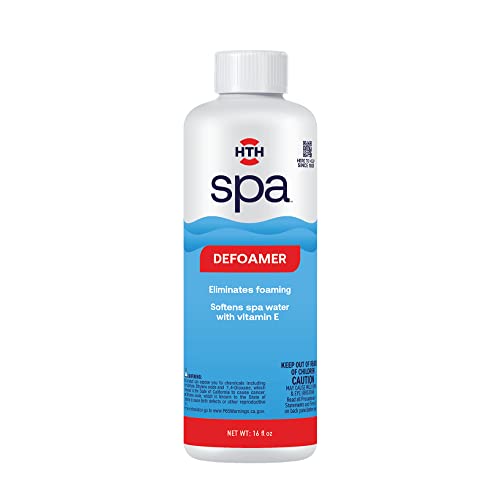
For immediate relief during gatherings or daily relaxation, a liquid defoamer provides rapid knockdown of unsightly bubbles. An option like HTH Spa 86116, Defoamer, 16 oz utilizes silicone-based compounds enriched with vitamin E to break surface tension and flatten foam within seconds. While defoamers offer an effective short-term fix, they are designed as temporary problem-solvers rather than permanent water balancers. If foam returns immediately after every jet cycle, shocking the water, cleaning the filter, or scheduling a water change will be necessary.
Multi-Benefit Weekly Treatments and Plumbing Maintenance
Managing multiple individual chemical bottles can become tedious, which is why multi-benefit weekly treatments have gained widespread popularity. All-in-one enzyme and conditioning products, such as BubbyShine 5-in-1 Weekly Hot Tub Chemicals, simplify routine care by breaking down non-living organic matter before it clogs the filter. Adding a weekly maintenance dose of an enzymatic conditioner supports circulation pumps, minimizes greasy scum lines, and maintains pristine clarity. These treatments work in tandem with your primary sanitizer rather than replacing it, ensuring comprehensive protection.
Pairing weekly chemical care with environmental protection keeps maintenance demands manageable throughout every season. Shielding your water with a fitted yard patio hot tub cover prevents blowing leaves, bird droppings, and rainwater from diluting sanitizer residuals or skewing pH balance. Additionally, using a plumbing purge cleaner before your quarterly drain strips away bio-film and mineral scale lurking deep within internal manifolds. Combining regular chemical additions with smart preventative measures ensures your hydrotherapy equipment operates smoothly.
Step-by-Step Chemical Dosing Sequence for Fresh Fills and Routine Care
Adding chemicals in the correct sequence is critical to preventing cloudy water, mineral precipitation, or ineffective sanitization. Whenever you refill your hot tub with fresh water, begin by testing the baseline chemistry before adding treatment products. Always establish proper total alkalinity first by using an alkalinity increaser or decreaser until test strips display a stable 80 to 120 ppm reading. Alkalinity serves as an anchor for pH, so attempting to adjust pH prior to stabilizing alkalinity results in erratic readings and wasted chemicals.
Once alkalinity has stabilized, test and adjust the pH to the target range of 7.2 to 7.8 using pH up or pH down formulations. After the pH reading settles, evaluate your calcium hardness level and add a hardness increaser if tap water measures below 150 ppm. With water balance established, introduce your chosen primary sanitizer, such as chlorinating granules, to build a protective biocide baseline of 3 to 5 ppm. Always dissolve granular products in a clean bucket of water or sprinkle them evenly with pumps operating.
Whenever you add chemicals to your spa, turn on high-speed jet pumps and open all water diverter valves to ensure thorough circulation throughout the plumbing manifold. Turn off air control knobs, as excessive aeration during chemical dissolution can temporarily push pH levels upward. Keep the hot tub cover completely removed for at least fifteen to twenty minutes after adding shock or sanitizer to allow chemical off-gassing to dissipate freely. Closing a thermal cover immediately traps corrosive oxidation vapors, which can degrade cover vinyl and pillows.
Common Dosing Mistakes and Water Care Pitfalls
A frequent mistake made by newer hot tub owners is overdosing chemicals in an attempt to solve water issues quickly. Dumping large quantities of dry chemicals into the tub simultaneously can cause chemical clashes, cloud water instantly, or create harsh skin irritation. Instead, practice incremental dosing by adding half the calculated amount, allowing water to circulate for two hours, and retesting before adding more. Patient adjustments prevent the frustrating cycle of constantly swinging between acidic and alkaline conditions.
Another widespread pitfall is neglecting the physical cartridge filter while focusing exclusively on chemical additions. A clogged or greasy filter cartridge restricts water flow, triggers heater low-flow error codes, and recirculates trapped dirt back into the tub. Rinse your pleated filter with fresh water weekly, use a dedicated chemical filter cleaner monthly, and replace the cartridge annually. Even the best chemical regimen cannot produce crystal-clear water if the mechanical filtration system is compromised by debris.
Relying on expired chemical test strips or liquid test reagents can also lead to severely miscalculated chemical adjustments. Chemical test strips degrade when exposed to heat and moisture, producing false readings that encourage owners to add unneeded balancers. Store all water testing supplies in a cool, dry cabinet away from direct sunlight, and replace test kits at the start of each season. Accurate diagnostics ensure you only add the specific chemicals your water requires, saving money and protecting equipment.
Knowing what chemicals to put in hot tub plumbing ensures a safe and comfortable soak while protecting internal heaters, pumps, and shell finishes. By establishing balanced alkalinity and pH, maintaining a reliable sanitizer residual, and using weekly clarifiers or shock treatments, water care remains simple and predictable. Consistent testing and incremental adjustments eliminate the stress of recurring water problems, allowing you to relax and enjoy the full hydrotherapy benefits of your backyard hot tub.


Write Your Review
No reviews yet. Be the first to share your experience!