


Plunging outdoor temperatures and heavy snow loads place immense physical strain on outdoor spas, creating risks ranging from split plumbing manifolds to skyrocketing electric utility bills. Keeping an outdoor spa running smoothly through freezing months demands a layered strategy that combines thermal insulation, water chemistry balance, and windproof physical shielding. Many spa owners struggle with whether to shut down equipment completely or maintain continuous low-temperature heating when sub-zero weather arrives. Understanding how to protect hot tub in winter ensures internal heating elements, acrylic shells, and sensitive plumbing lines survive severe weather without costly freeze damage.
Sustaining safe water circulation while shielding cabinet panels from moisture buildup prevents the common failure points associated with harsh cold snaps. Pairing a quality hard top with a protective patio hot tub cover helps deflect sleet and snow before moisture compromises the underlying foam insulation. Regular surface conditioning and dedicated weekly water balancing also protect sensitive plumbing lines from scale and organic residue that hinder thermal transfer. With a systematic cold-weather routine in place, you can protect equipment integrity, maximize standby heating efficiency, and enjoy relaxing hydrotherapy all winter long.
Top Products

Pros
- Heavy-duty 600D composite canvas resists harsh weather, sunlight exposure, and airborne debris
- Mechanical 360-degree ratchet tie-down secures the skirt much more firmly than basic elastic hems
- Seamless center pattern prevents stitch leaks across the flat surface of your spa
- Integrated dual side vents promote steady airflow to reduce trapped condensation
- Easy for a single person to handle and drape over an existing hard cover
Cons
- Uninsulated fabric shell cannot replace a structural foam hard cover and provides no thermal retention on its own
- Rainwater can collect and puddle if the underlying hard cover has a flat or sagging surface
- Sized at 85 by 85 inches, creating a looser fit on tubs measuring closer to the 81-inch minimum
The QH.HOME 85 x 85 Waterproof Hot Tub Cover Cap is designed specifically as a protective outer shell for hot tub owners who want to shield their factory hard cover from direct environmental wear. Many hot tub owners find that exposure to relentless sun, freezing rain, wet snow, and falling tree debris causes standard vinyl hard covers to fade, crack, and eventually absorb water. This product is not an insulated replacement cover and contains no foam core. Instead, it acts as a tough secondary barrier that drapes directly over your existing insulated hard cover, making it an excellent investment for backyard spa owners, mountain cabin operators, and homeowners in challenging outdoor climates.
In practical everyday use, the cover measures 85 inches long by 85 inches wide and is rated to fit square hot tubs measuring between 81 and 85 inches across. The seamless top design is a notable advantage, as traditional stitched seams on the upper deck often create puncture paths where pooling water can seep through over time. Coupled with high-density waterproof fabric and sealed perimeter seams, this protector keeps dirt, pine needles, and precipitation off the primary vinyl lid. Dual built-in side air vents allow air circulation beneath the canvas, helping disperse trapped condensation while reducing the parachute effect during high wind gusts.
Material construction centers around a durable 600D polyester composite canvas fabric with tear-resistant qualities. The heavy-duty woven exterior stands up against UV degradation, which is one of the most common causes of vinyl brittleness and seam splitting on hot tub covers. Rather than relying on flimsy corner elastic that can stretch out after a single season, QH.HOME equips this cap with a 360-degree ratchet tie-down system. By tightening the perimeter ratchet strap around the hot tub cabinet, the protector locks firmly in place to prevent the wind from lifting the skirt or blowing the cover across the yard.
Ownership and daily handling remain straightforward due to the manageable 4.14-pound product weight. Draping the lightweight cap over the hot tub before an oncoming storm or during weekday non-use takes only a minute or two, and releasing the ratchet mechanism allows quick removal when it is time for an evening soak. When not in use, the flexible canvas folds compactly for storage inside a deck box or patio cabinet. Maintenance is minimal, requiring only an occasional rinse with a garden hose to clear away dust, pollen, or fallen leaves.
A realistic limitation of this product is that it possesses zero thermal insulation value and cannot support heavy downward loads on its own. It must be paired with an existing, rigid hard cover to function properly. Furthermore, if your underlying hard cover is already bowed or sagging in the center, rainwater or melting snow will naturally pool on top of the canvas, requiring manual sweeping or draining. Owners with tubs measuring close to 81 inches should also expect some excess fabric around the perimeter compared to a tight, custom-tailored fit.
For owners of square spas between 81 and 85 inches looking for an affordable way to extend the lifespan of an expensive hard cover, the QH.HOME Cover Cap provides dependable, cost-effective weather protection. Before ordering, carefully measure the outer perimeter of your existing hard cover from edge to edge to confirm that your dimensions fall within the recommended 81-to-85-inch range.
Accurate sizing is essential when selecting a hot tub cover cap. The QH.HOME protector measures 85 inches by 85 inches, engineered specifically to fit square spa shells and hard covers measuring from 81 inches up to 85 inches. If your spa dimensions exceed 85 inches, the cap will not drape over the edges properly, while tubs smaller than 81 inches will experience noticeable bagging around the skirt.
Weather resistance is reinforced through the combination of 600D composite canvas and an integrated mechanical ratchet tie-down. Unlike simple drawstring or elastic borders that frequently pull loose in stormy conditions, the 360-degree ratchet can be cinched down tightly beneath the lip of the cabinet. This anchor system, combined with dual side vents that equalize internal pressure, ensures that the protector stays anchored during blustery days without blowing away or violently flapping against the cabinet panels.
Caring for the 600D polyester canvas is simple and requires only basic routine maintenance. Periodically sweep off accumulated leaves, twigs, and dry debris using a soft-bristle broom to keep the dual side air vents clear of obstructions. When dirt or bird droppings accumulate, rinse the cover with a garden hose and clean the surface using mild soap and warm water. Avoid harsh bleach, petroleum-based solvents, or abrasive scouring pads, as these chemicals can degrade the water-resistant coating.
Before folding and storing the cover cap for extended periods, ensure the fabric is completely dry to prevent surface mildew from developing inside the storage bag or deck box. After significant winter snowfall, gently clear heavy snow accumulations using a push broom rather than sharp metal shovels to protect both the protective cap and the underlying hard cover structure.

Pros
- Dual-purpose formula acts as both a cleaner and a protectant, simplifying the cover-care routine into a single product step
- Compatible with most vinyl and canvas spa covers, making it a practical choice for owners with different cover materials across multiple spas or seasons
- Easy application method - just mix with water, apply, scrub gently, and rinse - requires no specialized equipment
- Manufactured in the USA, supporting American-made spa care solutions with a focus on formula consistency
- 16 oz bottle is a manageable size for regular use without committing to a large volume before confirming it works well on your specific cover
Cons
- At 16 oz, frequent users or owners with oversized covers may go through the bottle relatively quickly if using it on a regular weekly or biweekly schedule
- The product listing does not specify UV-blocking or UV-resistant properties, so owners in high-UV climates should not assume this provides dedicated UV protection unless confirmed by the manufacturer
- With zero reviews at the time of evaluation, there's no independent user feedback to confirm real-world cleaning effectiveness or long-term surface protection results
AquaDoc Spa Cover Care is a 16 oz liquid cleaner and protectant designed specifically for vinyl and canvas hot tub covers. It targets the everyday buildup that accumulates on spa covers - dirt, body oils, airborne grime, pollen, and grease - and aims to lift that buildup while conditioning the vinyl surface. This type of product fills a real gap for hot tub owners who want to keep their cover looking presentable and functioning well without resorting to household cleaners that can degrade vinyl over time.
Regular cover cleaning is one of the most overlooked aspects of spa ownership. Many hot tub owners don't realize that letting dirt, tree sap, bird droppings, or sunscreen residue sit on a vinyl cover accelerates surface cracking and discoloration. AquaDoc's formula is meant to be diluted with water, applied to the cover surface, gently scrubbed with a soft brush or cloth, and then rinsed off thoroughly. This straightforward process doesn't require any specialized tools, and the fact that it works as both a cleaner and a protectant in one step saves time compared to using separate products for each function.
The product description lists compatibility with most vinyl and canvas spa or hot tub covers, which covers the vast majority of residential spa covers on the market. That said, owners with specialty cover materials or aftermarket coatings should verify compatibility before applying any new cleaning product to the entire surface. A small test spot in an inconspicuous area is always a smart precaution, especially on older or already-weathered covers where the vinyl may be more sensitive.
For owners in climates with heavy pollen seasons, dusty conditions, or frequent rain that leaves mineral deposits, a product like this can be part of a regular maintenance schedule - perhaps monthly or biweekly depending on conditions. Owners in high-UV areas should note that the product listing does not specifically claim UV-blocking properties, so pairing this cleaner with a dedicated UV protectant spray may still be advisable if sun damage is a primary concern. Similarly, owners dealing with mold or mildew growth on their covers should confirm whether this formula addresses those issues or whether a separate mildew-specific treatment is needed.
One practical consideration is bottle size. At 16 oz, the AquaDoc cleaner is a reasonable starting volume for trying the product, but owners with large spa covers or multiple spas - such as vacation-rental operators or property managers - may find they go through a bottle fairly quickly if cleaning on a regular schedule. The dilution ratio will affect how far the bottle stretches, and the listing does not specify an exact dilution ratio, so following the label instructions closely will be important for getting the right balance of cleaning strength and product economy.
AquaDoc Spa Cover Care is a practical buy for any hot tub owner who wants a dedicated, USA-made cover cleaning product rather than improvising with dish soap or all-purpose cleaners. It's especially relevant for owners who've noticed their cover starting to look dull, dirty, or grimy and want to restore surface appearance before the cover deteriorates further. Before purchasing, confirm that your cover is vinyl or canvas, and consider your local climate conditions to determine whether you'll also need supplemental UV or mildew protection beyond what this product offers.
The application process for AquaDoc Spa Cover Care is designed to be simple enough for any hot tub owner. According to the product description, you mix the solution with water, apply it to the cover surface, gently scrub with a soft brush or cloth, and rinse thoroughly. The key word here is 'gently' - aggressive scrubbing on vinyl can cause surface scratches or accelerate wear, especially on older covers that may already have micro-cracks in the vinyl.
For best results, many spa care guides recommend cleaning your hot tub cover at least once a month, though owners in areas with heavy tree cover, frequent dust storms, or high pollen counts may benefit from more frequent cleaning. Removing the cover from the spa before cleaning - or at minimum, folding it open so you can work on one half at a time - makes the process easier and ensures you can rinse thoroughly without introducing cleaning solution into the spa water.
After cleaning and rinsing, allowing the cover to air dry before closing it back onto the spa helps prevent trapping moisture between the cover and the water surface. This is a small step that can make a meaningful difference in reducing mildew growth on the underside of the cover over time. Owners who store their cover on a lifter during cleaning should ensure the cover is fully rinsed before placing it back on the lifter cradle to avoid dripping cleaning solution onto the spa cabinet or surrounding deck.
Hot tub covers face constant environmental stress from sun, rain, snow, wind-blown debris, and temperature swings. Regular cleaning with a product like AquaDoc Spa Cover Care helps remove surface contaminants that can accelerate vinyl degradation, but it's worth understanding what this product does and doesn't claim. The listing describes it as a cleaner and protectant that helps maintain surface condition over time, which suggests it conditions the vinyl to some degree during the cleaning process.
Owners in hot, high-UV climates like Arizona, Texas, or Southern California should be aware that the product listing does not explicitly claim UV-blocking or UV-resistant properties. If UV damage is your primary cover concern - cracking, fading, and brittleness from sun exposure - you may want to pair this cleaner with a separate UV-specific vinyl protectant product. Using both in sequence (clean first, then apply UV protectant) is a common approach among spa owners in sun-heavy regions.
For owners in cold or snowy climates, keeping the cover surface clean before winter helps prevent dirt and organic material from becoming trapped under snow and ice, where it can promote mold and staining. A thorough cleaning session with a product like this before the first heavy snowfall, and again after spring thaw, can be a worthwhile addition to your seasonal spa maintenance routine.

Pros
- Combines cleaner, clarifier, and conditioner to reduce the number of separate specialty chemical bottles needed
- Does not require draining the spa, making it practical for cold-weather maintenance when draining is risky
- Compatible with standard chlorine and bromine sanitizing systems
- Helps dislodge hidden oils and line buildup that standard sanitizers alone may struggle to clear
Cons
- Does not replace primary sanitizers such as chlorine or bromine and must be used as a supplement
- Initial treatment can release accumulated plumbing grime, requiring extra filter rinsing and waterline wiping
- At 16 fluid ounces per bottle, owners of larger spas may need frequent reorders for year-round weekly dosing
Oh Yuk 5-in-1 Hot Tub Cleaner, Clarifier, and Conditioner is a multi-purpose liquid water treatment designed to streamline routine spa maintenance without draining the tub. It serves spa owners, rental property operators, and busy households who want to prevent cloudy water and line buildup alongside their regular sanitation routine. Rather than managing separate bottles of clarifier, plumbing line maintenance, and water softeners, this single 16-ounce formulation tackles multiple water quality challenges at once.
In daily hot tub ownership, bather loads introduce body oils, lotions, and organic residues that coat plumbing walls and create dull, cloudy water. This 5-in-1 formula actively suspends and lifts those trapped residues, allowing the built-in clarifier to coagulate fine debris so your filter cartridge can capture it. It also conditions the water to improve overall water feel, making soaks feel noticeably smoother without altering primary sanitizer baselines. Because it works without requiring a water drain, it proves especially valuable during freezing winter months when draining and refilling a spa is inconvenient or hazardous.
A crucial factor in hot tub water chemistry is chemical compatibility, and this product is engineered strictly as a supportive supplement rather than an EPA-registered sanitizer. It is formulated to work seamlessly with standard chlorine or bromine maintenance systems. It will not eliminate the need to test and balance free sanitizer, pH, or total alkalinity. Instead, by neutralizing organic residues and keeping plumbing lines clearer, it helps your primary sanitizer work more efficiently without being consumed prematurely by hidden organic contaminants.
Applying the treatment is straightforward, but users should prepare for the way deep-cleaning additives interact with existing buildup. During the first few doses, especially in older spas or tubs with heavy bather traffic, the formula may purge accumulated oils and residue from the plumbing into the main footwell. Spa owners should anticipate wiping down the waterline with a clean cloth and removing the filter cartridge for a thorough rinse 24 to 48 hours after application to prevent dislodged debris from re-circulating.
While the formula simplifies maintenance, it comes with practical limitations that every hot tub owner should understand. The 16-ounce bottle size provides a compact footprint for spa caddies, but frequent weekly dosing across large multi-person hot tubs means a single bottle may deplete quickly. Furthermore, this maintenance product is not an emergency purge flush intended for complete tub draining, nor will it correct severe chemical imbalances caused by neglected calcium hardness or erratic pH levels.
Oh Yuk 5-in-1 Hot Tub Cleaner is best suited for hot tub owners who want to minimize weekly water care steps and preserve water clarity without dumping their water. Before purchasing, verify your spa sanitation setup to confirm you have an established chlorine or bromine routine in place, and ensure you have spare filter cartridges or cleaning tools ready to handle any dislodged residue from the initial treatment.
Using this 5-in-1 treatment on a weekly schedule helps control the organic film and cosmetic oils that normally accumulate on hot tub acrylic and inside internal jet lines. Regular use prevents stubborn waterline rings from setting, which reduces the need for aggressive scrubbing pads that could scratch spa shell surfaces.
Because the built-in clarifier groups micro-particles together for mechanical removal, filter care is directly tied to the success of this treatment. Hot tub owners should inspect and rinse their pleated filter cartridges with clean water shortly after dosing, as the filter media will trap an increased amount of suspended matter once the clarifier takes effect.
Oh Yuk 5-in-1 is formulated to work in harmony with traditional hot tub sanitizers, specifically standard chlorine and bromine water care regimens. It does not replace residual sanitizers, oxidizers, or shock treatments, meaning regular testing of free available sanitizer levels remains necessary.
Adding this conditioner and clarifier assists in maintaining consistent water chemistry by reducing organic demand on the sanitizer. Always ensure your hot tub water is properly balanced for pH and total alkalinity before introducing specialty water conditioners to achieve the best clarity and water feel.


Pros
- Constructed with rugged 600D Oxford fabric and reinforced PU backing for reliable weather and UV protection
- Multi-point securing system features two perimeter drawstrings and four corner buckles to resist high winds
- Built-in air vents encourage air circulation to minimize underneath condensation and stale moisture
- Generous 20-inch side skirt offers broader cabinet coverage than standard shallow cover caps
- Integrated top corner handles make pulling the cover on and off fast and manageable
Cons
- Serves as a protective fabric cover cap and does not provide thermal foam insulation to retain water heat
- May fit loosely or bunch on tubs closer to 82x82 inches or 7x7 feet without careful tightening of all drawstrings
- Water can pool on the flat fabric surface if placed over a sagging or non-tapered hard cover beneath
The GARPROVM 85 x 85 Hot Tub Cover is an exterior fabric cover protector designed to shield square spas and their underlying insulated hard covers from outdoor environmental damage. Made for homeowners, cabin operators, and patio spa users, this slip-on protector acts as a sacrificial barrier against rain, falling leaves, tree sap, snow accumulation, and harsh ultraviolet sunlight. It is specifically tailored for owners who want to extend the lifespan of an expensive rigid thermal cover or keep their spa cabinet clean between soak sessions without investing in a costly full replacement lid.
Achieving the right fit requires measuring both your tub outer cabinet dimensions and the thickness of any existing hard cover you intend to leave underneath. Measuring 85 inches long by 85 inches wide with an extra-deep 20-inch skirt drop, this cover fits square spas ranging from 82 x 82 inches up to 85 x 85 inches, including common 7 x 7-foot footprints. The deep 20-inch side skirt extends well past the rim of standard thermal lids to shelter the upper portions of your spa cabinet. Built-in air vents promote steady cross-ventilation underneath the fabric, which helps mitigate moisture retention, unpleasant odors, and damp condensation buildup during humid or fluctuating weather.
The build quality centers around heavy-duty 600D Oxford polyester fabric backed by a reinforced polyurethane (PU) interior coating. Double-stitched seams reinforce critical stress points, while the contrast orange stitching adds visual structure across the black fabric. The PU backing provides a water-resistant barrier designed to stay pliable through seasonal temperature shifts without cracking or peeling. At a manageable weight of under 6 pounds, the protector is lightweight enough for solo operation while maintaining sufficient fabric density to resist tearing against rough cabinet corners.
Daily handling and routine installation are simplified by two sturdy grab handles situated on the upper corners, allowing a single person to glide the cover across the spa smoothly. For wind-prone yards and open decks, the cover utilizes a multi-tiered anchoring system consisting of dual drawstrings positioned at both the mid-section and the bottom hem, complemented by four heavy-duty corner buckle straps. Tightening these tension points creates 360-degree retention, preventing strong gusts from catching underneath the skirt and turning the cover into an unwieldy sail.
Buyers must understand that this protector is not a substitute for a rigid, foam-core insulating hot tub cover. It does not provide thermal R-value insulation, and it cannot support heavy structural loads such as standing snow or human weight. When installed over an existing hard cover with a damaged or sagging center, rainwater may pool in low spots on the fabric surface, necessitating manual clearing or the use of an underlying support object to encourage proper runoff. Owners of smaller 82-inch tubs should also expect extra fabric around the perimeter that requires cinching down neatly with the dual drawstrings.
For owners of 7-foot to 7-foot-1-inch square spas seeking an economical defense against sun bleaching, bird droppings, and blowing dirt, the GARPROVM 85-inch cover cap delivers dependable everyday utility. Before purchasing, verify that your hot tub or existing hard lid measures 85 x 85 inches or smaller, and ensure that a 20-inch drop accommodates your cabinet height without dragging on the surrounding deck.
The GARPROVM cover protector measures exactly 85 inches in length, 85 inches in width, and features a 20-inch side skirt drop. It is engineered for square spas and can accommodate hot tubs measuring 82 x 82 inches, 83 x 83 inches, 84 x 84 inches, or 85 x 85 inches (including common 7 x 7-foot configurations).
Before purchasing, measure the widest exterior dimensions of your hot tub cabinet or your existing hard cover from edge to edge. Ensure your spa does not exceed 85 inches in either horizontal direction, as the 600D Oxford material does not stretch. For tubs smaller than 85 inches, use the adjustable perimeter drawstrings to gather and secure any excess fabric.
Outdoor exposure presents constant challenges from blowing wind, driving rain, and degrading sunlight. The GARPROVM protector addresses high-wind environments using a comprehensive anchoring setup that includes four corner buckle straps and dual perimeter drawstrings positioned at both the mid-point and the bottom hem.
The heavy-duty 600D Oxford fabric with reinforced PU coating creates a robust defense against rain and UV degradation. Additionally, built-in air vents encourage air exchange beneath the fabric, relieving internal air pressure during windy days and reducing condensation that could otherwise collect against the spa cabinet or thermal lid.
Maintaining the GARPROVM hot tub cover cap requires minimal effort thanks to its smooth PU-coated Oxford surface. Regular maintenance involves sweeping away dry leaves, needles, and patio debris using a soft-bristled brush or clean broom.
For accumulated dirt, bird droppings, or pollen, simply wipe down the exterior with a damp cloth or rinse it gently with a garden hose using cool water and mild soap. Avoid harsh chemical cleaners, abrasive scrubbing pads, or machine washing, as these can degrade the protective PU inner coating and weaken the seam stitching over time.

Pros
- Lightweight and easy to handle at 4.4 pounds, making it accessible for older users or anyone who doesn't want to wrestle with heavy cover accessories
- Adjustable buckle straps and corner zippers help secure the cap against wind, which is a practical advantage for exposed patios, decks, and windy locations
- Air vents on both sides may reduce condensation and moisture trapped between the cap and the hard cover underneath
- Double-stitched seams with sealant add durability at stress points where outdoor cover caps commonly fail first
- At the listed 85x85-inch size, this cap may fit a range of 7-foot square spas when paired with a hard cover, offering flexibility across multiple spa brands
Cons
- This is a cover cap or protector only - it cannot insulate or replace a hard hot tub cover, and the manufacturer explicitly states a hard cover or boards are still required underneath
- The 18-inch height dimension means buyers need to verify that their hard cover's peak height plus spa cabinet clearance works with this cap's drape length
- Long-term waterproofing of fabric coatings can degrade with extended UV and weather exposure, so the cap itself may eventually need replacement depending on climate severity
The iBirdie 85x85-inch outdoor hot tub cover is a cover cap - a protective outer shell that goes over your existing hard spa cover to shield it from weather, UV, and debris. This is not a replacement hard cover and provides no insulation on its own. The manufacturer is clear that you still need your hard cover or boards underneath. That distinction matters for first-time buyers who might assume this alone will keep their spa warm. What it does do is add a secondary weather barrier that can extend the useful life of your hard cover by keeping direct rain, snow, tree debris, pollen, and sun off the surface.
The listed dimensions are 85 inches long by 85 inches wide with an 18-inch drop height, making it sized for square or near-square hot tubs in the 7-foot range. Because this cap drapes over the hard cover and down the sides of the spa cabinet, buyers should measure not just the spa shell but the total footprint including the hard cover sitting on top. The product listing recommends ordering a cover cap that is longer and wider than your hot tub, so if your spa with its hard cover measures close to 85 inches on either side, you may find the fit too snug or the side drape too short. Measure carefully before ordering.
Build quality centers on a heavy-duty fabric with a waterproof coating, double-stitched seams, and seam sealant. These construction details are aimed at preventing water intrusion and tearing at stress points. The four adjustable buckles and waterproof zippers at each corner are designed to lock the cap down against the spa cabinet, which is a meaningful feature for owners in windy areas where a loose cover cap can act like a sail and blow off. Air vents on both sides are intended to let trapped moisture escape, reducing the chance of mildew or condensation buildup between the cap and the hard cover beneath it.
Day-to-day handling is straightforward. At 4.4 pounds, the iBirdie cap is light enough for one person to remove, fold, and set aside before opening the spa. Two fabric handles help with positioning. For owners who use a cover lifter on their hard cover, you'll want to remove this cap before engaging the lifter - it's not designed to stay on during the lifting process. That adds an extra step to your spa-entry routine, but it's a minor tradeoff for the added weather protection.
Realistic limitations include the fact that no fabric-based cover cap stays waterproof indefinitely. UV exposure, temperature cycling, and physical wear will eventually degrade the waterproof coating, especially in high-UV climates like the Southwest or in areas with heavy seasonal snow loads sitting on the cap for extended periods. The cap protects your hard cover from these same forces, but the cap itself is a consumable item over time. Additionally, the 18-inch listed height may or may not provide adequate drape for all spa cabinet heights, so verifying your specific setup dimensions is important.
The iBirdie 85x85-inch cover cap is a practical purchase for hot tub owners who want to add a layer of weather protection over their existing hard cover without spending on a full replacement cover. It's well-suited for owners dealing with tree debris, seasonal pollen, rain, or snow who want to keep their hard cover cleaner and potentially extend its lifespan. Before ordering, measure your spa's total width and depth with the hard cover in place, and confirm that the 18-inch drop height works for your cabinet. This cap works best as a companion to a hard cover in good condition - not as a substitute for one that's already waterlogged or failing.
The iBirdie cover cap measures 85 x 85 inches with an 18-inch drop height. These dimensions are designed to fit over a hard cover sitting on a square hot tub in the 7-foot range. The key measurement isn't just the spa shell - it's the total footprint of the spa with the hard cover on top, including any overhang the hard cover creates beyond the cabinet edge. If your spa plus hard cover measures 82 to 84 inches per side, you'll likely get reasonable drape on the sides. If it measures 85 inches or more, the cap may sit flat without much side coverage.
The 18-inch drop height determines how far down the sides of your spa cabinet the cap will hang. Taller cabinets may see less coverage at the base, while shorter cabinets may have excess material. The adjustable buckle straps can help cinch the cap snug regardless, but the overall drape depends on your specific spa dimensions. Always measure before ordering rather than relying on your spa's marketed size, since actual dimensions can vary from model to model.
The iBirdie cover cap is positioned as a weather barrier against rain, snow, sun, and falling debris. The waterproof coating and sealed seams are designed to shed water rather than absorb it, which can help keep the hard cover underneath dry and clean. For owners in rainy climates like the Pacific Northwest or snowy regions in the Northeast and Midwest, a cover cap like this can reduce the amount of standing water and snow that sits directly on the hard cover's vinyl surface.
In high-UV environments like Arizona, Texas, or Southern California, the cap takes the brunt of UV degradation instead of the hard cover's vinyl, potentially extending the hard cover's appearance and surface integrity. However, the cap's own waterproof coating and fabric will degrade faster in intense UV conditions. Owners in these climates should inspect the cap periodically for signs of coating failure, such as water soaking through rather than beading off. Replacing the cap when it starts to fail is far less expensive than replacing a full hard cover.
Wind is one of the biggest threats to lightweight cover caps, and the iBirdie addresses this with four adjustable buckle straps and waterproof zippers at each corner. These features are designed to hold the cap against the spa cabinet so it doesn't lift or blow off in gusty conditions. For owners on elevated decks, open patios, or in regions prone to strong winds, these securing mechanisms are a meaningful feature compared to cover caps that rely on elastic hems alone.
That said, no lightweight fabric cover cap can withstand extreme wind events. In areas with frequent high winds or storm-force gusts, it's worth checking the buckles and straps periodically for wear and ensuring they remain tight. If a buckle fails or a strap loosens, the cap can catch wind and potentially damage itself or the hard cover underneath. Routine inspection of the closure hardware takes only a moment and can prevent problems.
Essential Strategies to Protect Your Hot Tub During Freezing Weather
Freezing temperatures present severe hazards to spa plumbing, electronic control packs, and structural acrylic shells. Water expands by roughly nine percent as it freezes, exerting enough hydraulic force to crack PVC manifolds and rupture jet housings. Successfully managing an outdoor spa throughout winter requires a solid grasp of thermal retention, surface conditioning, and water balance. Taking intentional steps to protect your hot tub before the first deep freeze safeguards your investment and avoids costly electrical consumption.
Deciding Between Active Winter Running and Full Winterization
Every spa owner must first decide whether to operate their unit continuously or drain it entirely for the winter months. Keeping the hot tub filled and heated is often the safer option because moving, warm water rarely freezes under normal operating conditions. Modern spa control packs include automated sensors that activate low-speed circulation if water drops below a safe threshold. Running the unit also eliminates the risk of hidden moisture freezing inside complex internal plumbing lines after an imperfect draining process.
However, running a spa all winter requires reliable electricity and routine chemical management in freezing weather. If you travel frequently or own a secondary vacation property, an unexpected power failure could cause catastrophic freeze damage within two days. In those circumstances, a comprehensive winter shutdown provides reliable peace of mind. The choice ultimately depends on your ability to monitor the spa regularly and the stability of your local electrical grid.
Operating a spa in sub-zero conditions also highlights the operational distinction between plug-and-play units and hardwired installations. A 110-volt system cannot run its electric heating element and high-speed jet pump concurrently, leading to rapid water cooling during winter use. A 230-volt system with a dedicated 50-amp GFCI line supplies sufficient amperage to heat water while powering therapy jets simultaneously. Homeowners running 110-volt spas must keep winter soaking sessions shorter and secure their covers immediately afterward to preserve heat.
Reinforcing Cover Insulation and Exterior Weather Barriers
Up to seventy percent of heat loss from an outdoor spa escapes directly through the top surface. A high-density tapered foam cover provides essential thermal resistance while allowing melting snow and rainwater to shed naturally. Over time, internal foam cores can absorb water vapor through degraded vapor barriers, causing the cover to become heavy and lose insulating efficiency. Pairing your primary foam top with an affordable foldable hot tub cover or insulated cap helps maintain dependable heat retention across multiple seasons.
Adding an exterior weather protector over your insulated hard top creates a vital secondary line of defense against severe weather. Heavy-duty waterproof cap covers, such as the QH.HOME Waterproof Hot Tub Cover or the iBirdie Outdoor Waterproof Hot Tub SPA Cover, shield marine vinyl from ice accumulation and biting winds. These protective caps utilize durable 600D polyester canvas or reinforced Oxford fabric with polyurethane backing to prevent moisture penetration. An exterior cap also stops blowing sleet from wedging beneath the central hinge seal.
High winter winds can dislodge ill-fitting covers, instantly venting stored heat and exposing water to freezing air. Choosing a protective cap with mechanical anchoring, such as the ratchet locking system on the QH.HOME cover or the dual drawstrings on the GARPROVM cover, prevents wind lift during severe storms. Built-in air vents on both sides of these caps allow trapped moisture and condensation to escape while blocking incoming precipitation. This combination of windproof anchoring and passive ventilation preserves cabinet thermals without encouraging mildew growth.
Conditioning Vinyl Surfaces Against Freeze-Thaw Cracking
Sub-zero weather leaches natural plasticizers from synthetic materials, leaving vinyl brittle and prone to surface cracking. When snow melts during the day and refreezes overnight, expanding ice crystals can wedge into microscopic pores and split seams. Regular application of a dedicated conditioner, such as AquaDoc Hot Tub Cover Protector, replenishes vital surface oils and leaves a protective moisture barrier. Maintaining surface flexibility prevents seam separation when clearing heavy snow accumulations during freezing weather.
Cleaning the vinyl surface thoroughly before freezing weather arrives removes dirt, tree sap, and atmospheric pollutants that accelerate material breakdown. Mixing a gentle cover cleaner with lukewarm water allows you to lift stubborn grime without stripping delicate stitching. Never use petroleum-based protectants, harsh household detergents, or alcohol-based cleaners on spa vinyl, as these solvents cause premature drying. Routine cleaning and conditioning before winter sets in ensures the material retains elasticity despite rapid temperature swings.
Inspecting the underside of the hard cover is equally critical for long-term winter durability. Chemical vapors rising from warm spa water can cause underside vinyl to become acidic and brittle if water chemistry drifts out of balance. Wiping the underside with fresh water and allowing it to air dry during routine maintenance prevents chemical bleaching. Investing in a resilient spa cover with warranty protection offers extra reassurance that materials will endure harsh seasonal wear.
Maintaining Balanced Water Chemistry and Filtration in Cold Air
Cold ambient air suppresses evaporation but concentrates dissolved solids as bather loads introduce oils and perspiration into warm water. Maintaining total alkalinity between 80 and 120 ppm acts as a vital buffer that prevents erratic pH spikes or drops. If total alkalinity falls too low, water turns corrosive, which can pit metal heater elements and degrade rubber seals. Stabilizing your pH within the ideal 7.2 to 7.8 range keeps sanitizers working efficiently while protecting mechanical components from scale buildup.
Incorporate all-in-one water treatments to simplify your cold-weather chemical routine and reduce manual dosing in freezing conditions. Products like Oh Yuk 5-in-1 Hot Tub Cleaner or BubbyShine Weekly Hot Tub Chemicals combine clarifiers, scale inhibitors, and water conditioners into a single treatment. These formulas work alongside primary chlorine or bromine sanitizers to coagulate microscopic debris and lift oily residues from plumbing lines. Adding a weekly measure of multi-action conditioner helps keep water clear and reduces strain on circulation pumps.
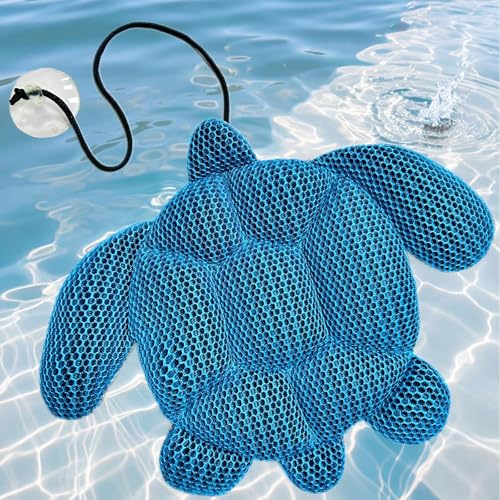
Floating oil absorbers offer an effortless mechanical method for capturing surface scum before it clogs pleated filter cartridges. The Banax Hot Tub Scum Absorber, shaped like a turtle, uses a reusable three-dimensional air grid structure to attract and trap cosmetic oils. Dropping an absorbent scum sponge into the water reduces the frequency of manual filter cleanings during freezing weather when outdoor garden hoses are winterized. Rinsing the sponge indoors maintains water clarity while extending cartridge filtration lifespans.
Winter filtration cycles should run for at least four to six hours daily to ensure uniform chemical dispersion and prevent thermal stratification. In cold climates, static water in uncirculated plumbing dead-legs can drop toward freezing even if the central footwell remains warm. Programmable circulation settings keep water moving continuously through the heater tube and across all jet manifolds. Regular circulation also prevents air locks from forming around pump impellers, ensuring smooth flow without triggering topside error codes.
Freeze Protection Safeguards and Equipment Cabinet Thermals
Most contemporary spa control systems feature integrated automated freeze protection software that monitors water and ambient cabinet temperatures. When onboard sensors detect temperatures approaching forty degrees Fahrenheit, the system automatically activates low-speed circulation pumps and heaters. Spa owners should verify that freeze protection parameters remain enabled on the topside control panel before freezing weather arrives. Keeping the default water setpoint at or above ninety-eight degrees provides a substantial thermal reserve during minor electrical disruptions.
Inspect your equipment compartment before winter to ensure insulating barriers and cabinet access panels fit snugly without air gaps. High-density expanding polyurethane full-foam insulation holds heat within the cabinet, keeping plumbing manifolds warm through residual pump motor heat. Perimeter barrier designs that rely on reflective thermal foil require tightly sealed cabinet seams to stop cold drafts from chilling pump volutes. Installing foam weatherstripping around access doors prevents freezing wind from penetrating sensitive mechanical bays.
During extended winter power outages, acting promptly can prevent costly plumbing repairs. Keep the insulated cover tightly strapped down to trap existing thermal energy, which can sustain safe water temperatures for up to two days. In severe cold snaps lasting longer than twenty-four hours, placing an incandescent work light inside the equipment cabinet can keep pump wet ends from freezing. Never run fuel-burning heaters inside enclosed spa cabinets due to serious fire and toxic fume hazards.
Step-by-Step Procedure for Complete Seasonal Winterization
If you choose to shut down your spa for the season, a meticulous draining and blowout process is essential to avoid trapped water freezing inside pipes. Begin by shutting off the dedicated circuit breaker at the main electrical panel and the secondary outdoor GFCI disconnect switch. Opening the primary cabinet access panel exposes the plumbing unions, drain valves, and pump housings that must be drained. Never attempt to winterize equipment while electrical lines remain energized, as accidental pump activation damages mechanical seals.
Drain the water completely using the bottom drain spigot or accelerate the process using a submersible utility pump placed in the lowest footwell. Once the main tub body is empty, remove all filter cartridges from the skimmer well and store them indoors after a thorough cleaning. Use a wet and dry shop vacuum set to blower mode to force remaining water out of every individual jet nozzle and suction fitting. Systematically working from the highest seat to the lowest drain ensures water trapped in internal looped lines is fully evacuated.
Loosen the quick-disconnect unions connecting the PVC plumbing to the heater tube and circulating pump wet ends. Remove the threaded drain plugs located at the bottom of each pump volute to allow water to drain from the internal impellers. Siphoning residual water from the footwell with a towel or shop vacuum leaves the acrylic floor completely dry and protected against surface staining. Pouring non-toxic propylene glycol spa antifreeze into open filter standpipes and jet openings provides an added safety cushion against residual moisture.
Managing Heavy Snow Accumulation and Wind Loads
Excessive snow accumulation places substantial static weight loads on spa covers, threatening to crack structural foam cores along center hinges. Fresh, dry snow weighs roughly seven pounds per cubic foot, while wet, compacted snow can exceed twenty pounds per cubic foot. When accumulated snow melts partially and freezes into solid ice, the localized weight can crush internal foam inserts and tear vapor barriers. Clearing snow promptly after major winter storms prevents structural sagging and preserves your cover insulation rating.
Always use a soft-bristled push broom or a specialized foam snow rake to gently sweep snow from the top of your cover. Metal shovels, plastic scrapers, and garden tools have sharp edges that easily puncture heavy-duty Oxford fabrics, waterproof vinyl coatings, and protective caps. Sweep in deliberate, outward strokes from the center toward the perimeter edges to avoid concentrating weight in the middle of the spa. Securing the perimeter with dual drawstrings and buckle straps keeps high winds from tearing the protective cap loose.
Post-Freeze Inspection and Spring Restart Preparation
When warmer spring weather arrives, performing a thorough mechanical inspection before refilling prevents sudden leaks and electrical faults. Begin by removing the exterior protective cap, inspecting its canvas for tears, and allowing it to dry thoroughly before folding it for summer storage. Examine the hard cover for signs of water absorption, checking whether the core remains lightweight and free of mold or hinge damage. Inspect all external cabinet panels for moisture warping or loose fasteners caused by expanding winter frost.
Open the equipment compartment to visually inspect PVC plumbing unions, pump volutes, and heater connections for hairline cracks or loose fittings. Hand-tighten all plumbing unions securely, ensuring internal O-rings sit flush within their grooves without pinching or dry cracking. Reinstall all pump drain plugs with a light coating of silicone lubricant applied to their threads to guarantee watertight seals. Reinsert clean filter cartridges into the skimmer housing, verifying that the intake weir door moves freely without binding.
Always refill your hot tub by placing the garden hose directly into the filter well rather than dropping it into the central footwell. Filling through the filter compartment forces trapped air out through the jet lines, preventing stubborn air locks in the circulation pump. Once water reaches the designated fill level, restore power at the main breaker and test the outdoor GFCI button to confirm electrical safety. Proactive seasonal maintenance, proper physical shielding, and vigilant water care ensure your spa remains an energy-efficient oasis through the coldest winter months.





Write Your Review
No reviews yet. Be the first to share your experience!