
Stepping out to your outdoor spa for a relaxing hydrotherapy session should bring immediate tension relief, yet encountering a thick layer of frothy scum quickly ruins the experience. Knowing how to get rid of hot tub bubbles requires understanding whether you are seeing harmless aerated jet action or a build-up of chemical surfactants and organic waste. When high-speed therapy pumps activate, oils and residues reduce water surface tension, whipping dissolved contaminants into lingering foam rafts that refuse to pop. Securing your investment with a durable weather-resistant patio spa cover protects the water from airborne debris, but internal water chemistry remains the primary battleground.
Persistent bubbles often point toward a complex combination of low calcium hardness, improper sanitizer residuals, high total dissolved solids, and accumulated bather oils from lotions or laundry detergents. Addressing these surface rafts involves both immediate corrective measures, such as liquid foam reducers, and ongoing mechanical collection with oil-absorbing sponges. Balancing total alkalinity between 80 and 120 parts per million alongside proper pH stabilization provides the chemical foundation needed to prevent recurring froth. With targeted water care practices, dedicated filtration cycles, and routine line purging, you can restore crystal-clear soaking conditions without enduring constant water quality frustrations.

Comprehensive Strategy for Clearing Persistent Spa Foam and Surface Bubbles
Eliminating stubborn surface foam requires a methodical diagnostic approach before adding corrective chemicals to your water. Determining whether bubbling stems from normal hydrotherapy aeration or surfactant contamination establishes the right corrective course. When water balance drifts or bather waste builds up, bubbles cling together instead of popping, creating an unappealing blanket across your acrylic shell. Following a systematic remediation plan restores crystal-clear water and protects your internal circulation equipment from ongoing stress.
Distinguishing Normal Aeration from Problematic Surface Foam
Every hot tub owner needs to distinguish between healthy hydrotherapy aeration and problematic surface foam. Therapeutic jets utilize venturi air injectors that draw ambient air into pressurized water streams to create invigorating massage action. These aerated water bubbles typically rise to the surface and burst within seconds after you turn off the jets. When the circulation system functions properly, the water surface returns to a calm, mirror-like state almost immediately.
Problematic surface foam behaves differently because chemical surfactants artificially stabilize floating air pockets. Instead of bursting, these bubbles build into dense, creamy rafts that linger across the water line even after the pump powers down. This foam often displays an off-white or yellowish tint and feels slick between your fingers. High surface tension caused by dissolved contaminants prevents bubble walls from rupturing, trapping air in an unsightly crust along the acrylic shell.
A simple visual check helps confirm whether your spa has normal aeration or chemical contamination. Turn off all topside air control dials to eliminate ambient air intake while leaving the low-speed pump running. If the water surface clears completely within one minute, your jets are simply aerating properly under open venturi suction. If a persistent spongy film remains floating across the water, chemical contaminants and organic surfactants require immediate treatment.
Primary Chemical and Organic Causes of Hot Tub Foam
Bather load represents the most frequent pathway for unwanted surfactants entering residential spa water. Common personal care items like moisturizing lotions, body sprays, deodorants, cosmetics, and hair conditioners readily wash off warm skin into the water. Standard laundry detergents trapped in swimsuit fibers also introduce potent sudsing agents into the closed circulation loop. Because a hot tub holds a small volume of heated water, minor concentrations of these compounds quickly reduce surface tension.
Imbalanced mineral levels also directly accelerate excessive bubbling across the water surface. Low calcium hardness, which indicates soft water below 150 parts per million, makes water light and prone to aggressive frothiness. When soft water combines with erratic pH fluctuations outside the recommended 7.2 to 7.8 range, sanitizer efficacy drops significantly. Without sufficient active sanitizer, organic contaminants accumulate unchecked and form lingering foam blankets during normal jet operation.
Total Dissolved Solids and deep plumbing biofilm also contribute to chronic water foaming. As dissolved minerals and organic byproducts push total dissolved solids beyond 1,500 parts per million above tap water levels, chemical efficiency plummets. Meanwhile, microbial colonies shielding themselves beneath internal pipe slime shed organic material into high-speed water streams. These biological and chemical residues create stubborn bubbles that resist simple surface skimming until addressed at the plumbing level.
Fast-Acting Defoaming Treatments and Safe Application
When unexpected foaming strikes right before an evening soak, liquid defoamers deliver rapid visual relief. Specialized surface-active compounds destabilize the structural tension of floating bubble walls on contact. Formulas like Hot Tub Things Spa Defoamer Foam Remover feature a non-silicone base designed to eliminate foam caused by soaps, lotions, and oils without leaving oily residues on acrylic surfaces. The manufacturer notes that this treatment restores clean water and keeps spas foam-free in under thirty minutes.
Careful dosing is essential when introducing any liquid defoamer into your hot tub. Adding one capful directly over circulating water allows the product to disperse evenly across the surface and break up visible rafts. Overdosing defoaming chemicals can clog fine cartridge pleats and temporarily reduce filtration efficiency. Maintaining active water circulation during application ensures that the compound treats the entire water volume rather than settling in stagnant corners.
Spa owners must remember that liquid defoamers provide immediate symptom control rather than a permanent cure for compromised water. While quality defoamers quickly break surface tension, they do not consume dissolved organic waste or correct low calcium hardness. Relying exclusively on chemical defoamers without balancing water chemistry means foam will reappear once the product dissipates. Treat defoamers as a convenient fast fix while preparing comprehensive chemical adjustments.
Mechanical Oil and Scum Capture with Hydrophobic Absorbers
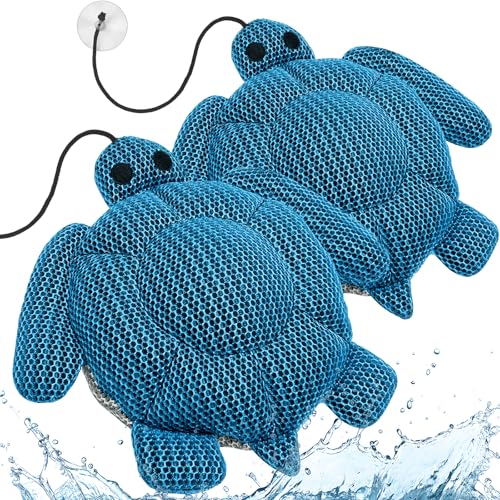
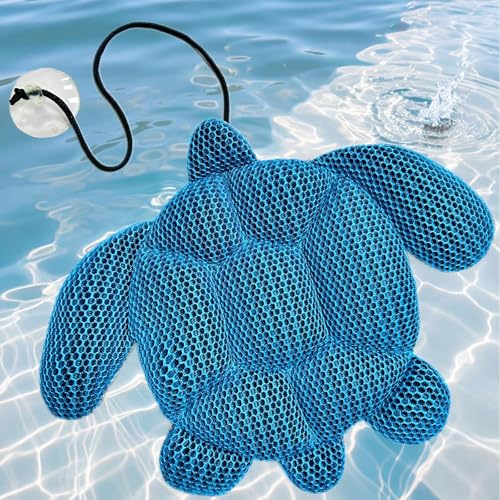
Mechanical scum absorbers provide a passive, chemical-free way to extract the oily precursors of spa foam. Hydrophobic materials naturally repel water while attracting non-polar substances like body oils, suntan lotions, and cosmetic residue. Specialized accessories like the Hot Tub Scum Absorber, 2Pack Reusable Scum Turtle utilize a 3D honeycomb mesh design and high-fill fiber volume to trap surface contaminants before they emulsify into thick lather. Floating directly on the surface, these absorbers intercept grime before it coats your water line.
Strategic placement enhances the performance of physical scum collectors across both acrylic tubs and swim spas. Placing an absorber near the filter intake allows water currents to draw floating residues directly into the collection matrix. Products such as the Hot Tub Scum Absorber Hot Tub Sponge feature dual sinking and floating modes with washable 3D air grid structures to adapt to varying water circulation patterns. Capturing suspended oils mechanically reduces strain on your primary cartridge filtration system.
Maintaining reusable scum sponges preserves their oil absorption capacity over multiple soaking sessions. After every couple of uses, rinse the absorber thoroughly under cold running water to remove collected grime. Many reusable mesh designs can be washed in a washing machine on a delicate cold cycle, though you should always air dry them instead of using a dryer. Consistent cleaning prevents saturated oils from leaching back into your balanced water.
Water Rebalancing Steps to Eradicate Foam at the Source
Achieving stable chemical balance serves as the most reliable long-term defense against recurring spa bubbles. Test your water using reliable test strips or a liquid reagent kit to assess total alkalinity, pH, and sanitizer levels. Total alkalinity acts as a buffer against erratic pH swings and should be adjusted first to a target range between 80 and 120 parts per million. Once alkalinity stabilizes, adjust pH between 7.2 and 7.8 to maintain optimal sanitizer effectiveness.
Correcting low calcium hardness eliminates the soft-water frothiness that frequently confuses hot tub owners. Water with calcium hardness below 150 parts per million lacks sufficient mineral tension, causing aggressive foaming whenever jet pumps operate. Adding calcium chloride raises hardness to the ideal 150 to 250 parts per million range, firming up the water and suppressing bubble formation. Dissolve mineral granules in a clean bucket of water before pouring them into the spa with jets running.
Regular shock oxidation breaks down dissolved organic waste, dead skin cells, and chloramines that support surface foam. Dosing with non-chlorine oxidizer such as potassium peroxymonosulfate burns off organic residues without spiking sanitizer levels. For heavier contamination, an EPA-registered chlorine or bromine shock eliminates stubborn organic binders. Pairing this maintenance with an insulated spa cover with reliable warranty protection preserves water heat between treatments while allowing chemical byproducts to vent safely when cracked open.
Deep Filter Cartridge Degreasing and Flow Maintenance
A dirty or oil-saturated cartridge filter directly contributes to chronic surface bubbles and cloudy water. As water passes through pleated polyester media, microscopic fibers capture oily contaminants and cosmetic residue. When pleats become coated in greasy films, circulation flow drops, causing pump cavitation that draws extra air into the plumbing. Furthermore, water bypassing a dirty filter recirculates emulsified oils back into the seating area, where jet action whips them into frothy rafts.
Proper filter cleaning requires more than a simple surface rinse with a garden hose to break down oily deposits. While a targeted water nozzle dislodges loose sand and debris, embedded body oils bind stubbornly to synthetic fibers. Soak your filter cartridge in a specialized spa filter degreasing solution once each month to dissolve deep-seated oils. Never clean filter cartridges with household dish soap or laundry detergent, as residual soap will cause massive foaming upon reinstallation.
Inspecting the physical condition of your filter cartridge ensures reliable water flow through every heating cycle. Check the end caps for structural cracks, inspect the internal core for collapse, and verify that the pleat spacing remains even. If the fabric appears frayed or pleats remain discolored after a deep chemical soak, install a new cartridge. Clean, unrestricted filter media allows your circulation pump to operate smoothly, capturing fine debris before surface foam develops.
Plumbing Purges and Water Changes for Persistent Foam
When chemical treatments fail to eliminate persistent foam, draining and refilling the tub becomes necessary. Attempting to continuously treat saturated water with clarifiers and defoamers only increases the chemical load in the tub. Most residential portable spas require fresh water every three to four months under regular soaking schedules. Draining the tub resets your chemical baseline, removing accumulated dissolved solids, bather waste, and residual surfactants completely.
Before draining your spa, execute an enzymatic plumbing flush to clear hidden biofilm from internal piping. Add a dedicated pipe purge cleaner directly to the warm water and run high-speed hydrotherapy jets for twenty minutes. This flushing action dislodges bio-slime, scale, and trapped body oils from flexible plumbing lines and jet manifolds. The purged residue often forms a dark ring along the water line, confirming that deep plumbing contaminants have been dislodged.
Shut off power at the dedicated GFCI breaker panel before draining to protect your heating elements and pump seals. Drain the water using the gravity valve or a submersible pump, then wipe the acrylic shell using a non-foaming spa surface cleaner. Refill the tub by placing your hose inside the filter standpipe to purge air from plumbing runs and avoid pump air locks. Covering your spa with a foldable thermal spa cover speeds up heating recovery while you balance fresh water alkalinity and hardness.
Preventative Bather Protocols and Routine Maintenance
Smart bather habits offer the most cost-effective way to prevent unwanted hot tub bubbles before they start. Designate specific bathing suits exclusively for hot tub use to minimize soap contamination. Washing suits in household laundry machines deposits detergents, optical brighteners, and fabric softeners that instantly foam when heated and agitated. Instead, rinse dedicated spa suits in clean warm water and hang them to dry between hydrotherapy sessions.
Encouraging a quick pre-soak shower removes personal care products before bathers enter the water. A brief sixty-second rinse washes away body lotions, deodorants, perfumes, and perspiration that promote surface sudsing. Tying up long hair or wearing a swim cap also keeps conditioners and hair styling gels out of the circulation system. These straightforward habits reduce the organic load on your water, helping sanitizers work more efficiently.
Establishing a consistent weekly maintenance schedule keeps your spa water clean, clear, and inviting all season long. Test water chemistry several times each week, shock the water with non-chlorine oxidizer after heavy use, and keep reusable scum absorbers floating on the surface. Routinely rinsing filter cartridges and changing the water every quarter prevents dissolved solids from accumulating. Combining proactive water care with sensible bather habits ensures you enjoy peaceful soaking without frustrating bubble blankets.
Resolving persistent hot tub bubbles requires addressing both immediate surface symptoms and underlying water chemistry imbalances. Rapid defoamers provide swift visual relief before entertaining, while floating scum absorbers continuously trap organic oils. Restoring calcium hardness, degreasing filter cartridges, and conducting periodic plumbing flushes ensure long-term water clarity and smooth jet performance. Following these practical maintenance practices keeps your spa operating at peak efficiency, providing refreshing hydrotherapy every time you lift the cover.


Write Your Review
No reviews yet. Be the first to share your experience!