


Maintaining clean, inviting water in a portable spa requires consistent filtration, balanced water chemistry, and periodic water replacement. Over months of regular soaking, total dissolved solids accumulate until chemical sanitizers can no longer keep the water fresh and clear. Homeowners exploring how to drain a softub hot tub quickly realize that these lightweight, foam-core spas require a slightly different approach than rigid acrylic models. Knowing the correct evacuation steps protects your vinyl liner from damage and ensures your circulation system stays in peak condition.
Softub spas operate without a conventional bottom drain valve, so you must rely on siphoning or a submersible utility pump to empty the water. Powering down the dedicated HydroMate equipment pack before draining prevents pump dry-fire conditions that could ruin seals or overheat internal components. Pairing routine water refreshes with a reliable protective yard patio hot tub cover keeps outside contaminants out of your tub between soaks. Following a step-by-step procedure guarantees a quick drain, thorough interior wipe-down, and smooth refill without trapped air pockets.
Complete Step-by-Step Guide to Draining and Resetting a Softub
Draining a Softub hot tub every three to four months is essential for sustaining clean water and prolonging equipment life. Because Softubs feature a lightweight Polybond foam structure without a traditional bottom drain valve, you must create an external evacuation route. Siphoning or deploying a utility pump clears the water safely without stressing the foam walls. Mastering this routine preserves the marine-grade vinyl, prevents pump air locks during refill, and resets your sanitizing baseline.
Understanding Softub Architecture and Drainage Dynamics
Traditional acrylic hot tubs often include a threaded drain port recessed beneath the external cabinet, allowing gravity to empty the basin through a standard garden hose connection. Softub models diverge fundamentally from this framework by utilizing an uninterrupted Polybond high-density foam core wrapped in durable vinyl. This seamless wall engineering provides exceptional thermal insulation and structural flexibility, but it deliberately omits bottom penetrations to minimize leak vulnerabilities. Consequently, water evacuation must occur over the top rim of the tub.
The heating mechanism also sets these portable spas apart from standard hard-shell units. Softubs utilize a specialized HydroMate power pack that captures kinetic heat generated by the pump motor rather than using a standard high-wattage electric immersion element. Because the power pack sits beside the tub on an exterior pad, all water transfer occurs through dedicated suction and return wall fittings. Understanding how these mechanical components interact ensures you never run the circulation pump dry while attempting to empty the basin.
Power Isolation and Electrical Safety Preparation
Safety always dictates the initial phase of any spa maintenance routine involving water evacuation. Before introducing hoses or pumps into the water, you must completely disconnect electrical current to the HydroMate power unit. Softubs operate on a standard 115-volt line protected by an integrated ground fault circuit interrupter built directly into the power cord. Unplug this cord from the dedicated outdoor wall receptacle and secure the plug away from moisture.
Leaving the spa powered during a drainage procedure creates serious equipment risks. If the topside thermostat calls for circulation while the water level falls below the intake ports, the pump motor will pull ambient air rather than water. Running an unprimed pump without adequate water lubrication quickly warps mechanical shaft seals, melts plumbing unions, and leads to motor failure. Total power isolation eliminates accidental automatic cycling and protects you from electrical shock hazards while handling hoses.
Managing Waterline Scum and Residual Oils Before Emptying
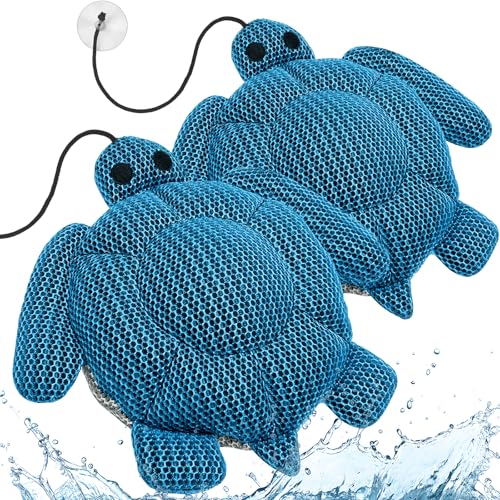
As water drops along the tub walls during evacuation, dissolved body oils, lotions, and organic residues cling directly to the exposed vinyl liner. If left unchecked, this scum line dries quickly against the surface, turning into a stubborn residue that requires intense scrubbing. Placing a dedicated oil-trapping sponge in the water during the final soaking cycles or immediately before draining helps collect floating surface contaminants. For example, using the Hot Tub Scum Absorber, 2Pack Reusable Scum Turtle lets you trap floating oils and cosmetics before they adhere to the upper waterline.
This turtle-shaped absorber uses a three-dimensional honeycomb mesh structure that floats on the surface to capture grime without releasing chemical residues into the water. Its design allows it to float freely across the surface or anchor in place using an integrated suction cup. Once water evacuation begins, keeping oil-absorbing tools active reduces the manual wipe-down effort required once the tub is completely empty. After completing the drain cycle, you can rinse the absorber under cold tap water or machine wash it on a delicate cold cycle for future use.
The Garden Hose Siphon Method for Silent Evacuation
The garden hose siphon technique represents the most accessible, zero-power method for emptying a Softub basin. To establish a functioning siphon, your discharge point in the yard or driveway must sit lower than the floor of the hot tub. Standard Softub models hold between 220 and 300 gallons of water, meaning natural gravity can clear the entire volume over several hours without generating motor noise. Select a clean, heavy-duty garden hose that resists kinking along the top edge of the foam wall.
To start the siphon easily, connect one end to an outdoor spigot while placing the open end at the bottom of the tub. Turn the water on for thirty seconds to push all air out of the hose. Once bubbles stop rising, shut off the faucet, disconnect the hose, and immediately place that end in your designated drainage area. Atmospheric pressure pulls water continuously out of the tub floor, taking roughly two to four hours to empty the entire volume.
Accelerating Drainage with a Submersible Utility Pump
If you need to empty your spa rapidly to beat incoming weather or perform quick maintenance, a submersible utility pump is the ideal solution. Most residential utility pumps evacuate between twenty and thirty gallons per minute, emptying a Softub in roughly ten to fifteen minutes. Attach a standard discharge hose to the pump outlet and direct it toward a suitable lawn area or storm drain, ensuring the hose runs flat without severe bends.
Protecting the soft vinyl interior requires gentle placement when handling motorized equipment. Never set a pump directly on the bare vinyl floor, as motor vibrations and hard plastic corners can scratch or puncture the liner. Place a clean microfiber towel or smooth rubber mat across the tub bottom to serve as a protective barrier before lowering the pump. Monitor the water level closely as it drops, immediately unplugging the pump when water reaches the bottom two inches to avoid dry-running the motor.
Clearing Residual Water and Sanitizing the Vinyl Liner
Neither a garden hose siphon nor a utility pump can remove every drop of water from the rounded contours of a Softub basin. A shallow puddle measuring one to two inches will remain pooled in the lowest depression of the tub floor. Use a soft, non-abrasive sponge or clean cotton towels to soak up this residual puddle and squeeze it into a bucket. You can also deploy a wet-dry utility vacuum equipped with a clean plastic nozzle to suction out the remaining liquid, taking care not to drag hard plastic edges aggressively across the liner.
Once the water is completely removed, inspect the bare vinyl surface for grease rings, mineral scale, or organic stains. Clean the entire interior using a soft microfiber cloth dampened with warm water and a specialized, pH-neutral spa surface cleaner. Avoid household dish soaps, glass cleaners, bleach, or abrasive scouring pads, as harsh detergents leave foamy residues and strip plasticizers from the marine vinyl. Wiping down the interior restores a fresh surface and ensures your new water starts free from bacterial contaminants.
Inspecting the HydroMate Pack and Plumbing Fittings
An empty hot tub offers an ideal opportunity to inspect the exterior HydroMate power unit and connecting plumbing lines. Softub systems link the exterior power pack to the basin through flexible rubber hoses secured by large plastic threaded unions and stainless steel hose clamps. Inspect these rubber flex-tubes for signs of dry rot, cracking, or mineral crusting around the connection joints. If you detect dampness or crusty residue at the unions, loosen the collars slightly, clean the internal O-ring grooves, and apply a light coat of food-grade silicone lubricant before re-tightening.
Examine the suction intake screens located inside the tub wall near the floor. These plastic grates prevent large debris or hair from entering the circulation pump and causing impeller jams. Remove any trapped hair or biological film from the grate slats using a soft nylon bristle brush. Ensure the screws securing the safety suction covers remain snug, confirming that the anti-entrapment covers meet appropriate safety standards before you begin introducing fresh water back into the spa.
Refilling Protocols to Prevent HydroMate Pump Air Locks
Refilling a Softub requires a specific technique to avoid one of the most common maintenance pitfalls: an air-locked circulation pump. When you drop a hose casually into the center of an empty tub, air gets trapped inside the plumbing lines connecting the HydroMate to the wall fittings. Because centrifugal spa pumps cannot compress air, a trapped air pocket prevents water from priming into the impeller. When powered on, the motor spins without moving water, quickly overheating the pump seals and tripping safety switches.
To guarantee an air-free prime, insert your garden hose directly into the lowest wall suction fitting or the filter intake canister. Flowing water through the plumbing loop pushes air ahead of it, expelling trapped pockets out through the upper jets. Once water reaches the base of the tub, you can let the hose fill the rest of the basin up to the recommended fill line. Verify the water covers all jet openings, then reconnect the GFCI cord to initiate smooth, uninterrupted circulation.
Balancing Fresh Fill Water Chemistry
Once fresh water fills the basin and circulation begins, you must balance your water chemistry in a precise sequence to protect both bathers and equipment. Fresh municipal or well water rarely arrives properly balanced for hot tub use, often carrying low alkalinity or excessive mineral hardness. Begin by testing total alkalinity using reliable liquid reagent drops or fresh test strips. Your target alkalinity range sits between 80 and 120 parts per million; adjusting alkalinity first creates a stable chemical buffer that prevents erratic pH swings later.
After stabilizing total alkalinity, evaluate and adjust your pH levels to rest comfortably between 7.2 and 7.8. Maintaining pH in this neutral window prevents skin and eye irritation while shielding the vinyl liner and pump mechanical seals from acidic etching or basic scaling. Next, test calcium hardness and adjust between 150 and 250 parts per million to keep the water chemically balanced. Finally, introduce your chosen EPA-registered primary sanitizer, such as sodium dichlor granules or bromine tablets, establishing a free sanitizer residual between three and five parts per million before your first soak.
Thermal Cover Management and Seasonal Freeze Protection
Because Softubs rely heavily on motor heat recovery rather than high-output immersion heating rods, an insulated, tightly sealed cover is vital for retaining temperature. Using an affordable foldable hot tub cover ensures that standby thermal energy remains trapped inside the basin during heating cycles. Tapered foam cores and snug perimeter skirts prevent heat from escaping around the foam rim, cutting down on continuous pump run times. Keeping your thermal cover buckled securely also blocks falling leaves, dust, and airborne debris that would otherwise exhaust your fresh sanitizer.
If you plan to drain your Softub for seasonal storage or winterization in freezing climates, water removal must be thorough. Freezing temperatures can rupture the internal plumbing loops, expand trapped water inside the HydroMate wet end, and crack expensive PVC fittings. After siphoning or pumping the basin dry, disconnect the HydroMate from the tub unions and tilt the power pack forward to pour out internal plumbing water. Use a wet-dry vacuum set to blower mode to force remaining moisture out of internal jet manifolds before storing the unit in a heated, frost-free garage.
Establishing a Sustainable Maintenance Routine
Adopting a regular draining schedule transforms hot tub ownership from a reactive chore into a predictable, low-stress routine. Most residential portable spas benefit from a full water change every ninety to one hundred twenty days depending on bather frequency. Monitoring total dissolved solids provides a clear scientific indicator of when water replacement becomes necessary; once dissolved solids exceed fifteen hundred parts per million over source water, sanitizers lose efficacy and water becomes cloudy. Committing to routine resets keeps your water pristine, lowers chemical consumption, and preserves your spa for years of relaxation.



Write Your Review
No reviews yet. Be the first to share your experience!