
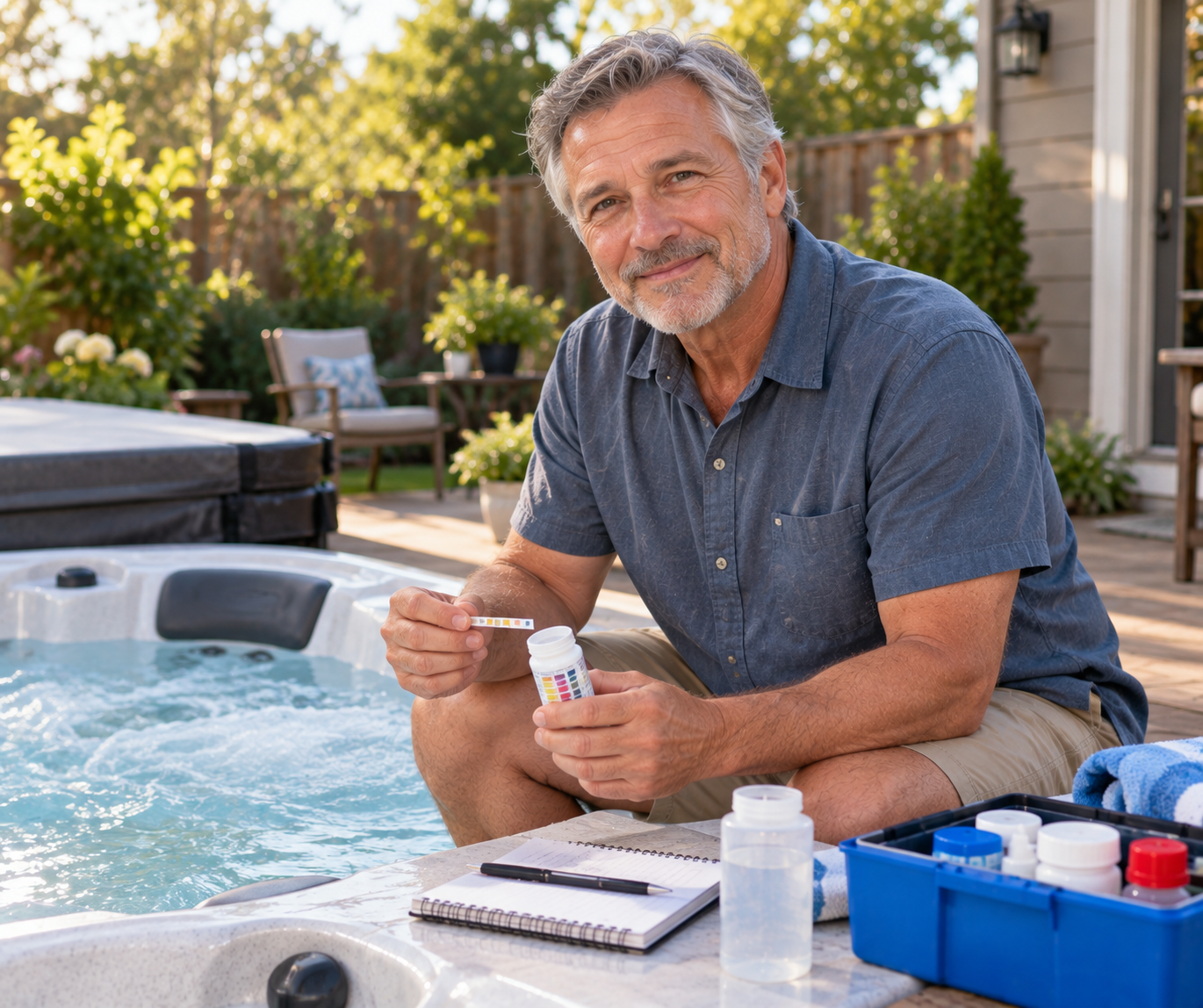

Portable spas offer a flexible way to bring soothing hydrotherapy into a backyard without the permanence of an acrylic installation. Homeowners often wonder how long does an inflatable hot tub last before making that initial investment. While high-end acrylic spas can endure for decades, portable air-filled models operate under entirely different material constraints. Understanding what influences their working life helps buyers set realistic expectations and protect their equipment over multiple seasons.
A standard inflatable spa generally survives anywhere from two to five years depending on care routines, climate exposure, and water balance. Equipping your setup with a protective yard patio hot tub cover can shield the outer skin from direct sun rays and falling yard debris. Puncture-resistant three-layer materials and automated freeze prevention systems provide substantial protection against unexpected structural damage. With consistent sanitizing habits and attentive seasonal storage, you can keep your portable hot tub running efficiently throughout its functional lifespan.


Pros
- Dual-layer cover system helps reduce heat loss and keeps blowing debris out of the spa water.
- Integrated GFCI plug adds essential electrical safety protection for outdoor 110-120V household outlets.
- Comes with practical ownership accessories including a protective PE ground mat and slide-on drink holder.
- Laminated PVC sidewalls feel firm and stable when properly inflated on a level base.
Cons
- Blower-driven air jets pull in ambient air, which causes water temperature to decline faster during active massage sessions in cool weather.
- The 73-inch square dimension comfortably fits 2 to 4 adults for extended soaking, despite the 4 to 6-person maximum rating.
- Requires frequent filter cartridge rinsing and manual water chemical testing to keep portable spa water balanced.
The SunSwell 73-inch inflatable hot tub is an all-in-one portable square spa designed for budget-conscious homeowners, renters, couples, and families who want backyard relaxation without committing to permanent plumbing or high installation costs. With its 73 x 73 x 25.6-inch footprint and 4 to 6-person listed capacity, this freestanding unit provides an approachable option for personal hydrotherapy. Rather than requiring dedicated 220V hardwiring, the system operates on standard electrical connections with built-in GFCI safety protection, making it convenient for setting up on a patio, reinforced deck, or level gravel pad.
Heat management is a critical factor in operating an outdoor portable spa, and this model addresses thermal efficiency through a dual-cover configuration. The package includes an inflatable inner bladder that floats directly on the water surface to block evaporation and speed up preheating, paired with a fitted exterior insulated cover equipped with safety locking buckles. This layered approach helps reduce ambient heat loss between soaking sessions and prevents leaves, windblown dirt, and rainwater from clouding the water. Combined with a 600W motor powering 120 to 130 soothing air jets and an integrated heater capable of reaching 104 degrees Fahrenheit, users can easily set their preferred soaking temperature for evening unwinding.
SunSwell builds the spa body from multi-layer laminated PVC material, which provides improved puncture resistance and dimensional stability compared to basic single-ply vinyl alternatives. The integrated vertical wall construction keeps the sidewalls firm enough to support bathers leaning back along the rim without structural collapse. Beyond the spa body, the manufacturer includes a thoughtful accessory bundle to simplify ownership. A dedicated PE ground mat protects the tub floor from abrasive concrete or rough ground, while a slide-on PU drink holder keeps beverages within easy reach. Ongoing water maintenance is supported by a detachable filtration unit that works with replaceable cartridges to continually circulate and clarify the water.
Installation is relatively straightforward and requires no specialized tools, utilizing the integrated motor to inflate the spa shell within minutes through the provided connection hose. Before filling, owners should confirm that the chosen site is completely level, free of sharp stones, and capable of bearing the heavy combined load of water and occupants. Daily ownership involves checking water sanitizer levels, rinsing the replaceable filter cartridge every few days, and securing the locking buckles on the exterior cover whenever the spa is not in use to preserve heat and prevent unwanted access.
Prospective buyers should keep realistic operational tradeoffs in mind. Because the bubble massage system utilizes ambient air fed through perimeter air holes rather than high-pressure water jets, running the bubbles during cool outdoor weather will cause the water temperature to drop more rapidly. Furthermore, while the manufacturer lists a 4 to 6-person capacity, comfortable soaking typically suits two to four adults with ample legroom. In freezing winter climates, operating a vinyl-walled portable tub requires extra attention to prevent water lines from freezing and to manage electrical heating demands.
For homeowners and patio entertainers looking for an affordable, movable spa complete with an effective thermal cover system, the SunSwell 73-inch portable hot tub represents an attractive entry point. It eliminates the complexity of permanent site preparation while delivering relaxing bubble massage and solid heat-retention accessories. Before buying, verify your exterior dimensions to ensure adequate clearance around the perimeter for walking, cover removal, and access to a grounded electrical outlet.
The dual-cover system is a standout feature for energy conservation on the SunSwell 73-inch portable spa. The first layer consists of an inflatable bladder that rests directly upon the water surface, minimizing dead air space, trapping steam, and cutting initial heat-up times.
The secondary outer cover fits over the tub rim and secures with adjustable locking buckles. This exterior barrier protects the vinyl rim from direct sun exposure, stops leaves and garden debris, and provides a physical closure latch to prevent the cover from blowing away in windy conditions.
Setting up the SunSwell spa requires selecting a smooth, completely level surface capable of bearing the full weight of water and bathers. Laying down the included PE ground sheet provides a protective barrier against punctures from tiny debris on concrete or patio pavers before inflating the tub with the supplied air hose.
Long-term water hygiene relies on the detachable filtration housing and replaceable filter cartridges included in the kit. Rinsing the filter pleats frequently with a garden hose and maintaining proper water sanitizer chemistry prevents scale accumulation on the internal heating element and keeps the 120-jet system running smoothly.


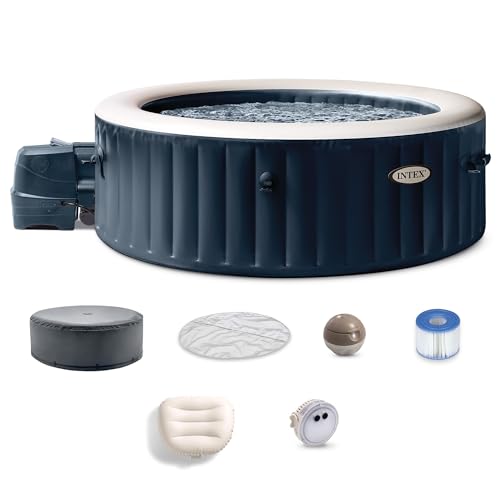

Pros
- Includes a specialized insulated cover engineered to retain water heat and reduce electrical operating demand
- Integrated Freeze Shield protects internal pump mechanics and water channels when overnight temperatures drop
- Bestway Connect app integration allows remote water preheating and timer programming straight from a smartphone
- ChemConnect dispenser distributes chlorine or bromine evenly without needing a loose floating chemical dispenser
Cons
- Compact 71-inch square interior dimensions can feel crowded when occupied by six full-sized adults simultaneously
- Initial water heating to 104 degrees Fahrenheit takes several hours on a standard plug-in electrical supply
- Soft-sided inflatable structure requires a smooth, debris-free base to prevent accidental punctures or ground wear
The Coleman SaluSpa Hawaii Energy-Efficient Inflatable Hot Tub is a square 71 by 71 by 28-inch portable spa designed for homeowners, renters, and families wanting a warm soak without installing permanent electrical wiring. Sized for four to six people, this model suits first-time spa buyers who prioritize straightforward assembly, lower energy overhead, and modern conveniences like mobile app control. Its square layout offers comfortable corner seating that fits cleanly onto standard patios or outdoor decking.
Heat retention is often the biggest hurdle with soft-sided spas, but the Hawaii addresses this with insulated walls and an insulated thermal cover. According to manufacturer specifications, this combination retains up to 40 percent more heat than similar standard inflatable hot tubs. This thermal design allows the unit to comply with APSP-14 and California Title 20 standards, ensuring legal efficiency compliance in states like California, Oregon, and New York. Keeping the cover secured between uses significantly reduces heat dissipation and cuts down on cyclic heater runtime.
Structural durability is supported by internal MaxHold fabric beams that maintain rigid sidewalls when users sit or lean back, surrounded by a puncture-resistant three-layer Tritech outer shell. For transitional seasonal weather, the integrated Freeze Shield automatic heating function prevents internal water from freezing in the pump and liner when outdoor temperatures plummet. While not intended for deep sub-zero winter freezes, this safety feature guards against unexpected overnight frost damage during early spring and late autumn use.
Controlling the spa is intuitive via the top-mounted digital pump interface or through the Bestway Connect smartphone app. Users can adjust the water temperature up to 104 degrees Fahrenheit, initiate the 140 AirJet massage bubbles, or schedule the power-saving timer up to 40 days in advance. Water sanitation is equally hassle-free thanks to the included ChemConnect dispenser, which mounts directly to an internal wall outlet to circulate chlorine or bromine tablets evenly across the water volume.
Prospective owners should factor in realistic operational limitations typical of 110-120V portable hot tubs. Heating a full tub from garden hose temperatures to the maximum 104 degrees takes extended time, and turning on the bubble massage draws in ambient air that naturally cools the water during brisk evenings. In addition, while listed for up to six individuals, four adults will experience much better legroom and overall seating comfort inside the 71-inch basin.
For backyard owners seeking an accessible, feature-packed spa with tangible energy-saving insulation, the Coleman SaluSpa Hawaii delivers excellent practical value. Before purchasing, verify that your chosen site provides a completely level 71 by 71-inch flat base, access to a dedicated outdoor GFCI outlet, and adequate surrounding clearance to comfortably remove and reinstall the insulated cover.
The included cover for the Coleman SaluSpa Hawaii is an insulated thermal barrier engineered to curb rapid heat loss through the water surface. Paired with the insulated spa walls, this construction is rated to perform up to 40 percent more efficiently in retaining heat than comparable non-insulated inflatable spas.
Because the unit meets APSP-14 and Title 20 efficiency requirements, it satisfies strict appliance efficiency mandates in states such as California, Maine, Oregon, and Washington. Fastening the insulated cover tightly after each soak protects the water from debris while significantly reducing the workload on the internal heater.
Setting up the Coleman SaluSpa Hawaii is straightforward thanks to the included digital pump, which inflates the 71-inch square spa body in minutes without auxiliary air tools. The installation area must be flat, level, cleared of sharp stones or twigs, and capable of supporting the full weight of the filled tub and occupants.
Routine maintenance centers around regular filter cartridge cleaning and consistent chemical balancing. The integrated ChemConnect dispenser mounts directly to the internal return jet, steadily releasing sanitizer tablets into circulating water to maintain clarity without floating obstacles in the soaking area.

Pros
- Complies with strict Title 20 and APSP-14 energy standards across California, Oregon, Washington, and New York
- Includes a dedicated insulated thermal cover that minimizes evaporative heat loss and blocks yard debris
- Freeze Shield automatic warming function guards water channels and the pump assembly against freezing weather
- Rugged 3-layer Tritech vinyl and internal MaxHold beam bracing resist punctures and structural sagging
Cons
- Exterior 71-inch diameter provides a comfortable soak for two adults, though rated for up to four people
- Gradual 110V water heating rate requires advance planning before the initial soak or after refilling
- Inflatable vinyl structure requires placement on a smooth, debris-free pad to prevent accidental punctures
The Coleman SaluSpa Miami Energy-Efficient 2.0 Inflatable Hot Tub provides an accessible, portable hydrotherapy solution for couples, small families, and first-time spa owners seeking relaxation without the permanence of a hard-sided acrylic unit. With an exterior measurement of 71 x 71 x 26 inches, this compact round spa accommodates two to four people comfortably on level patios, decks, or backyard pads. It combines a dedicated digital pump, an integrated 120-bubble AirJet massage ring, and an insulated cover system engineered specifically for lower energy consumption.
Thermal retention and regulatory compliance serve as central design priorities for this updated Miami model. Unlike standard entry-level inflatable hot tubs that rapidly lose heat through thin sidewalls, this unit features insulated walls and an insulated top cover engineered to improve heat retention by up to 40 percent. This design satisfies strict APSP-14 and Title 20 energy efficiency standards, making it fully compliant for purchase and operation in regulated states such as California, New York, Oregon, and Washington. The included cover helps lock in water temperatures up to 104 degrees Fahrenheit while keeping outdoor leaves, dirt, and airborne debris out of the water basin.
Structural durability relies on a puncture-resistant three-layer Tritech outer skin paired with MaxHold internal fabric beam architecture. The Tritech material utilizes a polyester mesh core encased between two layers of laminated PVC, providing resistance against surface abrasions, pet claws, and general patio wear. Internally, the MaxHold fabric beams maintain structural firmness and side-wall integrity, preventing the spa from bulging or sagging when occupants sit against the rim. While sturdy, owners must still place the tub on a smooth, debris-free ground cloth or protective mat to avoid sharp puncture hazards on concrete or gravel.
Routine operation and water care are streamlined through the multi-function pump and built-in maintenance components. The digital pump handles full inflation without requiring auxiliary air compressors, while also managing filtration, rapid heating, and massage blower functions from an easy-to-reach seated position. Water sanitization is supported by the ChemConnect chemical dispenser, which attaches directly to an internal jet nozzle to uniformly disperse chlorine or bromine tablets across the spa. Furthermore, the built-in Power-Saving Timer allows users to schedule heating cycles up to 40 days in advance to conserve electricity between planned soaking sessions.
Cold-weather functionality and space constraints represent the primary operational tradeoffs of this portable system. The Freeze Shield automatic heating system continuously monitors temperatures to prevent the pump, filtration housing, and vinyl liner from freezing in cold conditions. However, like most 110-120V plug-and-play inflatable hot tubs, heating times are gradual, and the water temperature may dip during extended use in sub-freezing weather when the bubble jets draw in cool ambient air. In addition, while rated for up to four individuals, the 71-inch exterior diameter offers the most comfortable, uncrowded soaking experience for two adults at a time.
Prospective buyers seeking an affordable, energy-compliant backyard spa will find the Coleman SaluSpa Miami 2.0 an attractive balance of comfort, convenience, and operating efficiency. Before purchasing, verify that your proposed setup site offers a level, weight-bearing surface close to a dedicated electrical outlet and measures at least six feet across to ensure adequate clearance for the tub and external pump housing.
The insulated cover and reinforced sidewalls of the Coleman SaluSpa Miami Energy-Efficient 2.0 play an essential role in keeping everyday electrical consumption manageable. By meeting APSP-14 and California Title 20 appliance standards, this spa is certified to retain heat up to 40 percent more efficiently than traditional non-insulated inflatable models.
Keeping the thermal cover properly latched between uses is critical to maintaining water temperature and preventing unnecessary cycling of the heating element. The fitted cover fastens securely around the rim to limit evaporative heat loss, deter outdoor wind uplift, and protect clean water from falling yard debris.
Proper site preparation ensures optimal longevity and stability for the 71 x 71 x 26-inch inflatable spa. Ensure the ground surface is completely flat, clear of sharp rocks or roots, and rated to bear the full weight of water and occupants.
Routine water care requires checking the filter cartridge and maintaining sanitizer levels via the integrated ChemConnect dispenser. Using the 40-day power-saving timer allows you to plan heating intervals around your lifestyle, while Freeze Shield mode safeguards pump plumbing when outdoor temperatures drop near freezing.
Realistic Lifespan Expectations and Longevity Factors for Inflatable Hot Tubs
An inflatable hot tub typically lasts between two and five years under standard residential operating conditions. Some heavily used budget models develop air leaks or mechanical errors after two seasons, whereas well-tended units with premium layered vinyl can push past five years. Because these spas rely on flexible polymers, internal air chambers, and compact exterior pump units, their longevity depends heavily on physical handling, chemical exposure, and weather conditions. Evaluating how these factors interact allows spa owners to maximize their soaking seasons before structural or electrical fatigue sets in.
Material Construction and Internal Structural Baffles
The outer shell and internal support system dictate how well an inflatable tub withstands constant water weight and bather loads. Most modern units utilize reinforced multi-layer materials, such as three-layer Tritech or heavy laminated polyvinyl chloride (PVC), which embed polyester mesh between tough vinyl skins. Internal structural integrity relies on horizontal I-beam channels or vertical Fiber-Tech polyester fibers that prevent the walls from bowing outward under hydraulic pressure. Over multiple seasons of repeated inflation and high temperature exposure, these internal baffles slowly stretch and can occasionally delaminate.
When internal baffle welds detach, localized bulges form on the sidewalls that cannot be repaired safely with surface patches. Structural distortion compromises water depth uniformity and exerts uneven stress across the remaining welded seams. Selecting models engineered with high-density internal reinforcement helps maintain wall rigidity when bathers sit along the rim. Proper air pressure management is critical because overinflating an inflatable tub places immense strain on these internal welds, especially as ambient temperatures rise during the day.
Manufacturer designs differ in how they approach interior chamber reinforcement across different price tiers. Premium models integrate thousands of high-strength polyester fibers that do not stretch over time, maintaining firm sidewall support year after year. Simpler circular air chambers provide cushioned comfort but remain more susceptible to gradual air loss and seam fatigue under continuous load. Understanding your tub internal construction helps you avoid sitting on weak sidewall sections that could accelerate internal seam failure.
Ultraviolet Sunlight Exposure and Vinyl Degradation
Unfiltered solar radiation represents one of the most aggressive environmental hazards for any outdoor vinyl product. Prolonged exposure to ultraviolet rays breaks down the flexible plasticizers embedded in polyvinyl chloride, causing the material to harden over time. As the vinyl loses its supple elasticity, it becomes brittle and prone to micro-fissures along high-stress crease lines and welded seams. You might first notice this deterioration as surface discoloration, a sticky exterior residue, or tiny surface cracks around the upper rim.
Shielding your portable spa with a dedicated thermal lid or a durable hot tub cover with warranty coverage significantly reduces direct ultraviolet degradation on vulnerable top surfaces. Positioning the spa beneath a pergola, patio awning, or sun canopy provides passive shade that prevents rapid plasticizer breakdown. When leaving a spa uncovered for extended afternoon periods, ambient heat compounds UV damage by expanding trapped air beyond safe internal pressure limits. Using outdoor UV protectant sprays specifically formulated for spa vinyl can also help extend the physical suppleness of the outer shell.
Water Chemistry Balance and Liner Wear
Aggressive water chemistry can destroy an inflatable spa liner far faster than natural weathering. Excessive sanitizer concentrations, particularly free chlorine levels held consistently above five parts per million, actively bleach and corrode synthetic PVC linings. Acidic water with a pH reading below 7.2 strips essential plasticizers from the vinyl, creating rough or brittle internal textures. Conversely, chronic high pH causes calcium minerals to precipitate out of solution, coating internal walls and pump components in coarse white scale.
Maintaining total alkalinity between 80 and 120 parts per million provides the necessary buffering capacity to keep your pH stabilized within the comfortable 7.2 to 7.8 range. Incorporating a foldable thermal spa cover helps prevent rapid water evaporation, which stabilizes chemical concentrations over prolonged soak cycles. Some advanced portable models incorporate integrated hard water treatment systems that apply electromagnetic fields to reduce harsh scale buildup on internal heating elements. Diluting chemical concentrates in a bucket of warm water before adding them prevents heavy, undissolved granules from settling directly onto the vinyl floor and bleaching the liner.
Exterior Pump Packs, Heaters, and Digital Controls
The mechanical hub of an inflatable spa houses the circulation pump, electric heater element, blower motor, and digital control circuit board. Because these compact heating units operate on standard 110-volt or 120-volt household lines, they utilize 1.3-kilowatt to 1.5-kilowatt heating elements that run continuously for extended periods. Operating in humid outdoor environments subjects internal fan motors, pressure switches, and ceramic pump impellers to steady operational wear. Mineral scale and hair debris represent common culprits behind low-flow errors, which trigger protective heating shutoffs to prevent thermal damage.
Rinsing cartridge filters weekly and replacing them every few weeks prevents backpressure restrictions that force the circulation pump to work harder. Popular portable models typically utilize accessible external pump pods that allow owners to inspect and clean internal filter screens with minimal disassembly. Moisture intrusion into the digital topside keypad or junction housing can cause button unresponsiveness or errant error codes. Keeping the pump housing elevated on a level surface away from standing puddles protects electrical contacts from premature ground-fault circuit interruptions.
Electrical safety and proper dedicated line supply play an essential role in preserving internal pump circuitry. Connecting an inflatable hot tub to an undersized extension cord causes voltage drops that overheat the motor windings and trip internal breakers. Most manufacturer specifications require plugging directly into a dedicated 15-amp or 20-amp grounded outlet equipped with a built-in GFCI safety plug. Providing stable voltage prevents erratic control panel behavior and protects sensitive microprocessor boards from power surges during peak summer or winter usage.
Winter Weather and Freeze Shield Protections
Sub-freezing ambient temperatures present severe structural and mechanical risks to water-filled inflatable hot tubs. When water freezes inside internal plumbing channels or pump volutes, it expands rapidly and can easily crack rigid plastic housings and tear flexible hose connectors. Many modern portable models feature automated freeze protection systems that engage the heating element and circulation pump whenever temperatures drop near freezing. This automated cycling prevents solid ice formation, allowing owners in moderate climates to extend their soaking window into late autumn.
Relying exclusively on 110-volt electric heaters in deep sub-zero conditions can overwhelm the system and spike monthly utility consumption dramatically. If ambient temperatures consistently dip below 40 degrees Fahrenheit, draining and packing the spa away indoors remains the safest longevity practice. Cold weather also makes the PVC liner stiff and brittle, meaning any folding or manipulation during freezing weather risks cracking the vinyl along structural seams. Thoroughly drying every moisture pocket before storing the deflated tub in a temperature-controlled garage or basement prevents mold growth and seam rotting over the winter.
Ground Preparation and Foundation Stress
The surface supporting an inflatable spa directly influences how evenly mechanical stress is distributed across its floor and perimeter seams. A standard four-person to six-person inflatable spa holds roughly 200 to 250 gallons of water, generating a total filled weight exceeding two thousand pounds. Placing this massive hydraulic load on an uneven lawn or gravel bed forces water pressure against one side, stretching seams beyond design limits. Sharp twigs, jagged rocks, or burrowing pests can easily pierce the bottom liner under this concentrated downward force.
Setting the spa on a flat, level concrete patio, reinforced deck, or dedicated interlocking high-density structural spa pad ensures equal weight distribution. Laying down a heavy polyethylene ground cloth or dense closed-cell EVA foam mat under the tub provides essential puncture insulation and thermal ground resistance. Verifying deck framing capacity beforehand prevents dangerous floor sag, as water-filled spas often generate structural loads exceeding seventy to ninety pounds per square foot. Taking time to clean the foundation area of all debris before inflating the liner prevents friction holes from developing beneath the tub bottom.
Filtration Cycles and Mechanical Maintenance Routines
Continuous water filtration protects mechanical pump impellers from abrasive suspended particles while keeping soaking water clear and sanitary. Cartridge filters on inflatable spas feature smaller surface areas than those found in permanent acrylic spas, requiring much more frequent servicing. When a filter cartridge clogs with body oils, suntan lotions, and organic matter, water flow drops significantly and trips thermal flow sensors. Operating a pump against a clogged cartridge forces the motor to draw higher amperage, generating excess heat that shortens the operating life of the motor bearings.
Rinsing the pleated filter every two to three days with a high-pressure garden hose removes surface sediment before it packs deep into the fabric. Replacing disposable filter cartridges every two to four weeks maintains steady flow rates and ensures optimal water sanitization. Running periodic plumbing flushes before draining the spa clears accumulating biofilm from internal bypass hoses and heating tubes. Routine water drainage every sixty to ninety days resets total dissolved solids, preventing mineral saturation that can damage pump seals over long-term ownership.
Water clarity management also requires supplementing standard filtration with routine non-chlorine shock oxidizers after heavy bather use. Organic contaminants like perspiration and skin oils bind quickly with active chlorine to form irritating chloramines that produce strong odors. Weekly oxidation breaks down these bound waste products without spiking free chlorine to harsh, liner-bleaching levels. Combining disciplined chemical dosing with rigorous filter hygiene keeps water fresh, reducing the frequency of total water dumps while extending the lifespan of mechanical seals.
Managing Inflation Pressure and Temperature Swings
Air pressure inside the vinyl walls fluctuates naturally as environmental temperatures rise during the day and fall at night. Filling an inflatable tub to maximum firmness on a cool morning can lead to dangerous over-pressurization once midday sunshine heats the trapped air. Excessive internal pressure stretches welded seam joints, creating weakened zones that eventually develop slow leaks or pinhole failures. Conversely, low air pressure allows the sidewalls to buckle inward when bathers lean back, putting awkward shear stress on bottom seam bonds.
Checking wall firmness by hand during temperature swings helps ensure the tub maintains comfortable structural rigidity without over-stressing seam glue. Releasing a small burst of air during scorching summer afternoons accommodates air expansion and preserves the integrity of internal chambers. In colder weather, adding a brief pump cycle of air compensates for thermal contraction so the tub retains its round or square shape. Using an integrated pressure relief valve or manufacturer pressure gauge provides visual confirmation that the chambers remain within specified operational tolerances.
Repairing Punctures Versus Irreparable Structural Failures
Minor pinhole punctures and surface abrasions do not automatically mean an inflatable hot tub has reached the end of its useful life. Most spa packages include heavy-duty PVC repair patches and underwater adhesives that can seal small accidental tears effectively. Identifying leaks requires spraying soapy water along suspicious wall areas and inspecting for expanding soap bubbles. Promptly patching isolated pinholes on flat wall sections restores airtight functionality and prevents moisture from penetrating internal fabric scrims.
Structural seam separations and motor pack electrical burnout present far more serious challenges that often dictate complete tub replacement. When welded seam bonds fail along high-pressure corners or bottom junctions, adhesive patches rarely withstand the outward force of heated water. Similarly, replacement pump motors or integrated heater assemblies for discontinued models can be difficult or expensive to source individually. When an aging spa begins developing multiple seam leaks alongside noisy pump bearings, investing in a fresh replacement unit becomes the more economical choice.
Inflatable Spas Versus Hard-Shell Acrylic Longevity
Comparing an inflatable spa to a permanent rigid acrylic hot tub highlights distinct differences in engineering, durability, and ownership commitment. Acrylic spas feature fiberglass-backed shells, heavy-duty frame cabinetry, and high-horsepower continuous pumps designed to last fifteen to twenty years or longer. Inflatable tubs offer unmatched portability, effortless plug-and-play installation, and initial budget friendliness, but their flexible vinyl skins have a finite operational window. Homeowners who rent, move frequently, or desire seasonal relaxation often find the two-to-five-year lifespan of an inflatable tub fits their lifestyle perfectly.
Recognizing that an inflatable spa represents an entry-level hydrotherapy solution allows buyers to enjoy relaxing bubble jets without unrealistic multi-decade expectations. Routine cleaning, attentive water balancing, and smart winter storage ensure you extract maximum value out of every soaking season. By protecting the liner from direct sun rays and managing inflation pressure diligently, you can keep your portable spa running reliably year after year. Careful stewardship transforms a modest portable spa into a soothing backyard retreat that delivers years of dependable comfort.


Write Your Review
No reviews yet. Be the first to share your experience!