
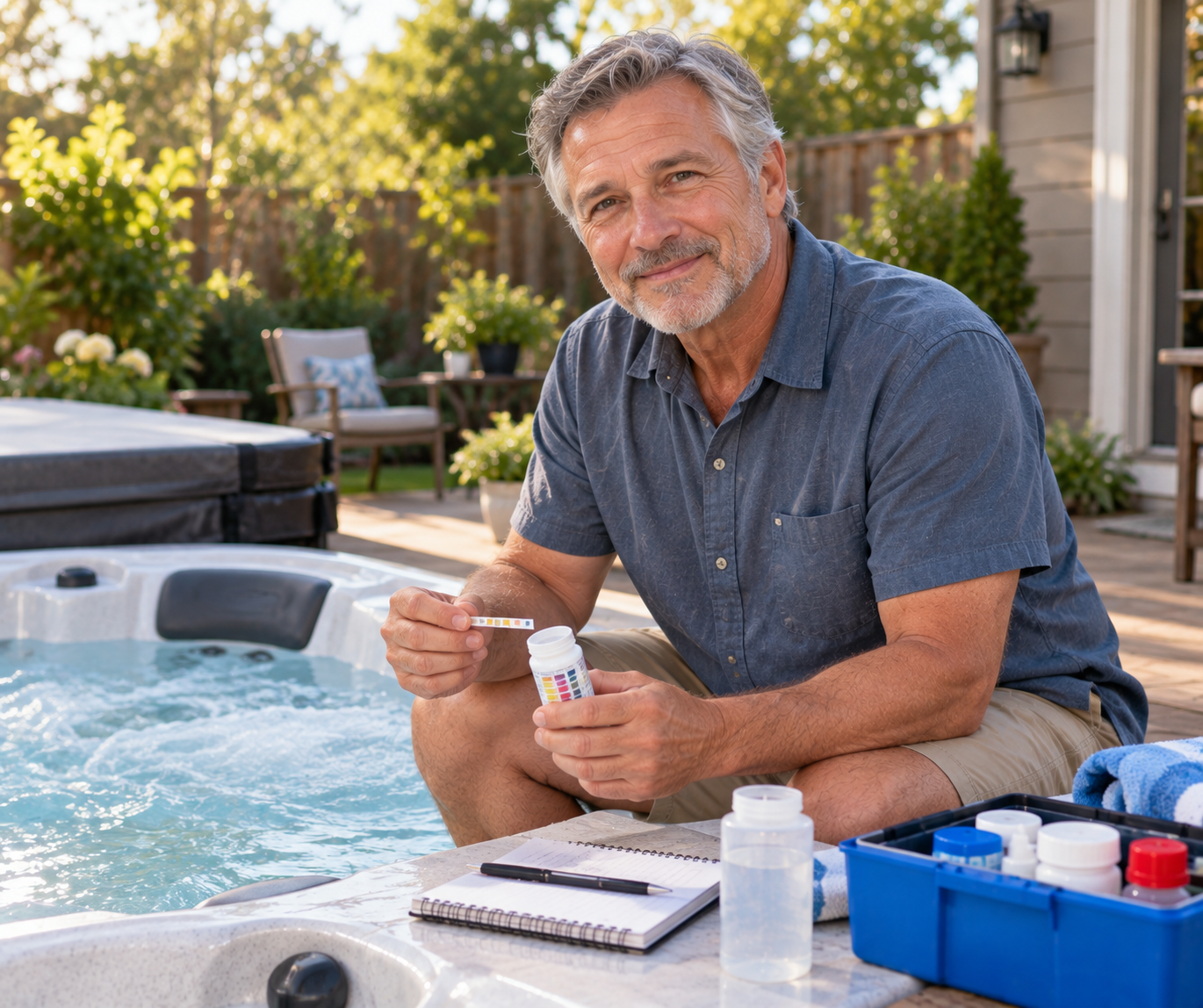

Living with chronic joint pain or morning stiffness can make simple daily tasks feel like monumental physical challenges. Warm water immersion offers a time-tested approach to easing persistent discomfort, leading many individuals to ask whether does a hot tub help arthritis in a meaningful, long-term way. When you immerse your body in heated water, the combined effects of thermal energy and natural buoyancy begin working on tight connective tissues right away. Pairing regular hydrotherapy with reliable accessories like a protective patio hot tub cover ensures your water stays consistently warm and ready for daily therapeutic sessions without unnecessary heat loss.
Water therapy serves as a non-pharmacological comfort strategy that eases stress on aching joints while promoting systemic blood flow throughout tired muscles. Physical therapists and rheumatology researchers frequently highlight how buoyancy reduces mechanical load on weight-bearing cartilage, allowing pain-free movement that might feel impossible on dry land. Understanding how water temperature, hydrotherapy jet pressure, and ergonomic seating interact can help you create a personalized soaking routine tailored to your physical capabilities. Taking a thoughtful approach to hot tub therapy can turn a standard backyard spa into a dependable sanctuary for ongoing joint maintenance and stiffness relief.


Navigating Hydrotherapy: How Warm Water and Jet Action Impact Arthritis
Submerging aching joints in heated spa water provides substantial temporary relief from arthritis symptoms by combining thermal energy, physical buoyancy, and hydrostatic pressure. This physiological combination reduces mechanical strain on cartilage, stimulates peripheral circulation, and encourages the release of muscular tension surrounding inflamed joint capsules. While a spa cannot cure underlying arthritic conditions like osteoarthritis or rheumatoid arthritis, consistent soaks can dramatically decrease everyday stiffness and expand pain-free mobility. Establishing a structured hydrotherapy routine allows chronic pain sufferers to manage discomfort effectively from the comfort of home.
The Physiological Triad of Heat, Buoyancy, and Hydrostatic Pressure
Thermal heat acts as a primary vasodilator, causing peripheral blood vessels to expand and deliver oxygen-rich blood to chronically tight joints. This influx of circulation accelerates the clearance of cellular metabolic waste while softening stiff collagen fibers in ligaments and tendons. When connective tissues become more pliable under warm temperatures, joint capsules experience less friction during articulation. Bathers often notice an immediate reduction in the dull, throbbing sensation that characterizes daily arthritic flare-ups.
Buoyancy counteracts the relentless downward force of gravity by displacing body mass according to Archimedes’ principle. Immersing yourself up to the neck unloads roughly ninety percent of your body weight from the spine, hips, knees, and ankles. This dramatic suspension removes compressive forces from damaged cartilage, allowing irritated articular surfaces to rest without mechanical friction. Hydrostatic pressure complements this unloading by applying gentle, uniform compression across submerged limbs, which assists in mobilizing stagnant fluid away from swollen synovial tissues.
Hydrotherapy Jet Dynamics and Targeted Soft-Tissue Massage
Hot tub therapy jets deliver concentrated mechanical stimulation that helps desensitize hyperactive pain receptors in surrounding muscle groups. High-velocity streams of water should never be aimed directly at bony, inflamed joints, as intense localized impact can irritate delicate joint capsules. Instead, users should direct rotary and pulsating jets toward the large muscle groups that support and articulate those joints, such as the quadriceps, calves, glutes, and upper back. Relaxing these supporting postural muscles reduces secondary myofascial tension that often exacerbates arthritic joint aches.
Proper adjustment of jet diverter valves and air induction controls is critical when managing sensitive joints. Continuous-duty hydrotherapy pumps can produce formidable flow rates that might overwhelm sensitive bathers if left on maximum intensity. Dialing down air intake softens the massage stream into a gentle, soothing current that warms deep tissues without causing bruising or muscular guarding. Choosing spa models with open, barrier-free bucket seating rather than restrictive deep loungers also allows bathers with compromised hip or knee flexibility to reposition themselves freely.
Critical Safety Parameters: Temperature Limits and Soak Durations
Maintaining safe water temperature is the single most vital precaution when using a hot tub for arthritis therapy. While standard spa thermostats allow water temperatures up to 104 degrees Fahrenheit (40 degrees Celsius), that upper threshold can place excessive cardiovascular strain on users who soak daily. Most medical professionals and hydrotherapy guidelines advise setting the water between 100 and 102 degrees Fahrenheit for joint therapy sessions. This moderate range provides ample thermal penetration into deep tissues without inducing dangerous core hyperthermia or sudden drops in blood pressure.
Time management during a soak session is equally crucial for avoiding lightheadedness and heat-related exhaustion. Limiting therapy sessions to fifteen or twenty minutes prevents your core body temperature from rising to hazardous levels. Bathers should always keep a large bottle of cool water nearby and sip from it consistently throughout the soak to counteract fluid loss from perspiration. Exiting the spa immediately if you experience dizziness, nausea, or an elevated heart rate ensures that your therapeutic routine remains completely safe and restorative.
Spa-Safe Additives and Aromatherapy for Enhanced Muscle and Joint Comfort
Many spa owners seek supplemental soothing benefits by incorporating specialized additives designed specifically for hot tub use. Formulations like InSPAration 7494 HTX Rebuild Therapies Crystals provide hydrotherapy crystal blends packed with vitamins, minerals, and natural extracts tailored for active recovery and body treatment. These specialized compounds dissolve entirely in warm water, delivering therapeutic aromatic scents without altering water chemistry balance or leaving greasy residues along the acrylic waterline. Incorporating mineral-rich additives can enhance sensory relaxation while the warm water works mechanically on stiff connective tissue.
Similarly, using targeted blends such as InSPAration 7493 HTX Protect Therapies Crystals allows bathers to experience conditioning body care while soaking without creating unwanted chemical reactions in the spa plumbing. Standard grocery store Epsom salts and raw essential oils should never be poured into a portable hot tub because they can disrupt water balance, foul filter cartridges, and cause aggressive foaming. In contrast, products formulated specifically for spa environments dissolve completely and stay compatible with modern sanitizers. These hydrotherapy crystals support muscle and joint relief while preserving the clarity of your water.
For bathers interested in plant-derived aromatic properties, options like Leisure Time 45455, Aromatherapy Relax for Spas utilize terpene-infused Epsom salt crystals enriched with aloe and vitamins C and E. Terpenes are bioactive aromatic compounds naturally present in botanical sources that provide targeted aromatherapy to promote soothing physical relaxation. The calming citrus lemongrass scent helps ease mental tension while the dissolved minerals support muscle and joint relief. Because this product is engineered specifically for hot tubs, it delivers comforting skin nourishment without clogging filtration pleats or foaming the water surface.
Maintaining Pristine Water Quality for Frequent Therapeutic Soaking
Individuals using a spa for daily arthritis relief expose their water to higher bather loads, making strict water care essential to protect sensitive skin. Daily immersion in imbalanced water can cause severe skin irritation, dryness, or hot tub folliculitis, which quickly spoils any hydrotherapy benefits. Maintaining a steady pH between 7.2 and 7.8 alongside total alkalinity between 80 and 120 ppm ensures that your sanitizers function effectively without irritating mucous membranes. Protecting your water between uses with a durable insulated hot tub cover keeps organic debris out while locking in thermal energy for prompt, efficient heating.
Regular sanitization using EPA-registered biocides like chlorine or bromine remains non-negotiable for keeping therapeutic water free of harmful microorganisms. Supplemental systems such as ozone generators or UV-C chambers assist by breaking down organic matter, but they do not replace the need for an active residual sanitizer. Shocking the spa weekly with non-chlorine oxidizer destroys accumulated bath oils and perspiration without generating harsh chloramine odors that can aggravate respiratory tracts. Rinsing your cartridge filters every couple of weeks ensures continuous circulation and prevents flow errors that could halt heating cycles.
Physical Accessibility: Steps, Handrails, and Entry Logistics
Navigating high acrylic spa shells can present a daunting slip-and-fall hazard for individuals experiencing limited knee flexion or balance issues. Investing in heavy-duty exterior spa steps equipped with non-slip treads and a securely mounted handrail provides crucial support during ingress and egress. The transition into warm water should always occur slowly, allowing your joints and cardiovascular system to acclimate without sudden jarring movements. Placing slip-resistant rubber mats around the perimeter of the base pad prevents slick outdoor surfaces from causing accidental falls.
Managing heavy spa covers can also present a painful barrier for those with arthritis in their hands, wrists, or shoulders. Water-saturated covers become heavy and difficult to maneuver, which often discourages regular therapeutic use. Equipping your spa with a foldable thermal spa cover paired with a pneumatic or hydraulic cover lifter eliminates physical lifting strain completely. A smooth mechanical lifter allows you to slide the cover open effortlessly using minimal upper-body exertion, ensuring that your daily soak remains an accessible, pain-free habit.
Gentle Low-Impact Mobility Exercises While Buoyant
Buoyant water immersion creates an ideal environment for performing gentle, non-weight-bearing range-of-motion exercises that lubricate arthritic joints. When gravity is largely eliminated, you can move your limbs through full articulating paths without grinding damaged cartilage surfaces together. Simple drills such as slow ankle rotations, gentle knee extensions, and seated leg lifts promote the production of synovial fluid inside joint capsules. Synovial fluid acts as natural biological lubrication, reducing internal friction and nourishing articular cartilage.
Upper-body mobility can also benefit immensely from low-resistance water movement while seated comfortably on a spa bench. Submerging your arms and performing slow wrist circles, gentle finger extensions, and controlled shoulder rolls helps unfreeze stiff connective tissue. Bathers should avoid aggressive stretching or pushing past their natural comfort threshold, as inflamed joints require gentle coaxing rather than forceful exertion. Spending five to ten minutes on fluid, continuous movements during the middle of your soak maximizes long-term flexibility without causing post-soak soreness.
Structuring a Sustainable Joint-Care Routine
Timing your hydrotherapy sessions strategically can make a profound difference in managing daily arthritis rhythms. Many individuals suffer most acutely from morning gel phenomenon, where joints feel rigid and unresponsive upon waking. A brief, fifteen-minute soak in the morning can loosen dormant muscles, warm connective tissues, and make morning dressing and movement substantially more comfortable. Alternatively, an evening soak about an hour before bedtime relaxes tight postural muscles and promotes restorative deep sleep by initiating a natural post-soak drop in core body temperature.
Consistency remains far more effective than sporadic, prolonged soaking sessions when managing chronic musculoskeletal conditions. Engaging in short, regular hydrotherapy sessions three to five times per week provides predictable symptom control and steady mobility improvements. It is essential to consult your rheumatologist or primary care physician before initiating a hot tub therapy program, especially if you have high blood pressure, vascular disorders, or peripheral neuropathy. When approached with proper medical guidance and safety precautions, a hot tub can become an invaluable daily partner in maintaining joint comfort and physical independence.
Warm water hydrotherapy provides a practical, evidence-backed strategy to relieve the daily stiffness, muscle guarding, and persistent aches caused by arthritic conditions. By utilizing natural buoyancy to unload joint weight and targeted water jets to soothe surrounding muscle groups, bathers can regain functional mobility in comfort. Pairing your soak with approved spa aromatherapy crystals, pristine water chemistry, and accessibility aids ensures every session remains both physically restorative and exceptionally safe. Adopting a sensible, structured soaking routine transforms routine spa ownership into a powerful, accessible component of your ongoing wellness lifestyle.





Write Your Review
No reviews yet. Be the first to share your experience!