

Swimming in a pool while a robotic cleaner is operating is generally not recommended by manufacturers. The primary concern is not the cleaning performance, but the physical and electrical risks associated with having a powered device moving in the water with people present. The can you swim with a robotic pool cleaner question usually arises from a desire to multitask, but safety protocols strictly advise keeping swimmers out of the water during active cleaning cycles.
Robotic pool cleaners are designed to operate autonomously, often using motorized brushes, suction ports, and navigation systems that can create unexpected movements or obstacles in the water. For corded models, the power cable presents a significant entanglement hazard, while cordless units still pose a risk of collision or obstruction. Following the manufacturer’s guidance is essential to prevent injury or damage to the equipment. Understanding these risks helps pool owners plan their maintenance schedules effectively, ensuring both a clean pool and a safe environment for users.



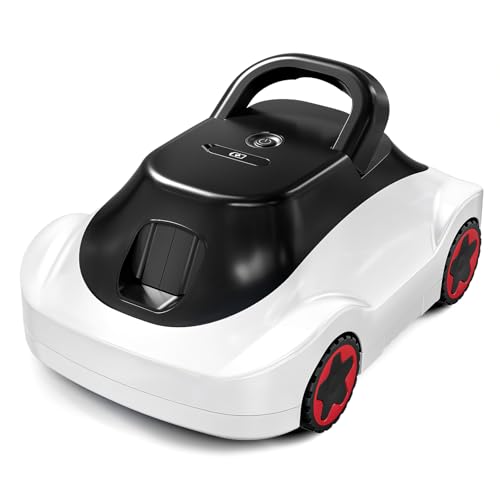

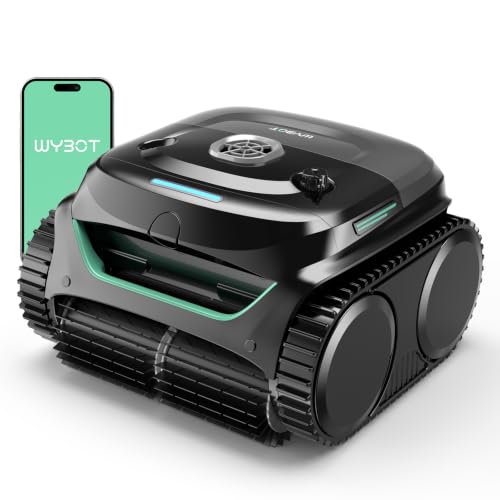
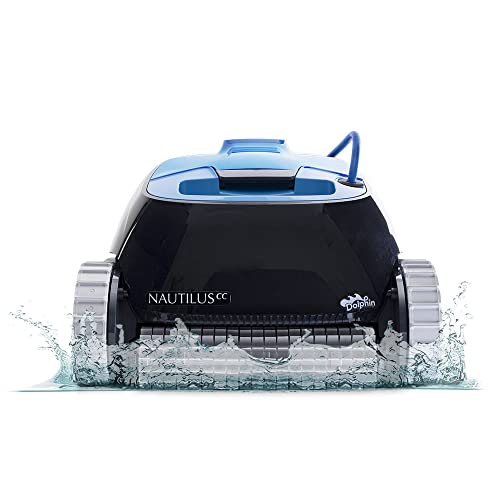

Understanding Safety Risks with Active Cleaners
The decision to keep swimmers out of the water during cleaning is rooted in specific mechanical and electrical hazards. Robotic cleaners are not passive objects; they are active machines with motors, moving parts, and in some cases, heavy power cords. The interaction between a human swimmer and a moving robotic unit creates unpredictable variables that standard pool safety guidelines do not account for. Manufacturers design these devices to operate in controlled environments where the pool is empty of people, ensuring that the cleaner can navigate without obstruction or interference.
| Risk Factor | Description | Severity |
|---|---|---|
| Entanglement | Power cords or hoses can wrap around limbs or hair | High |
| Collision | Physical impact from moving unit against swimmer | Medium |
| Electrical Fault | Water ingress into electrical components during use | High |
| Obstruction | Cleaner blocking exits or safety equipment | Medium |
Entanglement is a primary concern, especially for corded robotic cleaners. Even with swivel mechanisms designed to prevent tangling, the cable can still coil or wrap around a swimmer’s limbs or hair if they move against the current of the cleaner’s path. This risk is significantly higher than with static pool equipment. For cordless models, the risk shifts to physical collision and obstruction. A swimmer may not notice the cleaner approaching from below or behind, leading to accidental bumps or trips that can cause injury.
Electrical safety is another critical factor. While most modern robotic cleaners are designed with sealed motors and IP ratings to prevent water ingress, the presence of a powered device in the water with a swimmer introduces an additional layer of risk. If a fault occurs, the combination of water, electricity, and a human body creates a dangerous scenario. GFCI protection is standard, but it is not a substitute for keeping people out of the water during cleaning operations.
- Keep all swimmers out of the pool while the cleaner is operating.
- Do not attempt to retrieve the cleaner while swimming in the water.
- Ensure the pool area is clear of toys or floating objects before starting.
- Verify that the GFCI outlet is functioning correctly before each use.
- Follow the manufacturer’s specific safety instructions for your model.
Why Manufacturers Prohibit Swimming During Cleaning
Manufacturer warnings are not merely bureaucratic formalities; they are based on liability and safety engineering. When a robotic cleaner is in the water, it is performing a task that requires unobstructed movement. A swimmer in the water disrupts this process, potentially causing the cleaner to malfunction, get stuck, or behave unpredictably. This can lead to damage to the cleaner, which may void the warranty, and more importantly, it compromises the safety of the swimmer.
Additionally, the cleaning process often involves the use of chemicals or the circulation of water that may not be ideal for immediate swimming. While robotic cleaners do not add chemicals themselves, the act of cleaning often coincides with maintenance tasks that do. Ensuring the pool is empty allows for a thorough cleaning without the risk of chemical exposure or water quality fluctuations affecting the swimmer. The manufacturer’s guidance reflects a comprehensive approach to pool safety that prioritizes human well-being over convenience.
Electrical Hazards and Water Ingress Risks
Even with high-quality seals, no electronic device is completely immune to water ingress over time. Robotic cleaners are subjected to constant immersion, which can lead to gradual degradation of seals and gaskets. If a swimmer is in the water when a fault occurs, the risk of electrical shock increases.
The water acts as a conductor, and the presence of a powered device with a potential fault creates a hazardous environment. This is why it is crucial to inspect the cleaner for any signs of damage before each use and to ensure that all electrical connections are secure and dry.

The power supply unit, which is typically located outside the pool, also plays a role in electrical safety. If the power cord is damaged or if the outlet is not properly grounded, the risk of electrical hazards increases. Swimmers in the water are more vulnerable to electrical faults because their bodies are in direct contact with the water. By keeping the pool empty during cleaning, you eliminate this additional risk factor and ensure that any potential electrical issues can be addressed without endangering a person.
- Inspect the power cord for any signs of fraying or damage.
- Ensure the GFCI outlet is tested and functioning correctly.
- Check the cleaner’s seals for any visible cracks or wear.
- Do not use the cleaner if it has been dropped or damaged.
- Keep the power supply unit away from the pool edge and water.
Physical Obstruction and Collision Risks
Robotic cleaners are designed to move across the pool floor and walls, often at speeds that can surprise a swimmer. A swimmer who is not paying close attention may collide with the cleaner, resulting in bruises, scrapes, or more serious injuries. The cleaner’s movement can also be unpredictable, especially if it encounters an obstacle or changes direction suddenly. This unpredictability makes it difficult for a swimmer to anticipate the cleaner’s path and avoid a collision.
Furthermore, the presence of a robotic cleaner in the water can obstruct a swimmer’s exit from the pool. If the cleaner is positioned near the ladder or steps, it may block the swimmer’s path, increasing the risk of a fall or trip. This is particularly dangerous for children or elderly swimmers who may have difficulty navigating around obstacles. By keeping the pool empty during cleaning, you ensure that all exit points are clear and accessible, reducing the risk of accidents.
Impact on Water Quality and Chemical Balance
While robotic cleaners do not directly affect water chemistry, the timing of cleaning can influence water quality. Cleaning the pool while it is in use can stir up debris and sediment, temporarily reducing water clarity. This may not be immediately visible, but it can affect the swimming experience and potentially irritate sensitive eyes or skin. Additionally, the act of cleaning often coincides with other maintenance tasks, such as adjusting chemical levels or cleaning filters, which can further impact water quality.
By scheduling cleaning for times when the pool is not in use, you allow the water to settle and clarify before swimming. This ensures that the water is as clean and safe as possible for swimmers. It also allows you to perform any necessary maintenance tasks without the risk of interfering with the cleaning process or exposing swimmers to potential irritants. A well-scheduled cleaning routine helps maintain optimal water quality and ensures a safe and enjoyable swimming experience.
Best Practices for Safe Pool Cleaning Schedules
To maximize safety and efficiency, pool owners should establish a consistent cleaning schedule that aligns with pool usage. For example, cleaning the pool in the early morning or late evening, when the pool is less likely to be in use, can minimize the risk of accidents.
This approach allows you to clean the pool without the pressure of time constraints and ensures that the pool is ready for use when needed. It also gives you the opportunity to inspect the cleaner and the pool for any issues before the pool is opened to users.
Communicating the cleaning schedule to family members or guests is also important. Letting people know that the pool will be out of service during certain times helps prevent misunderstandings and ensures that everyone is aware of the safety protocols. This simple step can go a long way in preventing accidents and ensuring that the pool is used safely. By planning ahead and communicating clearly, you can create a safe and efficient pool maintenance routine that benefits everyone.
Ultimately, the safety of your pool users should always be the top priority. While it may be tempting to swim while the cleaner is running, the risks far outweigh the benefits. By following manufacturer guidelines, establishing a safe cleaning schedule, and communicating with pool users, you can ensure that your pool remains a safe and enjoyable place for everyone. For more information on maintaining your pool equipment, consider exploring our guide on pool care basics to stay informed and prepared.
Remember, a clean pool is a safe pool, but a safe pool is one that is free of hazards, including active cleaning equipment. Take the time to plan your cleaning routine, inspect your equipment, and follow safety guidelines to ensure that your pool remains a enjoyable and safe environment for all users. By prioritizing safety, you can enjoy the benefits of a clean pool without compromising the well-being of those who use it.




Write Your Review
No reviews yet. Be the first to share your experience!