
Many pool owners ask what a dolphin pool cleaner is because they want to stop spending weekends scrubbing floors and skimming leaves. The short answer is that it is a self-contained robotic vacuum designed to clean the pool floor, walls, and sometimes the waterline automatically. Unlike traditional suction-side cleaners that rely on your pump, these units have their own motor and filtration system, making them independent of your pool’s circulation setup.

Understanding the specific mechanics helps you decide if this technology fits your pool’s surface and size.
- Whether you have a vinyl-lined above-ground pool or a large gunite inground pool, the right model can handle debris ranging from pine needles to fine silt.
- The key is matching the cleaner’s capabilities, such as wall-climbing ability and filter micron rating, to your specific maintenance needs.
- This guide breaks down the components, operation, and practical considerations for owning one.


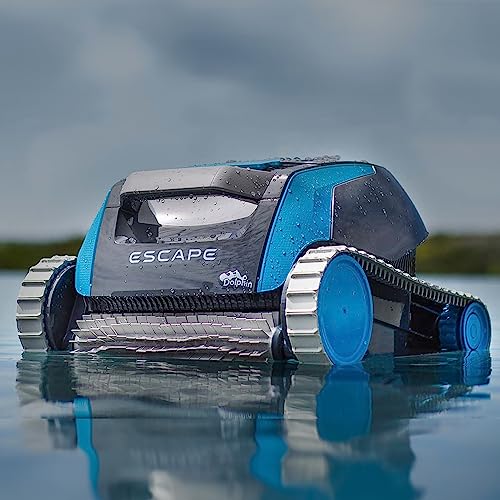

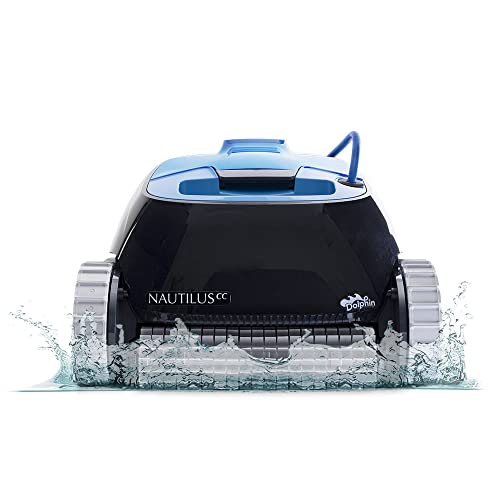

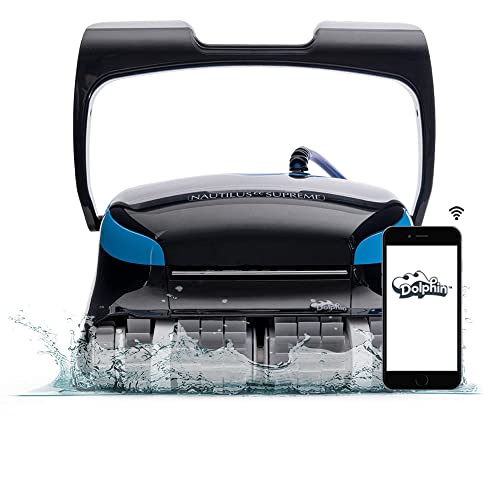
A Dolphin pool cleaner is a specialized robotic device that uses internal pumps to create suction, drawing water and debris into a filter basket. The brand, originally developed by Maytronics, has become a generic term for many high-quality robotic pool vacuums. These units are distinct from manual vacuums or suction-side attachments because they do not require a dedicated plumbing line or booster pump. They operate independently, which simplifies installation and reduces strain on your main circulation pump.
| Component | Function | Key Consideration |
|---|---|---|
| Drive System | Moves the unit across the pool floor and walls | Tracks vs. wheels for surface grip |
| Filtration Basket | Traps debris and fine particles | Coarse mesh vs. ultra-fine cartridge |
| Power Supply | Delivers electricity to the motor | Corded vs. battery-powered |
| Navigation Logic | Determines cleaning path | Random bounce vs. smart mapping |
The core difference between these robots and other pool cleaning methods lies in their autonomy. You plug the unit into a GFCI-protected outlet, lower it into the water, and it begins its cycle. The internal pump pulls water through the intake, passes it through a filter, and expels it back into the pool. This process captures organic debris like leaves and inorganic particles like sand. The filtration system is critical because it determines how clear your water remains after a cycle.
Most models feature a dual-layer filtration system. The first layer catches large debris like acorns and leaves, while the second layer traps fine silt and pollen. This two-stage approach prevents the pump from clogging and ensures that fine particles do not recirculate into the pool water. For pools with heavy organic debris, a larger basket capacity is beneficial. For pools with fine sand or silt, a higher micron rating filter is essential for maintaining water clarity.
Drive Mechanisms and Surface Compatibility
The way a robotic cleaner moves across the pool surface is defined by its drive mechanism. Most units use either rubber tracks or multi-wheel drive systems. Rubber tracks provide better traction on slick surfaces like fiberglass or glazed tile. They allow the unit to climb walls and scrub the waterline effectively. Wheel-based systems are often lighter and may be more energy-efficient but can struggle on steep slopes or smooth finishes.
Surface compatibility is a major factor in choosing the right model. Vinyl-lined pools require gentle handling to avoid tears or abrasion. Plaster and gunite pools are more durable but can be rough, which may wear down tracks faster. Fiberglass pools have a smooth gelcoat finish that can be slippery, so cleaners with enhanced grip features are often recommended. Always check the manufacturer’s listed compatibility for your specific pool surface type.
Wall-climbing capability is another key feature. Not all robotic cleaners can climb walls. Some are designed for floor-only cleaning, which is sufficient for small above-ground pools. Others are engineered to climb vertical walls and scrub the waterline. This is particularly useful for inground pools where algae and scum lines form at the waterline. If you want to eliminate manual brushing, look for a model with active scrubbing brushes and wall-climbing tracks.
Filtration Systems and Debris Capture
The filtration system is the heart of the cleaning process. It determines what size particles are captured and how much debris the unit can hold before the basket needs to be emptied. Most robotic cleaners use a basket or cartridge system. Basket systems are easier to clean because you can simply remove the basket and rinse it under a hose. Cartridge systems often require more careful handling but can trap finer particles.
Micron rating is a measure of the smallest particle size the filter can capture. A lower micron rating means finer filtration. For example, a 10-micron filter captures particles larger than 10 microns, while a 3-micron filter captures much finer silt. If your pool is in an area with heavy windblown dust or pollen, a finer filtration system will help keep the water clearer. However, finer filters clog faster and require more frequent cleaning.
Some models feature dual filtration, combining a coarse mesh with a fine cartridge. This setup is ideal for pools with a mix of large organic debris and fine inorganic particles. The coarse layer protects the fine filter from clogging, extending its life. When selecting a cleaner, consider the type of debris that typically enters your pool. If you have many trees, a larger basket capacity is important. If you have fine sand, a higher micron rating is necessary.
Navigation Technology and Cleaning Path
Navigation technology determines how the cleaner moves through the pool. Older models use a random bounce pattern, where the unit moves in a somewhat unpredictable path until it hits a wall or obstacle. This method can be effective but may not cover the entire pool evenly. Newer models use smart navigation, which uses sensors or gyroscopes to map the pool and create an efficient cleaning path.
Smart navigation is particularly useful for large or irregularly shaped pools. It ensures that every inch of the floor is cleaned without wasting energy on redundant paths. Some advanced models use Wi-Fi connectivity, allowing you to control the cleaner from your smartphone. You can schedule cleaning cycles, check battery levels, and monitor filter status remotely. This feature is convenient for busy owners who want to automate pool maintenance.
The cleaning cycle duration is another important factor. Most robotic cleaners run for 1.5 to 2 hours per cycle. This is usually sufficient to clean the floor of a standard-sized pool. For larger pools or those with heavy debris, you may need to run the cleaner for multiple cycles or choose a model with a longer runtime.
Cordless models have limited battery life, so it is important to check the runtime before purchase. If your pool is larger than the recommended size for a specific model, you may not get a complete clean in one cycle.
A closely related question is covered in polaris vs dolphin robotic pool cleaner, which may help alongside this section.
Power Supply and Installation Requirements

Most Dolphin pool cleaners are corded, meaning they require a power source to operate. The power cord is typically long enough to reach from the pool to a nearby GFCI-protected outlet. It is crucial to use a GFCI outlet to prevent electrical hazards. The power supply unit is usually a separate box that you plug into the wall and then connect to the cleaner. This unit often includes a timer, allowing you to schedule cleaning cycles automatically.
Installation is straightforward. You simply plug the power supply into the outlet, connect the cord to the cleaner, and lower the unit into the pool. There is no need to modify your pool’s plumbing or add a booster pump. This makes robotic cleaners a good option for pools with variable-speed pumps or low-horsepower circulation systems. Suction-side cleaners, by contrast, require a minimum pump flow rate to operate effectively. Robotic cleaners are independent of this requirement.
Cordless models are becoming more popular, but they have limitations. They are powered by rechargeable batteries, which typically last 1.5 to 2 hours on a full charge. This is sufficient for smaller pools but may not be enough for large inground pools. Cordless models are easier to store and transport because they do not have a long power cord. However, they are generally more expensive and may not have the same suction power as corded models. If you have a large pool, a corded model is often the better choice.
Maintenance and Care for Longevity
Regular maintenance is essential to keep your pool cleaner running smoothly. After each cycle, you should empty the filter basket and rinse it under a hose. This removes trapped debris and prevents clogging. If you use a cartridge filter, you may need to remove it and rinse it more thoroughly. Some cartridges can be hosed down, while others require a gentle scrub with a soft brush. Always follow the manufacturer’s instructions for cleaning the filter.
The drive tracks and brushes also need periodic inspection. Over time, debris can accumulate in the tracks, reducing traction. You can clean the tracks by removing them and rinsing them under water. Check the brushes for wear and replace them if they are frayed or worn down. Worn brushes are less effective at scrubbing the pool surface. Replacing brushes is a simple task that can extend the life of your cleaner.
Storage is another important aspect of maintenance. When not in use, store the cleaner in a dry, cool place. Avoid leaving it in direct sunlight, as UV rays can degrade the plastic and rubber components. A storage caddy is a useful accessory that keeps the cleaner organized and protects it from dust and debris. It also makes it easier to transport the unit to the pool. Proper storage helps prevent damage and ensures that the cleaner is ready to use when you need it.
Choosing the Right Model for Your Pool
Selecting the right Dolphin pool cleaner depends on several factors, including pool size, surface type, and debris load.
- For small above-ground pools, a floor-only cleaner with a basic filtration system may be sufficient.
- For large inground pools, a model with wall-climbing capability and smart navigation is recommended.
- Consider the maximum pool length and surface area specified by the manufacturer for your specific pool.
- If your pool is larger than the recommended size, you may need to run the cleaner for multiple cycles.
Surface type is also critical. If you have a vinyl-lined pool, look for a model with soft tracks and gentle brushes to avoid damage. If you have a plaster or gunite pool, a more robust model with strong suction and durable tracks is appropriate. Fiberglass pools require a cleaner with enhanced grip to handle the smooth surface. Always check the manufacturer’s compatibility list to ensure the model is suitable for your pool surface.
Budget is another consideration. Robotic pool cleaners range from a few hundred dollars to over a thousand. Higher-end models offer more features, such as Wi-Fi control, longer runtime, and advanced filtration. Lower-end models are more basic but still provide effective cleaning.
If you are on a budget, look for a model with a good filtration system and reliable drive mechanism. You do not need the most expensive model to get a clean pool, but investing in a higher-quality unit may save you money in the long run by reducing maintenance needs.
Common Issues and Troubleshooting
Even with proper maintenance, robotic pool cleaners can experience issues. One common problem is the cleaner getting stuck on obstacles like ladders, steps, or main drains. This can happen if the navigation system is not advanced enough to detect and avoid these obstacles. If your cleaner frequently gets stuck, consider a model with smart navigation or obstacle avoidance sensors. You can also adjust the cleaning path to avoid problem areas.
Another issue is poor suction or clogged filters. If the cleaner is not picking up debris, check the filter basket for clogs. Empty and rinse the filter regularly to maintain suction. If the problem persists, check the intake vents for blockages. You can use a soft brush to clear any debris from the vents. If the suction is still weak, the pump may need to be inspected by a professional.
Electrical issues can also occur, such as the cleaner not turning on or the power supply failing. Ensure that the power cord is securely connected to both the cleaner and the power supply. Check that the GFCI outlet is functioning properly. If the power supply has a timer, make sure it is set correctly. If the problem continues, the power supply unit may need to be replaced. Always use genuine or compatible replacement parts to ensure safety and performance.
For more detailed guidance on maintaining your pool equipment, you might find our guide on pool and spa maintenance helpful. While it focuses on hot tubs, many of the water balance and chemical care principles apply to pool cleaner maintenance as well. Keeping your pool water balanced helps protect the cleaner’s internal components from corrosion and wear.
Regular inspection and timely maintenance are key to getting the most out of your Dolphin pool cleaner. By understanding the components, operation, and care requirements, you can ensure that your pool stays clean and your cleaner lasts for years. Whether you choose a basic floor-only model or a high-end Wi-Fi-enabled unit, the right robotic cleaner can save you time and effort while keeping your pool water clear and inviting.
If this topic is part of a bigger decision, best selling maytronics dolphin pool cleaner is a useful related read.


Write Your Review
No reviews yet. Be the first to share your experience!