
Algae film and fine silt love to collect in shallow corners, making pool stairs look dingy long before the rest of the basin gets dirty. Standard automatic vacuums often skip entry ledges entirely or get stranded on bottom treads, leaving you with slippery surfaces that demand awkward hand scrubbing. Finding the best cleaner for pool steps helps you eliminate those slimy patches without breaking your back over a manual brush. Many pool owners pair their main suction unit with a specialized handheld vacuum or targeted waterline spray to keep entry areas safe and spotless. Maintaining sparkling water requires balanced care, much like managing the best hot tub for winter use during cold spells.
Heavy leaf fall and mineral deposits can quickly stain fiberglass, vinyl, and gunite treads if left untreated. Utilizing dedicated tools like cordless handheld vacuums with high-flow suction or gentle citrus stain removers prevents stubborn algae growth and discoloration. A reliable cordless pool vacuum saves pump run time, preserving equipment while lifting dirt from shallow ledges where larger units cannot tread. User feedback indicates that targeting these high-traffic shallow areas regularly keeps your entire pool cleaner with lower chemical demand.


Frequently Asked Questions About Pool Step Maintenance
Slippery algae film and gritty dirt often settle on narrow entry steps where large automatic machines cannot maneuver properly. Selecting the best cleaner for pool steps in 2026 ensures these high-visibility areas stay pristine and safe without endless manual effort.
Can robotic pool cleaners clean shallow pool steps automatically?
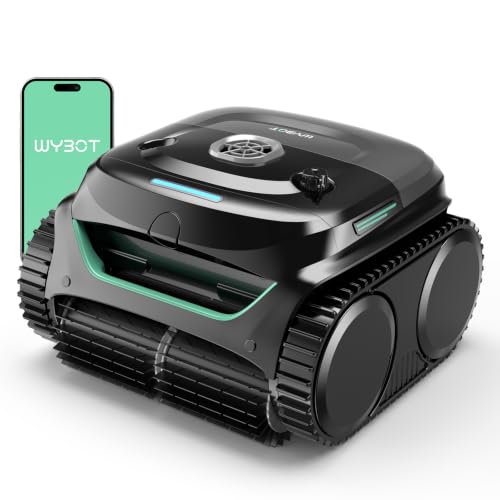
Direct Answer: No, most robotic pool cleaners cannot reliably navigate shallow pool steps. Robotic units typically need sufficient water depth to stay submerged and maintain sensor orientation, often reversing or stalling on shallow treads. For these areas, a dedicated handheld vacuum with a telescopic pole provides the precise suction needed to clear sand and dirt without tipping over.
Which cleaner type is safest for vinyl liner pool steps?
Direct Answer: Handheld cordless vacuums with soft bristles and non-abrasive liquid cleaners are safest for vinyl stairs. Wheeled automatic units can pinch or scuff delicate vinyl seams around step corners. Formulations like STAR BRITE Home Pool Waterline Cleaner Scum Remover lift oily residues safely without degrading vinyl liners or patterned finishes.
Why do suction-side pool cleaners get stuck on steps or ladders?
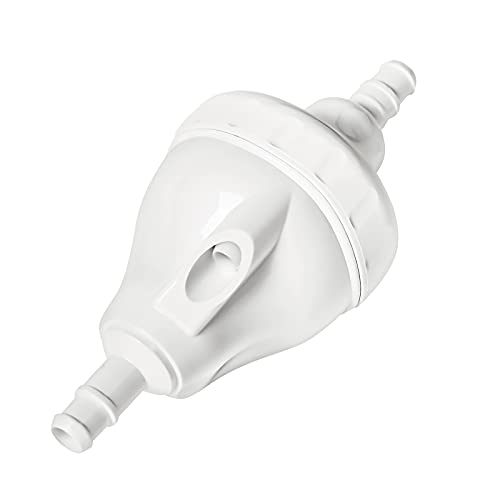
Direct Answer: Suction-side cleaners get stuck when step edges break their vacuum seal or trap their hoses. Cleaners like the Zodiac G3 Suction-Side Inground Vacuum Pool use a wheel deflector to negotiate tight corners, but narrow treads still cause hang-ups. Using a handheld spot cleaner prevents these suction stalls and protects your pool pump from dry-running strain.
How do you remove stubborn stains and calcium scale from pool steps?
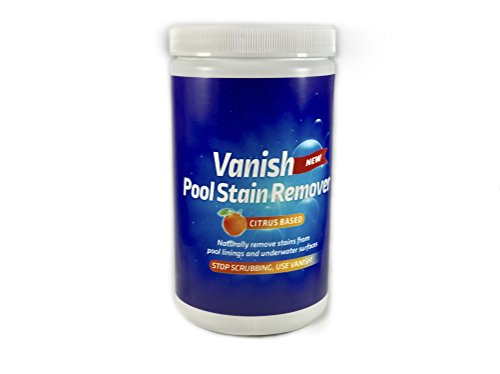
Direct Answer: Targeted chemical solutions formulated for minerals or metal stains offer the fastest results on submerged steps. Acid-free formulas like OCEANCARE Products Calcium Releaser dissolve mineral deposits, while Bosh Chemical Vanish Pool & Spa Stain Remover lifts tough rust marks without scrubbing. Just as regular water testing protects the shell of the best therapy hot tub, prompt step treatments prevent permanent surface etching.
What suction power is necessary to clean pool steps effectively?
Direct Answer: A flow rate between 15 and 20 gallons per minute easily captures typical step debris. Compact battery vacuums provide sufficient suction to pull sand and leaves without stirring up clouds of silt across your shallow end. High-mesh filter bags capture fine particles so dirt does not recirculate back into your pool water.


Write Your Review
No reviews yet. Be the first to share your experience!