
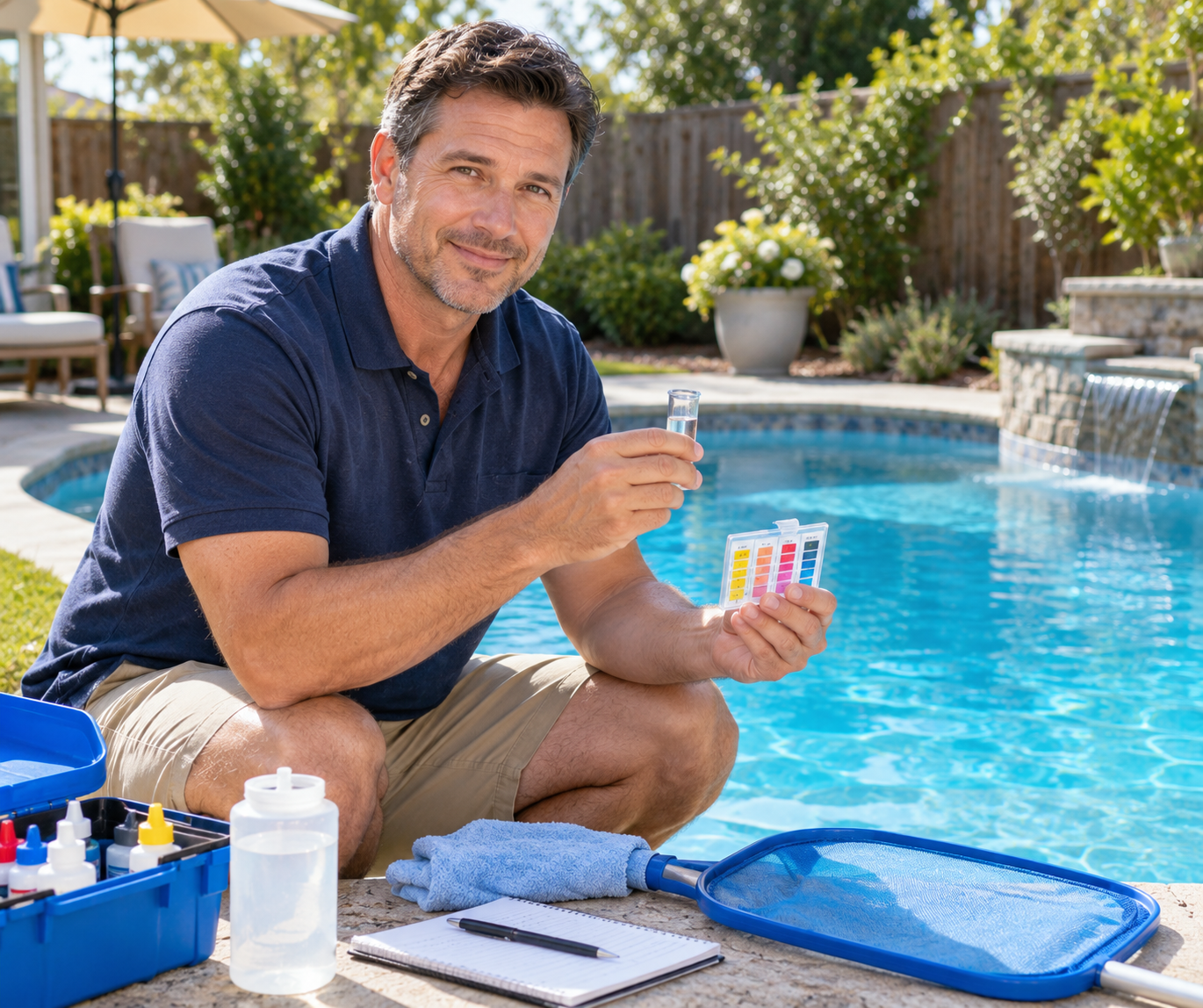

Most pool owners run their robotic cleaner 2 to 3 times per week during peak season to maintain optimal water clarity and prevent debris accumulation. The how often to use robotic pool cleaner decision depends heavily on your specific environment, such as nearby trees, local weather patterns, and the size of your pool.
A unit with a shorter runtime might require more frequent cycles to cover the same surface area effectively compared to a model with extended battery life. Establishing a consistent routine helps ensure that fine silt and organic matter do not settle and become difficult to remove later.
Consistency is the key factor in getting the most value from your investment. Many owners find that a predictable schedule reduces the strain on the filtration system and keeps the water swim-ready without excessive chemical adjustments. For those interested in broader maintenance strategies, our practical guide for pool care offers additional context on balancing equipment usage with daily habits. The goal is to find a rhythm that fits your lifestyle while keeping the pool environment healthy and clear.






Factors That Determine Your Cleaning Schedule
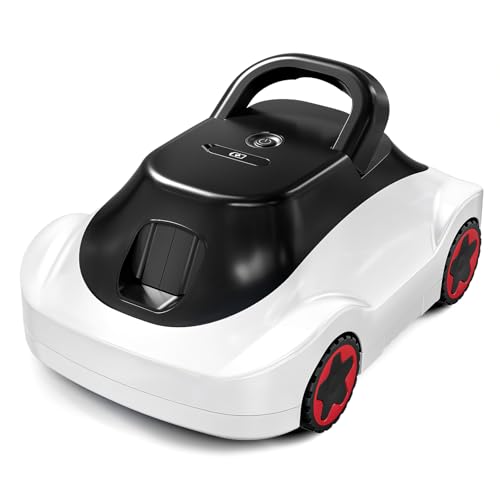
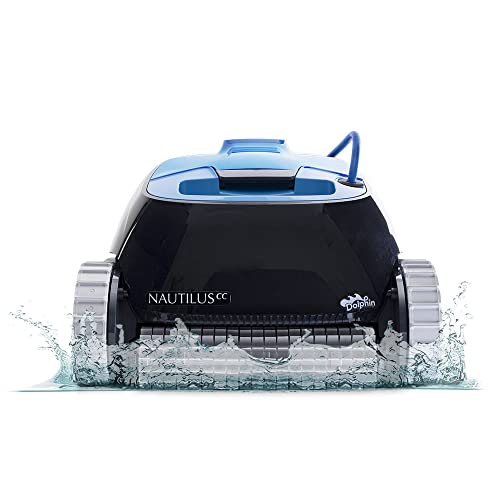
The ideal frequency for running your automatic pool vacuum is not a one-size-fits-all number. It is a variable that shifts based on environmental conditions, pool specifications, and the specific capabilities of the robot you have selected. Understanding these variables allows you to adjust your routine rather than sticking to a rigid calendar that might be inefficient for your situation.
| Factor | Impact on Frequency | Typical Adjustment |
|---|---|---|
| Heavy Leaf Drop | High organic load | Daily or every other day |
| Low Debris Area | Minimal organic load | 2-3 times per week |
| Large Pool Size | Longer coverage time | More frequent shorter cycles |
| High Bather Load | Increased particulate matter | Add one extra cycle weekly |
Environmental debris is the most significant driver of cleaning frequency. If your pool is surrounded by mature trees, pine trees, or wind-prone areas, the volume of leaves, acorns, and needles can overwhelm a standard weekly schedule.
In these cases, running the cleaner daily during autumn or after major storms is often necessary to prevent clogging and maintain water clarity. The debris basket capacity of the unit also plays a role; a larger basket may allow you to stretch the interval slightly, but the sheer volume of organic matter usually dictates a higher frequency.
Pool size and shape influence how effectively a single cycle covers the surface. A larger inground pool may require a robot with a longer runtime or a more efficient navigation path to ensure complete coverage in one go. If your robot has a shorter battery life, you might need to run it more frequently to ensure all areas are cleaned before debris settles. Conversely, a smaller above-ground pool might only need a quick 30 to 60-minute cycle a few times a week to stay clean.
Bather load also impacts the schedule. Pools with frequent use, especially during summer weekends, accumulate more hair, skin cells, and sunscreen residue. These fine particles can cloud the water if left too long. Adding an extra cleaning cycle after heavy use days helps keep the filtration system working efficiently and prevents the buildup of biofilm on the pool walls.
Adjusting for Seasonal Changes
Your cleaning routine should evolve with the seasons. Spring brings a surge of pollen and early leaf drop, while summer introduces higher bather loads and potential algae growth. Autumn is typically the busiest period for debris management, requiring more frequent runs to handle the heavy leaf fall. Winter, if the pool is covered, may require minimal cleaning, but if the pool remains open in mild climates, a reduced schedule of once or twice a week is often sufficient to keep the water balanced.
Seasonal adjustments also apply to the type of debris you are targeting. In spring, fine pollen and silt are the main concerns, which may require a unit with ultra-fine filtration to run more frequently. In summer, the focus shifts to maintaining clarity for swimming, which often means a consistent 2 to 3 times per week schedule. In autumn, the priority is removing large organic matter to prevent staining and clogging, necessitating daily or every-other-day runs.
Matching Runtime to Pool Size
The runtime of your robotic cleaner is a critical factor in determining frequency. A model with a 90-minute runtime may not cover a large 2,000 sq. ft. pool in a single cycle, requiring multiple runs or a more frequent schedule to ensure complete coverage. In contrast, a unit with a 300-minute runtime can handle larger pools in one go, allowing for a less frequent but more thorough cleaning cycle. Matching the robot’s capabilities to your pool’s dimensions ensures that you are not overworking the unit or leaving areas uncleaned.

Navigation technology also plays a role in efficiency. Units with smart navigation or gyroscopic mapping can cover the pool more systematically, reducing missed spots and overlapping paths. This efficiency means that a single cycle is more effective, potentially allowing you to run the cleaner less frequently while still maintaining high water clarity. Random bounce units may require more frequent runs to ensure that all areas are covered, especially in pools with complex shapes or obstacles.
Consider the specific features of your robot when planning your schedule. A unit with wall-climbing capabilities may require less frequent manual intervention for waterline cleaning, allowing you to focus on floor cleaning frequency. Models with app control offer the flexibility to schedule runs based on your availability, making it easier to adjust the frequency as needed. This adaptability is a key benefit of modern robotic cleaners, allowing you to tailor the schedule to your specific needs and environment.
Key Indicators for Increasing Frequency
There are clear signs that your current cleaning frequency is insufficient. If you notice visible debris on the pool floor after a cycle, or if the water appears cloudy despite regular filtration, it is time to increase the frequency. A clogged debris basket that fills up quickly during a cycle is another indicator that the debris load is higher than expected. Monitoring these indicators allows you to adjust your schedule proactively rather than reacting to poor water quality.
- Visible debris on the pool floor after a cleaning cycle
- Cloudy water despite regular filtration and chemical balance
- Debris basket filling up quickly during a standard cycle
- Increased leaf drop or organic matter from nearby trees
- Higher bather load during weekends or special events
Addressing these indicators promptly prevents long-term issues such as algae growth, staining, and filter clogging. By staying attuned to the condition of your pool and the performance of your cleaner, you can maintain an optimal balance between cleaning frequency and water quality. This proactive approach saves time and effort in the long run, ensuring that your pool remains inviting and safe for swimming.
Optimizing Your Weekly Routine
Creating a consistent weekly routine helps streamline the cleaning process. Choose specific days for running your robotic cleaner to build a habit that fits your lifestyle. For example, running the cleaner on Monday, Wednesday, and Saturday provides a balanced schedule that covers the pool throughout the week. Adjusting these days based on weather forecasts or planned events can further optimize the routine.
Incorporate other maintenance tasks into your routine to maximize efficiency. Emptying the debris basket and rinsing the filter should be done after each cleaning cycle to ensure the robot is ready for the next run. Checking the pool water balance and adjusting chemicals as needed can also be part of the same routine. This integrated approach reduces the time spent on pool maintenance and ensures that all aspects of pool care are addressed consistently.
For those interested in related maintenance topics, our guide for winter pool care provides insights into seasonal adjustments that can complement your regular cleaning schedule. Understanding how different seasons affect pool maintenance allows you to plan your routine more effectively and keep your pool in top condition year-round.
Common Mistakes to Avoid
Many pool owners make the mistake of running their cleaner too infrequently, assuming that the filtration system will handle all the debris. This can lead to a buildup of fine particles that the filter cannot capture, resulting in cloudy water and potential algae growth. Conversely, running the cleaner too frequently without adjusting the filter can strain the system and reduce its lifespan. Finding the right balance is key to effective pool maintenance.
- Running the cleaner too infrequently, leading to debris buildup
- Ignoring the debris basket capacity and filling it to the brim
- Failing to rinse the filter after each cleaning cycle
- Not adjusting the schedule for seasonal changes in debris load
- Overlooking the impact of bather load on water clarity
Avoiding these common mistakes ensures that your robotic pool cleaner operates efficiently and effectively. By paying attention to the specific needs of your pool and adjusting your routine accordingly, you can maintain optimal water quality and extend the life of your equipment. This mindful approach to pool care saves time, effort, and money in the long run, providing a cleaner and more enjoyable swimming experience.
Final Practical Steps for Your Schedule
To finalize your cleaning schedule, start by assessing your pool’s specific conditions. Note the size, shape, and surrounding environment, and consider the capabilities of your robotic cleaner. Begin with a baseline of 2 to 3 times per week and adjust based on the indicators discussed above. Monitor the water quality and debris load over a few weeks to fine-tune the frequency. This iterative process ensures that your schedule is tailored to your unique situation, providing the best possible results for your pool maintenance routine.




Write Your Review
No reviews yet. Be the first to share your experience!