

Leaves, acorns, and fine sand can turn routine pool care into repeated skimming, vacuuming, and filter cleanup. If you’re deciding where to buy polaris pool cleaner equipment, first separate a complete cleaner purchase from a replacement-part search. The options here include pressure-side and suction-side cleaners, cordless and corded robotic models, and smaller replacement parts for existing Polaris systems.
That distinction matters because a wall fitting, sweep hose, or debris bag won’t replace a cleaner, and the wrong replacement part may not fit your model. Check the cleaner type, pool installation, model compatibility, and plumbing needs before ordering. For seasonal equipment care, this cold-weather outdoor equipment guide offers related storage context, though pool cleaners have their own manufacturer-specific requirements.


Where to Shop for Polaris Cleaners and Parts
The practical answer depends on what you need: a complete cleaning system or a compatible wear part. The products listed above include Polaris cleaners as well as aftermarket components from brands such as ATIE, MUSCCCM, and MAKHOON. Confirm the exact model and part number before buying, then compare the listing’s stated compatibility and included components with your cleaner’s manual.
Start with the cleaner category, not the brand name alone
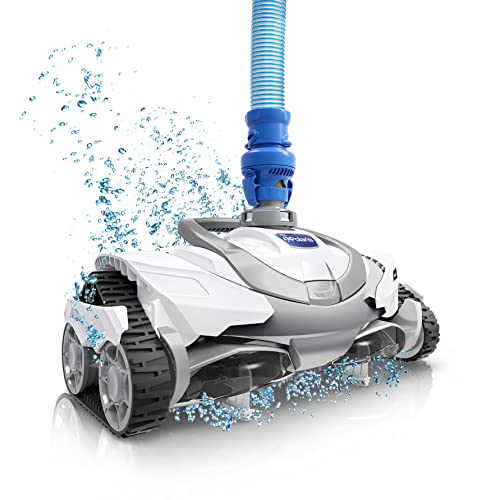
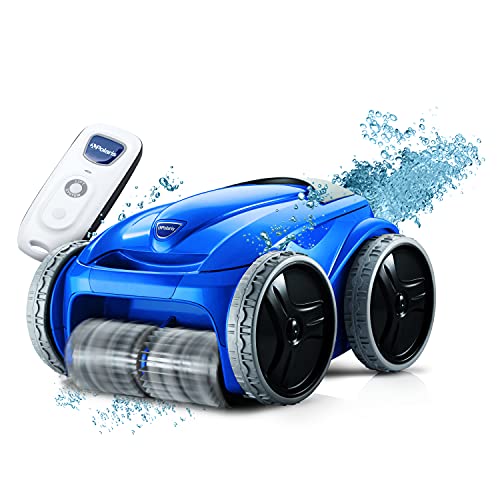
Polaris products in this selection use different cleaning systems, so they aren’t interchangeable simply because they share a brand. The MAXX is a suction-side cleaner for in-ground pools, while the Vac-Sweep 280 and 360 are pressure-side cleaners. The Freedom Plus and 9550 Sport are robotic cleaners, with the Freedom Plus operating cordless and the 9550 using a cable.
A suction cleaner relies on the pool’s circulation plumbing, so confirm your setup and follow the cleaner’s installation directions. A pressure-side model needs the correct pressure supply: the 280 listing specifies a separate booster pump, while the 360 listing says it is powered from the pool return line and does not need a booster pump. That difference can affect installation effort and whether a model suits the equipment already at your pool.
A robotic cleaner is a different kind of purchase. Its own cleaning system avoids choosing between a skimmer connection and pressure-side plumbing, but corded and cordless designs have different handling needs. The 9550 Sport includes a 70-foot cable and caddy, while the Freedom Plus includes a charging caddy and describes app status and retrieval features; check the current listing for included accessories and supported setup details.
Match pressure cleaners to the pool’s plumbing
The Vac-Sweep 280 is presented for in-ground pools and includes a 31-foot feed hose and single-chamber filter bag. Its product information says a separate Polaris booster pump powers it. If your pool doesn’t have that equipment, factor the required setup into the decision rather than assuming the cleaner connects like a robotic model.
The Vac-Sweep 360 also includes a 31-foot feed hose and filter bag, but its listing describes power from the pool return line and says no booster pump is needed. It notes that a dedicated cleaner return line is suitable and that a standard return may be retrofitted with a specific kit. Have the installation checked against the manufacturer’s directions and your actual plumbing instead of guessing from the product name.
Both pressure-side listings identify compatibility with common in-ground finishes, including vinyl, fiberglass, gunite, pebble, and tile. They also describe a large inlet and a bag that captures debris before it reaches the pool’s pump basket or filter. That style may appeal to owners dealing with leaves and larger debris, but it doesn’t remove the need to empty the bag or maintain the pool’s filtration system.
Pressure cleaners can be a poor match when the required supply or plumbing arrangement is unavailable. The 280 and 360 are not simply two versions with the same hookup: one calls for a booster pump, and the other is designed around return-line pressure. Confirm the connection, hose reach, and any required fitting before purchasing, and ask a qualified pool professional if the existing plumbing is unclear.
Choose suction-side coverage with realistic expectations
The Polaris MAXX is listed as an in-ground suction-side cleaner designed to cover the floor, walls, and waterline. Its product description names active scrubbing brushes, HALO technology for different debris sizes, and multidirectional navigation. These are listed design features, not a guarantee that every pool shape, step, main drain, or waterline condition will be handled without interruption.
Its stated compatibility across in-ground surfaces may make it worth considering for pools with varied finishes, but still verify the manufacturer’s guidance for your specific pool and installation. The listing describes a regulator valve that controls excess water flow and a hydraulic design intended to function at lower flow rates. It does not provide a minimum flow rate in the supplied details, so don’t assume it will work properly with every variable-speed pump setting.
Suction performance depends on the circulation system and clean filtration. The MAXX product information specifically advises emptying pump and skimmer baskets and cleaning or backwashing the filter regularly, noting that a restricted filter reduces cleaning power. If the cleaner seems weak, inspect those basic conditions and consult its manual before changing pump settings or plumbing.
A cleaner that stalls on a raised drain or struggles at a slope may need a different installation or may be encountering a pool feature its design cannot negotiate consistently. Don’t buy based only on claims of broad coverage; assess the shape, steps, ladders, and drain covers in your pool. Ask the seller or manufacturer about model-specific limitations if those obstacles are a recurring concern.
Robotic choices: cordless retrieval or a floating cable
The Freedom Plus is described as a cordless robotic cleaner for in-ground pools. Its supplied features include a hand-held remote that communicates underwater using LiFi, app status and mode selection, and a charging caddy that charges the cleaner in five hours or less. The listed retrieval methods include remote retrieval, end-of-cycle waterline retrieval, and a manual hook used with a standard pole.
Those features address practical handling concerns, especially when a cleaner finishes far from the pool edge. However, the supplied information doesn’t state a battery runtime, so don’t infer how much pool area it can clean on one charge. Check the current product information for cycle options, pool-size suitability, included retrieval equipment, and any limitations relevant to your pool.
The 9550 Sport is a corded robotic option listed for in-ground pools up to 60 feet. Its package description includes a 70-foot cable with a tangle-reducing swivel, a 5-liter debris canister, a handheld remote, and a caddy. It also lists four-wheel drive and five cleaning modes, but the supplied details don’t specify a filtration micron rating or guarantee that the cable cannot twist.
A floating cable can still need careful storage and monitoring, even when a swivel is included. Place the power supply and manage the cable according to the product manual, use appropriate GFCI protection, and keep electrical equipment clear of water as directed by its manufacturer. Never retrieve a powered cleaner by pulling its cable, and disconnect the power source before servicing equipment.
Robotic cleaners may reduce reliance on pool circulation plumbing for cleaning, but they don’t eliminate ordinary pool maintenance. Debris canisters still need to be emptied, and the supplied descriptions don’t establish that these models capture fine particles at a specific micron level. If fine silt or dead algae is the main problem, confirm the filter type and supported filtration details with the seller before purchasing.
Replacement parts require exact model checks
Replacement items in the selection include a wall fitting assembly, sweep hose, tail scrubbers, a debris bag, and tires. These are maintenance components, not complete automatic cleaners. A low-cost part can still be the wrong purchase if it fits a different cleaner family or is missing the piece needed for your repair.
The Makhoon UWF connector is listed for specified Polaris and Zodiac pressure-cleaner models, including the 180, 280, 380, 480 PRO, and 3900 Sport. The description identifies it as a non-original aftermarket part and mentions restrictor disks intended to help manage water flow when booster-pump pressure is too high. Compare the model and part number on your existing fitting with the listing, and verify installation guidance before connecting it.
The ATIE sweep hose listing names models 180, 280, 380, and 480, and explicitly says it is not compatible with the 360. That exception illustrates why “fits Polaris” is not enough detail for a part order. Check the cleaner’s model label and the listing’s exclusions, then confirm that the included hose, clamp, and tail scrubber are the components you need.
The mesh debris bag is listed for Polaris 280 and 480 all-purpose bag replacements, while the ATIE tire pack names models 180, 280, 360, and 380. MUSCCCM’s tail scrubbers are listed for a broader set that includes the 180, 280, 360, 380, 480, and 3900 Sport. Compatibility claims belong to each individual listing; don’t transfer them to another part just because the part looks similar.
Before ordering, compare the old component’s shape, attachment style, model reference, and any marked part number with the listing. For aftermarket parts, distinguish the seller’s stated compatibility from an original manufacturer component. If the cleaner model is worn, modified, or unclear, confirm fit with the seller or manufacturer rather than relying on a broad search result.
Evaluate listings and ownership details before checkout
Online marketplaces can make several product types appear together, so read the listing title and included-items description carefully. Confirm whether you’re buying a complete cleaner, a single replacement component, or a multipack. Check the seller’s return terms, shipping details, warranty information, and whether the product is new or aftermarket; those details can change and aren’t established by the supplied specifications.
Product ratings and review totals should also be checked on the live listing rather than treated as fixed information in an article. Reviews may discuss installation or fit, but verify any compatibility claim against the model documentation. A seller description can be incomplete, and customer comments may refer to a different cleaner revision or pool setup.
Compare ongoing ownership needs as well as the purchase itself. Pressure cleaners use debris bags that need emptying, suction models depend on pool filtration and flow, and robotic cleaners need their canisters or bags cleaned. Replacement brushes, tires, hoses, and fittings are separate purchases, so consider whether the relevant wear parts are available and clearly identified for your cleaner.
Pool surface and debris also affect which specifications deserve attention. The pressure-side listings state compatibility with several in-ground finishes and emphasize larger debris pickup, while the MAXX description highlights scrubbing and debris handling across in-ground surfaces. For a delicate liner, slick fiberglass, or waterline tile, rely on the exact manufacturer surface guidance instead of assuming that a general compatibility statement covers every feature or condition.
Seasonal storage and chemical care matter for every category. Follow the cleaner’s manual for water-balance limits, storage, and removal during shock treatment; the supplied product data doesn’t specify chemical thresholds or a universal storage procedure. For robotic equipment, follow the manufacturer’s electrical and charging instructions, and use proper lifting technique when handling a waterlogged unit.
A quick way to narrow the purchase
If you need routine floor-to-waterline cleaning and already have suitable suction plumbing, compare the MAXX’s listed coverage and flow-control features with your pool’s circulation setup. If you want pressure-side debris collection, decide whether your installation supports the 280’s booster-pump arrangement or the 360’s return-line setup. If avoiding cleaner plumbing connections is a priority, compare the robotic models’ corded or cordless operation, retrieval provisions, and documented pool limits.
If you only need to restore an existing Polaris cleaner, identify the model before browsing replacement components. The supplied parts cover different models and include a notable 360 hose exclusion, so matching the part listing to the cleaner is the decisive check. Keep the product manual and part reference nearby, and ask the manufacturer or seller to confirm uncertain compatibility.
For more seasonal context, the site’s guide to evaluating outdoor water equipment purchases discusses practical ownership considerations, though it isn’t a Polaris cleaner specification source. For cleaner-specific decisions, prioritize model compatibility, pool type, plumbing requirements, debris handling, and safe operating instructions. Those checks make it clearer whether you need a complete system or just the correct replacement part.
The best place to buy depends on the exact job: replacing a Polaris cleaner, adding a new cleaning system, or fixing a worn component. Compare the manufacturer’s model guidance with the seller’s stated compatibility and included items before ordering. If plumbing, surface suitability, or part fit remains uncertain, verify it with the manufacturer or a qualified pool professional rather than making assumptions.




Write Your Review
No reviews yet. Be the first to share your experience!