
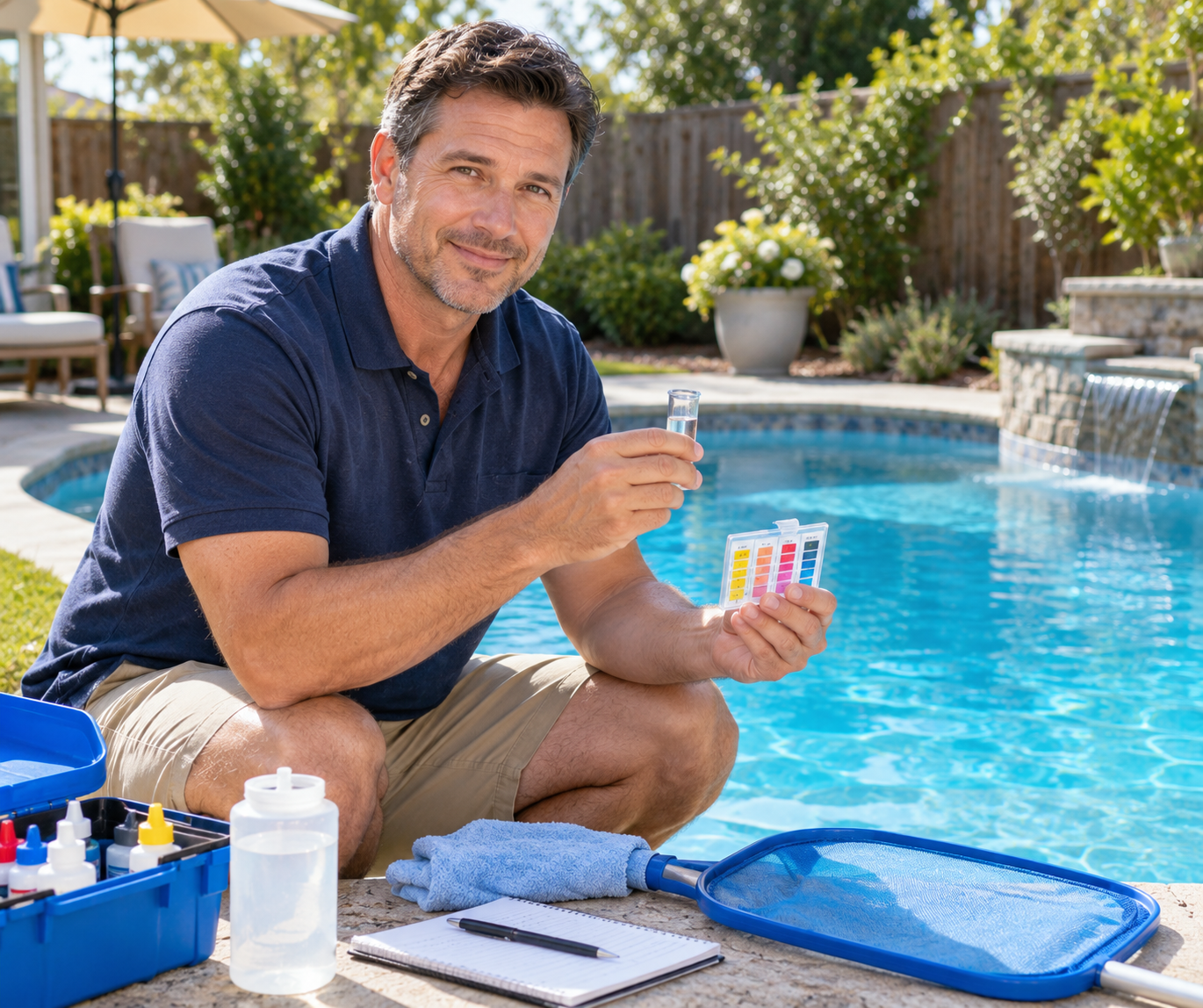

Stubborn waterline scum lines and gritty silt settling in deep-end slopes can quickly turn swimming into hours of manual scrubbing. Untangling heavy vacuum hoses often feels like extra chores under the sun. That is why checking an Automatic Pool Cleaner Comparison Chart helps evaluate robotic pool cleaners, suction-side pool vacuums, and cordless battery pool cleaners side by side. Comparing critical specifications like active scrubbing brush systems, top-load filter basket access, and dedicated wall-climbing traction lets pool owners protect surfaces and reclaim free time.
Water clarity depends on matching equipment to pool surface type and debris burden. Plaster, fiberglass, and vinyl liners need smooth suction tracks that won’t scuff surfaces or hang on main drains. Pool care requires consistent filtration, just like maintaining balance when deciding to buy an inflatable hot tub or backyard spa. Evaluating manufacturer motor specs, pump requirements, and debris capacities in this automatic pool cleaner comparison chart provides clear answers for sparkling water.





Frequently Asked Questions
What makes an automatic pool cleaner comparison chart useful when deciding between robotic and suction-side vacuums?
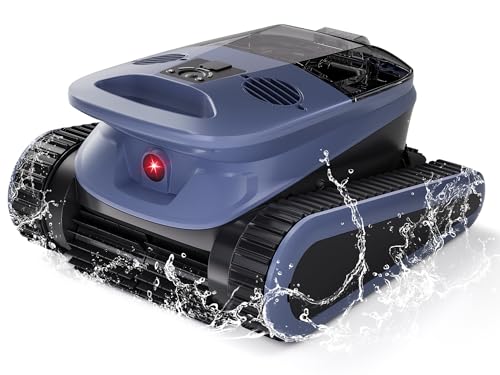
An automatic pool cleaner comparison chart outlines essential differences in power draw, navigation methods, and independent filtration systems. Robotic pool cleaners run on dedicated electric motors and internal filters, which keeps fine silt out of your pool skimmer. Suction-side cleaners connect directly to existing plumbing, offering fewer mechanical parts at a lower upfront cost.
What minimum pump flow rate or horsepower is required for suction-side pool cleaners?
Most suction-side pool cleaners require a dedicated pool pump rating of at least 3/4 horsepower or a water flow rate near 1,600 GPH to operate properly. Cleaners like the VINGLI Blue Star depend on adequate water velocity to drive internal gears and climb pool walls. If your circulation system runs on an ultra-low variable pump speed, the cleaner can stall on steep slopes.
Can robotic pool cleaners safely clean vinyl liner pools without causing scuffs?
Yes, modern robotic pool cleaners use soft PVC brushes and continuous rubber tracks specifically designed to protect delicate vinyl liners. Track-driven units glide smoothly across vinyl and fiberglass seams without digging into corners or abrading patterns. Checking surface ratings helps prevent premature liner wear while ensuring thorough algae removal.
How do cordless robotic pool cleaners in 2026 compare in runtime and coverage for large pools?
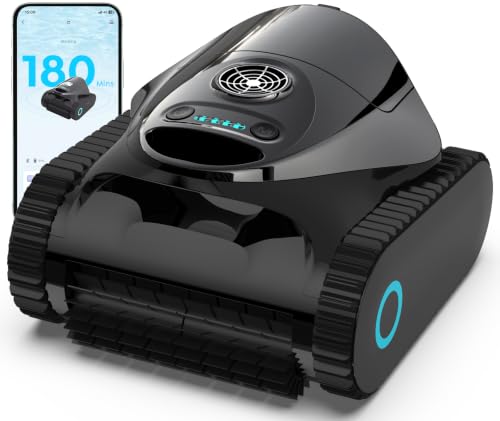
Cordless battery pool vacuums in 2026 typically provide between 180 and 240 minutes of continuous runtime on a single charge, covering pools up to 2,150 square feet. Units with smart sonar navigation and brushless motors scrub floors and waterlines without cord tangling. Once the battery depletes, self-parking features move the robot alongside the wall for easy retrieval.
Why do some automatic pool cleaners get stuck on main drains or bottom steps?
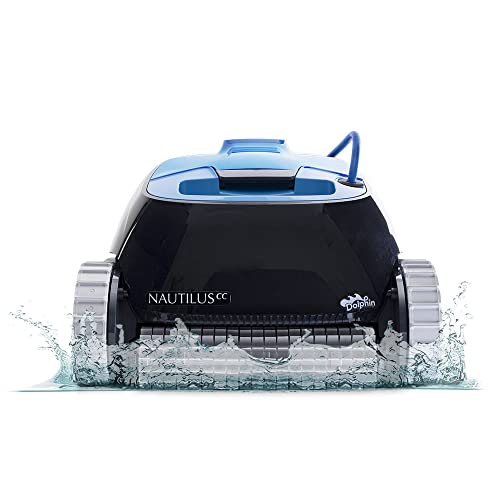
Cleaners get hung up on raised main drain covers or steep steps when their drive tracks lack sufficient ground clearance. Suction cleaners can lose drive force if the regulator valve does not balance pool pump suction. Track-driven robotic cleaners with obstacle navigation handle raised drain rings and floor transitions far more reliably.
How often should you clean the top-load filter basket or canister on an automatic pool cleaner?
Emptying the top-load filter basket after every cleaning cycle prevents fine silt and organic debris from choking water suction. Routine basket maintenance protects internal drive motors from unnecessary strain and keeps water chemistry stable. Just as proper sanitizer checks prevent cloudy water in a compact patio hot tub, clearing pool cleaner baskets ensures peak debris collection across all surfaces.




Write Your Review
No reviews yet. Be the first to share your experience!