


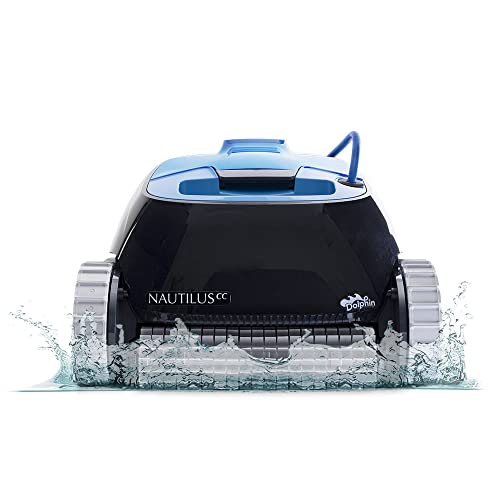
Fine silt settling across the deep end floor and stubborn algae lines along the waterline can turn swimming pool ownership into a daily chore. Wrestling with manual vacuum hoses or scrubbing plaster steps by hand takes hours away from enjoying your backyard oasis. Investing in the best pool automatic cleaner relieves that physical burden by running dedicated scrubbers and high-capacity suction across the entire pool floor. Modern robotic and suction units eliminate dead spots around circulation drains while trapping everything from fine sand to wet oak leaves.
Selecting the right machine depends on your plumbing setup, pump horsepower, and pool finish. Suction-side units leverage your existing skimmer line or pump flow, while independent robotic crawlers utilize internal filtration baskets that keep fine dirt out of your main filtration system. Balanced water care keeps a compact patio spa pristine, and an automated pool vacuum offers that same hands-free convenience for large swim areas. Smooth fiberglass, durable gunite, and sensitive vinyl liners all benefit from a dependable best pool automatic cleaner that maintains spotless surfaces without spiking your electric bill.



Frequently Asked Questions
What pump horsepower is required to run a suction-side cleaner effectively?
Most suction-side cleaners require a minimum pool pump rating of 3/4 horsepower or a flow rate of at least 1,600 to 1,700 gallons per hour. Models like the Zodiac MX6 and VINGLI pool vacuums rely directly on water movement to power internal drive gears and climb vertical walls. Running a variable-speed pump at low RPM settings may require increasing the speed during scheduled cleaning intervals.
Can a robotic pool cleaner safely run on vinyl liner pools?
Yes, robotic pool cleaners equipped with continuous rubber tracks and soft PVC brushes operate safely on vinyl liners. Track-driven units distribute weight evenly, which prevents friction burns or scuffing across floor inclines and welded liner seams. Checking the machine periodically for stuck gravel or worn drive tracks keeps delicate vinyl surfaces protected.
How do robotic cleaners handle fine sand and silt compared to suction cleaners?
Robotic cleaners capture fine silt internally using top-loading cartridge panels or fine mesh baskets before dirt reaches your skimmer. Suction-side units direct all vacuumed debris straight into your primary pool filter, which increases backwashing frequency and raises system pressure. Dual-layer filtration on robotic models retains microscopic sediment while leaving your main circulation pump unimpeded.
Why does an automatic pool cleaner get stuck on main drain covers?
High suction downforce causes cleaner suction pads to form an airtight seal over raised drain grates. Machines designed with wide wheel deflectors or mechanical steering mechanisms navigate around main drains more consistently without stalling. Diverting a portion of your water intake from the main bottom drain to the surface skimmer also helps prevent suction hang-ups.
Can you leave an automatic pool vacuum in the water all the time?
No, taking the cleaner out of the pool between cycles extends the lifespan of internal diaphragms, tracks, and motor seals. Harsh chlorine spikes, UV exposure, and acidic water degrade plastic components when submerged indefinitely. Storing the cleaner in a shaded area follows the same care logic as winter equipment protection, preserving rubber components for the 2026 season.


Write Your Review
No reviews yet. Be the first to share your experience!