
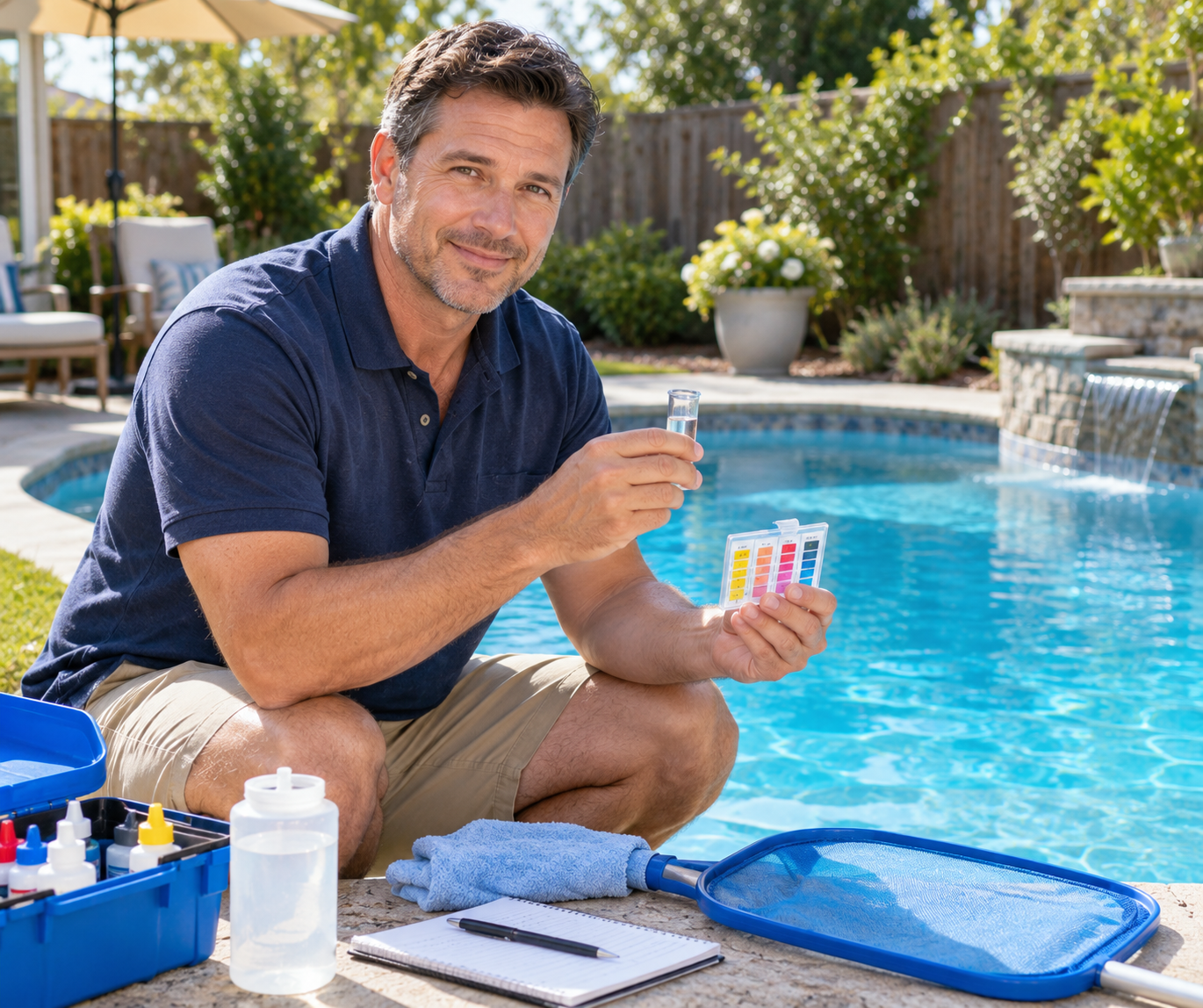

Stubborn waterline scum and oily sunscreen residue can quickly turn routine pool maintenance into an exhausting chore. Vinyl surfaces are particularly delicate, requiring gentle yet effective formulas that strip away unsightly grease, dirt rings, and metal scale without bleaching patterns or causing premature liner brittleness. Investing in a reliable best vinyl liner pool cleaner allows you to restore pool surfaces without resorting to abrasive scrubbing pads that risk puncturing the liner membrane. Fast-acting alkaline degreasers and citric-based stain removers lift organic grime effortlessly, keeping your pool looking pristine while cutting down manual scrubbing time.
Careful evaluation of product specifications, chemical concentrations, and user feedback reveals that balanced treatments deliver the safest results across various vinyl liner thicknesses. Alkaline-based degreasers excel at dissolving stubborn body oils and organic scum rings, while ascorbic or citric acid formulas target tough metal stains without upsetting overall water balance. Similar care applies when treating portable spa vinyl, where using a gentle formulation protects both the pool shell and accessories like an inflatable hot tub with water jets against harsh chemical wear. Selecting the right maintenance chemical ensures lasting liner elasticity and keeps your swimming area sparkling all season long.


Frequently Asked Questions
Can you use standard pool tile cleaner on a vinyl pool liner?
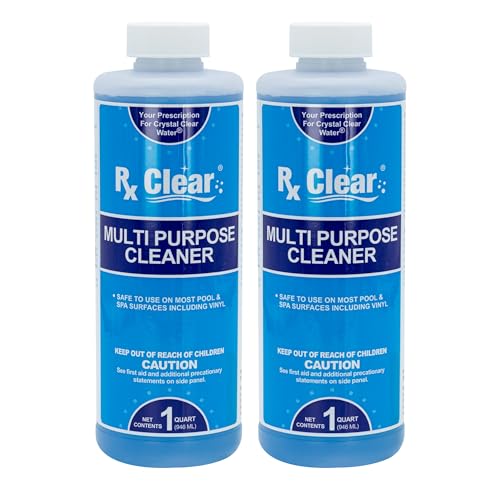
No, standard tile cleaners often contain harsh muriatic acid or gritty abrasives that can etch, bleach, or weaken vinyl pool liners. You should always opt for an alkaline-based or citric-based formula specifically labeled as safe for vinyl materials. Products such as In The Swim Super Pool Tile and Vinyl Cleaner break down oily waterline buildup without degrading the protective topcoat of printed or solid vinyl liners.
How does a citric acid cleaner remove metal stains from vinyl liners?
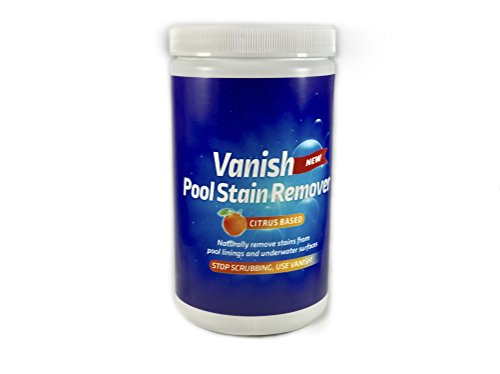
Citric acid works by safely chelating and dissolving oxidized metals like iron, copper, and rust from vinyl surfaces without damaging the liner fabric. Formulas like Bosh Chemical Vanish and Natural Chemistry Stain Free lift stubborn metallic discoloration directly into the pool water so your filter or a sequestering agent can remove it. This ascorbic approach eliminates the need for hard scrubbing that could scuff or tear aged vinyl liners.
Will waterline scum cleaners wash off printed vinyl liner patterns?
Most specialty waterline cleaners protect liner colors, but aggressive formulas or excessive scrubbing can fade ink-printed designs over time. Always verify product safety guidelines, as options like STAR BRITE Home Pool Waterline Cleaner advise testing unprinted areas or avoiding faux-tile prints. Using soft microfiber cloths or fine non-abrasive sponges ensures you lift oily sunscreen deposits without stripping decorative liner borders.
How often should you treat a vinyl pool liner with metal and scale inhibitors?
Most pool care routines benefit from adding a metal sequestering treatment once every month during the active swim season. Specialized products like Jack’s Magic The Vinyl Liner Blue Stuff bind with suspended minerals before they precipitate onto pool surfaces as hard scale or dark stains. Consistent preventative dosing protects against well-water mineral spikes and keeps vinyl walls soft and pliable year after year.
Should you clean a vinyl pool liner before closing the pool for winter?
Yes, cleaning waterline rings and clearing surface deposits prior to winterization prevents contaminants from setting permanently during the cold months. Much like preparing an outdoor spa or hot tub for winter use, balancing the water and wiping away greasy scum lines ensures the liner stays supple under a winter pool cover. Applying a gentle vinyl-safe cleaner in the fall saves hours of intense scrubbing when opening your pool in the spring.




Write Your Review
No reviews yet. Be the first to share your experience!