
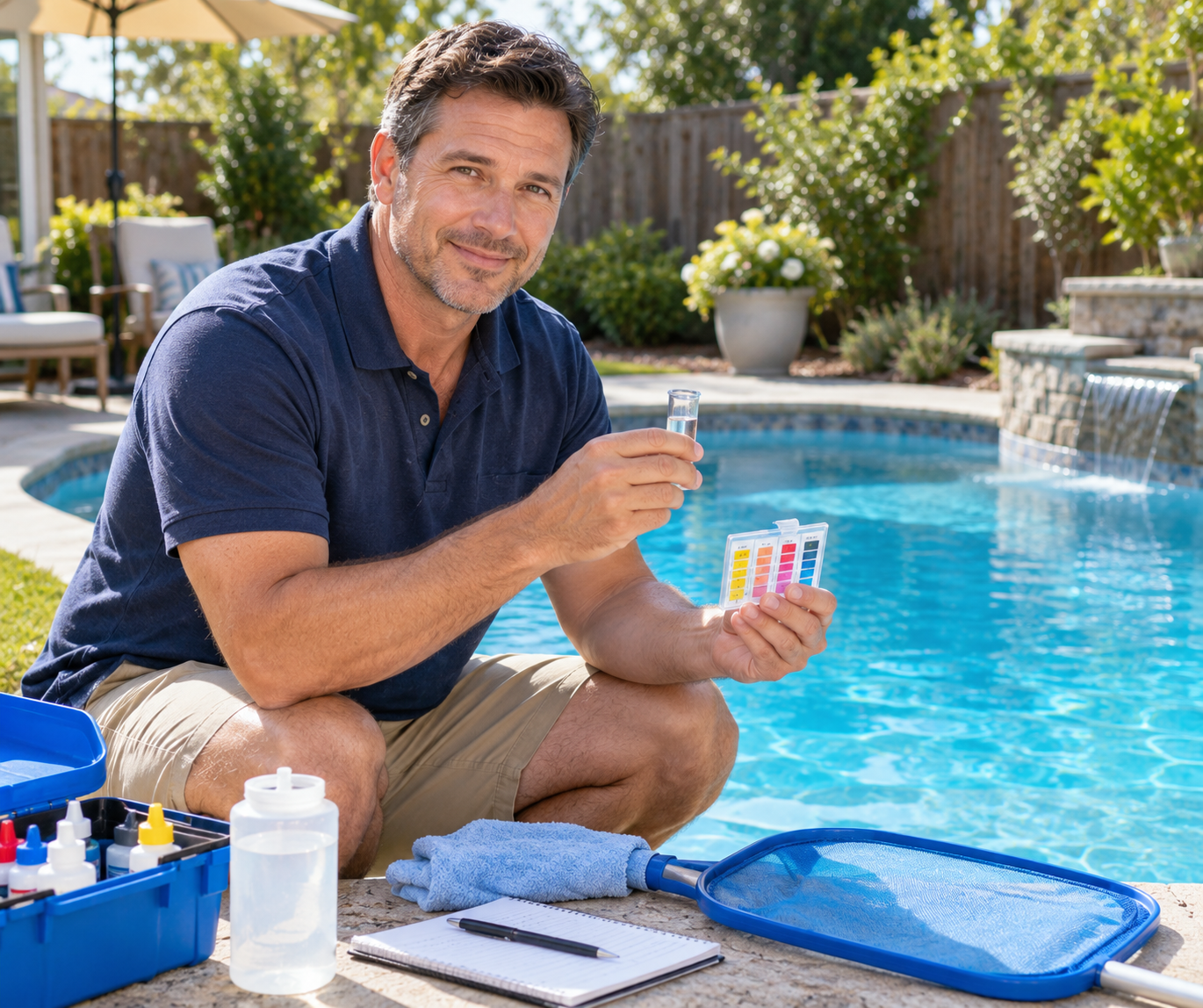

Stubborn algae film clinging to gunite walls and fine silt settling along deep-end slopes turn routine pool maintenance into an exhausting weekend chore. Pushing a manual brush in scorching heat drains your free time, while clogged skimmer baskets and tangled floating cables only add to the frustration. Securing the best in pool cleaner transforms this entire process by automating floor scrubbing, wall climbing, and waterline scouring. Modern units deliver high-volume filtration and intelligent navigation paths, allowing you to spend more hours swimming and fewer hours wrestling with manual vacuum hoses. Backyard owners balancing both pool and patio care often weigh other backyard investments, such as whether to buy an inflatable hot tub for easy evening relaxation.
Careful analysis of motor specifications, suction flow rates, and filter micron ratings reveals distinct advantages across different machine designs. Cordless robotic vacuums eliminate tangled cords with onboard lithium batteries, while dedicated suction-side units leverage your existing pool pump to clear fine sand and leaves without extra electric draw. Top-loading filter baskets and specialized surface scrubbers ensure that plaster, fiberglass, and delicate vinyl liners stay pristine without scuffs. Selecting the right machine hinges on matching your specific pool dimensions and debris load to a reliable filtration system that delivers sparkling water with zero hassle.




Frequently Asked Questions
How do robotic pool cleaners differ from suction-side pool cleaners in energy efficiency?
Robotic pool cleaners operate independently on low-voltage electricity, consuming significantly less energy than suction-side units that rely on your pool’s main filtration pump. Built-in electric drive motors and internal filter canisters handle debris directly inside the machine. This independent setup reduces wear on your skimmer and pump basket, lowering overall utility costs during peak swimming months.
What minimum pump horsepower is required to operate a suction-side cleaner?
Most suction-side cleaners require a pool pump rating of at least 3/4 horsepower or a minimum water flow rate of 1,600 GPH to function smoothly. Lower flow rates cause the cleaner to stall or struggle when climbing sloped pool floors. Ensuring proper suction pressure and backwashing your sand or cartridge filter before installation guarantees consistent navigation across plaster and vinyl surfaces.
Are automatic pool cleaners safe for vinyl liner swimming pools?
Yes, most automatic pool cleaners are completely safe for vinyl liners if they feature soft rubber tracks, wheel deflectors, or non-abrasive scrubber brushes. Harsh plastic wheels or sharp edges can snag delicate vinyl seams, so manufacturers utilize scuff-resistant materials to prevent tearing. Always verify surface compatibility in the product specifications to keep your liner intact while maintaining optimal suction.
How do ultra-fine pleated cartridges compare to mesh filter baskets for catching fine sand and silt?
Pleated filter cartridges capture microscopic particles like fine sand, pollen, and silt down to minute micron levels, whereas coarse mesh baskets primarily collect leaves and large twigs. Top-loading canisters with dense filtration elements prevent fine dust from blowing back into the water column. If your yard suffers from blowing dirt or fine tree pollen, using a dedicated fine-mesh or cartridge insert is essential for crystal clarity.
Can battery-powered cordless pool cleaners clean an entire in-ground pool on a single charge?
Yes, modern high-capacity cordless pool vacuums offer between 100 and 190 minutes of continuous runtime, which is ample time to scrub floors and walls in pools up to 2,150 square feet. Dual brushless motors and optimized smart navigation paths ensure full floor coverage before the lithium battery depletes. Once the cycle concludes, convenient quick-drain flaps and lightweight bodies make retrieving the unit from deep water simple and strain-free.
How should pool cleaners and water care equipment be stored during freezing weather?
Storing pool cleaners indoors away from sub-freezing temperatures protects internal drive motors, rubber tracks, and sensitive electronic circuit boards from frost damage. Draining all water out of the cleaner chassis and filter basket prevents ice expansion from cracking the housing. Just as you would prepare for the best hot tub for winter use, winterizing outdoor water equipment ensures longevity and peak performance when warmer weather returns.




Write Your Review
No reviews yet. Be the first to share your experience!