
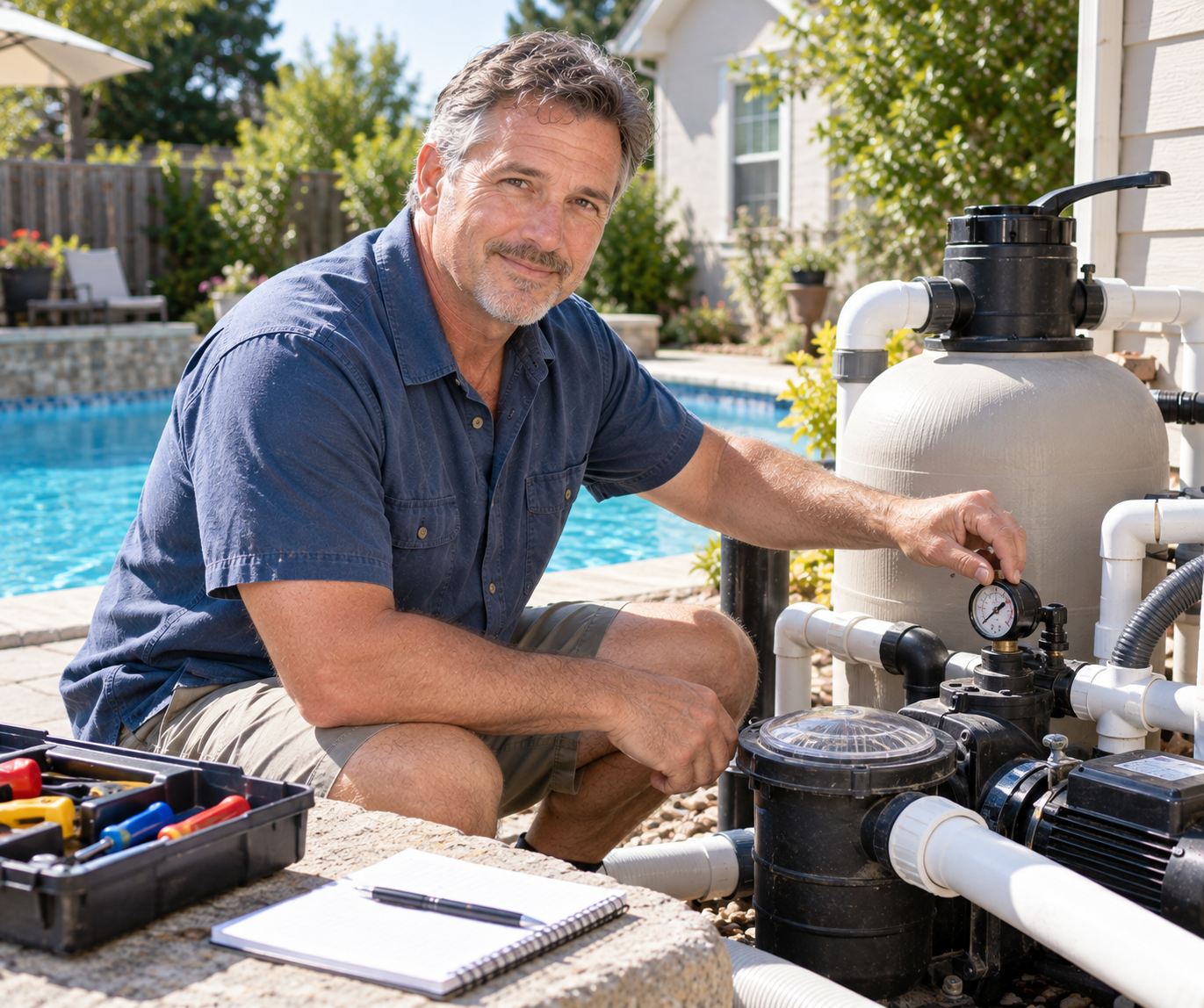

Stubborn waterline scum lines, sunscreen oils, and mineral scale can turn an inviting afternoon swim into an exhausting chore. When grime clings to vinyl, reaching for abrasive powders or wire brushes can easily scuff, fade, or tear the flexible membrane. Choosing the best vinyl pool liner cleaner requires gentle yet powerful formulas that dissolve organic oils without throwing water chemistry out of balance. After evaluating chemical safety profiles, surface compatibility ratings, and manufacturer guidelines, selecting non-abrasive solutions is clearly the safest path for pool longevity.
Nobody wants to spend sunny weekends scrubbing pool walls on their hands and knees. Investing in targeted treatments, such as citric acid stain lifters and specialized scrub pads, makes weekly maintenance feel effortless. Much like caring for an inflatable hot tub with water jets, pool liners demand mild cleaners that rinse away clean without foaming or clouding the water. Pairing pH-neutral degreasers with soft scouring sponges lifts grease rings in minutes while saving your back from strain.



Frequently Asked Questions
Can you use standard household dish soap or bleach on a vinyl pool liner?
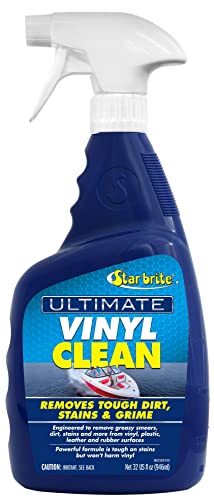
No, standard household soaps and bleach should never be used directly on vinyl pool surfaces. Common household cleaners contain phosphates, harsh abrasives, or high alkaline levels that can strip plasticizers, fade decorative prints, and cause severe foaming. Utilizing an approved best vinyl pool liner cleaner protects vinyl elasticity while maintaining proper water balance. If you also manage portable spas, our guide on practical inflatable hot tub ownership highlights similar surface care rules.
How do natural citric acid stain removers lift metal stains from vinyl?
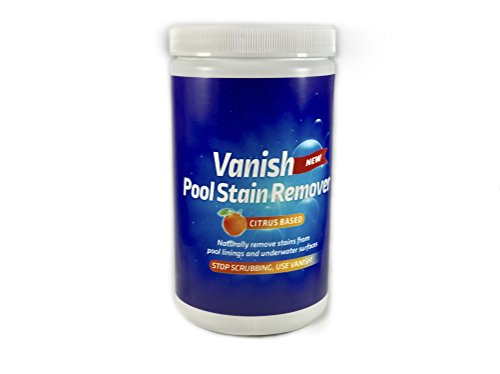
Citric acid formulas work by chelating and dissolving precipitated metal ions like iron and copper directly off the liner without scrubbing. These ascorbic and citric blends reduce oxidized metals into soluble forms that pool filtration systems or sequestering agents can capture. This process eliminates dark rust rings safely without thinning the vinyl material or creating toxic fumes.
Will an automatic pool cleaner brush head damage a vinyl liner?
No, automatic cleaners designed with soft rubber tracks and active PVC scrubbing brushes are completely safe for vinyl liners. You must avoid units equipped with stiff steel wire bristles designed strictly for rough plaster or gunite. A proper vinyl liner safe suction cleaner or robotic vacuum glides over seams without snagging or pulling.
How often should waterline scum and sunscreen buildup be wiped down?
Waterline scum rings should be wiped down every two to three weeks during peak swimming season. Body oils, pollen, and sunscreen float to the surface and bake onto vinyl under direct sunlight, forming a stubborn ring if neglected. Applying a fast-acting tile and liner degreaser with a hand-held scouring pad lifts these deposits before they harden into calcium scale.
What is the safest way to scrub stubborn algae from vinyl pool walls?
Soft nylon pool brushes paired with enzyme-based cleaners offer the safest method for clearing wall algae on vinyl. Stiff wire bristles can puncture or abrade the vinyl skin, creating micro-tears that harbor future algae colonies. Combining a gentle chemical treatment with soft scrub pads breaks the algae film without scratching delicate liner patterns.




Write Your Review
No reviews yet. Be the first to share your experience!