

Eliminating Fine Sand, Silt, and Pool Floor Algae
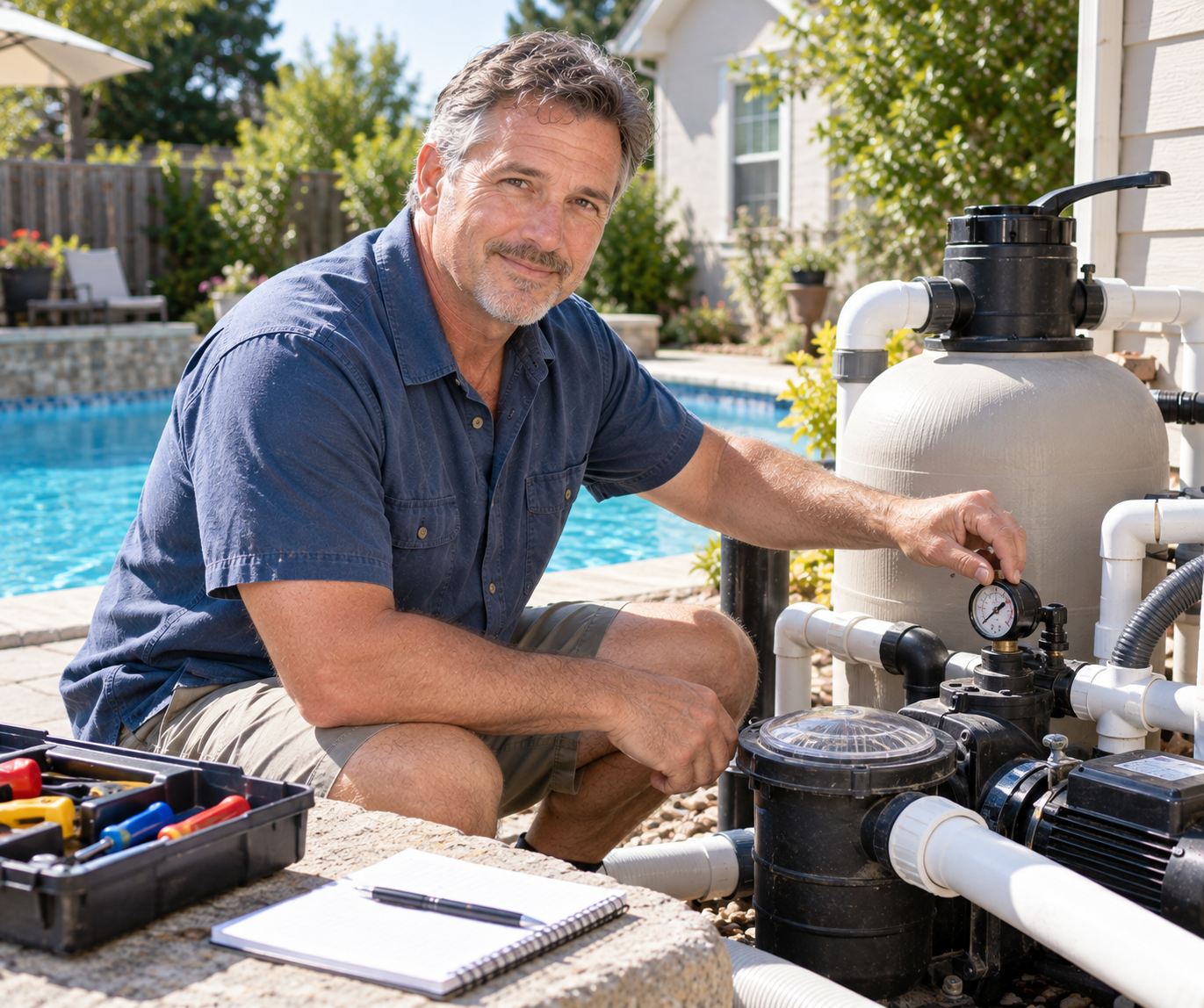
Watching fine sand and silt settle along the bottom slopes of a swimming pool can test any homeowner’s patience. Pushing an awkward manual vacuum under the blazing sun is a back-breaking chore that steals hours of leisure time. Reading user feedback and consumer reports for the best in ground pool cleaner consumer reports category highlights how modern automated systems take over the dirty work. Whether you are battling slick algae on plaster or leaves in deep-end corners, choosing the right automated cleaner keeps your water sparkling without spiking your utility bill.
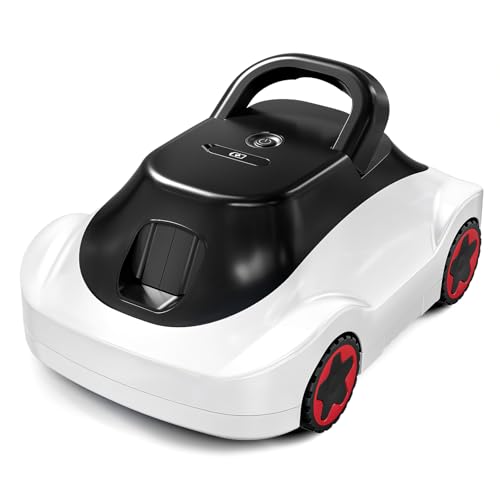
Cleaners range from cordless robotic units to robust pressure-side sweepers driven by booster pumps. A dependable model needs active scrubbing brushes, reliable obstacle navigation over main drains, and fine filtration to trap grit rather than stirring it into the water. Keeping your pool floor clean also preserves your equipment and frees up time to relax in a therapy hot tub after swimming. Checking technical specs and user satisfaction ratings ensures you invest in gear that matches your specific pool finish.




Frequently Asked Questions
Which cleaner type provides the best energy efficiency for in-ground pools?
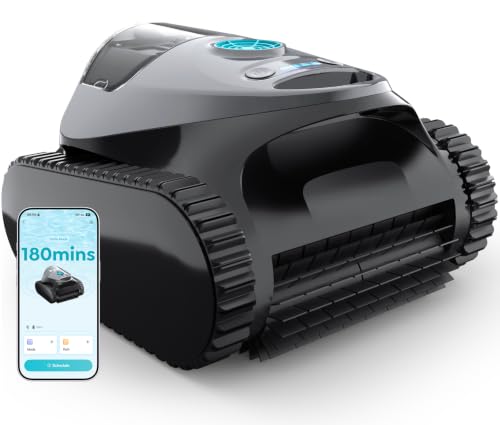
Robotic pool cleaners offer the highest energy efficiency among automatic cleaners. Unlike suction-side models relying on your pool pump or pressure-side units needing a booster pump, a robotic pool cleaner runs on low-voltage electric motors. Operating independently from your primary filtration system cuts down pump wear and slashes electricity draw during regular cleaning cycles.
Are wall-climbing pool cleaners safe for vinyl liner pools?
Yes, most wall-climbing cleaners are safe for vinyl liner pools if equipped with rubber tracks or PVA brushes. Stiff plastic bristles or sharp wheel edges can scuff or pinch flexible vinyl over time. Always check manufacturer surface compatibility to ensure the cleaner traverses slopes smoothly without causing surface abrasions.
Why do automatic pool cleaners get stuck on main drain covers?
Protruding main drain covers can high-center a cleaner when the unit lacks enough ground clearance or obstacle navigation. High suction can also pull the unit flat against an anti-vortex drain lid, causing drive tracks to lose grip. Installing a low-profile drain ring or adjusting bottom suction valves quickly prevents this frustrating hang-up.
Can an in-ground pool cleaner pick up fine sand and silt without clouding the water?
Yes, provided the cleaner uses an ultra-fine pleated cartridge or dense mesh basket. While standard mesh bags catch large leaves, they let fine silt, pollen, and sand pass right back into the pool. Dual filtration systems trap microscopic grit, keeping pool water completely clear.
Can you operate automatic pool cleaners in saltwater pools?
Yes, automatic cleaners operate reliably in saltwater pools if rinsed with fresh water after each cycle. Salt residue can corrode charging pins and drive seals if left submerged indefinitely. Owners caring for both pools and spas from the best hot tub brands know that routine rinsing extends the life of any aquatic gear.
How long do cordless pool vacuum batteries last during deep-end cycles in 2026?
Most cordless pool cleaners deliver between 90 and 180 minutes of runtime per charge. Floor-only cycles use less power than intensive wall-climbing modes that engage multiple drive motors. For in-ground pools up to 1,600 square feet, modern lithium battery cleaners easily finish a full cycle before auto-parking near the edge.




Write Your Review
No reviews yet. Be the first to share your experience!