
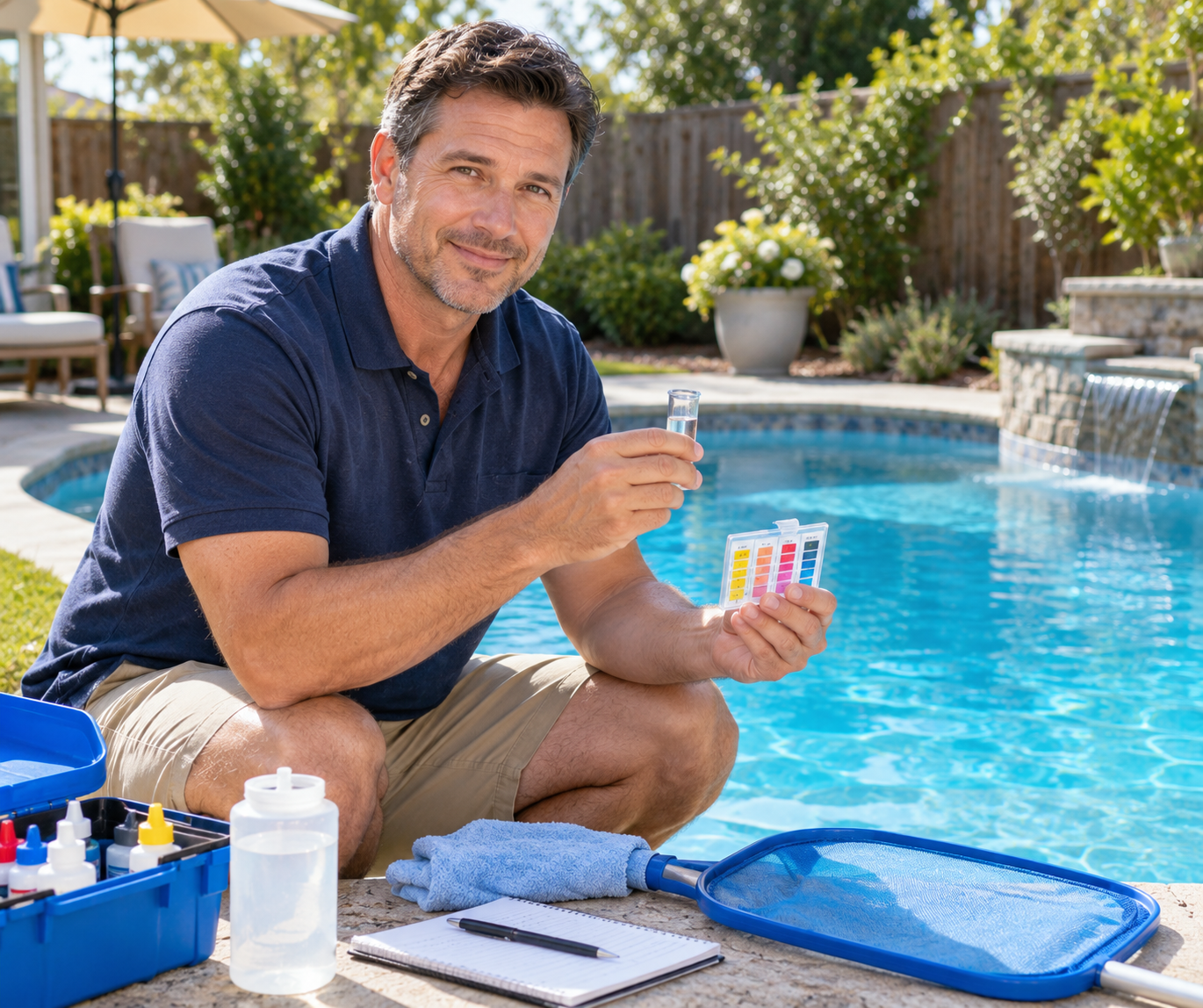

Fine sand and windblown silt settling across deep-end floor slopes can turn weekend pool maintenance into an exhausting chore. Dragging out manual vacuum hoses and brushing stubborn algae off plaster walls eats up hours you would rather spend swimming. Investing in the best robotic pool cleaner for inground pools changes that routine entirely by taking over scrubbing and debris collection on autopilot. Based on product specifications and user feedback, modern automatic units operate independently from your main pool filter, which reduces backwashing and saves your skimmer pump from unnecessary wear. Many pool owners love watching these smart machines climb vertical walls and scrub waterline scum lines without getting stuck on main drains.
Tackling heavy leaf drop and fine particles requires dependable motor power and multi-layer filtration baskets that capture both coarse twigs and microscopic dust. Cordless models with rechargeable lithium packs eliminate annoying cable tangles around ladder rails, while traditional corded units deliver nonstop runtimes for deeper plaster basins. Keeping your pool water balanced also frees up your schedule to unwind, perhaps while enjoying a therapy hot tub for muscle relief on chilly evenings. Our evaluation of filtration ratings and motor durability suggests that choosing an automatic cleaner with high-grip tracks provides the cleanest swim environment with minimal manual pole work.





Frequently Asked Questions
Can the best robotic pool cleaner for inground pools safely climb vinyl liner walls?
Yes, most models equipped with soft PVC brushes and rubber drive tracks climb vinyl safely without causing abrasions or tears. Track-driven units distribute weight evenly across slick vinyl slopes and smooth fiberglass walls. Regularly emptying the top-loading filter basket prevents excess weight from pulling the unit down during wall ascents.
How do robotic pool cleaners navigate over main drain covers?
Raised chassis clearance and active front rollers allow most robotic cleaners to glide over raised drain lids without stalling. Internal sensors detect resistance and reverse the drive tracks to steer away from suction grates. Running your pool pump on low speed during cleaning cycles prevents high suction from pinning the unit to the floor.
Do robotic cleaners capture fine silt and algae dust?
Yes, models with ultra-fine filtration cartridges or dual-layer mesh baskets trap fine silt, sand, and dead algae. Coarse baskets catch leaves and twigs, while inner micro-mesh screens trap fine dust before returning polished water to the pool. Rinsing the filter panels with a garden hose keeps suction at peak performance.
What is the typical battery runtime for a cordless pool vacuum in 2026?
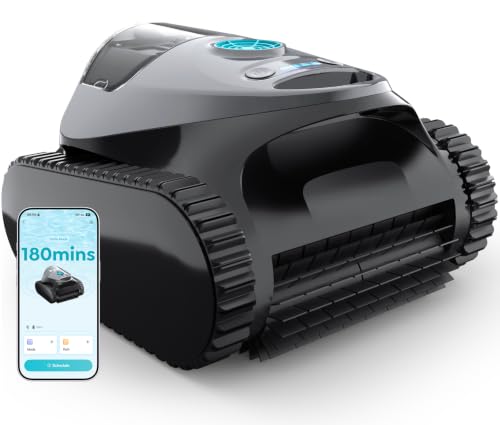
Most cordless pool cleaners run between 120 and 190 minutes on a single charge. This runtime is generally sufficient to scrub the floor, walls, and waterline in pools up to 2,000 square feet. Recharging the internal battery usually takes 2.5 to 3 hours before the next cleaning session.
Does a robotic pool cleaner require a booster pump or dedicated suction line?
No, robotic pool cleaners operate completely independently with onboard electric motors and internal filter baskets. They do not rely on your pool pump or skimmer suction, saving significant energy compared to older pressure-side units. Storing your cleaner in a shaded spot after use preserves the motor seals, much like winterizing care for the best hot tub for winter use during freezing weather.




Write Your Review
No reviews yet. Be the first to share your experience!