
Dragging a manual vacuum pole across a wide plaster bottom under the scorching sun can turn weekend relaxation into an exhausting chore. Floating cables often tangle into stubborn knots, while fine silt and dead algae slip right past basic skimmer nets to leave cloudy patches across your deep end. Investing in the Best Pool Cleaner Robots helps automate this entire routine, scrubbing down stubborn waterline scum lines and vacuuming heavy debris before it chokes your pump basket. While patio owners often explore the best hot tub brands reddit users discuss for hot water soaking, swimming pool care requires dedicated motorized equipment to scrub surfaces and capture debris independently.
Based on product specifications and user feedback, today’s top automated pool machines use intelligent path navigation, active scrubbing brushes, and multi-layer filtration systems to handle everything from large oak leaves to ultra-fine sand. Whether your pool features a slick fiberglass shell, traditional gunite, or a delicate vinyl liner, modern cleaners provide balanced traction across floors and walls without damaging surfaces. Running an efficient robotic unit cuts down chemical demands, relieves strain on your main filtration pump, and saves hours of back-breaking manual labor each week.




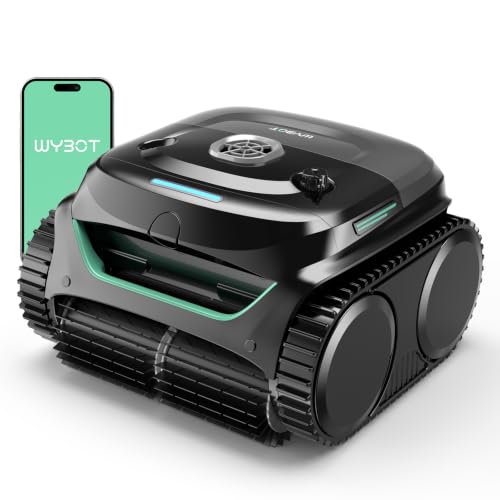
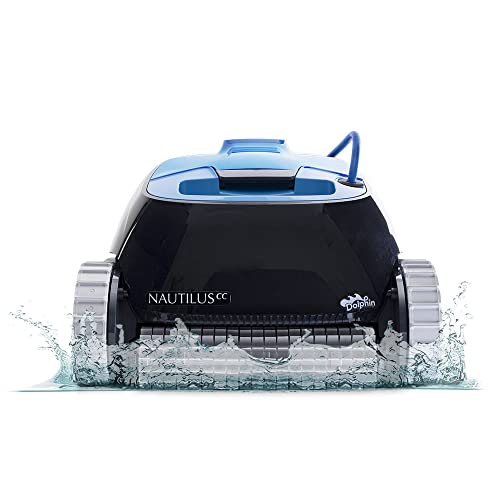
Frequently Asked Questions
Can the Best Pool Cleaner Robots climb walls on vinyl liner pools without slipping?
Yes, most tracked robotic cleaners climb vinyl walls effectively as long as algae is not present on the liner. Soft rubber tracks and balanced drive motors provide sufficient traction to scale vinyl, fiberglass, and gunite surfaces alike. If your pool develops a slick algae film, running an active scrubbing cycle after balancing water chemistry restores proper climbing grip.
How do cordless battery vacuums compare to corded robotic cleaners in 2026?
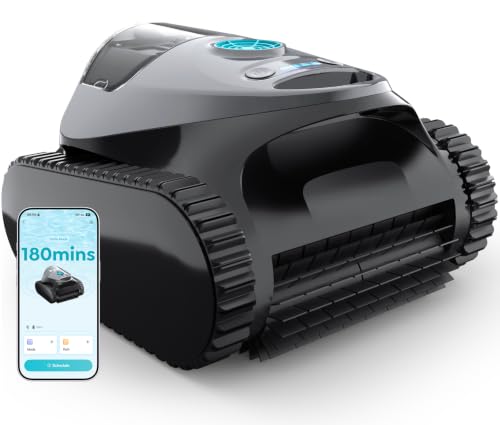
Cordless battery models eliminate floating cable tangles and power outlet distance limits, while corded units offer unlimited runtimes for back-to-back cleaning cycles. Modern cordless units now run between 120 to 300 minutes on a single charge, which covers standard in-ground pool footprints before needing a dock recharge. Corded models remain popular for pool owners who prefer automated weekly schedules without having to retrieve and recharge the device manually.
Do robotic pool cleaners require a dedicated booster pump?
No, robotic pool vacuums operate completely independently of your pool’s main filtration pump and do not need a booster pump. Unlike pressure-side vacuums that rely on booster pump lines or suction-side cleaners attached to the skimmer, robotic models contain internal drive motors and pump impellers. They plug directly into a standard electrical outlet or run on built-in lithium batteries, significantly reducing overall electricity consumption.
Will a robotic pool vacuum get stuck on raised main drain covers?
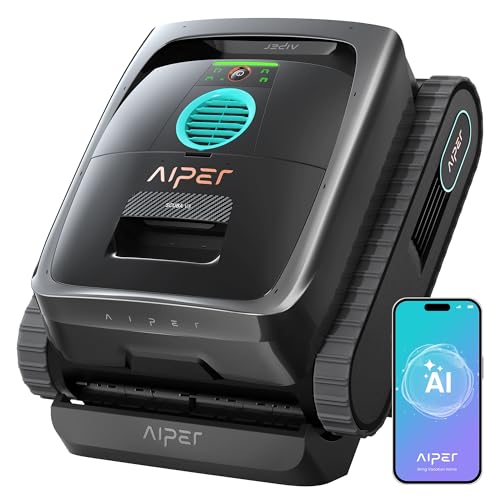
Most modern units navigate over standard drain covers using high-clearance chassis designs and continuous rubber tracks. Cleaners equipped with smart obstacle detection sense resistance and reverse or pivot away before getting pinned. If you have an unusually tall anti-vortex drain lid, adding an inexpensive drain ring ramp prevents the cleaner brushes from catching on the edges.
How often should you clean the top-load filter basket?
Empty the filter basket after every cleaning cycle to maintain strong suction power and water flow. Rinsing the fine mesh screens or pleated cartridges with a standard garden hose prevents decaying organic material from leaching phosphates back into your water. Homeowners balancing pool upkeep alongside hydrotherapy spas might also check out the best therapy hot tub for targeted muscle recovery after a day of yard maintenance.
Are the Best Pool Cleaner Robots safe to use in saltwater swimming pools?
Yes, quality robotic cleaners are engineered with corrosion-resistant plastics and sealed motor housings that tolerate standard saltwater chlorination levels. Manufacturers design these units to operate safely in salt concentrations up to 5,000 ppm without premature wear on internal bearings. Rinsing the entire cleaner with fresh tap water after pulling it from the pool prevents salt crust from forming around the wheels and motor shaft seals.




Write Your Review
No reviews yet. Be the first to share your experience!