
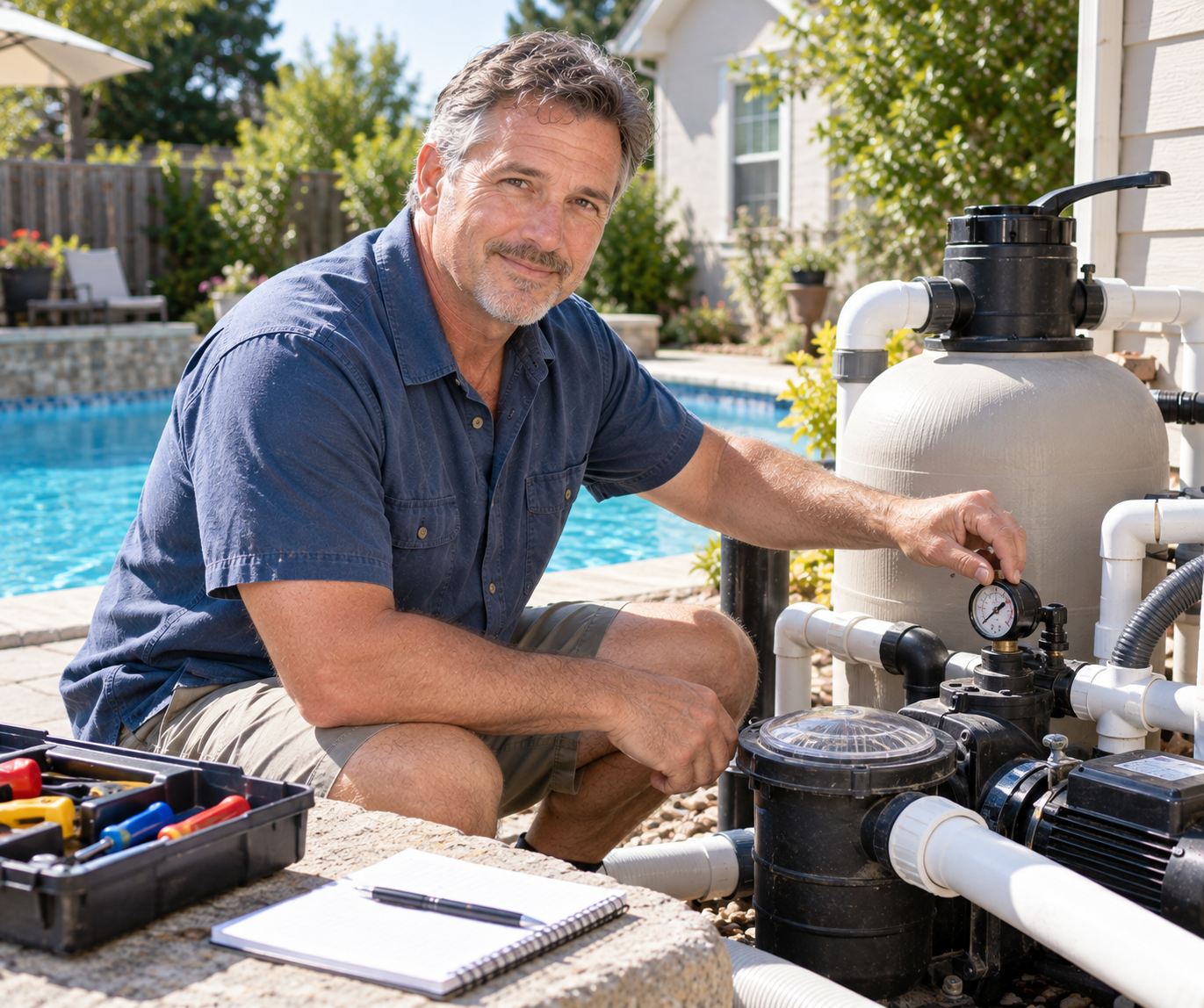

Heavy autumn leaf drops quickly choke surface skimmers and overburden pump strainers, leaving thick organic blankets rotting across pool floors. Decaying foliage releases tannins that stain plaster and drag down water clarity, forcing pool owners into hours of back-straining pole work. Investing in the best pool cleaner for lots of leaves prevents these headaches by gathering wet oak leaves, twigs, and seed pods before they starve your pool pump of water flow. Homeowners balancing outdoor chores, whether vacuuming a swimming pool or caring for a hot tub for winter use, benefit from dedicated debris tools. Independent leaf vacuums collect high volumes of refuse directly into porous mesh bags, taking the strain off your primary filter system.
Careful evaluation of pressure-jet heads and cordless battery systems highlights practical options for heavily wooded yards. Water-powered leaf eaters use regular garden hose flow to produce a venturi vortex, pulling waterlogged debris off the bottom without consuming electricity. Meanwhile, rechargeable battery sweepers let you clean shallow steps and deep floors without dragging heavy vacuum hoses across the coping. Equipping your maintenance routine with reliable heavy debris removal tools safeguards pump impellers, balances sanitizer demand, and preserves crystal-clear water all season.


Frequently Asked Questions About Pool Leaf Vacuums
Does a garden hose leaf vacuum alter pool water chemistry?
Yes, garden hose powered vacuums introduce fresh tap water that can slightly adjust your chemical balance. These cleaners use residential water flow to create venturi suction, pushing debris into a mesh bag while adding new water to your pool. Testing total alkalinity and pH levels after extensive storm cleanup ensures your chemistry stays balanced. If you prefer zero water addition, battery-powered vacuums circulate existing pool water without altering your chemical baseline.
Can cordless leaf vacuums handle pine needles and twigs?
Cordless pool vacuums easily pick up pine needles, seeds, and small twigs, but large sticks can obstruct the suction throat. High-speed propeller drives pull loose yard waste straight into high-capacity filter bags without requiring a booster pump. Sticks exceeding several inches in length can wedge sideways in the vacuum mouth. Scooping out large fallen branches with a rake beforehand helps maintain peak flow across the pool bottom.
Are garden hose leaf vacuums safe for vinyl pool liners?
Yes, quality leaf vacuum heads are safe for vinyl liners when equipped with smooth perimeter bumpers and multi-directional wheels. Swivel caster wheels elevate the vacuum body slightly to prevent the housing from dragging against vinyl seams or fiberglass gel coats. Perimeter bristles loosen stuck leaves while cushioning contact with pool slopes. Keeping the head flat along the floor ensures swift cleaning without scuffing delicate pool surfaces.
How does an in-line leaf canister protect pool equipment?
An in-line leaf canister captures heavy organic waste before it enters the skimmer throat or pump strainer basket. Installing this clear plastic trap between suction hose sections catches leaves and twigs in an internal basket. This setup prevents clogged underground plumbing lines and protects the pump impeller from damage. Clear housing makes it easy to monitor debris levels so you can empty the basket without losing pump prime.
Can you use a cordless leaf vacuum in spas and hot tubs?
Yes, cordless leaf vacuums work effectively in spas and hot tubs due to their compact, hoseless build. These portable units maneuver easily around tight seating contours where oak leaves and yard debris accumulate. Owners maintaining both a swimming pool and a dedicated therapy hot tub can clean small footwells quickly. Their self-contained battery operation eliminates the hassle of connecting hoses to small spa suction ports.




Write Your Review
No reviews yet. Be the first to share your experience!