
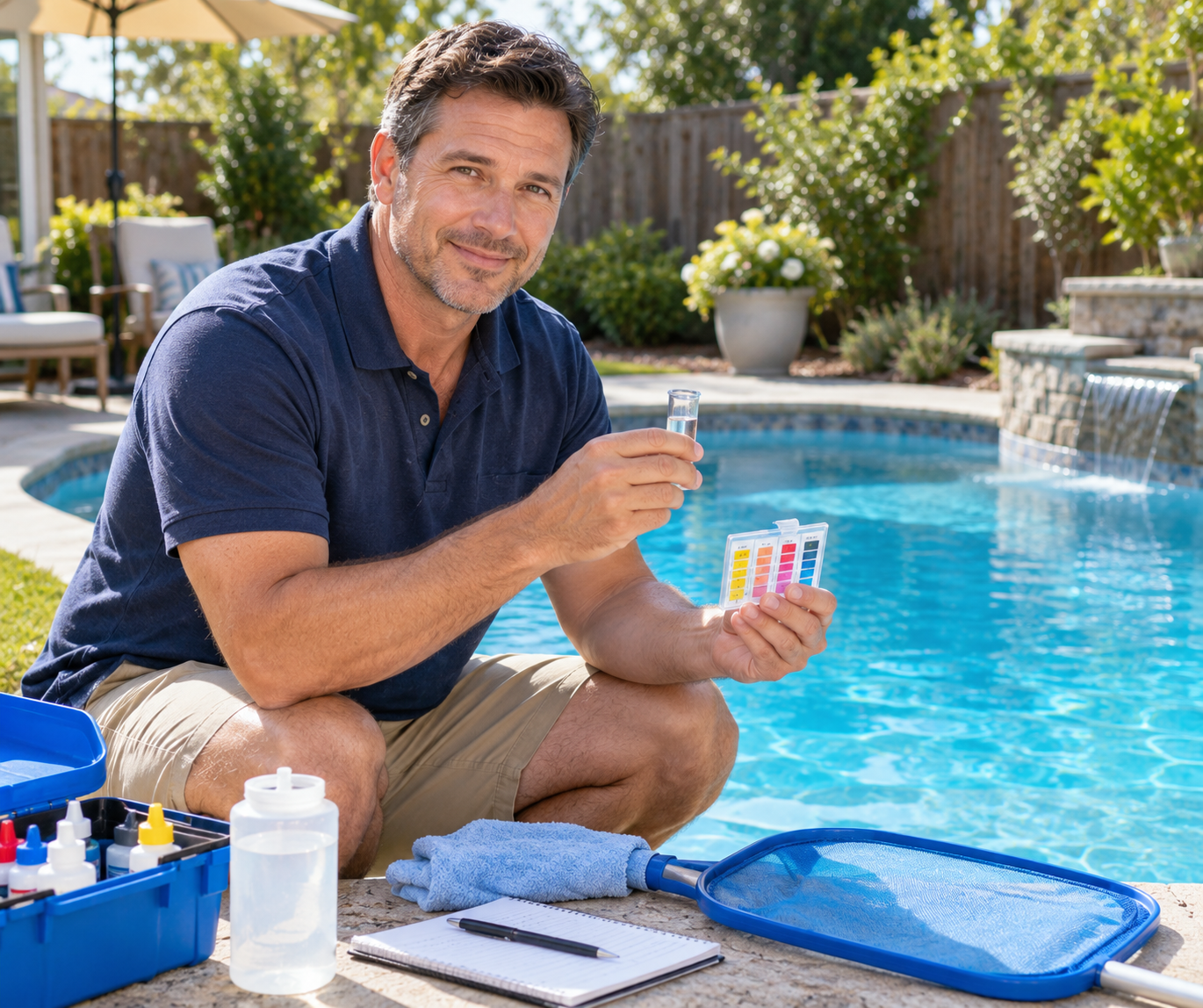

Overcoming Fine Silt and Debris in Compact Basins
Fine sand, windblown silt, and stubborn algae settling along bottom seams can turn any cozy plunge pool into a constant maintenance chore. Dragging out awkward vacuum hoses or scrubbing walls under the hot sun gets old fast. Choosing the best robotic pool cleaner for small pools gives you your weekends back while keeping the floor spotless without wasting power. Based on our detailed comparison of filtration ratings, motor types, and user feedback, smaller pools require nimble machines that turn quickly in confined spaces without stalling on main drains. These agile units run independently from your main pump, which protects your equipment while keeping the water inviting for a backyard that might also feature a compact 2-3 person hot tub for weekend relaxation.
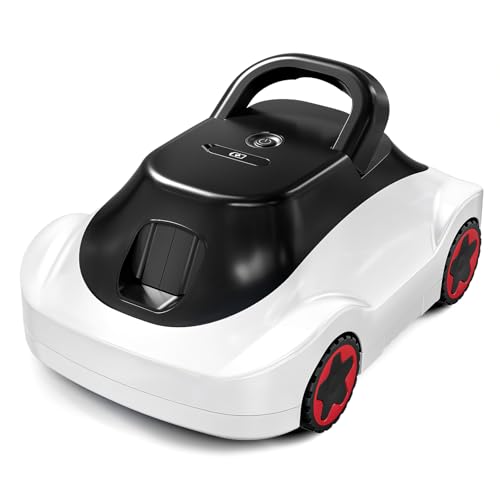
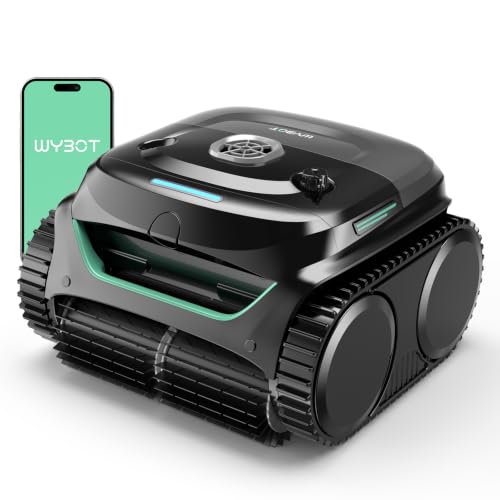
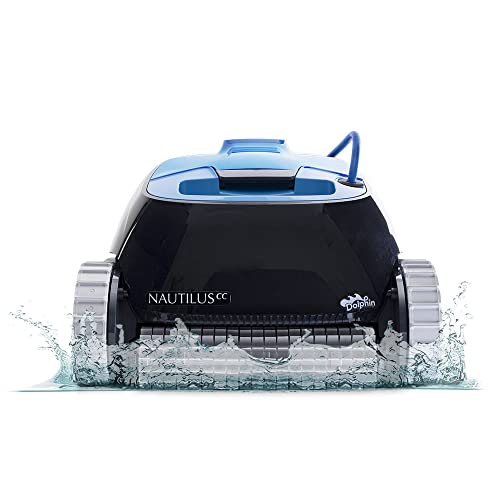
Top automatic cleaners for tighter basins rely on active scrubbing brushes to break down slick biofilm before it takes hold. Modern cordless units and compact corded models pack dense mesh baskets that trap gritty dirt without choking pool circulation. Our research into listed features suggests that choosing a machine with smart pathing prevents repetitive wandering, ensuring every corner gets swept. Easy top-access baskets make emptying debris simple, so you spend less time cleaning and more time swimming.


Frequently Asked Questions
Do small pools require a dedicated robotic cleaner instead of a suction cleaner?
Yes, robotic pool cleaners offer far superior energy efficiency and debris collection compared to suction models in smaller pools. Suction cleaners strain your skimmer and require your main pump to run at higher speeds. A dedicated robotic model operates on low-voltage power, trapping sand and leaves inside an independent top-load filter basket. This protects your primary filter from clogging and lowers electricity costs.
Can the best robotic pool cleaner for small pools handle steep transitions and pool walls in 2026?
Yes, many compact robotic units feature high-grip tracks and active scrubbing brushes designed to scale steep slopes and vertical walls. While flat-bottom cleaners stick to the floor, wall-climbing designs use dedicated motors to reach the waterline and remove oily scum rings. This feature helps vinyl liner and fiberglass owners avoid manual brushing while maintaining balanced water circulation.
Are cordless battery vacuums practical for compact pool shapes?
Yes, cordless robotic cleaners are exceptionally practical for smaller layouts because they eliminate floating cable tangles. Built-in lithium batteries offer runtimes up to 180 minutes, easily covering pools under 1,500 square feet. Once finished, auto-parking docks the robot near the edge for retrieval. Similar to simple water maintenance outlined in our guide on inflatable hot tub ownership, battery units save valuable setup time.
Will a robotic cleaner damage vinyl liners or fiberglass surfaces?
No, robotic cleaners built for residential pools use soft PVC roller brushes and smooth tracks that will not scuff delicate surfaces. They distribute weight evenly to prevent excessive friction on vinyl seams or fiberglass gel coats. You should still inspect the tracks periodically for trapped gravel that could drag along the floor during a cycle.
How fine of debris can the best robotic pool cleaner for small pools capture?
Most compact cleaners trap particles down to 150 to 180 microns, with advanced units capturing fine silt down to 10 microns. Dual-layer filtration baskets catch both bulky oak leaves and fine sand or dead algae. Rinsing the filter basket with a garden hose after each cycle keeps suction strong and prevents fine grit from recirculating.



Write Your Review
No reviews yet. Be the first to share your experience!