
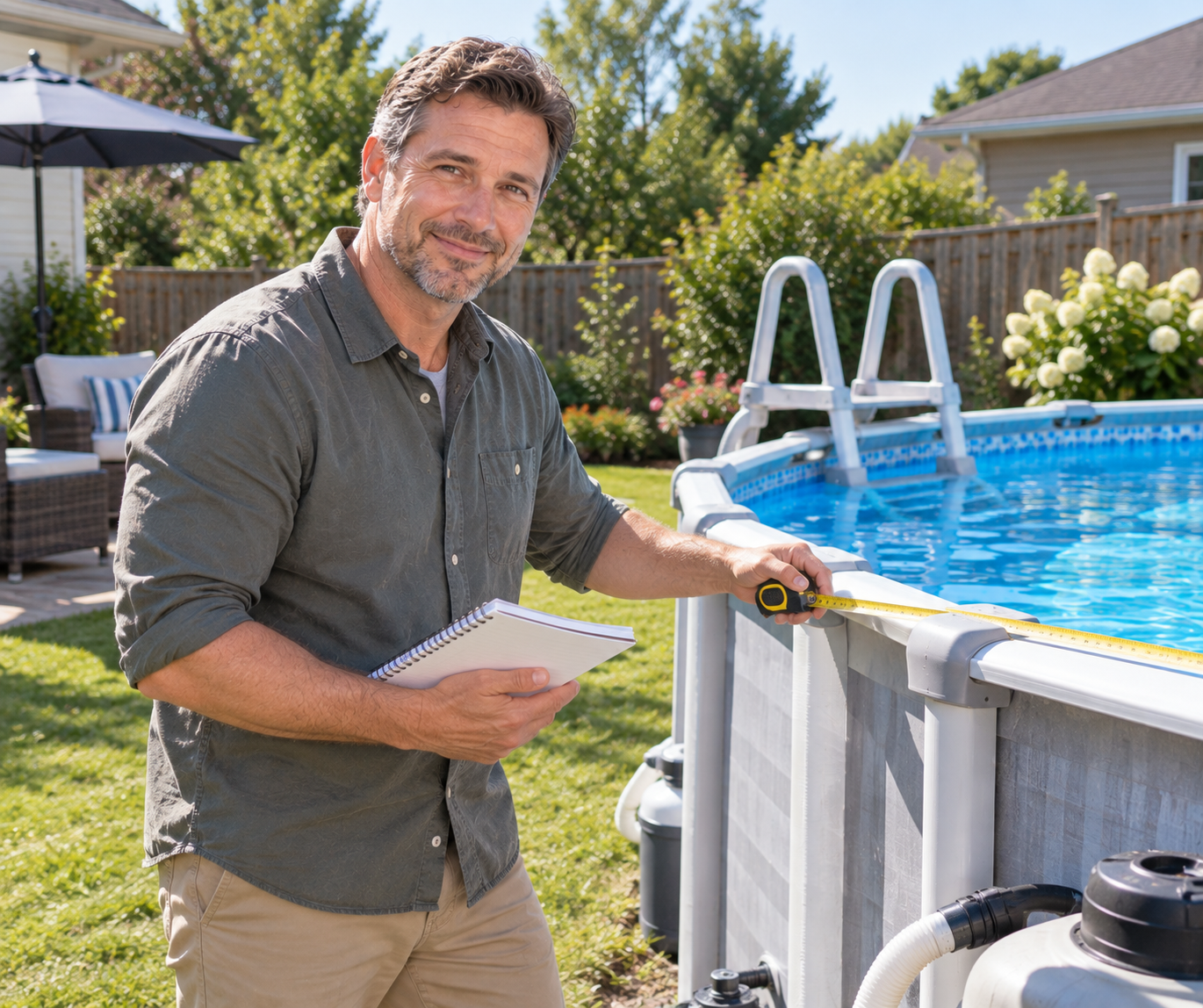

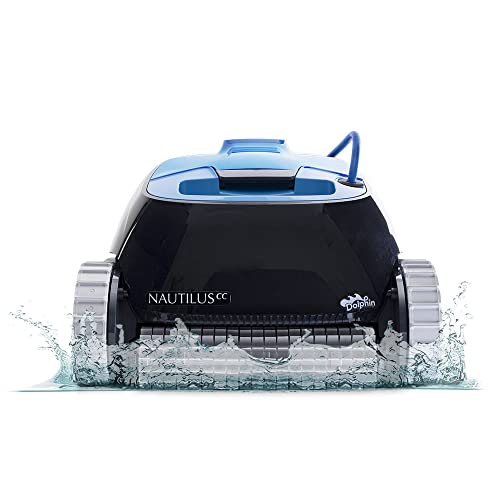
Porous aggregate and rough plaster finishes tend to trap fine dirt, algae spores, and grit deep inside tiny surface pockets. Standard suction cleaners often struggle on these textured surfaces, stalling against raised main drains or lacking the scrubbing power needed to dislodge stubborn waterline scum. Selecting the best robotic pool cleaner for gunite pool surfaces means prioritizing active motorized brushes, aggressive track drive traction, and top-tier fine particle filtration. Our review of technical specifications, filtration capacities, and user feedback highlights how autonomous cleaning systems lift heavy debris without placing extra strain on your pool pump. Just as maintaining seasonal patio comfort involves reviewing the best hot tub for winter use, matching your pool vacuum to rough masonry preserves plaster longevity and keeps water sparkling.
Rough concrete basins demand independent dual scrubbing rollers and smart path navigation to avoid premature tread wear and missed patches. Modern units feature high-capacity, top-loading filter baskets that capture both decaying autumn leaves and microscopic silt in a single pass. Investing in a reliable robotic pool cleaner for gunite eliminates the back-breaking hassle of manual pole brushing while cutting chemical demand across the swimming season.


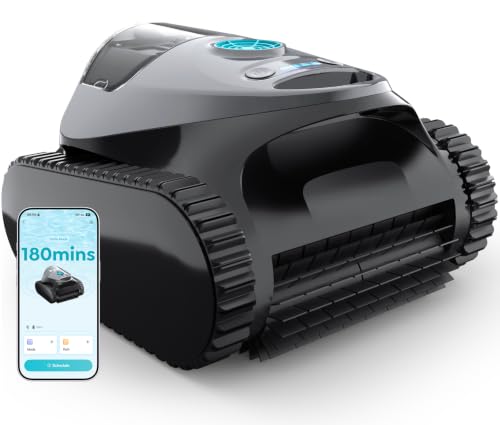

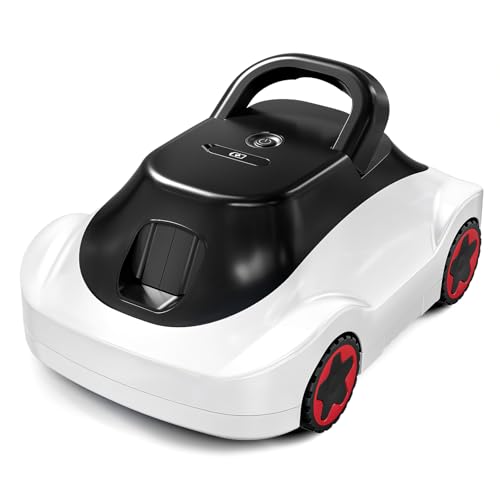
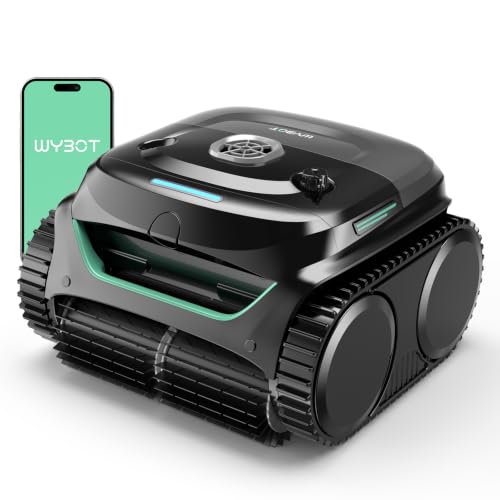
Frequently Asked Questions
Why do gunite pools require specific brush materials on a robotic cleaner?
Stiff PVC or active rubber scrubbing brushes work best because porous gunite surfaces harbor algae and embedded debris. These heavy-duty bristle rollers actively scrub coarse aggregate without shredding against the rough masonry. Soft foam rings or slick PVA rollers, which are made specifically for smooth fiberglass, wear down much faster on rough plaster finishes.
Can robotic cleaners easily climb rough plaster walls and reach the waterline?
Yes, models equipped with continuous rubber tracks and dual-drive motors easily scale vertical gunite walls. The tracked drive mechanism creates superior mechanical grip over bumpy plaster textures compared to smooth wheels. Strong onboard pump motors provide vertical suction, holding the cleaner firmly against the tile border to scour away stubborn grime and scum.
Do robotic pool vacuums get hung up on raised main drains in gunite pools?
Most modern units handle standard main drains smoothly, especially those featuring high ground clearance and tracked tread designs. Many cleaners incorporate obstacle navigation sensors and raised bottom rollers that lift the chassis over high-profile drain covers. If a cleaner ever catches on an older anti-vortex lid, adjusting the navigation cycle or adding an inexpensive drain ramp ring resolves the problem.
What filtration setup is best for capturing plaster dust and fine sand?
Dual-stage filtration combining a rigid debris basket with ultra-fine pleated cartridges provides the best results for masonry pools. Coarse mesh baskets collect heavy leaves, twigs, and acorns, while sub-20-micron pleated filters capture fine aggregate dust, pollen, and dead algae. Cleaning both layers regularly maintains strong suction flow and keeps pool water crystal clear throughout 2026.
How does using an autonomous pool robot protect your main pump system?
Robotic vacuums operate completely independently from your primary pool filtration circuit and skimmer lines. They run on internal low-voltage motors, meaning your pool pump does not bear extra head pressure or filter leaf clogs. Backyard owners who also manage separate spa equipment, such as when evaluating whether to buy an inflatable hot tub, appreciate how self-contained filtration simplifies weekly equipment maintenance.



Write Your Review
No reviews yet. Be the first to share your experience!