
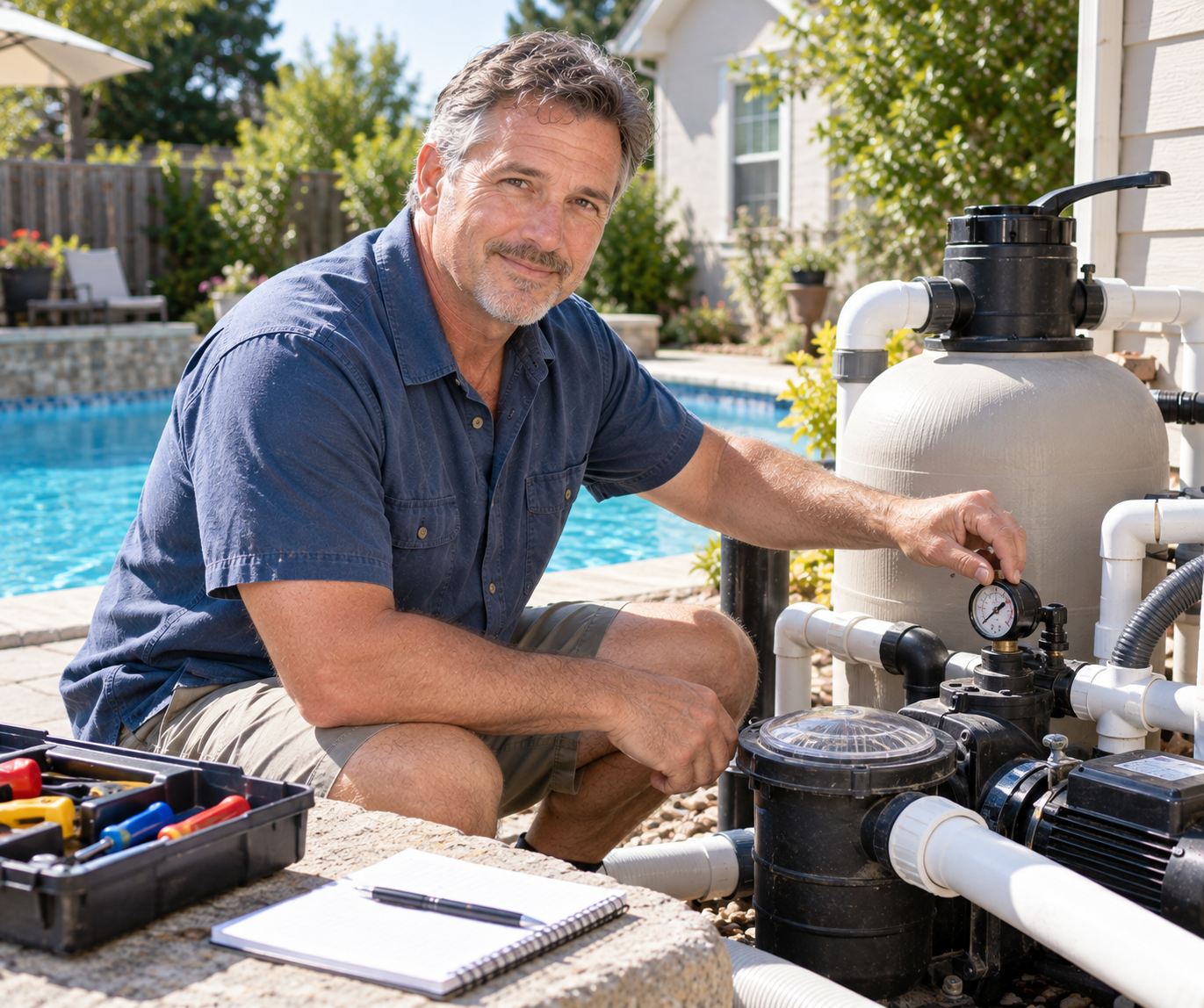

Heavy leaf fall and stubborn silt settling across the deep end can turn weekend pool care into an exhausting chore. Dragging out manual hoses and fighting weak pump suction drains your energy, leaving barely any time to relax in an inflatable hot tub or enjoy the water with family. Investing in the best vacuum cleaner for inground pool changes that routine entirely by taking over the heavy lifting of scrubbing floor tiles, scaling plaster walls, and capturing fine sediment. Pool owners need dependable equipment that glides over main drains, picks up twigs, and keeps circulation strong without demanding constant supervision.
Based on product specifications and user feedback across top brands, selecting the right cleaner comes down to motor power, filtration density, and surface grip. Cordless robotic models now deliver hours of runtime with high-capacity filter baskets, while suction-side units leverage your skimmer line to clean gunite, vinyl, and fiberglass surfaces smoothly. A dependable automated cleaner eliminates cloudy water, protects your pump impeller, and restores sparkling pool surfaces with minimal physical effort.




Frequently Asked Questions
What is the difference between a robotic and suction-side pool cleaner?
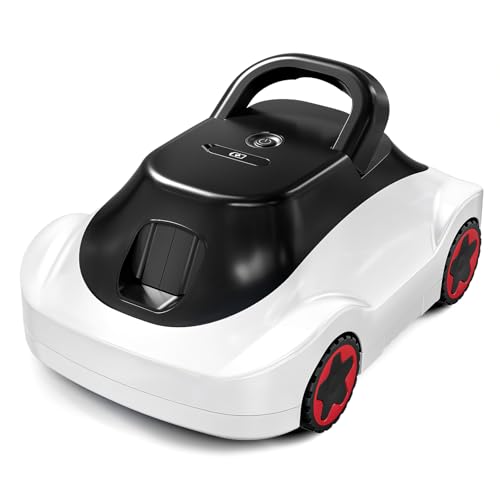
Robotic pool cleaners operate independently with self-contained motors, while suction-side models rely on your pool pump’s suction line. Robotic units use internal filter baskets to capture dirt without loading your skimmer basket. Suction cleaners connect to a skimmer and require a pump rated at least 3/4 horsepower or 1600 GPH to navigate floors and climb walls.
How do in-ground pool cleaners avoid getting stuck on main drains?
Cleaners use wheel deflectors, continuous drive tracks, and smart navigation to roll over raised drain covers. Suction units with 36-fin discs create a solid seal while gliding over uneven grates. Modern robotic units feature intelligent path planning that reverses direction automatically whenever forward momentum stalls.
Are automatic pool cleaners safe for vinyl liner in-ground pools?
Yes, most robotic and suction cleaners protect vinyl liners when equipped with soft rubber tracks, scuff-resistant hoses, or non-abrasive brushes. Balancing your suction regulator valve prevents excessive downforce against delicate liners. Wheel deflectors also prevent sharp turns that might scuff pool corners.
Can an in-ground pool vacuum pick up fine sand and algae silt?
Yes, cleaners equipped with ultra-fine mesh filters down to 180 microns trap fine dirt, algae dust, and blowing sand. Standard coarse mesh bags only catch larger leaves and twigs, letting silt blow straight through. A cleaner with dual-layer filtration or micro-mesh ensures pool water stays spotless.
How long does a cordless pool vacuum battery last in 2026?
Most cordless robotic cleaners provide between 100 to 190 minutes of runtime on a single charge in 2026. High-capacity lithium batteries recharge in 2 to 3 hours, covering pool floors up to 2,150 square feet. Auto-parking features guide the unit near the pool wall for simple retrieval.
Can you use an in-ground pool cleaner in an attached spa or hot tub?
No, automatic pool cleaners are too bulky for the tight benches and contours of attached spas. A handheld cordless pool vacuum works much better for tight corners, just as you would maintain a therapy hot tub without equipment hang-ups. Handheld wands let you clear grit from steps in minutes.



Write Your Review
No reviews yet. Be the first to share your experience!