
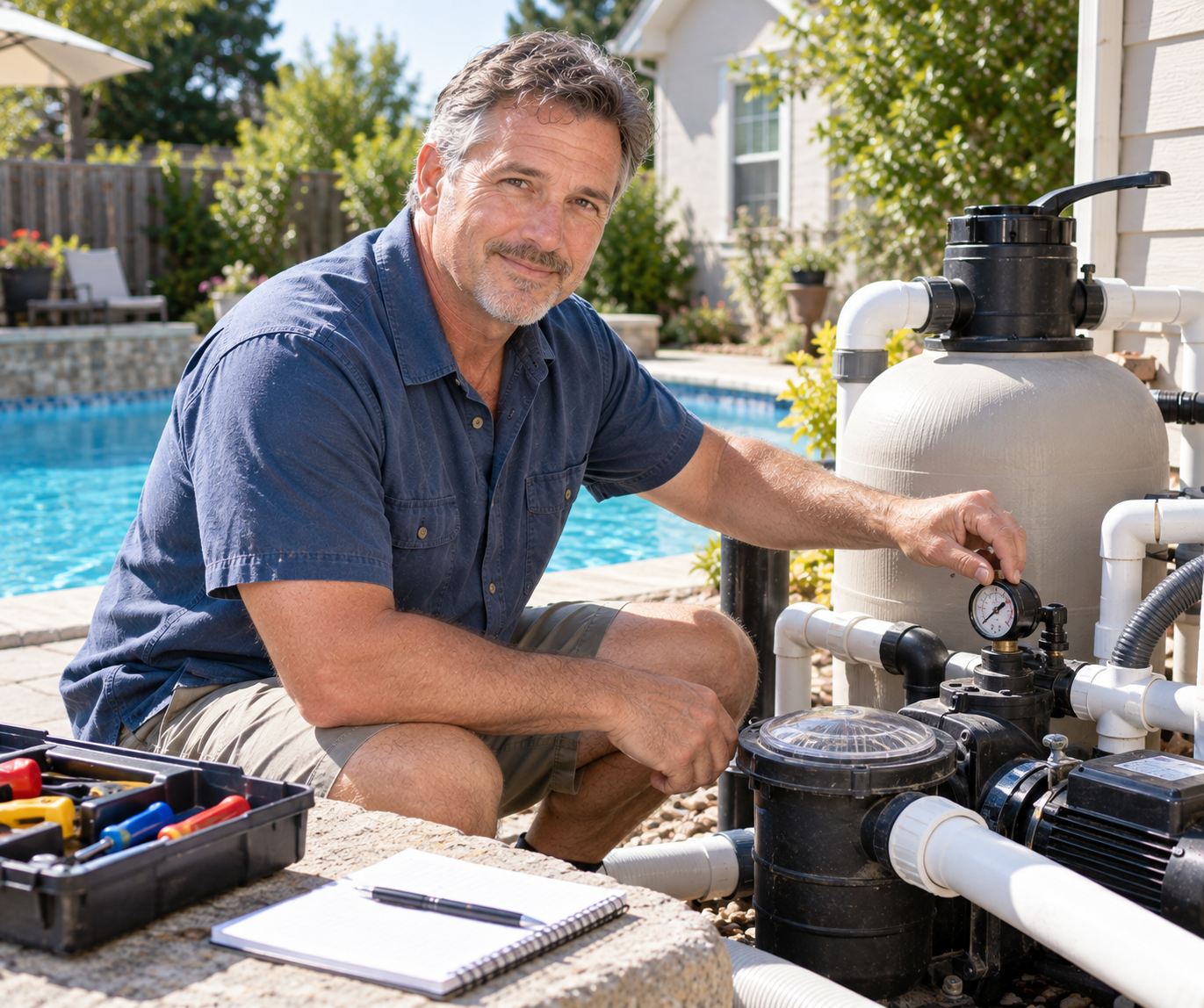

Electric bills can climb if a spa loses heat quickly, but a replacement pump alone won’t tell you what the whole tub costs to run. The cost to run 240v for hot tub depends on more than voltage: heater use, insulation, cover fit, water temperature, pump schedule, and local electricity rates all matter. A 240V label describes the pump’s rated supply, not a guaranteed monthly bill or a direct comparison with a 110V plug-and-play spa.
The LINGXIAO SPA Pump, Single Speed SPA Hot Tub Pump is listed for 220-240V, 60Hz, and 12.0 amps, with a 4.0-horsepower rating and 2.5-horsepower output. Those figures can help you compare a replacement with your existing pump, but they don’t establish the tub’s total energy use. Check the original pump model, plumbing size, and electrical requirements before ordering; the product listing specifies 2-inch plumbing and advises confirming OEM parameters. A well-fitting insulated cover also helps limit heat loss, so browse these yard and patio hot tub cover options as part of your operating-cost planning.
After carefully analyzing the listed specifications, this pump appears aimed at replacement, not at upgrading every spa’s jet performance or lowering energy use by itself. Its listing mentions copper windings, an anti-creep bearing, a thermal protector, included 2-inch unions, and a one-year warranty. Match the pump to the tub’s plumbing and electrical setup, and have a qualified installer assess wiring needs rather than assuming a 240V replacement is a simple swap. The FAQs below explain what the available details can and can’t tell you about 240V hot tub running costs.

FAQs
Can this pump tell me the monthly cost to run a 240V hot tub?
No, the pump specifications alone can’t establish a monthly bill. The listing gives 220-240V, 12.0 amps, and a 4.0-horsepower rating, but not operating hours, whole-spa heater use, energy consumption over time, or your utility rate. Estimate costs from your spa’s actual equipment and local electricity pricing.
Is a 240V hot tub always cheaper to operate than a 110V spa?
No, voltage by itself doesn’t determine operating cost. A 240V spa may support different heating and equipment configurations than a 110V plug-and-play model, but insulation, heater use, cover condition, and climate affect energy demand. Compare complete spa specifications rather than voltage alone.
Will the LINGXIAO pump fit any 240V hot tub?
No, compatibility isn’t universal. This model is listed for 220-240V, 60Hz and 2-inch plumbing, and the manufacturer advises checking the OEM model and old pump parameters. Verify unions, electrical ratings, and the spa’s requirements before purchase.
Does 4.0 horsepower guarantee stronger hydrotherapy jets?
No, horsepower alone doesn’t guarantee jet pressure. The listing describes a 4.0-horsepower pump rating and 2.5-horsepower output, but provides no jet count, pressure rating, or spa plumbing layout. Match the replacement pump to the original system instead of using horsepower as a stand-alone massage measure.
What should I check before installing a 220-240V spa pump?
Confirm the pump’s voltage, frequency, amperage, plumbing connections, and OEM compatibility before installation. The listing states 220-240V, 60Hz, 12.0 amps, and 2-inch ports; it doesn’t specify the electrical circuit requirements for your particular spa. Ask a qualified installer to verify the existing setup, and review hot tub cover options with warranty details if heat retention is also a concern.
Can a thermal cover reduce hot tub electricity costs?
Yes, a properly fitting, insulated cover can help reduce heat loss, though savings vary by spa, weather, and use. This pump listing doesn’t give a cover R-value or insulation details for a hot tub. Check cover fit and condition alongside heater and pump settings when assessing your Cost To Run 240v For Hot Tub for 2026.





Write Your Review
No reviews yet. Be the first to share your experience!