

Draining and refilling your spa provides a welcome reset after months of heavy bather use, dissolved organic residue, and chemical accumulation. Many new and experienced spa owners naturally ask, should i shock my hot tub after refilling with fresh garden hose or municipal water? The short, definitive answer is an emphatic yes, because even seemingly clear domestic tap water carries dormant bacteria, microscopic minerals, and unseen organic matter that need immediate oxidation. Running your jets without an initial shock allows bio-contaminants to colonize warm plumbing manifolds, which can quickly trigger foul odors and milky water. Protecting your investment also means keeping debris out during the refill cycle, which is why pairing clean water with a durable yard patio hot tub cover helps maintain optimal thermal and chemical balance.
Adding a sanitizing or oxidizing shock right after a fresh fill establishes a reliable baseline sanitizer residual and destroys contaminants before biofilms take hold. Tap water is not sterile water, and the introduction of 100-degree heat creates an ideal incubator for rapid biological growth if left untreated. Balancing your total alkalinity and pH levels alongside an initial shock prevents equipment scale and skin irritation, ensuring your spa remains safe and inviting. Whether you prefer a chlorinated shock like SpaGuard Enhanced Shock or an oxygen-based monopersulfate oxidizer such as AquaDoc Non Chlorine Hot Tub Shock, following a deliberate startup chemical sequence saves countless hours of troubleshooting later.





Complete Guide to Shocking and Balancing Fresh Hot Tub Water
Executing a fresh water refill restores water purity, but the maintenance process begins the moment the hose turns off. When deciding whether you should shock your hot tub after refilling, treating the water immediately is vital for clarity and bather comfort. Fresh tap water contains microscopic contaminants, trace organic matter, and volatile compounds that municipal utilities neutralize only for cold drinking standards. Applying a shock treatment immediately after the spa fills neutralizes incoming impurities and establishes a stable chemical baseline.
The Chemical Science Behind Fresh Fill Water and Contaminants
Municipal tap water and private well water are rarely as biologically inert as they appear in a glass. Water traveling through supply pipes absorbs minute amounts of non-living organic residue, dissolved minerals, and lingering sediments that react unpredictably once heated. At the same time, the residual disinfectant added by municipal treatment plants dissipates rapidly when exposed to agitation and heat. Without an immediate post-refill shock, these dormant materials create a chemical demand that quickly depletes standard maintenance sanitizer levels.
The environment inside a hot tub creates prime conditions for rapid bacterial reproduction. Pumping fresh water into a spa shell and raising the temperature to 100 degrees Fahrenheit acts as a biological incubator. Even small amounts of bacteria or mold spores present in plumbing lines can multiply within hours. Shocking the water delivers the intensive oxidation surge required to destroy these micro-contaminants before they adhere to internal plumbing manifolds and form stubborn biofilms.
Sanitizer Shock Versus Non-Chlorine Oxidizers: Selecting the Right Chemistry
Spa owners generally choose between two primary shock treatments: chlorinated shock and non-chlorine oxidizers. Chlorinated shocks, including multi-purpose formulations like SpaGuard Enhanced Shock, utilize stabilized chlorine compounds to deliver an aggressive sanitizing kill alongside oxidation. This dual-action approach eradicates living pathogens while burning away non-living organic matter that causes dull, hazy water. For a brand new fill where baseline sanitizer levels are zero, applying a chlorinated shock is often the most direct method to establish a safe sanitizer residual.
Non-chlorine shock, commonly formulated from potassium peroxymonosulfate (MPS), operates purely as an oxidizing agent without adding free chlorine to the spa. Products such as AquaDoc Non Chlorine Hot Tub Shock and AquaJoyer Non-Chlorine Spa Shock excel at breaking down lotions, body oils, and cosmetic residue without spiking sanitizer parts per million. Because MPS treatments do not introduce chlorine, bathers can re-enter the spa much faster, typically within fifteen to twenty minutes after circulation. However, non-chlorine oxidizers do not register as EPA-approved primary biocides, meaning they must work in concert with a dedicated chlorine or bromine sanitizer program.
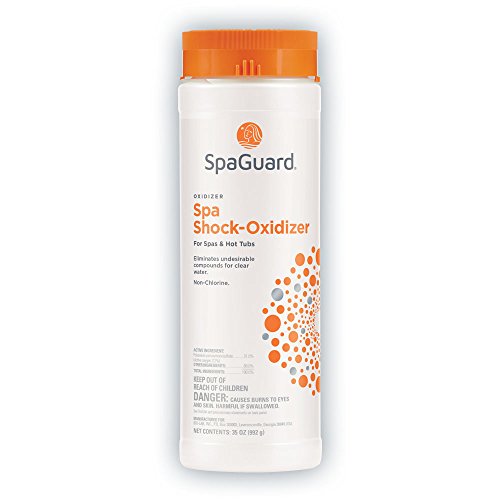
In spas utilizing bromine sanitization, non-chlorine shock plays a unique chemical role by reactivating dormant bromide salts into active hypobromous acid. Adding products like SpaGuard Spa Shock Oxidizer or Kriooxluue Chlorine-Free Hot Tub Shock Oxidizer oxidizes spent bromamines, converting them back into active, germ-killing sanitizers without creating pungent odors. This chemical reactivation makes non-chlorine oxidizers an indispensable weekly maintenance tool for bromine systems. Regardless of which system you manage, combining a primary biocide with an effective oxidizer prevents irritating chloramines and keeps the water sparkling clean.
Step-by-Step Chemical Startup Sequence After Refilling
Dosing chemicals in the proper order is critical to prevent cloudy precipitation, scaling, and equipment corrosion. The process begins during the refill by placing the garden hose directly into the empty filter well rather than dropping it onto the spa floor. Filling through the filter well forces water down through internal plumbing lines and the pump volute, purging trapped air and preventing pump air locks when power is restored. Once the water level reaches the midway point of the skimmer opening, you can safely turn on the main breaker and run the circulation pump.
Before adding any shock or sanitizer, you must test and balance your foundational water parameters. Total alkalinity serves as a chemical buffer for your pH, so it must be adjusted first to reach the target range of 80 to 120 parts per million. Once alkalinity stabilizes, check and adjust the pH to ensure it sits between 7.2 and 7.8. Adding shock to water with imbalanced pH or alkalinity reduces chemical efficacy and can trigger stubborn mineral cloudiness or calcium scale on the heater element.
With alkalinity and pH locked into their proper ranges, you can measure and add your initial startup shock dose. Turn on the high-speed jet pumps, remove the spa cover completely, and sprinkle the shock granules evenly across the surface of the moving water. Products like SpaGuard Enhanced Shock dissolve rapidly and circulate through every internal diverter and hydrotherapy jet line within minutes. Let the pumps run on high speed for at least twenty minutes with all secondary air controls turned off to maximize water flow through the plumbing.
After the initial shock cycle completes, allow the water to filter continuously for several hours before taking another chemical reading. Use reliable liquid test kits or multi-parameter test strips to verify that free available chlorine sits between 3 and 5 ppm, or total bromine measures between 3 and 6 ppm. If you utilized a non-chlorine shock oxidizer, you must introduce your regular primary sanitizer separately to achieve these target germicidal levels. Never enter the hot tub until the free sanitizer residual tests within safe operational limits.
Why You Must Never Close the Hot Tub Cover Immediately After Shocking
A widespread mistake among spa owners is slamming the thermal cover shut immediately after broadcasting chemical granules into the water. When shock breaks down organic matter, chloramines, and chemical byproducts, it generates intense acidic vapors and gasses that rapidly rise from the water surface. Trapping these corrosive off-gasses under a sealed cover creates a harsh, localized environment that attacks hardware and synthetic materials. Leaving the cover fully open for at least twenty minutes allows these volatile fumes to escape harmlessly into the open air.
Failing to vent the spa after shocking can cause severe, irreversible damage to your equipment and accessories. The corrosive gas cloud will deteriorate acrylic pillow headrests, bleach plastic jet faces, and corrode underside stainless steel fittings. Over time, trapped chemical vapors degrade the protective vapor barrier of your cover, allowing moisture to saturate the dense internal foam core. Investing in an insulated spa cover with warranty protection helps safeguard against harsh outdoor elements, but venting chemical off-gassing remains essential to prevent waterlogging and cover failure.
Evaluating Product Options for Startup Shock Treatments
Choosing the right shock product depends on your existing sanitizing system, bather load, and maintenance preferences. SpaGuard Enhanced Shock stands out as a versatile multi-purpose option that combines four distinct functions in a single container. In addition to delivering an aggressive chlorinated shock, it includes an integrated clarifier, a flocculant to bundle microscopic particles, and a built-in pH buffer to prevent balance swings. This all-in-one approach simplifies the post-refill startup routine considerably, especially for owners who want clean water without juggling multiple specialized additives.
For hot tub owners who prioritize gentle, non-irritating water, oxygen-based oxidizers offer a compelling alternative. Formulations such as AquaDoc Non Chlorine Hot Tub Shock dissolve almost instantaneously upon contact with circulating water. The oxygen-based chemistry targets non-living organic buildup like body perspiration, sunscreen, and cosmetic residues without raising chlorine levels or generating chemical odors. Similarly, AquaJoyer Non-Chlorine Spa Shock provides a fast-dissolving granular formula that functions smoothly in chlorine, bromine, and saltwater spa setups without requiring pre-mixing or dilution steps.
Budget-conscious spa caretakers and those managing compact plug-and-play spas often look toward straightforward oxidizing treatments like Kriooxluue 2LB Chlorine-Free Hot Tub Shock Oxidizer. This gentle spa treatment pours directly into the water stream, supporting crystal-clear conditions while remaining mild on pumps, heater manifolds, and acrylic surfaces. Meanwhile, SpaGuard Spa Shock Oxidizer provides specialized pH-stabilizing properties that prevent chemical bounce while clarifying cloudy water. Having a dependable oxidizer on hand ensures you can treat heavy bather loads quickly without locking yourself out of the spa for an extended waiting period.
Common Startup Pitfalls and Water Chemistry Mistakes to Avoid
One of the most frequent mistakes made after refilling a hot tub is overdosing chemicals in an attempt to sterilize the water faster. Adding excessive amounts of chlorinated shock can drive free chlorine levels far above 10 ppm, which risks bleaching the acrylic shell and damaging rubber plumbing gaskets. High sanitizer spikes also lead to eye irritation, skin burning, and temporary respiratory discomfort for anyone nearby. Always measure your water capacity accurately and follow the dosing guidelines printed on the product packaging rather than guessing the amount.
Another common error is relying entirely on supplemental systems like ozone generators, UV-C chambers, or mineral cartridges during startup without a true chemical shock. While these secondary systems are useful for reducing overall chemical consumption, they operate gradually and cannot instantly sanitize hundreds of gallons of raw tap water. An initial chemical shock is non-negotiable because it eliminates immediate biological demand that mechanical systems cannot conquer alone. Treating mineral cartridges or ozonators as complete replacements for biocide shocking inevitably leads to biofilm formation in internal plumbing.
Neglecting the condition of the cartridge filter during the refill phase is another hidden cause of startup water problems. Reinstalling an old, grease-laden filter cartridge into fresh fill water instantly reintroduces oils, organic debris, and bacteria back into the clean spa. Always rinse your filter thoroughly with high-pressure water, or soak it in a dedicated cartridge degreaser before initiating the startup shock. A clean, unobstructed filter cartridge ensures optimal flow rates, prevents low-flow heater errors, and traps oxidized particles rapidly as the shock circulates.
Circulation Cycles, Filtration, and Heating Considerations During Startup
Water temperature plays a subtle but noticeable role in how effectively your startup shock dissolves and oxidizes contaminants. While you can technically add shock to cold tap water immediately after filling, chemicals dissolve faster and react more efficiently in warm water between 80 and 100 degrees Fahrenheit. If your hot tub heater is warming cold water, consider letting it reach at least 80 degrees before broadcasting granular shock across the surface. This prevents heavy, undissolved granules from settling to the bottom where they might sit directly against the acrylic shell.
Setting the proper filtration cycle duration during the first twenty-four hours after refilling is equally vital for clear water. Most modern spa control packs allow you to program filtration cycles or engage an automated purge mode that runs pumps continuously. Keep your circulation pump running on low speed for at least twelve to twenty-four hours following the initial startup shock. Constant circulation forces oxidized organic debris into the pleated filter medium, keeps sanitizer levels uniformly distributed, and prevents temperature stratification throughout internal plumbing lines.
Establishing an Ongoing Weekly Shock Maintenance Routine
Once your post-refill shock has completed its work and foundational chemical readings are balanced, your focus shifts to steady weekly maintenance. Routine hot tub ownership does not require daily heavy shocking, but it does demand consistent monitoring of sanitizer residuals and regular oxidation. Spa caretakers typically apply a maintenance dose of non-chlorine shock like AquaDoc or SpaGuard once per week, or immediately following an evening of heavy bather usage. This proactive maintenance burns off newly introduced organic waste before it can bond with free chlorine to form smelly chloramines.
Taking the time to shock your hot tub properly after every complete drain and refill establishes a healthy aquatic ecosystem that remains easy to manage for months. Clean, properly oxidized water protects internal heater elements from scale, preserves plumbing lines from biofilm accumulation, and delivers the refreshing hydrotherapy experience you intended. By maintaining proper total alkalinity, venting chemical off-gassing, and choosing the right combination of sanitizers and oxidizers, you ensure your hot tub remains clean, safe, and ready for relaxing backyard soaks.






Write Your Review
No reviews yet. Be the first to share your experience!