

Soaking in a private spa should provide muscle relaxation and quiet stress relief, but heavy bather loads frequently introduce body oils, sweat, cosmetics, and dead skin cells into the warm water. Over time, these organic materials exhaust free sanitizers, resulting in cloudy water, musty chemical smells, and irritating chloramines that cling to the waterline. Understanding what does shock do to a hot tub is critical for anyone who wants to prevent cloudy conditions, reset water chemistry, and protect internal equipment from organic contamination. Adding an oxidizing shock treatment quickly breaks down non-living organic waste, reactivates bound sanitizers, and restores water clarity without forcing an unexpected drain and refill.
Water treatment products like chlorine-free oxidizers and multi-action shock formulas target microscopic impurities that standard cartridge filters cannot trap on their own. While routine circulation pushes water across pleated media, dissolved bather waste and combined chemical compounds require chemical oxidation to gas off safely into the open air. Using the right shock product also safeguards your equipment and investments, particularly when paired with a protective spa cover with warranty that prevents heat loss while tolerating normal chemical off-gassing. Consistent shock treatments preserve a sanitary soaking environment, protect acrylic shell surfaces, and keep water comfortable throughout the year.





The Science and Practical Function of Hot Tub Shock
Adding a chemical shock to your spa water is one of the most effective ways to maintain a clean, comfortable, and inviting soaking environment. When bathers enter the hot tub, the heated water accelerates the release of perspiration, natural body oils, hair products, and lotions into the plumbing circuit. These microscopic organic substances quickly bind with primary sanitizers, reducing chemical efficiency and causing dull or cloudy water. Understanding how shock works enables spa owners to eliminate irritating chemical byproducts, restore sanitizing power, and keep water balanced with minimal physical effort.
The Fundamental Mechanism: Oxidation Versus Sanitization
A widespread misconception among hot tub owners is that shocking water is identical to daily sanitization. Sanitizers such as free chlorine or bromine work continuously as registered biocides, penetrating bacterial cell walls and destroying living pathogens. Oxidation, on the other hand, is a rapid chemical reaction that burns off dead organic contaminants, microscopic bather waste, and spent chemical compounds. Products like AquaDoc Non Chlorine Hot Tub Shock provide oxygen-based oxidation that breaks molecular bonds in waste matter without unnecessarily inflating free chlorine levels.
When you shock a hot tub, you introduce a concentrated dose of active oxidizer that converts accumulated impurities into harmless gases that vent into the atmosphere. This oxidative process lightens the operational workload on your primary sanitizer, allowing chlorine or bromine to focus on controlling active bacteria. Without regular oxidation, free sanitizers become overwhelmed by bather debris and lose their ability to maintain biological safety. Incorporating regular oxidation therefore sustains long-term water balance and extends the working life of your spa water between scheduled drain intervals.
Destroying Chloramines, Bromamines, and Chemical Odors
Many spa owners complain about an overpowering chlorine smell and assume the water contains too much chemical sanitizer. In reality, that pungent odor and eye stinging sensation are caused by chloramines, which are spent chlorine molecules bound to ammonia and nitrogen compounds from sweat and bather waste. These combined chlorine particles have virtually no sanitizing power left, yet they remain suspended in the water column and irritate skin and respiratory tracts. Routine shocking breaks the molecular bonds holding chloramines together, effectively destroying combined chlorine and eliminating the offensive odor.
The chemical reaction that destroys chloramines is known as breakpoint chlorination when using chlorine shock, or simple oxidation when using monopersulfate treatments. Bromine systems experience a similar phenomenon with bromamines, though bromamines retain more sanitizing capability than chloramines before breaking down. When an oxidizer like SpaGuard Spa Shock Oxidizer for Spas & Hot Tubs interacts with bromamines, it oxidizes the bound organic waste and converts spent bromide ions back into active hypobromous acid. This continuous reactivation cycle keeps bromine spas clean while reducing the overall quantity of fresh bromine tablets needed in your floating feeder.
Breaking Down Non-Living Organic Contaminants and Bather Waste
A hot tub contains a relatively small volume of water, typically ranging from two hundred to five hundred gallons, exposed to high heat and heavy human contact. A single bather sweating in one hundred and four degree water introduces a massive concentration of dissolved organic carbon, cosmetic residue, and dead skin cells. These non-living contaminants quickly coat the interior walls of internal flexible hoses, filter pleats, and acrylic surfaces. Oxidizing shock formulas target these greasy compounds directly, shearing their complex hydrocarbon chains so they cannot coalesce into sticky surface scum.
Treatments such as 2LB Chlorine-Free Hot Tub Shock Oxidizer dissolve rapidly to attack lotion and body wash residue before it can foul filtration surfaces. When non-living waste accumulates unchecked, it forms an organic matrix that provides a food source for biofilm colonies inside the dark interior plumbing lines. Regular oxidation denies bacteria the nutrient foundation they need to establish resilient layers on pipe walls. By degrading oils and bather waste into soluble microscopic components, the shock treatment allows your pleated cartridge filter to sweep the water clean.
Non-Chlorine Shock Versus Chlorine Shock Formulations
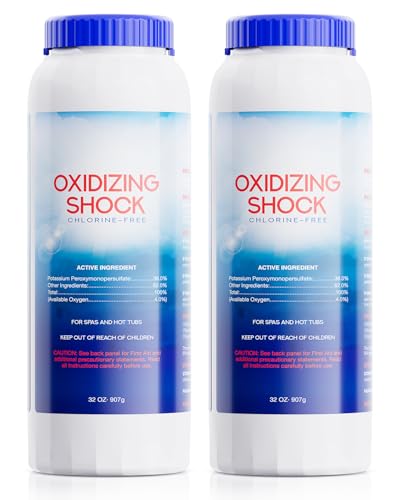
Spa owners can choose between chlorine-based shocks and non-chlorine oxidizers, each offering distinct advantages depending on water conditions. Non-chlorine shock utilizes potassium monopersulfate, commonly referred to as MPS, to deliver high-powered oxygen-based oxidation without adding any halogen sanitizer to the water. Because MPS does not contain chlorine, it will not elevate your free chlorine reading or dramatically affect cyanuric acid concentrations. Formulations like POOLHOUR 32 Oz Chlorine-Free Hot Tub Shock excel in routine weekly maintenance because they allow bathers to re-enter the tub after just fifteen minutes of circulation.
Chlorine shock, which typically contains sodium dichloroisocyanurate or calcium hypochlorite, delivers both high oxidation and a massive surge in free available chlorine. This aggressive double-action chemistry makes chlorine shock the preferred choice after heavy spa parties, prolonged periods of neglect, or when fighting visible algae blooms. However, chlorine shock requires extended wait times, often twelve to twenty-four hours, while free chlorine levels drop back down into the safe soaking range of three to five parts per million. Chlorine shock also raises stabilizer levels over time if formulated with dichlor, requiring diligent monitoring of total dissolved solids.
Deciding which formula to apply depends on your immediate soaking schedule and current water clarity. If you plan to soak later the same evening, a fast-dissolving non-chlorine shock oxidizer refreshes the water without leaving behind harsh residuals or irritating vapors. Conversely, if the tub has sat idle for two weeks or displays severe cloudiness, an aggressive chlorinated treatment provides the biocidal strength needed to reset the water. Many knowledgeable owners maintain both chemical types on their utility shelves, using non-chlorine oxidizers for routine weekly care and chlorine shock for periodic deep sanitation.
Multi-Action Formulations: Clarifiers, Flocculants, and pH Buffers
Modern shock treatments often incorporate supplemental water-care agents directly into the dry granules to simplify regular maintenance. Products such as SpaGuard Enhanced Shock combine active oxidizers with clarifying agents, flocculants, and built-in pH buffers. Clarifiers and flocculants work by introducing microscopic polymers that attract tiny, colloidal particles that are too small for standard cartridge filters to capture. These polymers bind the microscopic debris into larger clusters, enabling the pleated paper filter to trap them during normal circulation cycles.
Built-in pH buffering agents in enhanced shocks are equally valuable for maintaining stable hot tub water parameters. Concentrated oxidizers can occasionally depress pH or shift total alkalinity, causing acidic water that corrodes electric heating elements and jet seals. By including buffering compounds, products like SpaGuard Enhanced Spa Shock 6lbs resist drastic chemical swings and keep water within the optimal pH zone of 7.2 to 7.8. This multi-purpose functionality reduces the number of separate chemical bottles you need to store in your outdoor utility box while protecting expensive mechanical components from scale and corrosion.
Step-by-Step Application Procedures for Safe Dosing
Applying shock chemicals correctly ensures maximum oxidation efficiency while protecting bathers and spa machinery from chemical damage. Before measuring any chemical granules, always use a reliable test strip or liquid reagent kit to verify your total alkalinity and pH levels. Alkalinity should sit comfortably between 80 and 120 parts per million, providing a chemical cushion that prevents pH bounce during the oxidation cycle. If your pH is out of balance, adjust it before introducing shock to maximize the oxidizer’s reaction rate and prevent unnecessary cloudiness.
Turn on the circulation pump or low-speed therapy jets so the water moves steadily across the entire acrylic shell. Carefully broadcast the measured dose of shock granules evenly across the surface of the deep water, avoiding direct contact with plastic jet nozzles or suction fittings. Granular products like POOLHOUR oxidizing shock dissolve readily in circulating water, eliminating the need to pre-dissolve chemicals in a utility bucket. Keep all air blower controls closed during this process, as excessive aeration can cause rapid pH drift and cause volatile chemical vapors to escape too quickly.
Leave the spa cover completely off or folded back for at least fifteen to twenty minutes immediately after dosing the water. Allowing the water to breathe permits oxidized waste gases, nitrogen trichloride, and chemical vapors to escape cleanly into the surrounding air rather than condensing beneath the cover. If you manage an outdoor patio installation, investing in a durable yard patio hot tub cover ensures your thermal barrier resists outdoor weather while remaining manageable to open during chemical additions. Once the initial off-gassing window passes and granules dissolve completely, secure the cover latches to retain heat.
Protecting Spa Covers, Pillows, and Plumbing Manifolds
Chemical oxidation releases aggressive gaseous byproducts that can cause severe degradation to spa accessories if not handled properly. When hot tub covers remain tightly shut immediately after adding shock, concentrated chemical vapors pool against the underside of the marine vinyl. Over time, these acidic fumes break down the vinyl vapor barrier, corrode plastic zippers, and bleach foam headrest pillows. Leaving the cover open for fifteen to thirty minutes after treatment prevents vapor condensation and significantly extends the lifespan of expensive thermal components.
Owners using an affordable foldable hot tub cover will find that consistent ventilation habits protect the internal EPS foam cores from premature waterlogging and chemical brittleness. High chemical vapor concentrations can also attack topside control bezels and silicone jet face rings, leading to premature cracking and stiff diverter valves. By providing proper ventilation during chemical additions, you preserve the physical integrity of soft materials throughout the hot tub. This simple habit keeps your cover lightweight, saves energy dollars, and avoids unnecessary replacement expenses over years of ownership.
Establishing an Effective Shocking Schedule Based on Usage
Determining how often to shock your hot tub depends primarily on bather frequency, water temperature, and total volume. For a typical residential spa used two to three times per week by a couple, a single weekly dose of non-chlorine shock oxidizer is generally sufficient. If the tub experiences heavy use, such as hosting multiple guests on a weekend evening, an immediate post-soak shock treatment is highly advisable. Dosing the water immediately after heavy bather loads oxidizes sweat and body oils before they can bond with sanitizers and foul the plumbing.
Spas operated with low bather loads or left in standby mode during vacation periods still require periodic shock oxidation every ten to fourteen days. Dust, airborne pollen, and environmental debris settle into outdoor hot tubs even when covered, slowly increasing the total dissolved organic load. A routine maintenance schedule prevents dormant organic waste from turning into an invisible food source for stubborn bacterial colonies. Keeping a consistent schedule ensures your water remains sparkling clear and ready for an impromptu hydrotherapy session at any moment.
Troubleshooting Cloudy Water, Persistent Foaming, and Chemical Imbalance
Cloudy or hazy water is the most frequent symptom indicating your spa requires an immediate shock oxidation treatment. When free chlorine or bromine levels drop to zero, organic contaminants overwhelm the water column and scatter ambient light. Applying an enhanced oxidizer breaks down these suspended contaminants, while built-in clarifiers bundle remaining micro-particles so your filtration system can sweep them away. If cloudiness persists twelve hours after shocking, inspect and thoroughly rinse your cartridge filter to remove accumulated oils that may be restricting hydraulic flow.
Persistent foaming on the water surface is another common issue that shock treatments can help resolve when caused by organic waste. Bathers introduce residual laundry detergent, hair conditioner, and skin moisturizers that reduce water surface tension and generate thick foam when therapy jets run. An oxidizing shock treatment breaks the chemical bonds of these cosmetic surfactants, collapsing foam bubbles and restoring smooth surface dynamics. If foaming continues despite shocking, verify that your total dissolved solids are within acceptable limits or consider using a specialized plumbing purge before your next water change.
Regular shock oxidation forms the foundation of effortless hot tub ownership by maintaining chemical equilibrium and pristine water clarity. By removing bather waste, destroying irritating chloramines, and reactivating spent sanitizers, shock treatments keep your spa hygienic and welcoming. Choosing between non-chlorine oxidizers for fast turnaround times and chlorinated shocks for deep disinfection allows you to customize your water care to match your lifestyle. Consistent application and proper ventilation will safeguard your spa components, reduce chemical odors, and ensure every soak is thoroughly relaxing.



Write Your Review
No reviews yet. Be the first to share your experience!