


Stepping into steaming water after a grueling day remains one of the greatest pleasures of modern home ownership. Many prospective buyers hesitate because they wonder whether is a hot tub a lot of work before committing money to site preparation and electrical work. While rumors describe endless chemical mixing and continuous scrubbing, standard hot tub care actually revolves around predictable, small routines. Preventing cloudy water and maintaining water chemistry requires steady consistency rather than hours of daily manual labor.
Proper planning, including choosing an energy-efficient setup and a reliable protective yard patio hot tub cover, shields the water from outdoor debris while reducing ongoing chemical demand. When you establish an organized weekly checklist, routine sanitization takes only ten to fifteen minutes every few days. Understanding the true maintenance demands helps homeowners enjoy relaxing hydrotherapy without feeling overwhelmed by chores.


Pros
- Effectively dislodges stubborn pipe residue and organic buildup prior to draining
- Improves jet performance and circulation efficiency throughout the entire plumbing system
- Helps eliminate recurring foam and chemical demand caused by dirty internal lines
- Compatible with both indoor and outdoor hot tubs as well as larger swim spas
Cons
- Requires a full water drain and shell wipe-down after the cleaning cycle is completed
- Not an in-use water treatment, so the hot tub cannot be used while the cleaner is circulating
- Very large swim spas or heavily neglected plumbing may require more than one 16-ounce bottle depending on dosing instructions
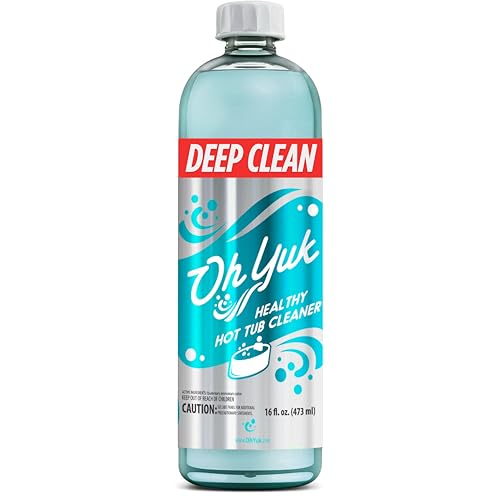
Oh Yuk Healthy Hot Tub Cleaner is a concentrated 16-fluid-ounce plumbing flush formulated to purge interior pipe walls, jet lines, and circulation fittings in indoor and outdoor hot tubs, portable spas, and swim spas. It is engineered specifically for homeowners, vacation rental operators, and regular spa owners preparing for a scheduled drain-and-refill cycle who want to eliminate the hidden organic waste that normal filtration and sanitizing tablets leave behind.
Hidden pipe buildup and accumulated body oils inside circulation lines are frequent culprits behind recurring cloudy water, surface foaming, and weakened jet pressure. By penetrating the interior plumbing pathways, this cleaner lifts and suspends embedded contaminants so they circulate out into the main footwell. This deep purge enables fresh water treatments to work much more effectively after refilling, since sanitizers no longer have to expend oxidation power fighting hidden line residue.
Circulation line maintenance directly benefits mechanical equipment by helping water move freely through pumps, heaters, and filter manifolds. When plumbing lines remain free of restrictive film and buildup, circulation pumps operate with less backpressure, allowing filter cartridges to trap suspended solids cleanly and consistently without unnecessary mechanical strain.
Using a plumbing cleaner requires timing your application around a complete water change, as the dislodged residue must be drained from the spa shell after running the jets. Hot tub owners should expect to wipe down the acrylic surface and water line once the tub empties, removing any residual oils before rinsing and refilling with fresh tap water.
While the 16-ounce bottle provides convenient handling for standard backyard spas, owners of oversized swim spas or tubs with years of neglected plumbing should check manufacturer dosage directions to ensure adequate volume. Furthermore, this product is designed purely as an evacuation flush before draining, meaning bathers must wait until the tub is emptied, rinsed, and refilled with fresh, balanced water before soaking.
For spa owners battling persistent water cloudiness or those establishing a dependable seasonal maintenance schedule, Oh Yuk Healthy Hot Tub Cleaner delivers a practical way to reset circulation lines. Verifying your spa water capacity and having clean towels or sponges ready to wipe the shell after draining ensures a smooth cleaning process and pristine water for your next soak.
Using Oh Yuk Healthy Hot Tub Cleaner is most effective when coordinated with your regular quarterly drain-and-refill schedule. Remove your filter cartridges prior to running the cleaner through the system to avoid trapping heavy dislodged gunk inside your primary filter pleats.
Turn on all jet pumps and allow the cleaner to circulate thoroughly through all plumbing lines according to the manufacturer label directions. Once the cleaning cycle finishes, drain the spa completely and wipe down the acrylic shell to remove any lifted oils and residue before refilling with fresh water.

Understanding the Real Maintenance Reality of Hot Tub Ownership
Answering whether is a hot tub a lot of work depends entirely on consistency and system knowledge. When an owner ignores water balance for weeks, restoring water clarity becomes a frustrating, multi-hour ordeal. However, homeowners who stick to a predictable, structured care routine spend less than twenty minutes each week on maintenance. Modern spas feature automated circulation cycles and balanced filtration designed to keep ongoing upkeep straightforward.
The Weekly Time Commitment Broken Down
Most prospective buyers imagine spending hours scrubbing acrylic surfaces or handling complex chemical cocktails. In reality, routine hot tub maintenance takes roughly five to ten minutes two or three times each week. These brief check-ins involve testing the water, adding a small sanitizer dose, and visually inspecting clarity. Consistent attention prevents minor chemical shifts from escalating into stubborn water quality issues.
Beyond these brief weekly check-ins, monthly and quarterly tasks demand only slightly more attention. Rinsing your pleated filter cartridge with a garden hose takes about ten minutes every two weeks. Draining, wiping down the acrylic shell, and refilling the spa occurs roughly three or four times per year, requiring about two hours of mostly passive time. When scheduled properly, the total annual labor remains surprisingly modest.
Daily Habits and the Three-Minute Quick Check
Daily testing is rarely necessary unless your spa experiences unusually heavy bather traffic. A simple visual inspection when you walk past the patio takes under thirty seconds. Confirming that the cover rests securely, the topside digital control shows normal temperature, and no error codes appear is all you need to do. This quick habit catches power interruptions or low-flow warnings before water quality suffers.
If you soak daily, adding a small maintenance dose of sanitizer immediately after exiting takes under two minutes. Bathers introduce sweat, natural oils, and residual skin products that quickly consume free sanitizer in hot water. Adding a quick capful of chlorine or bromine granules right after your soak neutralizes these contaminants before bacteria multiply. This simple habit keeps water clear and drastically reduces weekend balancing efforts.
Water Balancing Fundamentals: Alkalinity, pH, and Sanitizers
Water chemistry represents the initial learning curve that causes some beginners to feel that spa ownership is difficult. Managing water balance centers on three primary parameters: total alkalinity, pH level, and free sanitizer residual. Total alkalinity acts as a buffer that stabilizes pH, requiring a target range between 80 and 120 parts per million. When total alkalinity drops too low, pH fluctuates wildly, leading to equipment corrosion and skin irritation.
The pH scale measures acidity and must stay between 7.2 and 7.8 to maintain bather comfort and protect heating elements. If pH rises above this range, water turns cloudy and calcium scale can accumulate across heater coils. Primary EPA-registered sanitizers like chlorine or bromine keep the water safe by neutralizing harmful bacteria. Maintaining free chlorine between 3 and 5 parts per million or bromine between 2 and 4 parts per million preserves clean soaking conditions.
Testing Accuracy with Multi-Parameter Test Strips
Accurate monitoring removes chemical guesswork, which is often what makes hot tub care feel tedious. Affordable testing options like JNW Direct Hot Tub Test Strips for Spas make checking water balance fast and straightforward. Simply dip a test strip into the spa water for two seconds, hold it flat for thirty seconds, and match the pads against the bottle color chart. This rapid 6-in-1 test measures hardness, total chlorine, bromine, free chlorine, pH, and alkalinity simultaneously.
Testing at least twice a week alerts you to falling sanitizer levels or drifting pH before visible problems emerge. Proper strip storage is equally important to avoid false color readings that waste chemicals. Store the bottle tightly capped in a dry area away from direct sunlight, and avoid touching the pads with damp fingers. Using test strips within ninety days of opening ensures reliable readings for your weekly water care.
Managing Surface Foam and Dissolved Organics
Surface foaming is one of the most common cosmetic frustrations encountered by new spa owners. Foam develops when dissolved organic materials like laundry detergents, body lotions, and cosmetics interact with vigorous jet aeration. When these organic compounds accumulate, bubble action creates thick foam that lingers on the water surface even after jets turn off. While shocking the water helps oxidize organics over time, heavy foam can disrupt planned relaxation.
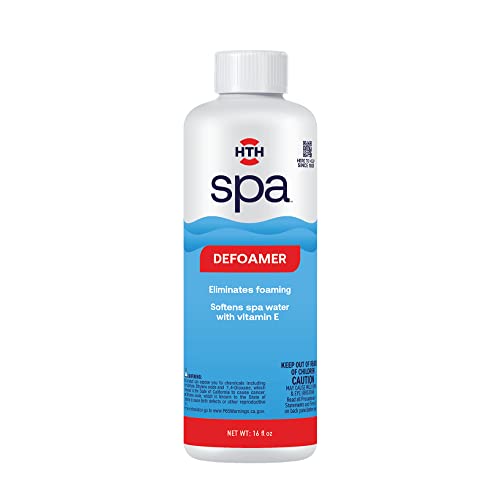
For immediate suppression during a soak, specialized water conditioning products provide fast relief. Adding a small dose of HTH Spa 86116, Defoamer, 16 oz dissipates surface foam within moments without destabilizing underlying chemical balance. The formula is compatible with chlorine, bromine, and biguanide systems while conditioning water with vitamin E. While defoamers offer a dependable short-term solution, persistent foaming usually indicates that filters need rinsing or the water is due for a drain.
Establishing Spa Rules to Prevent Water Contamination
Much of the physical labor associated with spa care stems from preventable bather contamination. When guests enter a hot tub wearing swimsuits laundered with heavy detergents or carrying moisturizers, water balance deteriorates quickly. Educating guests about basic hot tub hygiene dramatically reduces the need for reactive chemical treatments and frequent filter washings. Setting simple guidelines helps preserve water clarity and protects equipment from unnecessary stress.
Hanging decorative wall art such as the Tatuo Hot Tub Rules Wood Sign or the Qious Hot Tub Sign Funny Farmhouse Life is Better communicates hygiene rules in a lighthearted manner. These signs remind bathers to rinse off before soaking, secure long hair, and avoid bringing outdoor debris into the tub. Adding the durable Vintage Metal Tin Sign Life is Better in the Hot enhances patio aesthetics while reinforcing guest etiquette. Keeping contaminants out of the water eliminates hours of frustrating water correction.
Filter Cartridge Cleaning and Circulation Care
Your filter cartridge serves as the mechanical backbone of your spa water purification system. As circulation pumps move water through dense pleated paper, the cartridge traps suspended dirt, body oils, and oxidized particles. A clogged filter restricts water flow, triggering low-flow error codes like FLO on your topside keypad while stressing pump motors. Maintaining regular filter hygiene ensures consistent filtration and prevents cloudiness from settling in the footwell.
Cleaning a cartridge requires minimal physical effort when performed on a regular schedule. Spraying the pleats with a garden hose nozzle every two to three weeks clears trapped debris and loose hair. Soaking the cartridge in a dedicated filter cleaning solution every month or two dissolves embedded oils that rinsing alone cannot remove. Keeping an extra filter cartridge on hand lets you rotate a clean spare into service instantly while the other dries.
Quarterly Purging, Draining, and Deep Cleaning Steps
Every three to four months, spa water reaches total dissolved solids saturation, reducing chemical responsiveness. Cyanuric acid, mineral salts, and chemical byproducts accumulate over time, making it increasingly difficult to keep water clear. Draining and refilling the tub resets water balance and provides an opportunity to inspect shell surfaces and jet fittings. Using a standard submersible utility pump empties a typical four-hundred-gallon tub in under half an hour.
Once the water is drained, wiping down the acrylic shell with a damp microfiber cloth takes only a few minutes. Inspect the shell for mineral deposits, which wipe away easily while the acrylic remains moist. When refilling the spa, place the garden hose directly down into the filter well rather than into the footwell. Filling through the filter compartment displaces air pockets from internal plumbing, preventing frustrating pump air locks during startup.
Protecting Plumbing and Restoring Flow with Line Cleaners
Internal plumbing manifolds hidden inside spa cabinets harbor organic residue and biofilm that routine sanitizers struggle to reach. Over months of use, body oils and organic debris coat the inner walls of flexible PVC lines. If you refill a tub without clearing this internal accumulation, new water can turn cloudy within days of heating up. This hidden buildup is why some owners feel like they are fighting an uphill battle with chemicals.
Adding a specialized plumbing flush like Oh Yuk Healthy Hot Tub Cleaner immediately before draining removes hidden buildup from jet plumbing. Circulating the cleaner through high-speed jets for thirty minutes breaks down stubborn residue, restoring original pump flow and filter performance. Cleaning the plumbing lines allows fresh water treatments to work efficiently without battling pre-existing organic loads. Conducting a purge flush once or twice a year keeps plumbing lines clear and reduces long-term maintenance needs.
Thermal Covers and Energy-Saving Preventative Maintenance
Protecting your spa with a quality thermal barrier reduces environmental debris while stabilizing operating costs. Installing an insulated hot tub cover with warranty shields the water from falling leaves, dirt, and airborne contaminants that deplete sanitizer. High-density tapered foam cores and tight hinge seals prevent valuable heat from escaping into cold outdoor air. Preventing debris intrusion keeps chemical demand predictable and lowers the frequency of filter washings.
For compact patio layouts or quick daily access, a lightweight foldable hot tub cover makes removal and repositioning easy for a single person. Regularly wiping down the vinyl underside prevents mold spores from transferring onto warm water. Conditioning exterior marine vinyl every few months preserves weather resistance and prevents cracking under direct sunlight. A secure cover seal keeps water clean and prevents unnecessary reheating cycles, protecting equipment from premature wear.
Common Ownership Mistakes That Multiply Your Workload
Homeowners who find spa care exhausting often make a few recurring, avoidable mistakes. Over-treating the water with excessive shock or clarifiers when minor cloudiness appears creates chemical imbalances that take days to correct. Adding chemicals in large doses without letting the water circulate creates erratic pH swings. Dosing chemicals incrementally and allowing the filtration pump to run for several hours prevents unnecessary chemical compounding.
Another frequent misstep is adjusting pH without first testing and stabilizing total alkalinity. Because alkalinity acts as a buffer, modifying pH first results in frustrating bounces that waste testing supplies. Running daily filtration cycles for less than four hours also allows sediment to settle on the acrylic floor instead of reaching the filter. Avoiding these basic mistakes keeps water maintenance predictable and minimizes the time you spend managing water.
Practical Strategies to Keep Hot Tub Care Effortless
Streamlining spa maintenance comes down to establishing simple habits and keeping supplies organized near your patio. Storing test strips, sanitizers, and dosing scoops inside a weatherproof deck box eliminates trips to the garage. Setting recurring phone reminders twice a week ensures consistent testing without adding mental fatigue. When water balance is maintained through brief, regular adjustments, major water quality emergencies rarely occur.
Dedicating ten minutes twice a week to testing and light sanitizing keeps water clear and inviting for months. Pairing sensible bather hygiene with routine filter rinses, seasonal line purges, and reliable cover insulation keeps your spa operating smoothly. With an organized routine in place, your hot tub remains a relaxing retreat rather than an overwhelming household obligation.





Write Your Review
No reviews yet. Be the first to share your experience!