

Maintaining balanced spa water chemistry requires more than weekly doses of chlorine and shock treatments. Over months of regular soaking, dissolved solids, body oils, and chemical byproducts accumulate until the water becomes unresponsive to balancing efforts. Learning how to drain water from jacuzzi hot tub systems correctly protects sensitive plumbing manifolds, prevents pump cavitation, and ensures a hygienic environment for every bather. Taking the time to empty and clean your spa every three to four months restores heating efficiency and extends the operational lifespan of internal components.
Many backyard spa owners hesitate to tackle a complete water change because they worry about complicated valves or accidental electrical damage. However, draining your spa is straightforward once you understand how to safely isolate power at the circuit panel, use gravity or siphon mechanisms, and flush hidden biofilm from internal jets. Investing in proper accessories like a yard patio hot tub cover further safeguards your investment against debris and thermal loss after every fresh refill. With a consistent routine and the right tools on hand, refreshing your spa water takes only a few hours of manageable effort.




Pros
- Collects floating body oils, lotions, and surface film before they form stubborn waterline rings
- Washable design can be rinsed with cold water or placed on a delicate machine-wash cycle for reuse
- Two-pack inclusion allows convenient rotation between soaking sessions and cleaning cycles
- Universal floating utility suits acrylic hot tubs, inflatable spas, and indoor jetted tubs
Cons
- Does not replace chemical sanitizers, oxidizing shock treatments, or regular filter rinsing
- Can occasionally get drawn against high-suction skimmer weirs or filter intake grates during heavy jet cycles
- Requires frequent rinsing and complete air-drying to maintain peak absorption performance
The Ksheat Turtle Hot Tub Scum Absorber is a floating water-maintenance accessory designed to soak up excess body oils, tanning lotions, cosmetics, and sunscreen from hot tub water. For homeowners, families, and couples who use their spa frequently, natural organic residues can accumulate quickly, resulting in unappealing foam and grimy waterline buildup. This two-piece set provides an effortless secondary defense against surface contaminants across acrylic hot tubs, inflatable spas, swim spas, and even indoor jetted bathtubs.
In daily spa ownership, floating scum absorbers play a practical role in extending overall water clarity between drain-and-refill cycles. The Ksheat sponge relies on a 3D honeycomb mesh surface structure that increases exterior contact area, trapping oils as the turtle drifts across the surface with water circulation. By sequestering these lightweight oils at the water line, the sponge helps keep them from adhering to shell walls or prematurely clogging the fine pleats of your primary spa filter cartridge, which may help reduce pump and filter strain.
Regarding construction, the dark blue turtle-shaped absorber combines an absorbent inner sponge core with a durable textured honeycomb mesh exterior. Listed package dimensions indicate an overall profile of approximately 10.3 by 9 by 3 inches, providing substantial surface area for oil capture without overwhelming smaller spa footwells. The stitching and mesh enclosure help contain the sponge material, preventing the tearing or flaking often experienced with unlined foam oil-absorbers after continuous exposure to warm water and spa chemistry.
Day-to-day operation is simple because the unit requires no mounting hardware, brackets, or tools. You simply drop one or both turtles into the water while soaking or allow them to float freely between spa sessions. Maintenance is straightforward: once the sponge becomes saturated with oils, owners can rinse it thoroughly under cold tap water or place it in a washing machine on a delicate cycle without detergent. Because the set includes two units, you can easily deploy one sponge while the other is air-drying, keeping maintenance uninterrupted.
While effective for gathering surface oils, these sponges have realistic operational boundaries that owners must consider. A floating scum absorber is not a replacement for proper water sanitization, oxidizing shock treatments, or periodic filter cartridge cleanings. High-flow hydrotherapy jets or powerful skimmer intake suction may occasionally pull the lightweight turtles against a suction grate or skimmer weir. Furthermore, heavily contaminated tubs will require frequent washing of the sponges to avoid re-releasing trapped residues into the water.
For hot tub owners looking for an affordable, low-effort way to minimize waterline scrubbing and keep water sparkling between chemical adjustments, the Ksheat Turtle Scum Absorber 2-Pack is a sensible addition to any maintenance kit. Before buying, verify that your hot tub skimmer or filter intake has appropriate grates to prevent small floating items from being drawn into the plumbing, and plan on rotating and cleaning the sponges regularly to maintain maximum absorption performance.
Maintaining the Ksheat scum sponges requires regular inspection and simple cleaning routines to ensure ongoing oil absorption. When the turtle begins to feel greasy or water lines appear sluggishly captured, remove the sponge from the spa and rinse it thoroughly under a stream of cold tap water to flush out surface lotions and oils.
For deeper cleaning, the sponges can be laundered in a standard washing machine on a delicate cycle. Avoid using heavy laundry detergents, fabric softeners, or bleach, as chemical residues left behind on the sponge can cause persistent foaming when placed back into your hot tub. Always allow the sponge to air-dry completely in a clean area before returning it to the spa, or rotate between the two included turtles to maintain continuous surface protection.

Step-by-Step Guide to Draining and Refreshing Your Hot Tub
Draining your hot tub completely is a fundamental maintenance task that resets your water chemistry and protects expensive mechanical components. While daily filtration and routine sanitizers keep water clear in the short term, continuous bather load gradually saturates the water with total dissolved solids that chemicals can no longer treat. Following a systematic procedure ensures that internal plumbing lines get flushed, electrical systems stay protected from dry firing, and pumps avoid air locks during refilling. The following sections walk through the essential stages of preparing, emptying, cleaning, and restarting your spa.
Recognizing When Your Spa Water Requires a Complete Reset
Water chemistry behaves predictably until chemical saturation points are reached. When dissolved minerals, body lotions, perspiration, and sanitizer residues accumulate, water begins to exhibit stubborn symptoms such as persistent foaming, cloudy appearance, and strong chemical odors. At this stage, adding clarifiers or shocking the water only provides brief relief because the high total dissolved solids level prevents sanitizers from working effectively. A reliable guideline used across the spa industry suggests dividing the hot tub volume in gallons by three, then dividing that result by the average daily bathers to determine the ideal number of days between drains.
Waiting too long between water changes creates harsh conditions that damage heating elements and acrylic finishes. High mineral concentrations can precipitate out of solution, coating internal heater manifolds with scale and drastically reducing heating efficiency. High organic loads can also lead to chloramine buildup, foul odors, and severe skin irritation for bathers. Planning a scheduled drainage every three to four months prevents these issues and maintains reliable water balance throughout the year.
Essential Safety Protocols and Electrical Power Disconnection
Before opening any drain valve or starting a siphon, you must disconnect electrical power to the spa completely. Hot tub circulation pumps, automated heater cycles, and freeze protection algorithms rely on water flow to regulate temperature and lubricate internal parts. If an automated cycle activates while the spa is dry, the flow switch or pressure switch can fail, resulting in a dangerous dry fire that destroys the heating element. Operating a centrifugal pump without water will also overheat and permanently score the mechanical ceramic shaft seals within minutes.
Always locate the dedicated external maintenance disconnect switch or subpanel breaker to cut the electrical supply. In accordance with National Electrical Code Article 680 guidelines, this disconnect is installed within sight of the spa and mounted at least five feet away from the water edge for safety. Turn the dedicated breaker inside this box to the full off position rather than relying solely on topside control keypad sleep modes. Confirm that all indicator lights on the topside control panel are dark before proceeding with any drainage steps.
Pre-Drain Plumbing Purges to Clear Trapped Biofilm
The most overlooked step in the draining process is flushing the internal plumbing manifolds before cutting power. Hundreds of feet of flexible PVC tubing snake beneath the acrylic shell, providing dark, warm channels where organic matter, body oils, and biofilm colonies thrive. Merely draining the water leaves this slime layer undisturbed against the pipe walls, which immediately contaminates your pristine fresh fill. Applying a targeted pipe flush such as Clorox® Pool&Spa™ System Cleanse while the spa is still filled dissolves these stubborn non-living organic wastes.
To perform an effective plumbing purge, remove your pleated filter cartridges from the skimmer well so they do not trap dislodged gunk. Pour the recommended dosage of line cleaner directly into the footwell or filter canister, then turn all hydrotherapy jets to high speed. Allow the cleaner to circulate through all diverter valves and air controls for at least twenty to thirty minutes so every internal branch receives treatment. You will often see dirty foam collect on the surface, which can be trapped using floating tools like the Ksheat Hot Tub Scum Absorber before you power down the spa and begin draining.
Primary Draining Methods: Built-In Valves vs. Siphon Systems
Most portable hot tubs include a built-in gravity drain valve located near the base of the exterior equipment cabinet. To use this spigot, unscrew the protective cap, attach a standard three-quarter-inch garden hose, and open the internal valve mechanism. Because this method relies entirely on natural gravity and hose diameter, emptying a four-hundred-gallon spa typically requires two to four hours depending on elevation. Ensure the discharge end of the hose runs downhill toward an approved drainage area away from building foundations.
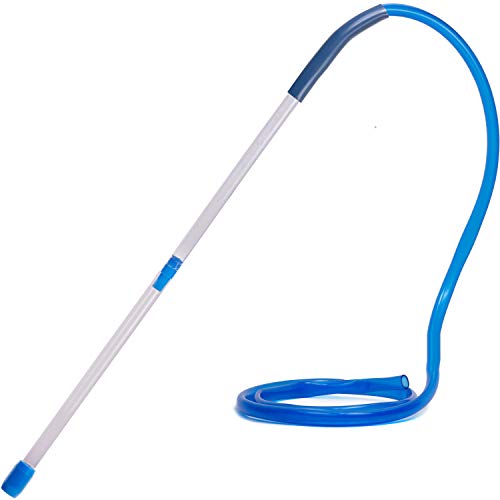
When you want to empty the tub more rapidly, dedicated siphon drainage tools provide a much faster flow rate. Specialized options such as the Backyard Innovations Quick Spa Drain utilize siphon hydraulics to evacuate between ten and twelve gallons per minute without needing electrical hookups. Siphons work best when the discharge point sits lower than the spa water surface, letting gravity accelerate the flow rate. This reduces your drainage window down to thirty to forty-five minutes, saving significant time during routine seasonal maintenance.
Another versatile option for removing standing water is a manual siphon vacuum like the Shake-a-Vac Spa & Pool Water Vacuum. This tool allows you to start water flow with a simple shaking motion while vacuuming accumulated grit, sand, and small debris from seat recesses. For large swim spas holding well over a thousand gallons, many homeowners also keep an electric submersible utility pump on hand. Submersible pumps drop directly into the lowest point of the footwell and discharge water rapidly through a dedicated discharge hose.
Discharging Spa Water Safely and Legally
Planning where to send hundreds of gallons of treated water is just as critical as the mechanical drainage itself. Spa water contains chemical oxidizers, stabilizers, and sanitizers that can damage sensitive landscaping or disrupt natural local waterways if discharged recklessly. Several days prior to draining, cease adding chlorine, bromine, or shock to allow active sanitizer residuals to drop down near zero parts per million. Check local municipal environmental codes to verify whether residential spa drainage must be routed into sanitary sewer cleanouts rather than curbside storm gutters.
When directing water across your property, rotate the hose placement periodically to prevent soil saturation and lawn erosion. Avoid discharging directly onto delicate plants, flowerbeds, or low-lying areas near retaining walls. If your property slopes toward a neighbor’s yard, position discharge hoses carefully to maintain courtesy and avoid property disputes. Directing water into a household basement drain, utility sink, or designated sanitary sewer trap remains the safest option in dense suburban neighborhoods.
Evacuating Residual Water and Detailing the Shell
Gravity drains and siphon hoses naturally lose suction once water levels drop below the intake point, leaving two to three inches of water in the footwell. Leaving this stagnant water behind dilutes fresh fill water and preserves residual contaminants. Use a small bucket, clean towel, or wet/dry utility vacuum to clear the remaining puddles completely from seat hollows and floor contours. A wet/dry vacuum can also be placed over individual jet nozzles to draw out stagnant water trapped deep inside plumbing branches.
With the shell completely dry, inspect the acrylic surface for mineral deposits, waterline scum, and physical wear. Clean the shell using a soft microfiber cloth and a mild cleaner formulated specifically for hot tub acrylics. Never use household kitchen cleaners, abrasive scouring powders, or glass sprays, as these degrade the glossy acrylic coat and introduce phosphates that trigger foamy water upon refilling. Protecting the upper rim with a durable hot tub cover with warranty prevents sun exposure and foreign particulates from staining the shell while you finish cleaning.
Cartridge Filter Inspection and Chemical Degreasing
Draining your hot tub offers the ideal opportunity to perform thorough maintenance on your filtration system. Cartridge filters collect significant quantities of microscopic debris, hair, and body oils that choke water flow and cause flow error codes. Remove the filter cartridges from their housing and inspect the spun polyester pleats for tears, cracked end caps, or crushed plastic cores. If the structural banding is broken or pleats are severely frayed, replace the cartridge immediately to protect your circulation pump.
Rinsing cartridges with a high-pressure garden hose removes coarse surface grit, but it does not dissolve oily chemical films embedded deep within the polyester fibers. Soak the cartridges in a specialized spa filter degreasing solution or enzyme bath for at least eight to twelve hours to dissolve trapped body oils. Rinse thoroughly with clean water until no suds appear before reinstalling the cartridges into the filter well. Keeping a secondary set of clean filters on rotation allows you to refill the spa without delay while the first set soaks.
Critical Refill Technique to Prevent Pump Air Locks
One of the most frequent mistakes hot tub owners make is dropping a garden hose directly into the footwell during a refill. When water fills from the bottom up, trapped air inside internal plumbing lines has nowhere to escape. This pocket of compressed air becomes trapped inside the pump volute, creating an air lock that prevents the impeller from circulating water once power returns. Topside control panels will subsequently display persistent error messages such as FLO, DR, or LF, leaving the heater inoperable.
To completely eliminate the risk of an air lock, place your garden hose directly down into the empty filter standpipe canister. Filling through the filter well forces water down through the internal plumbing lines and heater manifold first, pushing trapped air outward through the hydrotherapy jets. This downward water pressure floods the pump wet end and purges air pockets naturally. Continue filling until the water level reaches the designated mark on the skimmer plate, typically midway up the skimmer opening or one inch above the highest therapy jets.
Fresh Water Balancing and Sanitizer Initialization
Once the spa is filled to the proper operating level, restore electrical power at the dedicated disconnect breaker box. Listen closely as the circulation pump primes and begins moving water through the filtration circuit without cavitation or surging noises. Add a mineral control product such as ADIOS! Spa Hard Water Clarifier for Hot Tubs if your source tap water contains high concentrations of calcium, iron, or magnesium that could precipitate onto heating elements. Allow the water to circulate for several minutes before conducting initial diagnostic chemical tests.
Always balance your water parameters in a precise sequence to prevent frustrating chemical swings. Start by adjusting Total Alkalinity to the recommended baseline range of 80 to 120 parts per million, which serves as a pH buffer. Next, adjust your pH level to settle between 7.2 and 7.8, ensuring bather comfort and sanitizer efficacy. Check Calcium Hardness to confirm it falls between 150 and 250 parts per million, which prevents aggressive water from etching acrylic surfaces or leaching plasticizers.
After the fundamental chemical baseline is balanced, introduce your primary sanitizer to establish a protective residual. If you use traditional chlorine, dose the water to achieve three to five parts per million of free available chlorine. For owners seeking gentle water maintenance, converting to a salt system using equipment like the Drop-in Hot Tub Salt System Conversion kit Salt creates pure chlorine through electrolysis, treating spas up to 2000 gallons. Set your heater to the desired soaking temperature and keep the spa cover closed until the water reaches target warmth.
Routine Post-Drain Maintenance and Long-Term Care
Completing a full drain and refill resets your spa to optimal operating conditions, but maintaining that clarity requires ongoing diligence. Test your water balance twice weekly to catch minor pH shifts and sanitizer depletion before bacteria can take hold. Rinse your filter cartridges every couple of weeks to maintain unrestricted water flow and avoid unnecessary strain on the circulation pump motor. Keeping fresh water balanced from day one drastically reduces chemical consumption and ensures your hot tub remains clean, inviting, and energy-efficient throughout every season.





Write Your Review
No reviews yet. Be the first to share your experience!