
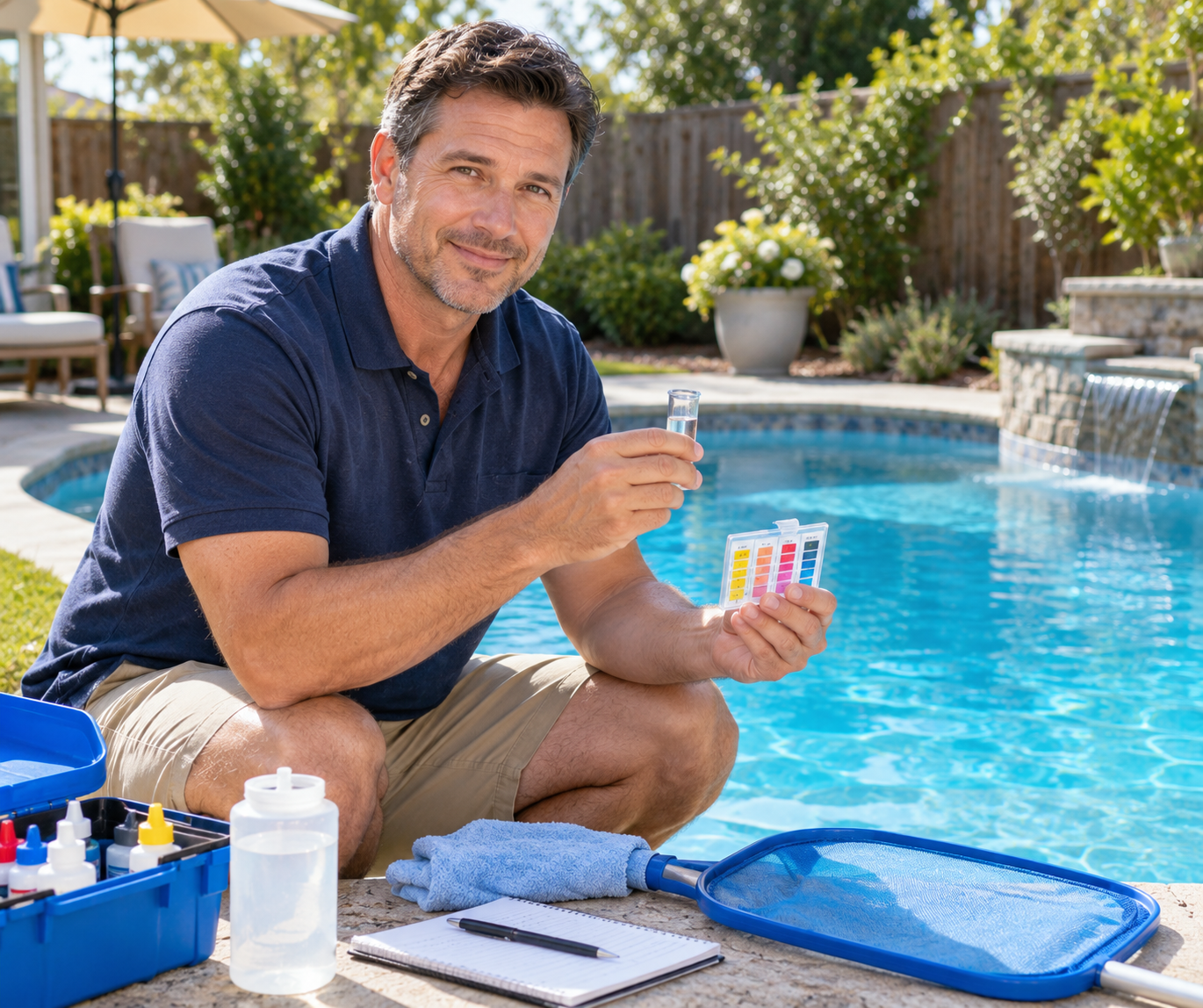

Nothing disrupts a relaxing backyard soak faster than cloudy water, chemical odors, or an unexpected circulation error. Keeping a portable inflatable spa in top condition requires consistent sanitization, routine cartridge filtration, and vigilant liner care. Understanding how to maintain saluspa hot tub equipment ensures that your water stays crystal clear while safeguarding internal components like the heating element and circulation pump. Portable spas hold smaller water volumes than permanent acrylic models, which means bather load impacts water balance much faster.
Routine upkeep also involves physical protection, such as checking liner inflation, clearing physical debris with specialized tools, and locking down a yard patio hot tub cover to retain standby heat. Models built with Tritech materials and ChemConnect dispensers make daily chemical dispersion easier, but owners must still test free chlorine and pH manually. With the right schedule for testing, shocking, and filter rotations, you can maximize energy efficiency and enjoy trouble-free hydrotherapy throughout the season.


Pros
- Fast-dissolving sodium dichlor formula leaves minimal residue in heated spa water
- Specifically formulated for spa water temperatures and chlorine sanitizing systems
- Five-pound container provides a practical supply for ongoing routine water care
- EPA-approved formulation effectively targets algae growth and organic bather waste
Cons
- Designed strictly for chlorine-based setups and not compatible with non-chlorine or biguanide systems
- Continuous use gradually builds cyanuric acid in hot tub water, requiring standard periodic drain-and-refill cycles
- Requires careful dosing and routine water testing to avoid over-chlorination or chemical vapor buildup
Leisure Time Spa 56 Chlorinating Granules provide a dedicated sanitizing solution designed specifically for residential hot tubs and spas operating on chlorine water-care systems. Unlike standard swimming pool chemicals that may dissolve too slowly or alter chemistry unpredictably in small bodies of heated water, this formula is tailored for the high temperatures and rapid agitation of hot tubs. It suits first-time spa owners, vacation rental hosts, and established hot tub users seeking an EPA-approved sanitizer that maintains clean, clear water without complicated dosing steps.
Daily hot tub maintenance requires dependable control over organic waste introduced by bathers, including perspiration, body oils, and environmental residues. Spa 56 addresses these contaminants using fast-dissolving granules that disperse quickly across the water when circulation jets run. Rapid solubility is a significant advantage in acrylic spas because it minimizes the risk of undissolved chemical particles settling on the bottom shell or bleaching headrests and plastic fittings, helping to protect internal spa surfaces while re-establishing necessary sanitizer residual levels.
The active chemical agent in this formula is Sodium Dichloro-s-Triazinetrione Dihydrate, widely known as sodium dichlor. This stabilized chlorine compound resists degradation from heat and sunlight while providing active sanitizing power to clear cloudy water and inhibit algae growth. Packaged in a sturdy 5-pound bottle with exterior dimensions of 4.75 by 4.75 by 11.5 inches, this size offers an economical supply that minimizes frequent reordering for owners who use their spa regularly throughout the year.
Proper application habits are essential not only for water safety but also for the longevity of your hot tub cover and accessories. Whenever introducing chlorinating granules to the spa, the hot tub cover should remain fully off or folded back with circulation jets active for at least fifteen to twenty minutes. Allowing chemical vapors to off-gas freely prevents corrosive chloramine fumes from becoming trapped underneath the cover, which helps protect the underside vinyl, vapor barrier seals, and foam core from premature degradation.
While sodium dichlor provides reliable sanitizing performance, realistic chemical considerations come with its routine use. Dichlor naturally introduces cyanuric acid (CYA) as a stabilizing agent, meaning CYA levels will gradually rise over months of repeated dosing. Once stabilizer concentrations become elevated, chlorine efficiency drops, making periodic water drain-and-refill intervals necessary every three to four months. In addition, this product must never be mixed directly with alternative sanitizers such as bromine or biguanide systems.
Leisure Time Spa 56 is a reliable, practical choice for any hot tub owner maintaining a chlorine-sanitized spa environment. Before adding this product to your maintenance regimen, verify that your hot tub relies on a chlorine sanitizing routine, and keep a dependable test strip kit on hand to monitor free available chlorine, pH, and total alkalinity levels before dosing.
Consistent water sanitation with Leisure Time Spa 56 plays a key role in protecting the structural integrity of your hot tub accessories and cover. Unbalanced water or neglected sanitizing schedules can lead to organic buildup, scum lines, and mildew along cover skirts and headrests, while excessive chemical buildup can accelerate wear on acrylic surfaces and filtration media.
To ensure optimal water quality while safeguarding your spa components, always test water balance before adding granules and allow the tub to circulate with the cover open during initial dosing. Storing the 5-pound container in a cool, dry area away from direct sunlight will preserve granular potency and maintain reliable performance throughout the lifespan of the bottle.


Pros
- Includes a specialized insulated cover engineered to retain water heat and reduce electrical operating demand
- Integrated Freeze Shield protects internal pump mechanics and water channels when overnight temperatures drop
- Bestway Connect app integration allows remote water preheating and timer programming straight from a smartphone
- ChemConnect dispenser distributes chlorine or bromine evenly without needing a loose floating chemical dispenser
Cons
- Compact 71-inch square interior dimensions can feel crowded when occupied by six full-sized adults simultaneously
- Initial water heating to 104 degrees Fahrenheit takes several hours on a standard plug-in electrical supply
- Soft-sided inflatable structure requires a smooth, debris-free base to prevent accidental punctures or ground wear
The Coleman SaluSpa Hawaii Energy-Efficient Inflatable Hot Tub is a square 71 by 71 by 28-inch portable spa designed for homeowners, renters, and families wanting a warm soak without installing permanent electrical wiring. Sized for four to six people, this model suits first-time spa buyers who prioritize straightforward assembly, lower energy overhead, and modern conveniences like mobile app control. Its square layout offers comfortable corner seating that fits cleanly onto standard patios or outdoor decking.
Heat retention is often the biggest hurdle with soft-sided spas, but the Hawaii addresses this with insulated walls and an insulated thermal cover. According to manufacturer specifications, this combination retains up to 40 percent more heat than similar standard inflatable hot tubs. This thermal design allows the unit to comply with APSP-14 and California Title 20 standards, ensuring legal efficiency compliance in states like California, Oregon, and New York. Keeping the cover secured between uses significantly reduces heat dissipation and cuts down on cyclic heater runtime.
Structural durability is supported by internal MaxHold fabric beams that maintain rigid sidewalls when users sit or lean back, surrounded by a puncture-resistant three-layer Tritech outer shell. For transitional seasonal weather, the integrated Freeze Shield automatic heating function prevents internal water from freezing in the pump and liner when outdoor temperatures plummet. While not intended for deep sub-zero winter freezes, this safety feature guards against unexpected overnight frost damage during early spring and late autumn use.
Controlling the spa is intuitive via the top-mounted digital pump interface or through the Bestway Connect smartphone app. Users can adjust the water temperature up to 104 degrees Fahrenheit, initiate the 140 AirJet massage bubbles, or schedule the power-saving timer up to 40 days in advance. Water sanitation is equally hassle-free thanks to the included ChemConnect dispenser, which mounts directly to an internal wall outlet to circulate chlorine or bromine tablets evenly across the water volume.
Prospective owners should factor in realistic operational limitations typical of 110-120V portable hot tubs. Heating a full tub from garden hose temperatures to the maximum 104 degrees takes extended time, and turning on the bubble massage draws in ambient air that naturally cools the water during brisk evenings. In addition, while listed for up to six individuals, four adults will experience much better legroom and overall seating comfort inside the 71-inch basin.
For backyard owners seeking an accessible, feature-packed spa with tangible energy-saving insulation, the Coleman SaluSpa Hawaii delivers excellent practical value. Before purchasing, verify that your chosen site provides a completely level 71 by 71-inch flat base, access to a dedicated outdoor GFCI outlet, and adequate surrounding clearance to comfortably remove and reinstall the insulated cover.
The included cover for the Coleman SaluSpa Hawaii is an insulated thermal barrier engineered to curb rapid heat loss through the water surface. Paired with the insulated spa walls, this construction is rated to perform up to 40 percent more efficiently in retaining heat than comparable non-insulated inflatable spas.
Because the unit meets APSP-14 and Title 20 efficiency requirements, it satisfies strict appliance efficiency mandates in states such as California, Maine, Oregon, and Washington. Fastening the insulated cover tightly after each soak protects the water from debris while significantly reducing the workload on the internal heater.
Setting up the Coleman SaluSpa Hawaii is straightforward thanks to the included digital pump, which inflates the 71-inch square spa body in minutes without auxiliary air tools. The installation area must be flat, level, cleared of sharp stones or twigs, and capable of supporting the full weight of the filled tub and occupants.
Routine maintenance centers around regular filter cartridge cleaning and consistent chemical balancing. The integrated ChemConnect dispenser mounts directly to the internal return jet, steadily releasing sanitizer tablets into circulating water to maintain clarity without floating obstacles in the soaking area.
Essential Procedures for Maintaining a SaluSpa Inflatable Hot Tub
Consistent care transforms an inflatable spa from a potential maintenance headache into a dependable, soothing backyard retreat. Portable models like the Bestway SaluSpa series hold between 170 and 250 gallons of water, meaning small amounts of organic waste alter chemical balance rapidly. Establishing a disciplined routine of water testing, mechanical filtration, and seasonal cleaning preserves both water safety and equipment longevity. Following the correct procedures protects the internal heater, prevents pump sensor errors, and maintains comfortable soaking conditions all year.
Initial Water Filling and Chemical Startup Protocol
Starting with clean water establishes a stable chemical baseline for your inflatable spa. Always fill the tub using a garden hose equipped with a sediment pre-filter to catch incoming iron, copper, and particulate matter. Direct the hose into the lower intake or through the filter housing cavity to force air out of the internal pump volute as the basin fills. Filling water to the indicated line between the minimum and maximum marks prevents low-flow tripping once bathers enter the tub.
Testing fill water immediately reveals baseline mineral and buffering content before adding any sanitizers. Test strips or a liquid test kit should measure total alkalinity, pH, and calcium hardness. Total alkalinity acts as a buffer against erratic pH swings and should read between 80 and 120 parts per million. Once alkalinity sits in range, adjust the pH to fall between 7.2 and 7.8, which optimizes sanitizer efficacy and prevents skin irritation.
Sanitizing a fresh fill requires an initial sanitizing dose to establish an active biocide residual. Fast-dissolving sodium dichloro-s-triazinetrione dihydrate granules, such as Leisure Time Spa 56, dissolve rapidly without clouding compact water volumes. Add roughly one and a half teaspoons per two hundred gallons while running the circulation pump to achieve an initial free chlorine level of 3 to 5 parts per million. Let the water circulate with the air jets turned off for twenty minutes so the sanitizer distributes evenly across the entire basin.
Daily and Weekly Water Chemistry Balancing
Warm water environments accelerate bacterial growth and chemical depletion much faster than traditional swimming pools. Elevated water temperatures between 100°F and 104°F cause bathers to perspire, quickly introducing body oils, lotions, and organic contaminants into the water. Testing sanitizer and pH levels every two to three days helps you catch chemical drift before algae or cloudy water takes hold. A quick dip of a reliable test strip indicates whether you need a minor chlorine adjustment or an alkalinity booster.
Automated distribution devices simplify weekly sanitizing by slowly introducing chemicals during standard filtration cycles. The ChemConnect dispenser attaches directly to the upper water outlet and accepts standard one-inch slow-dissolving chlorine or bromine tablets. Rotate the adjustable flow dial to control how rapidly water passes over the tablets based on your weekly usage patterns. This continuous flow prevents free chlorine from dropping to zero between manual granule applications.
Oxidizing organic compounds prevents the accumulation of irritating chloramines that cause harsh odors and red eyes. Adding a non-chlorine monopersulfate shock, such as FROG Maintain, once a week oxidizes bather waste without driving up cyanuric acid levels. Single-dose packets eliminate the need for chemical measuring and dissolve instantly upon contact with circulating water. Non-chlorine shock allows you to reopen the spa for soaking much sooner than high-dose chlorine treatments.
Persistent foaming often signals an accumulation of laundry detergent residue from swimwear or cosmetic oils from bather skin. While liquid defoamers provide temporary visual relief, they do not remove the underlying surfactants causing the bubbles. Shocking the water and rinsing swimwear thoroughly in plain tap water before soaking prevents recurring foam problems. Maintaining proper total alkalinity also stabilizes water tension and reduces unwanted surface froth.
Type VI Cartridge Filter Maintenance and Replacement Schedules
Mechanical filtration acts as the primary defense against floating dirt, hair, dead skin cells, and windblown debris. SaluSpa pumps utilize compact Type VI dacron cartridges, measuring approximately 4.1 inches by 3.1 inches, housed directly inside the interior intake housing. Because these small cartridges feature limited surface area, they load up with captured matter quickly during regular use. A clogged cartridge restricts pump flow and forces the heating element into protective shutdown mode.
Rinsing the cartridge frequently prevents dirt from embedding deep within the dacron pleats. Remove the filter housing every two to three days during peak soaking periods and spray the cartridge with a pressurized garden hose nozzle. Spread the pleats gently with your fingers to dislodge trapped sand and organic slime without tearing the fabric. Never use high-pressure power washers or stiff wire brushes, which easily destroy the delicate synthetic media.
Rinsing alone cannot eliminate hardened calcium scale and oily sebum that blind the filter fabric over time. Keeping a multi-pack of replacement cartridges, such as Macaberry Type VI filters, allows you to rotate between two clean units seamlessly. Soak the used cartridge in a specialized spa filter degreasing solution overnight every two weeks to dissolve stubborn oils. Replace the cartridge completely every two to four weeks, especially when bathers use the tub several times each week.
Surface Cleaning and Liner Maintenance Techniques
Physical surface maintenance preserves the durability of the puncture-resistant Tritech vinyl liner and prevents unsightly discoloration. Dedicated cleaning tool sets, including the Bestway SaluSpa cleaning kit, provide rounded skimmer nets and soft-bristle brushes designed specifically for inflatable spas. The rubberized bumper edges on these tools protect the inner walls from gouges or seam tears while you retrieve sunken debris. Running a soft skimmer net across the surface after each soak removes leaves and hair before they reach the pump intake.
Waterline scum rings naturally accumulate where floating body oils, sweat, and airborne dust meet the water boundary. Wipe down this waterline regularly using a specialized cleaning mitt bonded with a non-abrasive scrub pad. Never apply household dish soaps, glass cleaners, or bleach sprays to the inner walls, as these products introduce phosphates and foaming agents that ruin water clarity. A clean microfiber cloth dipped in spa water or a mild baking soda paste lifts grease rings safely.
Exterior liner integrity depends on proper inflation pressure and sensible environmental protection. The internal MaxHold fabric beams keep the walls rigid enough to support seated bathers, but fluctuating outdoor temperatures alter internal air pressure. Check wall firmness on cold mornings and hot afternoons, using the pump to add air if the walls feel soft or releasing pressure if the liner becomes rock-hard in direct sunlight. Pairing the tub with a foldable thermal spa cover or ground mat protects the vinyl from sharp ground debris and excessive UV fading.
Complete Drain, Deep Clean, and Refill Cycles
Chemical additions can only maintain water freshness for a finite duration before dissolved solids saturate the basin. Over several weeks of regular use, total dissolved solids, chemical byproducts, and stabilizer levels build up until sanitizers lose effectiveness. A standard portable spa should be drained, cleaned, and refilled every 30 to 90 days depending on usage volume. If water remains cloudy despite correct sanitizer and pH readings, purging and replacing the water is the most reliable solution.
Draining an inflatable spa requires safe disconnection of the heater and pump system before removing water. Disconnect the heating unit from electrical power to prevent accidental dry-firing of the internal titanium element. Attach a standard garden hose to the lower exterior drainage valve and route the wastewater toward a designated lawn area or storm drain away from home foundations. For faster drainage, a small submersible utility pump can empty the basin in less than twenty minutes.
Take advantage of an empty spa basin to perform a thorough wipe-down of all interior surfaces and seam welds. Mix a cleaning solution of one part distilled white vinegar and three parts warm tap water to dissolve mineral deposits without degrading the PVC. Scrub the floor, seat indentations, and airjet ring thoroughly using a soft microfiber towel. Rinse the interior with fresh hose water and towel dry any remaining residue before reattaching the drain cap and beginning the fresh fill.
Cold Weather Operation, Freeze Shield, and Thermal Conservation
Freezing outdoor conditions present serious risks to portable spa plumbing lines, impellers, and external heater pumps. Bestway and Coleman models address this threat with an integrated Freeze Shield automatic heating function. When sensors detect ambient temperatures dropping toward 42°F, the system initiates circulation and gentle heating to keep internal water between 42°F and 50°F. This safeguard prevents ice formation inside the pump manifold and preserves plumbing seals during sudden overnight temperature drops.
Standby heat retention directly influences your monthly electric bill when running a portable spa outdoors. Inflatable covers with thermal foil linings retain heat up to forty percent more effectively than bare liners, meeting energy efficiency standards like Title 20 and APSP-14. Investing in an insulated hot tub cover with warranty protection helps seal the top perimeter and minimizes thermal loss to cold air. Securing the perimeter buckle straps tightly also prevents chilly winds from lifting cover edges.
Operating the built-in power-saving timer enables you to control heating cycles up to 40 days in advance. Setting the heater to warm up several hours prior to your preferred soak schedule prevents the 110V heating element from running continuously during peak utility rate hours. Keep in mind that 110V plug-and-play heaters warm water at a modest rate of 2°F to 3°F per hour. Planning heating cycles ahead ensures the spa reaches your desired 104°F target without wasteful energy consumption.
Troubleshooting Common SaluSpa Operational and Water Issues
Flow sensor errors represent the most frequent diagnostic code displayed on SaluSpa digital control panels. An E02 error code indicates that water circulation through the pump has dropped below the minimum operating threshold. In most instances, a dirty Type VI cartridge filter is the culprit, restricting flow into the heating manifold. Power down the pump, remove the filter cartridge, and restart the system briefly without the filter; if the error clears, replacing or thoroughly degreasing the cartridge resolves the problem.
Cloudy or green-tinted water signals either inadequate filtration runtime or an insufficient biocide residual. Check the free chlorine level with a fresh test strip, as low sanitizer allows microscopic algae and bacteria to flourish. Shock the water immediately with chlorinating granules or non-chlorine oxidizer while running continuous filtration for 24 hours. If water clarity fails to improve after two shock treatments, inspect the cartridge pleats for slimy buildup that may be choking water circulation.
Air locks frequently develop inside the pump chamber following a drain and refill cycle, causing the impeller to spin dry without moving water. You can resolve an air lock by gently loosening the water outlet coupling on the pump until trapped air hisses out and water flows freely, then tightening the collar securely. Always plug the spa into a dedicated 110V to 120V 15-amp GFCI household outlet without extension cords. Extension cords cause voltage drop that can overheat the pump motor and trigger nuisance breaker trips.
Off-Season Storage and Proper Deflation Steps
Improper storage during harsh winter months or extended travel can lead to permanent liner mildew and seam deterioration. After fully draining the water, use the spa pump blower function to purge remaining moisture from the airjet channels. Wipe every inch of the Tritech vinyl with clean dry towels, paying close attention to the crevice where the floor meets the vertical walls. Leaving even minor moisture pockets inside folded vinyl invites black mold that ruins the liner fabric.
Deflate the tub carefully by opening the Boston air valves and allowing air to evacuate at a natural pace. Fold the deflated vinyl loosely along its factory seams rather than creating sharp, hard creases that stress the internal MaxHold fibers. Place the folded liner, pump unit, and accessories inside the original storage box or a heavy-duty plastic bin. Store the equipment in a dry, rodent-free area where ambient temperatures remain above 40°F to prevent vinyl brittleness.
Final Practical Maintenance Routine Checklist
Adhering to a predictable maintenance schedule turns water care into a simple five-minute daily habit. Test free chlorine and pH before each soak, rinse your Type VI filter every couple of days, and keep the insulated cover buckled tight between uses. Add non-chlorine shock weekly to burn away bather oils, and replace filter cartridges every few weeks to protect the pump from strain. These simple, consistent steps keep your SaluSpa hot tub running smoothly, providing dependable warmth, pristine water, and soothing hydrotherapy whenever you step outside.
Taking proactive care of internal mechanics and vinyl materials preserves your investment for years of enjoyable soaking. Always consult the manufacturer user manual for specific error code steps, maintain safe water temperatures at or below 104°F, and keep electrical connections dry and grounded. With clean filters, balanced chemistry, and proper seasonal protection, your inflatable spa will remain an inviting, stress-free centerpiece for home relaxation.







Write Your Review
No reviews yet. Be the first to share your experience!