

Warm weather arrives, and many spa owners find that hot summer afternoons make a steaming 104-degree soak unappealing, leading to the decision to close down or refresh the spa for the warmer months. Leaving water stagnant during high ambient temperatures encourages rapid bacteria growth and biofilm accumulation unless chemical doses are monitored daily. Learning how to drain a hot tub for summer allows homeowners to clean internal lines, reset water balance, or safely decommission the tub until cooler autumn evenings return. Properly securing your spa with protective patio spa covers shields the dry acrylic shell from intense solar radiation and UV damage while the equipment remains idle.
Complete water evacuation requires more than simply opening an internal gravity drain plug and walking away. Residual moisture trapped in low-lying jet lines, pump volutes, and heater manifolds can harbor stagnant water or foul odors if not addressed with proper vacuuming techniques. A methodical approach guarantees that power is isolated safely at the dedicated GFCI breaker, internal biofilm is purged before draining, and moisture is removed from the bottom footwell. Taking these proactive maintenance measures protects vital equipment components from scale buildup, motor strain, and unnecessary summer utility costs.



Complete Step-by-Step Guide on How to Drain a Hot Tub for Summer
Draining a spa ahead of the warmest months requires a clear plan that addresses plumbing sanitation, component safety, and shell protection. Whether you plan to shut down your spa entirely or refill it with crisp water for cool evening soaks, executing the drainage process correctly prevents bacterial accumulation and mechanical strain. Follow this detailed walkthrough to protect your investment and maintain pristine equipment performance throughout the sunny season.
Deciding Between Seasonal Shutdown and a Warm-Weather Cool Tub
Rising summer temperatures change how most homeowners utilize their outdoor spas. Operating a hot tub at triple-digit water temperatures during sweltering weather is often uncomfortable, which prompts owners to consider seasonal shutdown. However, you can also convert your spa into a refreshing cold plunge or cool soak tub by turning off the heater while keeping circulation running. Deciding whether to leave the tub empty or refill it immediately dictates how thoroughly you must dry internal lines and protect the cabinet during peak heat.
If you choose full shutdown, moisture removal becomes your primary objective to prevent stagnant mildew and foul odors. Warm ambient temperatures accelerate bacterial replication in dark, damp spaces like internal flexible PVC plumbing lines. Conversely, keeping the spa filled with cool water requires ongoing sanitizer monitoring to stop algae blooms. Evaluating your personal summer schedule, expected vacation travel, and monthly electrical budget helps you determine the most practical path forward.
Pre-Drain Chemical Purge to Flush Plumbing Biofilm
Plumbing line purge chemicals should always be added while the hot tub is still full of old water. Over months of regular soaking, body oils, lotions, dead skin cells, and cosmetic residues accumulate inside the hidden manifold loops and flexible hose lines. These organic contaminants create an invisible biofilm layer that regular chlorine or bromine sanitizers cannot penetrate effectively. Circulating a specialized plumbing flush cleaner through high-speed jets loosens this stubborn accumulation so it discharges directly into the water before draining.
Remove the pleated filter cartridges before dosing the spa with line flush to prevent trapped grime from embedding into the filter fabric. Turn all diverter valves and air control knobs to the open position so the chemical solution circulates through every hydrotherapy nozzle, neck jet, and water feature. Allow the jet pumps to run for twenty to thirty minutes, creating a foamy brown or gray ring at the waterline as biofilm lifts away. Once this circulation cycle finishes, the water is primed for complete evacuation.
Electrical Safety and Power Isolation at the GFCI Disconnect
Cutting electrical power is the single most vital safety step before opening any drain valve or siphoning water. Standard portable hot tubs operate on either a dedicated 120-volt plug-and-play circuit or a 240-volt hardwired electrical line equipped with a dedicated GFCI subpanel. In accordance with National Electrical Code Article 680 safety mandates, this disconnect switch should be positioned at least five feet from the inside wall of the spa for rapid emergency access. Switching off the primary breaker prevents dangerous accidental motor activation while you work around the shell.
De-energizing the electrical system also prevents severe mechanical damage to your circulation pump and heating element. If automated filtration cycles engage while the spa is dry or partially empty, the titanium heater element can experience a catastrophic dry fire within seconds. Similarly, pump impellers and ceramic shaft seals require water for cooling and lubrication, and dry running can melt pump volutes or burn out motors. Never begin draining until you verify that the topside display screen is completely unpowered.
Methods for Evacuating Spa Water: Gravity, Siphons, and Pumps
Homeowners have several practical options for moving hundreds of gallons of water out of the acrylic shell. The built-in gravity drain valve located behind the lower cabinet panel is standard on most models, but draining three to four hundred gallons via gravity alone can take four to six hours. This slower pace occurs because internal drain tubing has a narrow diameter and relies entirely on minimal hydrostatic head pressure. Gravity draining works acceptably when you have ample time, but faster tools significantly streamline summer maintenance.
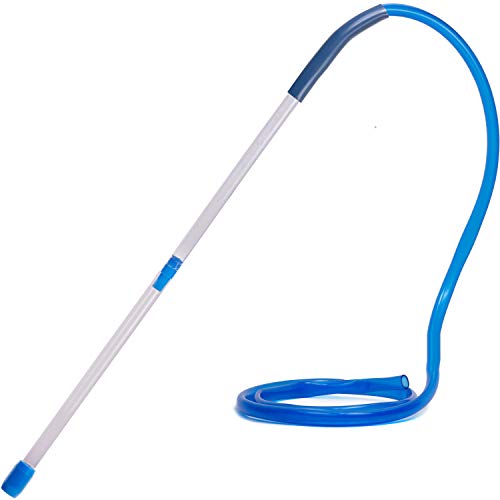
Dedicated siphon devices offer an efficient alternative by accelerating flow rates using downhill elevation gradients. Tools like the Backyard Innovations Quick Spa Drain harness downhill flow to pull ten to twelve gallons per minute out of the tub while simultaneously picking up settled grit from the floor. Self-starting siphon tubes, such as the Shake-a-Vac Spa & Pool Water Vacuum, allow you to shake the nozzle underwater to initiate high-velocity discharge down an eight-foot hose without requiring mouth suction. Both siphon methods require that the discharge end of the hose rests below the water level of the spa footwell to maintain continuous gravitational pull.
Submersible utility pumps provide the fastest drainage speed, capable of emptying a large family spa in under thirty minutes. When using an electric submersible pump, place the unit in the deepest section of the footwell and connect a standard garden hose routed to a suitable drainage area. Ensure the runoff directs into an approved sanitary sewer cleanout or onto lawn areas where chemical-neutral water will not cause soil erosion or violate municipal runoff codes. Monitor the water level closely as the pump reaches the bottom so you can unplug it before it begins sucking air.
Clearing Residual Water From Jets, Manifolds, and Suction Fittings
Draining by gravity or submersible pump always leaves behind several gallons of trapped water inside the low-lying plumbing lines. Spa plumbing incorporates extensive manifolds, check valves, and looping flexible hoses that naturally trap water beneath the floor level. High-flow suction points, such as the Waterway 640-3570 V 2″ Slip Super Hi Flow Spa suction assembly, require inspection to ensure debris has not collected behind the intake screen. Leaving trapped water stagnant in these low plumbing points during warm summer weather invites rapid bacterial colonization and stubborn mildew odors.
A standard wet and dry shop vacuum is the most effective tool for extracting hidden moisture from internal lines. Set the vacuum to liquid suction mode and press the hose nozzle firmly against each individual hydrotherapy jet face, air injector, and suction intake fitting. Switch the vacuum to blower mode and push air down through the open filter standpipe to dislodge hidden water pockets toward the footwell drain. Vacuum up the remaining water pooled on the bottom acrylic surface, paying close attention to recessed footwells and ergonomic seating pockets.
Deep Cleaning the Acrylic Shell and Cartridge Filter Housings
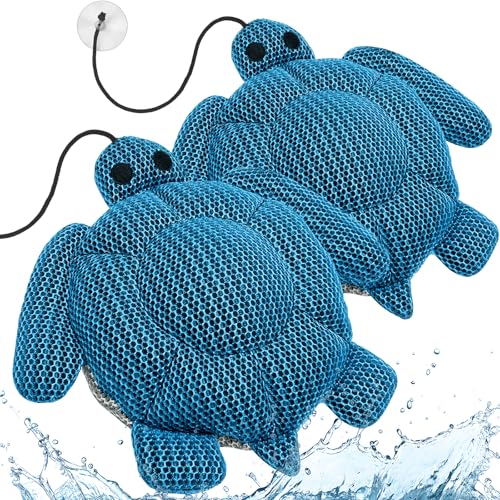
Once the water is evacuated, the exposed acrylic shell requires thorough cleaning to remove organic grime and mineral scale. Specialized cleaning tools, including the Hot Tub Scum Absorber, 2Pack Reusable Scum Turtle, help trap lingering oils and surface films without scratching sensitive gloss finishes. Avoid household bleach, ammonia, abrasive powders, or dish detergents because these leave chemical residues that cause violent foaming when the spa is refilled. Instead, apply a pH-balanced spa surface cleaner with a soft microfiber cloth to dissolve calcium lines and mineral crust along the perimeter.
Inspect the lower drain fittings and hardware while the tub is empty to confirm mechanical integrity. Components like the VARNAHOME Stainless Steel Bath Tub Drain Assembly demonstrate how rustproof metal construction and removable stopper plugs simplify basin maintenance and prevent clogs. Rinse the entire interior shell thoroughly with clean hose water and vacuum out the rinse residue from the footwell. Soak your pleated filter cartridges in a dedicated degreasing solution overnight, spray them clean between pleats, and allow them to dry completely before reinstallation.
Protecting the Empty Spa Shell From Extreme Summer Heat and UV Rays
Leaving an empty hot tub exposed to intense summer sunlight is one of the quickest ways to ruin acrylic and plumbing. Unfilled spa shells lack water to absorb and distribute heat, causing surface temperatures under direct solar exposure to exceed one hundred and sixty degrees Fahrenheit. Extreme thermal buildup can blister the cast acrylic surface, soften ABS backing layers, and warp flexible PVC pipe unions. Securing your spa beneath a heavy-duty hot tub cover with warranty protection blocks damaging UV rays and prevents excessive heat accumulation inside the dry cabinet.
Ensure the cover fits snugly around the cabinet rim and fasten all safety tie-down straps to prevent wind displacement. A tapered thermal outdoor hot tub cover features dense closed-cell foam that acts as a physical shield against heat penetration during hot afternoons. If storing the spa empty for multiple months, leave internal plumbing gate valves open to allow air circulation and prevent vacuum pressure buildup. Placing a moisture-absorbing desiccant pack in the cabinet helps keep electronic control boards dry and free from condensation corrosion.
Refilling and Air Lock Prevention for Warm-Weather Operation
If you plan to use your hot tub as a cool soaking tub during the summer, refilling requires careful technique. Never drop a garden hose directly into the central footwell to fill an empty hot tub. Filling from the footwell traps air pockets inside the pump wet ends and heater tubes, creating stubborn pump air locks that trigger topside flow error codes. Always insert the garden hose directly down into the empty filter housing compartment so incoming water displaces air from internal plumbing from the bottom up.
Fill the water to the manufacturer fill line, which is typically halfway up the skimmer opening or just below the neck pillows. Once filled, restore electrical power at the main breaker and test the GFCI test button to confirm trip functionality. Turn the jets on low speed to confirm steady water circulation and verify that no air lock bubbles are pulsing from the nozzles. Balance total alkalinity to between 80 and 120 ppm, stabilize pH between 7.2 and 7.8, and add an EPA-registered sanitizer before taking your first refreshing soak.
Critical Mistakes to Avoid When Draining Your Spa in Hot Weather
Many spa owners make avoidable mistakes when draining their equipment that result in expensive repair bills. The most frequent error is draining the tub while the heater and pumps remain energized, which almost instantly destroys the heating element. Another common pitfall involves leaving the empty acrylic shell uncovered in direct sunlight, even for a few hours while cleaning supplies are gathered. Acrylic absorbs thermal energy rapidly, and direct sun exposure can cause irreversible shell distortion or delamination in warm climates.
Homeowners also frequently overlook water disposal regulations and dump chemically saturated water into storm drains or delicate landscaping. Discharge water should be tested to ensure free chlorine or bromine residuals have dropped to zero parts per million before releasing it onto turf or garden beds. Failing to remove trapped moisture from plumbing manifolds before a prolonged shutdown allows anaerobic bacteria to flourish in dark pipes. Taking the extra time to vacuum jet lines and secure the protective cover ensures your spa remains spotless and ready for operation.
Mastering the seasonal drain cycle keeps your spa in peak mechanical health while protecting your outdoor living investment. Taking the time to flush internal plumbing, isolate electrical power, vacuum residual moisture, and shield the shell from relentless summer heat ensures seamless operation year after year. When autumn arrives and cooler weather returns, your clean, well-preserved hot tub will be ready to refill and reheat without expensive repairs or frustrating troubleshooting.



Write Your Review
No reviews yet. Be the first to share your experience!