
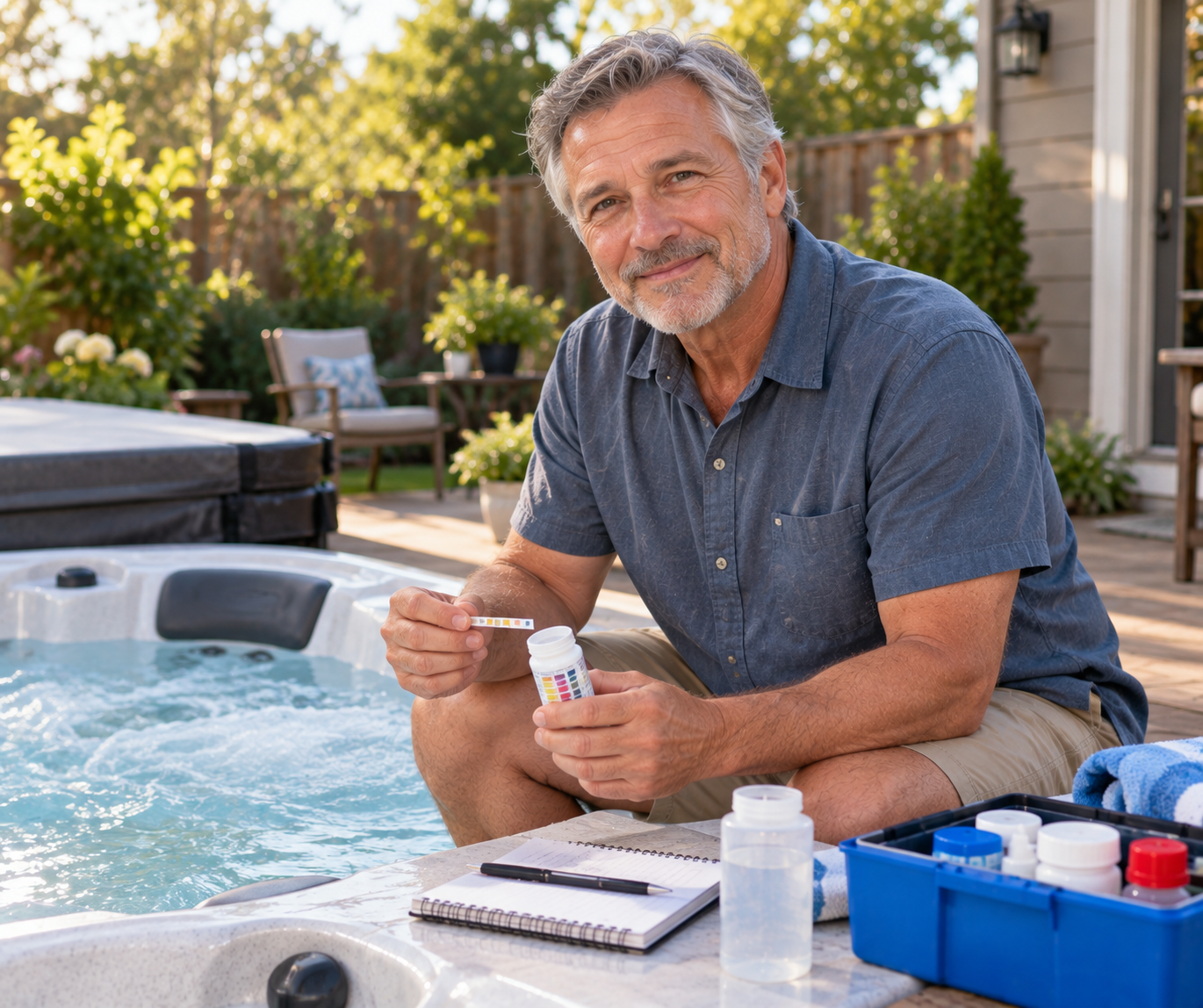

Stepping out onto the patio expecting an evening of clean hydrotherapy only to lift the cabinet cover and reveal murky, hazy water disrupts any relaxation plan. Maintaining balanced water chemistry in a portable spa requires vigilant monitoring because high temperatures accelerate chemical consumption and biological reactions. When spa owners encounter this frustrating issue, identifying why does my hot tub look cloudy becomes an urgent maintenance priority before anyone steps into the tub. A tight seal from a quality yard patio spa cover helps block external debris, but internal imbalances often drive persistent haze.
Cloudy spa water typically stems from three primary issues: depleted sanitizer residuals, improper pH and alkalinity balance, or an accumulation of suspended organic matter and bather waste. Microscopic particles suspended in the water reflect light, creating a milky or dull appearance that indicates filtration or disinfection failure. Left untreated, murky water can harbor opportunistic bacteria, foul mechanical components, and cause scale accumulation on internal heating elements. Understanding the chemical and physical mechanics behind water clarity allows owners to restore pristine water quality rapidly and protect their spa equipment.

Root Causes and Solutions for Cloudy Hot Tub Water
Cloudy hot tub water signals that microscopic contaminants have overwhelmed the spa’s sanitizing and filtration systems. While clear water indicates balanced mineral chemistry and effective pathogen control, turbidity develops when billions of tiny particles float freely in suspension. Resolving this condition requires a systematic approach that addresses chemical sanitizer levels, water balance, physical filtration, and bather waste loads. By diagnosing the exact source of turbidity, spa owners can apply targeted corrective measures rather than guessing with random chemical additions.
Sanitizer Depletion and the Chemistry of Combined Chlorine
Sanitizer depletion stands as the single most frequent trigger for sudden water haze in residential hot tubs. Whether a spa utilizes an EPA-registered biocide such as free chlorine or bromine, the active sanitizer residual must remain between 3 and 5 parts per million to oxidize contaminants continuously. When bather load introduces organic matter, free chlorine molecules bind to ammonia and nitrogen compounds, forming combined chlorine, also known as chloramines. Chloramines lack the sanitizing strength of free available chlorine and produce the pungent chemical odor frequently mistaken for excess chemical dosing.
When free sanitizer levels plunge to zero, opportunistic bacteria and microscopic algae begin multiplying within hours in heated spa water. This rapid biological proliferation scatters light passing through the water column, producing a dull, grayish cast. Regular shocking with non-chlorine potassium monopersulfate or sodium dichlor breaks the chemical bonds of combined chlorine through break-point chlorination. Performing an oxidative shock routine weekly or immediately following heavy bather usage eliminates chloramines and restores the active sanitizer residual required for pristine water clarity.
Continuous reliance on stabilized chlorine granules such as sodium dichlor can also introduce excessive cyanuric acid into the vessel over time. Cyanuric acid serves as a stabilizer against ultraviolet sunlight degradation, but concentrations climbing above fifty parts per million cause chlorine lock. Under chlorine lock conditions, test strips may display adequate chlorine levels, yet the disinfectant remains bound and incapable of destroying active contaminants. Once cyanuric acid saturates the water, only a partial or complete drain and refill can restore sanitizer efficacy and eliminate recurring cloudiness.
Water Balance Disruptions: pH, Total Alkalinity, and Calcium Precipitation
Water balance parameters govern the solubility of minerals and the efficiency of chemical sanitizers in the hot tub. Total alkalinity acts as a chemical buffer to prevent wild fluctuations in pH, and owners should maintain it between 80 and 120 parts per million. When total alkalinity drifts too high, pH naturally follows, frequently rising above the recommended threshold of 7.2 to 7.8. High pH drastically diminishes chlorine effectiveness, reducing its sanitizing efficacy by more than fifty percent compared to properly balanced conditions.
Elevated pH also forces dissolved calcium out of solution, creating a distinct white haze known as calcium precipitation. Calcium hardness levels should ideally register between 150 and 250 parts per million in acrylic hard-shell spas. If calcium hardness or pH climbs excessively, microscopic calcium carbonate crystals float freely throughout the plumbing lines and vessel. Installing a dense insulating hot tub cover protects against temperature-driven evaporation, which concentrates dissolved minerals and worsens hardness scaling over time.
The saturation state of spa water can be evaluated through the Langelier Saturation Index, which factors in water temperature, calcium hardness, total alkalinity, and pH. When the saturation index tips into positive scaling territory, mineral ions precipitate into visible suspended solids that cloud the entire water column. Conversely, overly soft water with low calcium hardness creates corrosive conditions that etch equipment seals and heater elements, generating metallic precipitate. Achieving true balance requires adjusting total alkalinity first, followed by stabilizing pH, and finally buffering calcium hardness within recommended limits.
Organic Load Accumulation: Bather Waste and Micro-Colloidal Debris
Human bathers introduce an enormous volume of non-living contaminants into a relatively small volume of water. Body oils, perspiration, deodorants, skin moisturizers, cosmetics, and hair products wash off quickly in water heated to 100 or 104 degrees Fahrenheit. These organic substances emulsify under vigorous hydrotherapy jet action, forming microscopic colloidal suspensions that standard paper filters cannot readily trap. Over consecutive soaking sessions, this organic film produces a greasy ring along the waterline and dulls the water’s optical transparency.
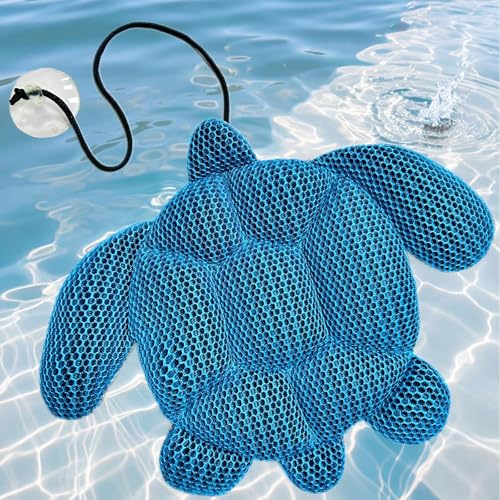
Mechanical surface absorption offers an effortless defense against organic oil buildup before it coats the filtration media. Placing an accessory like the Hot Tub Scum Absorber Hot Tub Sponge into the spa provides continuous oil collection directly from the water surface. The sponge utilizes a 3D air grid structure and absorbent fibers to capture surface oils, cosmetics, and floating residue without adding harsh chemicals. Because it features dual sinking and floating modes and withstands repeated wash cycles, it reduces pressure on the primary filter cartridge and extends operating intervals between deep chemical flushes.
Cartridge Filter Degradation and Inadequate Circulation Cycles
Mechanical filtration represents the primary physical barrier against suspended particulate matter in any portable hot tub. Pleated polyester cartridge filters capture debris down to approximately twenty microns, but their efficiency drops precipitously when pores become saturated with oils and mineral scale. A clogged filter restricts water flow through the plumbing manifold, which may also trigger low-flow error codes such as FLO on digital topside controls. If the circulation pump cannot draw sufficient volume through the filter core, suspended particles remain trapped in the bathing area.
Filter maintenance requires a disciplined routine of weekly rinsing and monthly chemical degreasing to dissolve embedded body oils. Owners should rinse pleats thoroughly with a high-pressure hose nozzle every week to remove loose sediment and hair. Every four to six weeks, soaking the cartridge in an approved spa filter cleaning solution dissolves oily films that water pressure alone cannot loosen. Spas running programmable circulation cycles should run for at least four to eight hours daily, while dedicated low-wattage circulation pumps should run continuously to ensure complete water turnover.
Worn filter media can also suffer from fabric degradation and bypass leaks around internal plastic end caps. Over twelve to twenty-four months of continuous chemical exposure, polyester fibers loosen, permitting fine particles to pass directly back into the hot tub shell. Furthermore, installing an undersized replacement cartridge allows unfiltered water to slip past bypass gaskets during high-speed jet operation. Inspecting the filter cartridge for cracked end caps, torn pleat bands, or flattened pleats ensures that physical filtration continues removing micro-contaminants effectively.
Utilizing Clarifiers and Coagulants for Microscopic Particle Capture
Certain colloidal particles measure below ten microns in size, allowing them to slip straight through even pristine polyester filter pleats. When water remains hazy despite balanced chemicals and clean filters, a concentrated liquid clarifier provides the mechanical assistance needed to bridge this gap. Products such as SpaChoice 1-Pint Premium Clear and Sparkle Hot Tub use a specialized polymeric formula designed specifically for hot water environments. Adding two ounces of this clarifier for spas up to 800 gallons acts as a coagulant, binding microscopic floating debris into larger clusters that the filter cartridge can physically trap.
Clarifiers should be applied with the therapy jets running on low speed to distribute the coagulant evenly throughout the entire plumbing circuit. Running the filtration cycle for several hours following application allows the filter to sweep up the aggregated particulate matter. Spa owners experiencing regular bather loads can incorporate this treatment twice weekly to maintain optical sparkle without altering sanitizer residuals. However, owners must clean the filter cartridge twenty-four hours after dosing to prevent coagulated debris from restricting overall water flow.
Biofilm Colonization in Plumbing Lines and Purge Procedures
Hidden inside the extensive network of flexible PVC piping and jet manifolds, bacterial biofilm presents a severe challenge to water clarity. Biofilm forms when colonies of bacteria secrete a protective extracellular slime matrix that shields them from standard chlorine and bromine concentrations. As this biological layer thickens within warm plumbing lines, fragments periodically slough off into the main tub, causing recurring white or yellowish water turbidity. Traditional shock treatments often fail to penetrate this protective matrix, leaving owners frustrated by persistent water cloudiness that returns days after balancing.
Eradicating established biofilm requires a dedicated plumbing line purge prior to routine draining and refilling. Specialized enzymatic or surfactant-based purge cleaners circulate through the plumbing with jets running on high speed, breaking down the slime matrix and flushing organic accumulation into the footwell. After completing a plumbing purge, owners must drain the entire spa, wipe down the acrylic shell, and refill the vessel through the filter compartment. To prevent airborne debris and thermal loss during normal use, keeping a reliable foldable spa cover secured over the clean shell protects the freshly balanced fill water.
Biofilm colonization often manifests visibly as greasy flakes floating in the water or black and gray buildup behind removable jet faces. If an owner notices persistent musty odors alongside cloudiness that resists repeated chlorine shocking, hidden plumbing contamination is almost certainly the culprit. Allowing biofilm to persist not only ruins water clarity but also creates excessive chemical demand that rapidly consumes expensive sanitizers. Running an annual or biannual purge flush ensures that internal pipe walls remain smooth, sanitary, and free of resistant biological colonies.
Troubleshooting Incompatible Chemicals and Fill Water Impurities
Chemical incompatibility represents an avoidable mistake that quickly transforms clear spa water into a cloudy suspension. Mixing chlorine and bromine sanitizers in the same vessel or feeder can trigger unpredictable chemical reactions that cloud the water and damage equipment. Bromine uses a separate chemical mechanism involving sodium bromide salts, and introducing certain stabilized chlorine shocks can destabilize the residual. Similarly, adding concentrated doses of calcium increaser simultaneously with sodium carbonate creates immediate calcium carbonate cloudiness that takes days to settle.
Fresh fill water drawn from municipal supplies or private wells often contains dissolved metals such as iron, copper, or manganese. When unchelated metals contact oxidizing shocks or high sanitizer residuals, they oxidize immediately and precipitate into colored turbidity ranging from cloudy green to rusty orange. Utilizing a hose-end pre-filter during fresh refills traps heavy metals, suspended rust, and sediment before they enter the hot tub. If source water exhibits high mineral content, adding a dedicated metal sequestering agent binds these dissolved ions in solution, preventing oxidation haze and unsightly shell staining.
Step-by-Step Diagnostic and Remediation Protocol
Restoring crystal-clear water requires following an orderly diagnostic checklist rather than applying multiple chemicals at once. The first step involves testing the water using reliable liquid reagents or high-grade test strips to record free sanitizer, pH, total alkalinity, and calcium hardness. Always adjust total alkalinity first into the 80 to 120 ppm target, as this stabilizes the water and allows pH adjustments to hold steady. Once total alkalinity aligns with target values, dose sodium bisulfate to lower pH or sodium carbonate to raise pH into the ideal 7.2 to 7.8 range.
After balancing water parameters, administer an oxidizing shock treatment to eliminate combined chloramines and destroy biological contaminants. Turn on all therapy pumps on high speed for at least twenty minutes with the spa cover removed to allow off-gassing of chemical byproducts. Inspect the filter cartridge, rinsing out any physical debris, or replace it temporarily with a clean spare filter to handle the clearing phase. If slight cloudiness persists after twenty-four hours of continuous filtration, introduce a clarifying coagulant and float an oil-absorbing sponge to capture residual organic suspensions.
Following twenty-four to forty-eight hours of continuous filtration, test the water once more to confirm stability across all primary chemical parameters. Verify that free chlorine matches total chlorine on your test kit, indicating that combined chloramines have been completely eliminated. Check the pressure gauge or water flow rate at the discharge jets to confirm the filter has not become blinded by coagulated solids. If the filter appears discolored or greasy, perform a thorough rinse to restore full hydraulic circulation through the heater manifold.
Preventative Maintenance Habits for Long-Term Optical Clarity
Preventing cloudy water from recurring requires establishing strict preventative hygiene standards and routine maintenance intervals. Encouraging bathers to take a quick rinse shower before entering the hot tub eliminates the vast majority of lotions, oils, and laundry detergents that destabilize water clarity. Establishing a firm rule against laundering swimwear with fabric softeners prevents foaming agents and silicones from polluting the water. Maintaining consistent sanitizer checks two to three times per week ensures that free available chlorine never drops below the critical 3 ppm threshold.
Total dissolved solids naturally accumulate over time from chemical additions, mineral concentrations, and bather perspiration. When total dissolved solids exceed 1,500 parts per million above the initial fill water baseline, chemicals lose their effectiveness and the water becomes difficult to keep clear. Draining and refilling the hot tub every three to four months resets mineral levels and ensures optimal chemical reactivity. Combining disciplined testing, routine filter degreasing, physical oil absorption, and regular water turnover guarantees pristine, sparkling hydrotherapy year-round.
Maintaining pristine water in a hot tub requires understanding the delicate interplay between chemical balance, physical filtration, and bather contamination. Turbidity serves as an immediate visual indicator that one or more components of your water care system require attention. Addressing the root cause methodically through balanced alkalinity, proper sanitizer residuals, clean filter cartridges, and supplemental clarification restores water clarity quickly. By adopting consistent maintenance habits, spa owners can enjoy crystal-clear water and a safe, hygienic soaking environment every day.






Write Your Review
No reviews yet. Be the first to share your experience!