
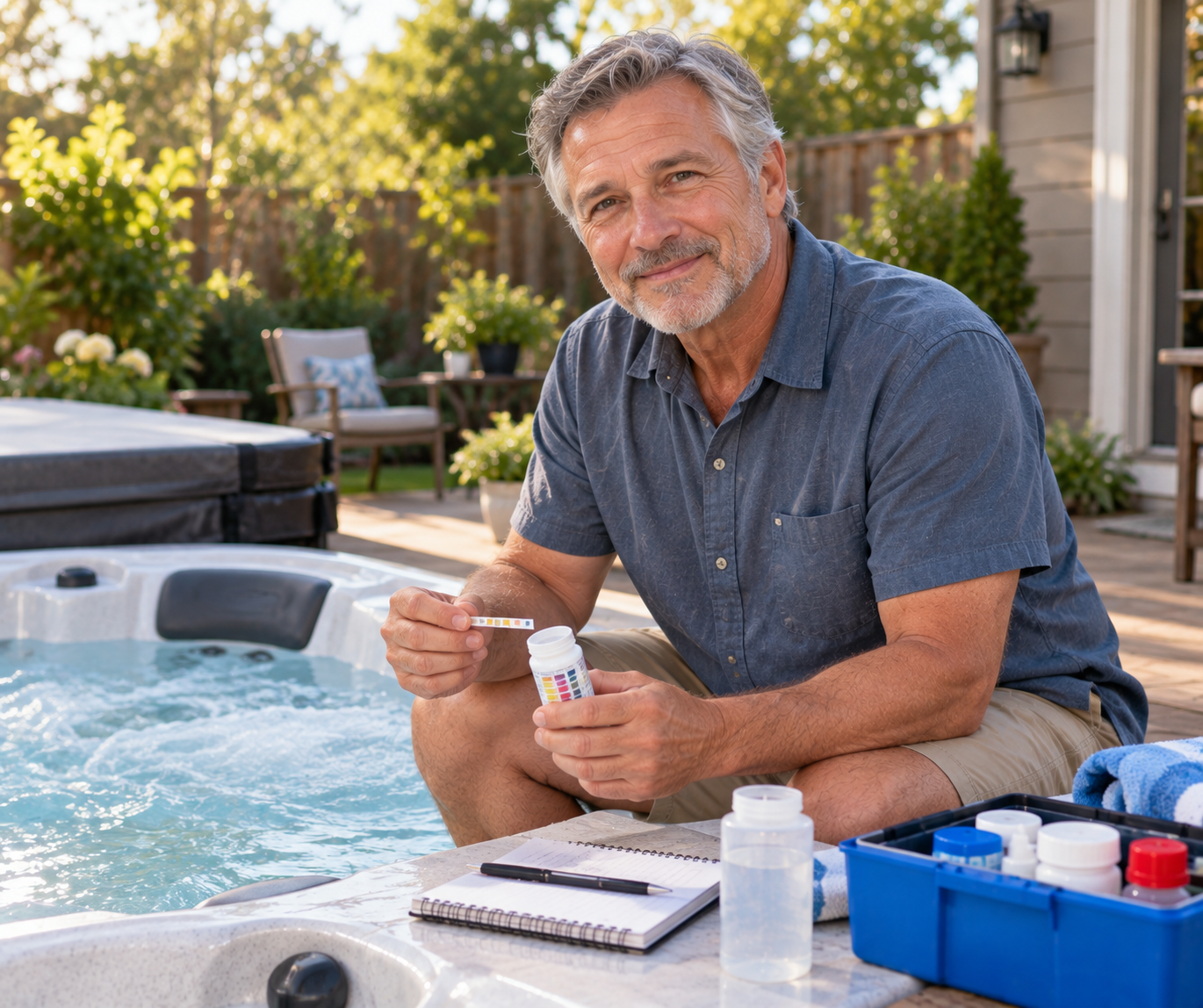

Stepping into an outdoor spa only to discover murky, hazy water immediately ruins what should be a soothing hydrotherapy session. Learning how to fix cloudy hot tub water begins with recognizing that dull water is not simply an aesthetic nuisance, but a clear indicator of biological or chemical imbalance. Suspended micro-particles, bather organics, insufficient sanitizer residuals, and dirty pleated filter cartridges are the most common culprits behind this frustrating condition. When left unaddressed, cloudy water can harbor harmful bacteria, irritate sensitive skin, and create stubborn mineral scaling across the acrylic shell.
Fortunately, restoring pristine water clarity does not require professional equipment or expensive drain cycles if you catch the issue early. By methodically diagnosing sanitizer efficiency, stabilizing total alkalinity and pH, and employing specialized oxidizers alongside water clarifiers, you can bring your spa back to pristine condition within hours. Shielding the water surface with a durable hot tub cover also helps prevent airborne organics from overloading the filtration system in the first place. With a structured water care routine, you can maintain safe, inviting water all year round.

Pros
- Compatible with all major spa sanitizers including chlorine, bromine, and biguanide
- Improves filter media efficiency by binding fine particles that normal cartridges miss
- Concentrated formula requires relatively small doses per treatment
- Compact bottle footprint fits easily into standard outdoor storage cabinets
Cons
- Requires clean filter cartridges to capture coagulated debris without restricting water flow
- Does not resolve cloudiness caused by severely unbalanced pH, total alkalinity, or zero sanitizer
- Liquid format requires careful measuring to prevent accidental over-treatment
HTH Spa 86121 Clarifier is a concentrated liquid water-care treatment designed to clear dull, hazy water in portable and built-in hot tubs. This maintenance product serves first-time hot tub owners, busy families, and vacation rental managers who need a dependable way to restore water clarity after heavy bather loads without having to perform an immediate, water-wasting drain and refill.
Microscopic particles such as dead algae, lotions, cosmetic residues, and fine environmental dust often bypass standard hot tub cartridge filters due to their tiny particle size. HTH Spa Clarifier acts as a coagulant, combining those microscopic floaters into larger masses that your filtration system can easily snare during standard circulation cycles. This action directly supports filter efficiency and helps keep water looking transparent and inviting.
Chemical compatibility is a critical consideration for any spa additive, and this formula is designed to work across diverse sanitation programs. HTH lists compatibility with chlorine, bromine, and biguanide sanitizers, making it versatile for virtually any residential spa setup. The 16-ounce bottle weighs approximately one pound and measures 2.46 by 2.46 by 7.85 inches, allowing it to fit neatly inside outdoor storage bins, hot tub steps with storage compartments, or utility shelves.
Application fits easily into standard spa care routines. Adding the recommended dose while the circulation pump or low-speed jets are active distributes the liquid evenly across the spa volume. After the clarifier binds suspended debris and directs it toward the filter, owners should plan to rinse or chemically wash their filter cartridges within a day or two to remove the collected solids and maintain optimal circulation pressure.
While clarifiers are effective at targeting physical haze, they cannot substitute for fundamental water balancing. If cloudy water is driven by incorrect total alkalinity, skewed pH levels, or an absence of active sanitizer, those underlying chemistry issues must be corrected first. Furthermore, overdosing clarifier can occasionally cause foaming or reverse cloudiness, meaning precise measurement remains necessary during application.
For owners seeking a low-cost, straightforward tool to maintain polished, sparkling water between scheduled drain intervals, HTH Spa Clarifier is a practical addition to the maintenance cabinet. Verifying that your spa filter is clean and that water balance parameters are within normal ranges before pouring will deliver the clearest results.
HTH Spa Clarifier is formulated for broad chemical compatibility, allowing safe use alongside chlorine, bromine, and biguanide sanitizing programs. This flexibility prevents chemical conflict and makes it suitable for both standard residential tubs and rental property installations utilizing different sanitation preferences.
For optimal results, ensure the hot tub water has balanced pH and active sanitizer levels before adding the clarifier. Activating low-speed filtration jets while dosing ensures the liquid disperses thoroughly across the water column to bind tiny particles uniformly.
Because this clarifier gathers microscopic contaminants so that the spa filter can catch them, regular filter maintenance is essential after treatment. Thoroughly rinsing your cartridge pleats with clean water after running the cycle prevents coagulated debris from causing filter restriction.
Store the 16-ounce bottle in a cool, dry, and well-ventilated area away from direct sunlight. Ensuring the cap is tightly secured after each use preserves chemical potency and prevents accidental leakage inside your spa storage box or cabinet.

Pros
- Chlorine-free formula makes it a practical choice for hot tub owners with sensitive skin or those who dislike the smell of chlorine-based shock treatments
- Broad sanitizer compatibility means owners don't need to switch products if they change from bromine to chlorine or add an ozone or mineral system
- Buffered formulation reduces the back-and-forth of adjusting pH after shocking, which simplifies the weekly maintenance process
- Quick-dissolving granules are easier to apply than slow-dissolving products that may leave residue on spa surfaces or require pre-dissolving
- Active ingredient potassium peroxymonosulfate (MPS) is a well-established oxidizer widely used in spa water care
Cons
- This product is not a disinfectant, so it must be used alongside a primary sanitizer like chlorine, bromine, or a mineral system - it cannot replace them for killing bacteria
- Some hot tub owners may find that MPS-based shocks can interfere with certain test strip readings for combined chlorine or total bromine, potentially giving misleading results if tested too soon after application
- At 2.2 lbs, frequent hot tub users who shock after every session may go through the container relatively quickly depending on spa volume and usage patterns
Leisure Time RENU2 Renew is a non-chlorine oxidizing shock treatment designed specifically for hot tub and spa maintenance. Its active ingredient, potassium peroxymonosulfate (MPS), targets organic contaminants like body oils, soaps, deodorants, and lotions that accumulate in spa water with regular use. This product is best suited for hot tub owners who want a chlorine-free shock option that won't add chlorine odor or contribute to chloramine buildup, while still keeping water clear and fresh between sanitizer applications.
The practical value of Leisure Time RENU2 centers on its broad compatibility and buffered formula. It works with chlorine, bromine, ozone, and mineral purification systems, which means most residential hot tub owners can incorporate it regardless of their existing sanitizer setup. The buffered formulation is designed to minimize pH swings after application, which is a real convenience factor - many spa owners find themselves constantly re-adjusting pH after using unbuffered shock products, and this feature may reduce that cycle. The quick-dissolving granules also simplify application, as they can typically be added directly to the spa water without pre-mixing.
One important distinction to understand is that Leisure Time RENU2 is an oxidizer, not a disinfectant. It breaks down organic waste and helps restore water clarity, but it does not replace a primary sanitizer. Hot tub owners still need to maintain proper chlorine, bromine, or mineral sanitizer levels for bacteria and pathogen control. This product works alongside those systems to handle the organic load that sanitizers alone may struggle with, especially in heavily used spas. The manufacturer positions it for weekly use as part of the Leisure Time Simple Spa Care program, or after every use when paired with the Reserve and Renew system.
For hot tub owners dealing with cloudy water, unpleasant odors, or that familiar "chemical" smell that often comes from chloramine buildup rather than free chlorine, RENU2 addresses those symptoms at the source. By oxidizing the organic compounds that combine with chlorine to form chloramines, this product can help reduce eye and skin irritation that many bathers experience. The 2.2 lb container provides multiple treatments for a typical residential spa, though owners who use their hot tub daily and shock after each session should expect to replenish more frequently.
A practical consideration for owners using test strips: MPS-based shocks are known to temporarily affect readings on some combined chlorine or total bromine test methods. It's generally advisable to wait a period after shocking before testing water chemistry to avoid misleading results. Owners should consult their test kit instructions or the Leisure Time product label for specific guidance on testing timing after application.
Leisure Time RENU2 Renew is a sensible choice for hot tub owners who maintain a regular water-care routine and want a chlorine-free oxidizer that fits into most sanitizer systems. It's particularly well-suited for owners with sensitive skin, families who use their spa frequently, and anyone looking to reduce chloramine-related irritation and odor. Before purchasing, verify that your current sanitizer system is among the compatible types listed (chlorine, bromine, ozone, or mineral), and confirm the recommended dosage for your spa's water volume to get the most effective results from each treatment.
Leisure Time RENU2 fits into a straightforward weekly spa maintenance routine. The manufacturer recommends using it weekly as part of the Simple Spa Care program, or after every hot tub session when paired with the Reserve and Renew system. Because the granules are quick-dissolving, application typically involves measuring the appropriate dose for your spa's water volume and adding it directly to the water with the jets running to ensure even distribution.
Consistent use of a non-chlorine oxidizer like RENU2 can help extend the time between full water changes by keeping organic contaminant levels lower. However, it does not eliminate the need for periodic draining and refilling, filter cleaning, or regular sanitizer level checks. Owners should continue to test and balance pH, alkalinity, and sanitizer levels according to their spa manufacturer's guidelines. Storing the product in a cool, dry location away from direct sunlight and moisture helps maintain its effectiveness over time.
While Leisure Time RENU2 is a water-care chemical rather than a filter product, its function directly relates to filter maintenance and longevity. By oxidizing body oils, lotions, soaps, and other organic compounds in the water, regular use of a non-chlorine shock can reduce the organic load that accumulates on filter cartridges. This may help extend the effective cleaning interval between filter rinses, though it does not replace the need for routine filter cleaning and eventual filter cartridge replacement.
Owners who notice their filters clogging more quickly than expected may benefit from more consistent shock treatment to reduce the dissolved organic content in their spa water. This product is compatible with standard spa filtration systems and does not require any special filter type or configuration.

Pros
- Coagulates micro-particles so standard spa cartridge filters can trap fine debris
- Designed to clarify cloudy water without altering overall pH balance
- Simple application procedure using active spa jets for rapid circulation
- Compact 1-pint bottle is easy to store alongside routine hot tub chemicals
Cons
- Requires a clean, functioning filter cartridge to physically remove the clumped debris
- Over-dosing can lead to temporary haziness, requiring careful measurement based on spa gallon capacity
- Does not replace primary sanitizers or shock treatments for bacteria and heavy organic buildup
AquaDoc Hot Tub Clarifier is a concentrated liquid treatment designed to clear cloudy water and support routine cartridge filtration. It best suits hot tub owners, vacation rental hosts, and busy homeowners who experience dull or hazy water resulting from bather load, body lotions, or fine airborne debris. Instead of waiting for microscopic suspended solids to slowly cycle out through standard circulation, this formula acts as a coagulant to bundle tiny particles together so spa filters can trap them efficiently.
Microscopic dirt particles are frequently smaller than the micron rating of standard hot tub cartridge filters, allowing them to bypass filter pleats and keep the water looking hazy. AquaDoc works by attracting these micro-particles like a magnet, creating larger agglomerations that the filter media can physically catch. Running spa jets and blowers during application accelerates circulation, allowing the treatment to disperse evenly throughout the tub and push debris toward the skimmer intake.
Maintaining water balance is a central part of spa ownership, and chemical additions that swing pH can trigger scale or skin irritation. This clarifier is formulated to clear water without upsetting established pH levels, which helps avoid cascading chemical adjustments. By pulling floating debris out of suspension, it helps cartridge filters capture dirt effectively, though regular filter rinsing remains essential to flush away the collected material.
Applying the clarifier fits easily into weekly spa care routines without complicated steps. The manufacturer directions suggest adding 2 ounces for every 800 gallons of water while the jets or blowers are active, continuing filtration until the water turns clear. For standard residential tubs, which often hold between 300 and 450 gallons, measuring out roughly 1 ounce twice a week provides consistent water maintenance without over-treating.
While clarifiers improve mechanical filtration, they are not a substitute for proper sanitizer levels, oxidizers, or routine filter cleaning. If a hot tub filter cartridge is already loaded with oils or scale, adding a clarifier will yield limited results until the filter is thoroughly rinsed or degreased. Additionally, overdosing clarifier can have an inverted effect, where excess polymers temporarily cloud the water, making accurate measurement essential.
AquaDoc Hot Tub Clarifier is a reliable, practical addition to any spa chemical cabinet for clearing minor haziness and supporting regular filtration. Before adding it to your spa, verify your water sanitizer levels, test baseline pH, and inspect your cartridge filter to ensure it is clean and ready to trap the gathered particles. Hot tub owners looking for a low-fuss way to preserve water clarity between water changes will find good everyday value here.
Using AquaDoc Hot Tub Clarifier effectively requires basic attention to spa capacity and filtration cycles. The listed dosage is 2 ounces for every 800 gallons of water, meaning most typical residential hot tubs holding 350 to 400 gallons require approximately 1 ounce per application. Adding the measured dose twice weekly with the circulation jets running ensures thorough dispersion across the entire spa shell.
Because the clarifier works by grouping tiny particles into larger debris, your spa filter cartridge does the physical work of removing the cloudiness from the water. Running the filtration cycle until the water clears is essential, followed by a quick garden-hose rinse of the filter pleats to prevent the trapped coagulants from restricting water flow.
Comprehensive Guide to Clearing and Preventing Cloudy Hot Tub Water
Achieving brilliant water clarity requires understanding how filtration, sanitation, and chemical balance interact inside a heated spa. When your tub loses transparency, suspended particulate matter or biological waste has overwhelmed the filtration capacity. Resolving this issue demands a targeted approach that pinpoints the root cause rather than haphazardly pouring chemicals into the water. Spa owners can systematically diagnose the source of turbidity and apply proven chemical solutions to restore crystal clear soaking conditions.
Identifying the Core Causes of Spa Water Cloudiness
Turbidity in a hot tub generally stems from high bather waste, exhausted sanitizers, filtration failure, or mineral precipitation. Bather waste includes sweat, body lotions, cosmetics, deodorants, and natural skin oils that wash off during hydrotherapy sessions. Because a standard hot tub holds only three hundred to five hundred gallons of water, even a small group of bathers introduces a massive organic load. This surge rapidly consumes available free chlorine or bromine, creating dead chloramines or bromamines that leave the water dull and murky.
Filtration problems represent another frequent source of cloudy conditions. When paper pleats become saturated with oils and fine silt, water bypasses the filtration matrix or experiences restricted flow rates. Mineral precipitation also occurs when calcium hardness and total alkalinity climb too high, causing microscopic calcium carbonate crystals to float in the water column. Identifying which factor triggered the cloudiness allows you to select the precise remedy without wasting time or chemicals.
Testing and Correcting Foundational Water Chemistry
Every recovery effort must start with accurate water testing using reliable test strips or a liquid reagent kit. You should always balance total alkalinity before attempting to adjust pH, as alkalinity acts as a buffer against drastic pH swings. Ideal total alkalinity ranges between 80 and 120 parts per million (ppm), providing the necessary stability for your water care routine. When total alkalinity drops below 80 ppm, pH fluctuates wildly, while readings above 120 ppm can lock pH at high levels and cause calcium scale to precipitate into cloudiness.
Once alkalinity sits within the proper range, adjust the pH to read between 7.2 and 7.8, with 7.4 to 7.6 serving as the optimal target. High pH above 7.8 significantly reduces the germ-killing efficiency of chlorine, allowing organic contaminants to accumulate unchecked. Low pH below 7.2 creates acidic water that irritates the eyes, strips equipment components, and dissolves metals into solution. Finally, verify calcium hardness within the recommended 150 to 250 ppm window to prevent both foaming and aggressive scale formation.
Oxidizing Organic Contaminants and Chloramines with Non-Chlorine Shock
When free sanitizer levels read near zero while combined sanitizer levels remain high, the water suffers from sanitizer exhaustion. Combined chlorine, known as chloramines, produces the strong chemical odor often mistaken for excessive chlorine, signaling that the biocide is locked up and inactive. Applying an oxidizer breaks the chemical bonds of these contaminants, destroying microorganisms, soaps, deodorants, and skin oils without locking the water into an over-chlorinated state. This oxidation process restores the water’s natural oxidation-reduction potential and eliminates foul odors.
Using an oxidizer like Leisure Time RENU2, Renew Non-Chlorine Shock delivers potassium peroxymonosulfate directly to the water without adding stabilized cyanuric acid. This quick-dissolving non-chlorine formula is buffered to prevent severe pH fluctuations while it clears cloudy water and destroys organic matter. Because it is chlorine-free and compatible with chlorine, bromine, ozone, and mineral purification systems, it serves as a versatile treatment for routine maintenance or after heavy soaking sessions. Distributing this treatment evenly across the water surface with the jets running for twenty minutes burns off spent chloramines quickly.
Utilizing Water Clarifiers to Capture Microscopic Suspended Particles
Even after sanitizers destroy bacteria and oxidizers break down organic oils, microscopic inert particles may remain floating in the water column. Standard polyester cartridge filters capture debris down to twenty microns, but colloidal particles measuring under five microns pass straight through the pleats. This lingering particulate matter reflects light, creating a persistent milky haze that regular filtration cannot clear on its own. Water clarifiers solve this challenge through chemical coagulation, bringing microscopic debris together into larger, filterable clumps.
Products such as AquaDoc Hot Tub Clarifier act almost like a magnet, coagulating micro-dirt particles so they can be trapped by the spa filter cartridge. By gathering fine suspended matter into manageable clusters, this treatment extends cartridge filter life, prevents foam buildup, and restores clarity rapidly. For routine treatment, add two ounces for every eight hundred gallons of water while operating the hydrotherapy jets to ensure complete mixing. Once dosed, run the circulation pump continuously until the water turns brilliant and transparent.
Concentrated formulations like HTH Spa 86121, Clarifier, 16 oz also provide strong clearing action designed to raise overall filter efficiency across all hot tub systems. This concentrated blend works effectively with chlorine, bromine, and biguanide sanitizing programs without leaving sticky chemical residues inside internal plumbing lines. Clarifiers should always be dosed conservatively according to label directions, as adding too much polymer can create an unwanted cloudy film. Allowing the coagulant to circulate through the filter for twelve to twenty-four hours clears the vast majority of suspended particles.
Inspecting, Cleaning, and Degreasing Cartridge Filters
Chemical clarifiers rely entirely on a clean, functioning filter cartridge to capture the coagulated particles they gather. If your filter cartridge is choked with hair, body oils, and dried minerals, running the circulation pump will simply circulate cloudy water through bypass valves. Turn off power at the dedicated GFCI breaker panel before accessing the filter canister, ensuring personal safety and preventing debris from dropping into the suction line. Remove the cartridge and inspect the pleats for visible tears, collapsed inner cores, or dark organic discoloration.
A basic garden hose nozzle can rinse away loose dirt from the pleats, but water pressure alone cannot remove oily film or calcium scale. Spraying the cartridge with a specialized filter degreaser breaks down stubborn oils, while an overnight soak in a cleaning solution dissolves deep-seated minerals. Homeowners should avoid using high-pressure car wash wands or household detergents, as pressure tears fragile fibers and detergents create uncontrollable foaming. Keeping a spare filter cartridge on hand allows you to immediately swap filters while the dirty cartridge undergoes a deep chemical cleaning cycle.
Evaluating Environmental Factors and Spa Cover Integrity
External environmental contaminants often introduce significant organic debris into outdoor spas, accelerating water cloudiness. Windblown pollen, lawn fertilizer dust, dead leaves, and bird drops introduce phosphates and bacteria directly into the water whenever the hot tub remains uncovered. Rainwater can also introduce atmospheric acidity that crashes total alkalinity and causes sudden cloudiness. Installing a protective patio hot tub cover creates an impenetrable physical barrier against external contaminants, preserving water cleanliness between hydrotherapy sessions.
Worn, waterlogged covers can also become an active source of water contamination rather than a protective shield. When the inner vapor barrier breaks down, the interior foam core absorbs moisture and develops mildew and bacterial colonies that drip back into the clean spa water. Choosing a well-insulated, foldable hot tub cover with marine-grade vinyl and sealed seams prevents moisture absorption and inhibits fungal growth. Inspecting the underside of your cover regularly and wiping it down with a mild disinfectant prevents hidden mildew spores from continually re-clouding your freshly balanced water.
Establishing a Step-by-Step Restoration Protocol
When confronted with cloudy water, following a systematic twenty-four to forty-eight hour protocol restores water balance with minimal frustration. Begin by testing the water with a reliable kit, adjusting total alkalinity to 80-120 ppm, and balancing pH between 7.2 and 7.8. Next, add a dose of non-chlorine shock oxidizer while running the high-speed jet pumps with the air controls turned off to prevent excessive foaming. Allow the jets to circulate the oxidizer for twenty minutes with the cover completely open to let volatile gasses escape into the ambient air.
Once the oxidation cycle concludes, measure your primary biocide residual and bring free chlorine to 3-5 ppm or bromine to 3-6 ppm using an EPA-registered sanitizer. After establishing sanitizer protection, introduce a measured dose of water clarifier directly into the main body of water with the circulation pump running. Set your spa control pack to run continuous filtration for at least twelve to twenty-four hours to ensure all coagulated particles pass through the filter. Finally, pull the cartridge filter to rinse away captured debris, re-test all chemical parameters, and verify clarity before permitting bathers back into the tub.
Recognizing When a Full Drain and Refill Is Necessary
Certain water conditions reach a chemical saturation point where clarifiers and oxidizers can no longer resolve persistent cloudiness. As water evaporates and chemicals are repeatedly added over several months, Total Dissolved Solids (TDS) accumulate steadily in the plumbing lines and footwell. When TDS levels climb more than 1,500 ppm above the baseline reading of your tap water, the water feels hard, smells stale, and refuses to remain clear despite proper dosing. Similarly, spas using stabilized dichlor granules accumulate excessive cyanuric acid, which eventually binds chlorine and renders it completely ineffective.
Under these circumstances, draining and refilling the spa provides the only practical and economical solution. Before opening the gravity drain valve or dropping in a submersible utility pump, circulate a specialized plumbing purge cleaner through the jets to strip biofilm from internal pipes. Thoroughly rinse the acrylic shell with clean water, wipe away waterline residue using a non-abrasive microfiber towel, and reinstall a freshly degreased filter cartridge. Refilling the hot tub through the filter compartment prevents air locks in the circulation pump wet end and provides fresh, balanced water that stays crystal clear with minimal maintenance effort.
Maintaining clear hot tub water comes down to consistent monitoring, proactive oxidation, and diligent filter maintenance. By catching early signs of haze, stabilizing your foundational chemistry, and keeping replacement oxidizers and clarifiers on hand, you eliminate the frustration of cloudy water before it disrupts your schedule. Routine care protects your hydrotherapy equipment from premature wear, prevents unnecessary drain cycles, and ensures every soak remains relaxing, sanitary, and pristine.





Write Your Review
No reviews yet. Be the first to share your experience!