

Soaking in crystal clear spa water requires a steady balance between daily sanitizers and routine oxidation treatments. Bather waste like perspiration, body oils, lotions, and environmental debris quickly accumulate in warm water, consuming free sanitizer and generating unpleasant chloramines. When spa water begins to look hazy or develops an acrid chemical smell, understanding how much shock for 500 gallon hot tub water is required helps restore clarity without throwing off your delicate chemical balance. Maintaining balanced water also shields internal components, while pairing chemical care with a quality protective thermal hot tub cover keeps contaminants out and retains heat efficiently.
Hot tub shock treatments generally fall into two primary categories: chlorine-based sanitizing shock and chlorine-free oxidizers like potassium monopersulfate. Adding the correct dose ensures that organic contaminants are incinerated without spiking your sanitizer residual to unsafe levels or damaging acrylic shell finishes. For a typical 500-gallon spa, dosage depends on whether you are conducting routine weekly maintenance, reviving cloudy water, or performing a heavy superchlorination after heavy bather loads. By matching your chemical volume to your specific spa capacity, you protect bather comfort, extend water life between drain cycles, and avoid irritating skin reactions.


Complete Dosing and Maintenance Guide for Shocking a 500-Gallon Hot Tub
Managing water chemistry in a large hot tub requires precision because under-dosing leaves contaminants behind while over-dosing can irritate skin and degrade equipment. For a 500-gallon hot tub, the standard maintenance dosage of non-chlorine shock oxidizer is approximately 1.5 to 2 ounces, or roughly 3 to 4 level tablespoons. If using chlorine shock to sanitize or clear severe contamination, the typical requirement is 1 to 1.5 ounces of sodium dichlor granules. Knowing these baseline numbers gives you a solid foundation, while regular testing keeps your water balanced and inviting.
Determining the Exact Shock Dosage for a 500-Gallon Capacity
Hot tub volume directly dictates the active oxidizer concentration required to eliminate organic waste without upsetting water balance. A 500-gallon hot tub represents the upper tier of residential portable spas, typically accommodating six to eight adults. Because this water volume holds substantial heat and bather residue, chemical demands exceed those of smaller patio tubs. Most non-chlorine shock products recommend roughly 1.5 to 2 ounces per 500 gallons for weekly oxidation, equaling approximately three to four level tablespoons.
When using chlorine shock such as sodium dichlor, the dosage targets sanitizer residual rather than purely oxidizing contaminants. For weekly maintenance or moderate bather loads, adding 1 to 1.25 ounces of dichlor granules will elevate free chlorine by approximately 7 to 9 parts per million. If you need to superchlorinate the water to eradicate stubborn bacteria or algae, you may need up to 2 ounces of chlorine shock. Measuring carefully with a dedicated chemical scoop rather than estimating by sight prevents chemical waste and surface damage.
Non-Chlorine Oxidizer Versus Chlorine Shock: Functional Differences
Spa owners frequently confuse non-chlorine shock oxidizers with chlorine shock treatments, yet they perform distinct chemical functions. Non-chlorine shock contains potassium monopersulfate, commonly known as MPS, which serves as a powerful oxidizer rather than an EPA-registered sanitizer. Oxidizers break down non-living organic contaminants like body oils, sweat, cosmetics, and dead skin cells. By destroying these organic compounds, non-chlorine shock frees up your primary sanitizer to focus exclusively on destroying living bacteria.
Chlorine shock utilizes concentrated sanitizing compounds such as sodium dichlor to raise free available chlorine to elevated levels. This process is necessary when you need to sanitize fresh fill water, destroy stubborn algae, or break apart combined chloramines through breakpoint chlorination. However, shocking with dichlor adds stabilizer in the form of cyanuric acid to your water, which accumulates over time and gradually reduces chlorine efficacy. Non-chlorine shock oxidizers do not add cyanuric acid, making them far better suited for frequent, routine maintenance.
Another major advantage of non-chlorine shock is that it works effectively in both chlorine and bromine sanitization systems. In bromine spas, potassium monopersulfate actually oxidizes spent bromide ions back into active, disinfecting bromine. This reaction reactivates your existing sanitizer bank without introducing conflicting chemical compounds into the circulation plumbing. Homeowners who prefer gentle water with minimal chemical odors often rely heavily on weekly non-chlorine shock to maintain pristine conditions.
Pre-Shock Water Chemistry: Balancing Alkalinity and pH First
Adding shock to unbalanced hot tub water is one of the primary causes of cloudy water and wasted chemicals. Before introducing any oxidizing agent into your 500-gallon spa, you must verify that total alkalinity and pH fall within standard parameters. Total alkalinity acts as a buffer against erratic pH swings and should sit between 80 and 120 parts per million. When total alkalinity is properly adjusted, your water achieves chemical stability that allows oxidizers to work efficiently.
Water pH directly governs how aggressively sanitizers and shock treatments perform in the water column. You should maintain your spa water pH between 7.2 and 7.8, with 7.4 to 7.6 representing the ideal target zone. If pH climbs above 7.8, the oxidizing power of your shock treatment diminishes drastically, requiring larger quantities of chemical to achieve the same clearing effect. Conversely, adding shock to water with a low pH below 7.2 accelerates corrosion of your titanium heater element and pump seals.
Step-by-Step Procedure for Applying Shock to a 500-Gallon Tub
Applying shock treatment correctly requires following a methodical sequence to ensure uniform chemical dispersion and personal safety. Begin by turning off the spa heater and fully removing the hot tub cover from the acrylic shell. You should never add chemicals with the cover closed, as concentrated gases can become trapped beneath the foam core. Ensure that all primary water jets are running on low speed to establish a steady circulation pattern throughout the entire 500-gallon vessel.
Turn off all auxiliary air controls and venturi valves before introducing the shock treatment. Drawing excess air into the water streams causes rapid surface agitation, which creates unnecessary foaming and accelerates oxidizer evaporation. Measure out exactly 1.5 to 2 ounces of non-chlorine shock oxidizer using a dry plastic measuring scoop. Slowly broadcast the granular powder across the deep section of the spa water, keeping the scoop close to the water line to prevent dust drift.
Allow the circulation pump to run continuously for at least twenty to thirty minutes following chemical addition. This continuous water movement distributes the oxidizer evenly across all plumbing lines and prevents undissolved granules from resting against the acrylic floor. Avoid pouring the entire chemical dose into a single concentrated pile, as settled oxidizer can cause temporary discoloration on shell surfaces. Once the circulation cycle concludes, inspect the water visually to confirm that all granules have fully dissolved into solution.
Protecting Spa Covers and Equipment During Chemical Off-Gassing
Chemical off-gassing is an inevitable byproduct of both chlorine and non-chlorine shock treatments. As oxidizers break down organic contaminants and chloramines, volatile chemical gases rise from the water surface into the immediate atmosphere. If a spa cover is closed immediately after shocking, these corrosive fumes become trapped beneath the vinyl underside. Over time, trapped vapors attack the plastic vapor barrier, degrade the internal polystyrene foam core, and corrode metal zipper assemblies.
Spa owners can prevent premature cover failure by leaving the spa uncovered for at least twenty to thirty minutes following any shock application. This simple habit allows chemical fumes to dissipate harmlessly into the open air while the circulation jets run. If you use an insulating foldable hot tub cover to protect your spa, maintaining this ventilation window is critical to preventing moisture saturation and foam waterlogging. A properly maintained cover retains heat far better and eliminates unnecessary physical lifting strain over years of operation.
Safe Soaking Windows and Waiting Times After Shocking
Determining when it is safe to re-enter the spa depends heavily on the specific type of shock product you choose to apply. Non-chlorine oxidizers, such as potassium monopersulfate, work quickly and do not elevate your free chlorine or bromine levels. For products like SpaGuard Spa Shock Oxidizer, the manufacturer indicates that bathers should not enter the hot tub within 15 minutes of addition. In general practice, waiting twenty to thirty minutes provides ample time for the oxidizer to distribute thoroughly and complete initial off-gassing.
Chlorine shock requires a significantly longer waiting period before bathers can safely soak. When you add 1.5 to 2 ounces of sodium dichlor to a 500-gallon tub, free chlorine levels can easily spike above 10 parts per million. Soaking in water with sanitizer concentrations that high can cause severe eye stinging, airway irritation, and itchy skin rashes. You must wait until free chlorine naturally drifts back down into the safe therapeutic range of 3 to 5 parts per million, which can take eight to twenty-four hours.
Troubleshooting Persistent Foaming, Cloudiness, and Over-Dosing
If your 500-gallon hot tub remains cloudy after shocking, several underlying factors may be hindering water clarity. Cloudy water often indicates that the existing bather load was too heavy for a single maintenance dose of oxidizer to eliminate. In this situation, the shock treatment burned through all active oxidizer before fully breaking down accumulated waste. Testing the water often reveals that total sanitizer residual is depleted, signaling that a secondary shock dose or filter cleaning is required.
Persistent surface foaming after shocking usually stems from cosmetic residues, laundry detergents on swimwear, or poor filtration rather than the shock itself. While non-chlorine oxidizers help eliminate organic precursors to foam, they cannot filter out dissolved surfactants. Inspecting and rinsing your pleated cartridge filters removes trapped oils and improves circulation velocity. If your filters are coated in oils, soaking them in an approved filter degreasing solution restores their filtration efficiency and helps clear the water column.
Over-dosing non-chlorine shock can temporarily cause false-positive high readings on standard chlorine test strips due to oxidation interference. If you accidentally add double the recommended dose to your 500-gallon spa, do not panic, as potassium monopersulfate does not bleach acrylic shells like concentrated chlorine. Simply run your circulation pumps with the cover off and allow the water to aerate for an extended period. Within twenty-four to forty-eight hours, the excess oxidizer will neutralize as it reacts with ambient air and circulating water.
Formulations and Practical Insights: SpaGuard, HTH, and Kriooxluue
Comparing market options reveals subtle formulation differences that impact how you manage your 500-gallon hot tub routine. The 2LB Chlorine-Free Hot Tub Shock Oxidizer from Kriooxluue emphasizes convenience with a pour-and-go formula requiring no pre-dilution or complex measuring. Its formula is designed for all spa types and equipment, making it a dependable choice for quick weekly maintenance treatments. Because it dissolves readily, it helps minimize the risk of undissolved chemical residue accumulating in footwells.
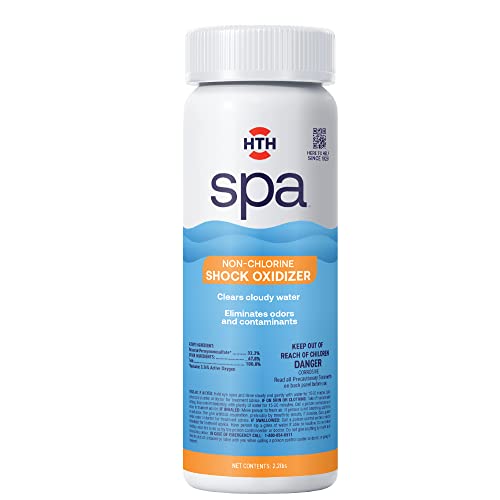
HTH Spa 86135 Non Chlorine Shock Oxidizer comes in a 2.25-pound bottle and focuses heavily on neutralizing unpleasant water odors. The manufacturer highlights its ability to reduce odor-causing ammonia, chloramines, and organic contaminants without the harsh effects associated with chlorine. This formula is compatible with both chlorine and bromine systems, making it versatile for multi-sanitizer routines. For a 500-gallon tub, using this product on a weekly schedule keeps water smelling fresh and prevents chloramine buildup following heavy use.
SpaGuard Spa Shock Oxidizer is packaged in a 35-ounce container and offers a specialized non-chlorine formula that stabilizes pH levels to prevent erratic chemical bounce. The manufacturer states that it produces crystal clarity by removing microscopic organic contaminants missed by standard filtration. Furthermore, the label explicitly notes that bathers should avoid using the hot tub within 15 minutes after application. Investing in an effective oxidizer and pairing it with a protective fitted yard patio hot tub cover ensures your 500-gallon investment stays clean and protected in all outdoor conditions.
Establishing an Ongoing Maintenance Schedule and Drain Cycles
Maintaining consistent water clarity in a 500-gallon hot tub requires a predictable, weekly maintenance routine rather than reactive chemical treatments. Establishing a set day each week to test water chemistry and apply your 1.5 to 2 ounces of non-chlorine oxidizer prevents bather waste from accumulating. If your spa hosts a large gathering over the weekend, administering an extra maintenance dose immediately after guests exit keeps the water fresh. This proactive approach minimizes the need for harsh emergency chlorine shock treatments later in the week.
Even with flawless shocking practices, every hot tub eventually reaches a threshold where fresh water is necessary. Over months of soaking, dissolved solids, minerals, and residual chemical byproducts accumulate in the water column, a condition known as total dissolved solids or TDS. When TDS levels climb more than 1,500 parts per million above your initial tap water baseline, oxidizers become noticeably less effective. For a 500-gallon spa with average household use, draining and refilling every three to four months restores peak chemical responsiveness.
Properly caring for a 500-gallon hot tub comes down to respecting the relationship between water volume, bather load, and chemical dosages. By measuring out 1.5 to 2 ounces of quality non-chlorine oxidizer for weekly maintenance and reserving chlorine shock for targeted sanitation needs, you maintain pristine clarity without stressing your equipment. Always allow adequate ventilation after treatment, keep your covers clean, and verify balance parameters before adding chemicals. With these practical dosing habits in place, your hot tub will remain an inviting, crystal-clear sanctuary ready for daily enjoyment.






Write Your Review
No reviews yet. Be the first to share your experience!