
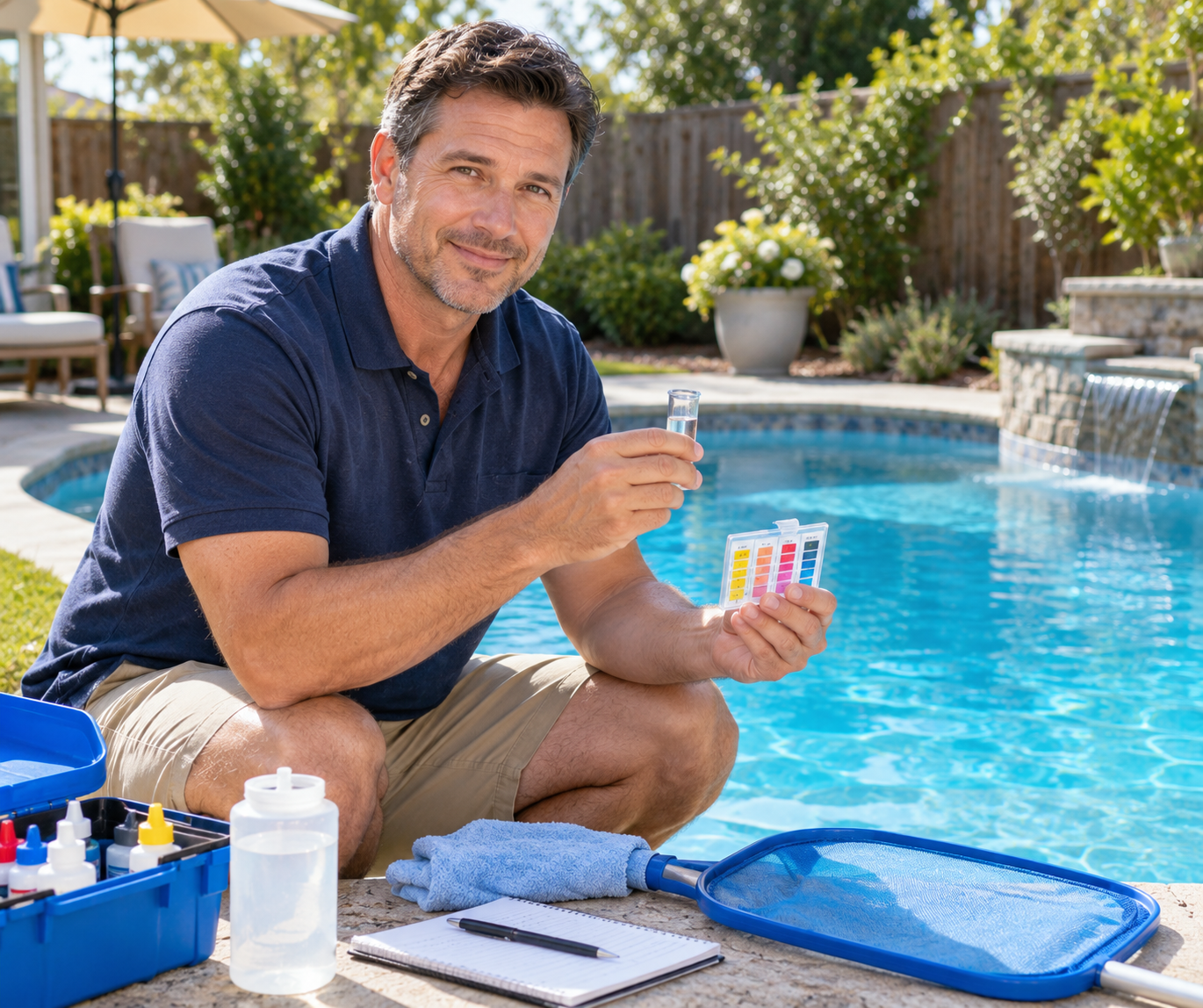

Stepping into cloudy, pungent spa water quickly ruins what should be a soothing evening of backyard hydrotherapy. High bather loads, body oils, cosmetic residues, and organic contaminants quickly exhaust daily sanitizer residuals, leading to accumulated chloramines and irritating chemical odors. Understanding exactly how much chlorine to shock hot tub plumbing and water surfaces allows spa owners to eliminate bacteria, restore clarity, and maintain a safe soaking environment. Regular water balancing preserves equipment longevity while keeping heater elements, acrylic shells, and mechanical seals free from aggressive corrosive attacks.
Calculating the correct chemical dosage requires knowing your spa volume, current sanitizer levels, and whether you need routine oxidation or heavy breakpoint chlorination. Adding the proper amount of granular dichlor or paired oxidizers revitalizes circulation circuits without degrading sensitive headrests or a durable hot tub cover with warranty protection. Balancing your total alkalinity and pH beforehand ensures the sanitizer operates at peak efficiency during the treatment cycle. With standard testing and disciplined application, keeping your spa fresh, clear, and inviting remains straightforward throughout the entire soaking season.




Comprehensive Guide to Hot Tub Shocking and Chemical Dosing
Calculating the exact chemical quantity to sanitize your spa prevents cloudy water, skin discomfort, and costly component degradation. Most residential spas require approximately 1.5 to 2 tablespoons (about 0.75 to 1 ounce) of granular chlorine shock per 400 to 500 gallons of water for routine weekly oxidation. If the water has developed severe cloudiness, persistent algae, or a strong chemical smell, reaching breakpoint chlorination may require 3 to 4 tablespoons (about 1.5 to 2 ounces) to fully clear the contamination. Establishing the precise gallon capacity of your hot tub and testing your baseline water balance are the necessary initial steps before measuring any granular sanitizer into the water.
Determining Exact Chlorine Shock Dosages by Water Capacity
Spa water chemistry demands precision because a hot tub holds a relatively small volume of water that operates at elevated soaking temperatures. For standard acrylic hot tubs holding 300 to 400 gallons, routine shocking requires roughly 1 to 1.5 tablespoons of sodium dichlor granules. Larger five-person to seven-person tubs holding 450 to 600 gallons generally require 2 to 2.5 tablespoons of chlorine shock to elevate free chlorine levels to the target range of 5 to 10 parts per million (ppm). Compact two-person soaking tubs or plug-and-play spas with 200 to 250 gallons of water only require about 1 tablespoon to achieve the same sanitizing impact.
Underestimating or overestimating spa water volume often leads to chronic water care frustration. To determine your exact water volume, consult the manufacturer specification sheet or calculate the cubic feet of your footwell and seating areas before multiplying by 7.48 gallons per cubic foot. When treating heavy bather contamination following a weekend gathering, spa caretakers often double the routine dosage to achieve breakpoint chlorination. Adding chemical doses in increments while testing with reliable test strips prevents accidental over-chlorination that can bleach swimwear or damage acrylic surfaces.
Chlorinated Shock Versus Non-Chlorine Oxidizers
Spa owners frequently choose between traditional chlorinated shock treatments and non-chlorine oxidizers based on potassium peroxymonosulfate (MPS). Chlorinated treatments, such as SpaGuard Enhanced Shock, utilize a sodium dichlor base combined with clarifying agents, flocculants, and specialized pH buffers to provide an aggressive biocide shock that destroys living algae and bacteria. This multi-purpose formulation actively restores water clarity while buffering the water against rapid pH swings during heavy sanitization. Because chlorinated shocks directly raise free chlorine residuals, they serve as the preferred solution when tackling microbial blooms or contaminated fill water.
Non-chlorine shock oxidizers, such as AquaDoc Non Chlorine Hot Tub Shock and Kriooxluue Chlorine-Free Hot Tub Shock Oxidizer, function through active oxygen rather than chlorine chemistry. These oxygen-based oxidizers target non-living organic contaminants, including sweat, suntan lotions, cosmetic residues, and combined chlorine compounds. Because products like AquaDoc do not introduce free chlorine into the water, bathers can typically re-enter the spa much sooner after application. Furthermore, non-chlorine treatments work synergistically with both chlorine and bromine primary sanitizers without increasing the overall sanitizer concentration or cyanuric acid levels.
Breakpoint Chlorination and Chloramine Elimination
Understanding the distinction between free chlorine, combined chlorine, and total chlorine is critical for properly maintaining hot tub water. Free chlorine represents the active, unattached sanitizer available in the water to neutralize harmful pathogens and oxidize organic matter. When free chlorine molecules bind to nitrogen and ammonia introduced by sweat and body oils, they transform into combined chlorine, commonly known as chloramines. These spent chemical bonds create the sharp, stinging chlorine odor that many bathers mistakenly blame on having too much sanitizer in the water.
Chloramines irritate bather skin, burn the eyes, and possess virtually zero sanitizing power compared to unattached free chlorine. Eliminating these stubborn compounds requires breakpoint chlorination, which occurs when free chlorine concentration reaches roughly ten times the measured combined chlorine level. At this critical threshold, the molecular bonds holding chloramines together shatter, vaporizing ammonia compounds and restoring active sanitizing power to the circulating water. Using a comparative test strip reveals your combined chlorine level, and any reading exceeding 0.5 ppm indicates that an immediate shock treatment is required.
Managing Cyanuric Acid Buildup and Chlorine Lock
Most granular chlorine shocks formulated specifically for portable hot tubs consist of sodium dichloro-s-triazinetrione, commonly referred to as dichlor. Dichlor dissolves rapidly, carries an almost neutral pH of approximately 6.7, and does not dramatically disrupt calcium balance. However, dichlor contains approximately 50 percent cyanuric acid by weight, which acts as a chemical stabilizer designed to shield chlorine from solar ultraviolet degradation. In covered backyard hot tubs, this stabilizer does not dissipate, causing cyanuric acid concentrations to steadily accumulate with each chemical application.
As cyanuric acid concentrations climb beyond 50 ppm, a condition known as chlorine lock begins to restrict sanitizer efficacy. Elevated stabilizer molecules bind tightly to free chlorine atoms, slowing the rate at which chlorine can destroy bacteria and oxidize organic waste. When cyanuric acid reaches 100 ppm, free chlorine becomes largely ineffective, requiring massive chemical additions to achieve basic sanitation. Transitioning to oxygen-based oxidizers like AquaDoc or Kriooxluue after establishing initial stabilizer levels prevents chlorine lock, and draining the tub remains necessary once stabilizer levels climb too high.
Step-by-Step Procedure for Shocking Your Spa
Executing a safe and effective spa shock treatment requires careful preparation and adherence to proper chemical sequencing. Begin by testing and balancing your primary water parameters, specifically total alkalinity and pH. Total alkalinity should sit comfortably between 80 and 120 ppm, while pH must measure between 7.2 and 7.8. If your pH sits above 7.8, chlorine loses over half of its disinfecting power, severely weakening the shock treatment before it can interact with contaminants.
Next, power on your primary circulation pump or activate high-speed therapy jets while turning off independent air control valves. Injecting ambient air cools the water and causes unnecessary surface turbulence that can drive pH levels upward. Carefully remove your spa cover completely and set it aside to allow oxidized chemical vapors to escape cleanly into the open air. Protecting structural exterior accessories like a yard patio hot tub cover from corrosive chemical off-gassing extends material life and prevents premature hinge deterioration.
Measure the required dosage of granular shock using a dedicated plastic measuring scoop, keeping your face turned away from drifting chemical dust. Scatter the granules evenly across the surface of the footwell while the water circulates vigorously, avoiding dumping large mounds into a single corner. Allow the jet pumps to run for at least twenty to thirty minutes with the cover completely open to facilitate thorough chemical dispersion. Never close the thermal cover immediately after dosing, as trapped oxidizer gases will rapidly degrade vinyl undersides and synthetic pillow headrests.
Equipment Protection, Cover Care, and Off-Gassing Requirements
The aggressive chemical environment generated during shock oxidation can cause severe premature wear on spa equipment if basic precautions are ignored. Trapping concentrated chlorine or monopersulfate vapors under a closed cover creates an acidic condensation layer on the vinyl underside. Over time, this chemical fog attacks the vapor barrier protecting the expanded polystyrene foam core inside your cover. Once the vapor barrier fails, the insulating core absorbs moisture, becoming waterlogged, heavy, and practically useless at retaining thermal heat.
Owners who install a quality foldable hot tub cover must adopt disciplined chemical habits to preserve foam core insulation and vinyl seams. Leaving the spa uncovered for a minimum of twenty to thirty minutes following chemical addition allows volatile chloramines and gas byproducts to disperse harmlessly. Acrylic shells, silicone jet seals, and waterfall diverters also benefit from this off-gassing period by avoiding prolonged exposure to super-concentrated surface gas pockets. Keeping the circulation pump engaged guarantees rapid dissolution, protecting both the mechanical wet ends and structural acrylic footwells from chemical settling.
Critical Dosing Pitfalls and Chemical Safety Rules
One of the most dangerous mistakes hot tub owners make is pre-mixing dry chemicals in small buckets of warm water before adding them to the spa. Concentrated chlorine compounds generate intense heat and release hazardous chemical vapors when confined in small liquid volumes, presenting severe inhalation and burn risks. Most modern spa oxidizers, including SpaGuard Enhanced Shock and quick-dissolving non-chlorine oxidizers, are engineered to dissolve directly in circulating spa water. Always broadcast the granules directly into the moving water column rather than preparing dangerous concentrated slurries.
Cross-contaminating chemical containers and dosing into stagnant water represent additional hazards that compromise spa equipment. Cold or uncirculating water slows chemical dissolution rates, increasing the likelihood that granular chlorine will sink and bleach submerged acrylic contours. Furthermore, never use the same measuring scoop for chlorine shock, bromine compounds, or pH adjusters without thorough cleaning. Mixing incompatible sanitizers or acid based compounds together generates toxic fumes, so storing chemicals in sealed, dry locations away from direct sunlight safeguards both your health and spa plumbing.
Testing Protocols, Safe Soaking Windows, and Maintenance Schedules
Patience is essential following a shock treatment because bathing in hyper-chlorinated water presents significant skin and respiratory hazards. Free chlorine levels immediately after shock dosing often spike between 8 and 15 ppm, depending on initial contamination and measured dosage. Soaking in water with sanitizer levels above 5 ppm can trigger contact dermatitis, severe eye irritation, and respiratory coughing fits. Standard public health guidelines recommend delaying spa use until free chlorine settles back into the safe therapeutic range of 3 to 5 ppm.
The time required for sanitizer concentrations to drop depends on water temperature, sunlight exposure, and initial organic waste levels. Following a standard chlorinated shock, hot tubs typically require twelve to twenty-four hours for free chlorine levels to stabilize within safe soaking limits. Conversely, treating the spa with a non-chlorine oxidizer like AquaDoc allows bathers to return to the water in as little as fifteen to twenty minutes, provided primary sanitizer levels sit within normal ranges. Always dip a test strip into the water and confirm that free chlorine, pH, and total alkalinity have normalized before stepping into the tub.
Establishing clear dosing benchmarks tailored to your hot tub volume ensures safe hydrotherapy without guesswork or equipment damage. For typical residential hot tubs used two to three times per week by one or two bathers, a single weekly shock treatment generally maintains pristine clarity. High bather loads or vacation rental turnovers require immediate shock treatments following heavy use to process organic debris before cloudy water forms. By testing water balance regularly, observing necessary off-gassing periods, and choosing the right oxidizer for your specific water condition, you can maintain sparkling water all year long.


Write Your Review
No reviews yet. Be the first to share your experience!