

Planning a backyard hydrotherapy retreat requires looking far beyond the initial sticker tag on a showroom floor or retail website. Prospective owners frequently ask how much is a 6 person hot tub when mapping out backyard renovations, but the total expenditure depends heavily on structural materials, internal engineering, and site readiness. A lightweight portable inflatable tub delivers soothing warm water with minimal initial friction, whereas a heavy-duty acrylic hard-shell spa demands dedicated electrical infrastructure and long-term structural planning. Balancing equipment acquisition against delivery logistics, foundation work, and monthly operating budgets prevents unexpected surprises after the delivery truck departs.
Every spa category brings a distinct balance of upfront affordability and ongoing thermal performance. Investing in a resilient budget oversized hot tub cover can significantly reduce heat dissipation, ensuring that your heating system does not overwork during frigid winter evenings. Whether you choose a plug-and-play rotomolded unit or a multi-pump hydrotherapy lounger, knowing the complete financial commitment helps you secure the best long-term value. Exploring realistic operating numbers, foundation pads, and professional electrical connections clarifies exactly what it takes to install and maintain a six-person spa for years of dependable use.

Pros
- Dual-layer cover system helps reduce heat loss and keeps blowing debris out of the spa water.
- Integrated GFCI plug adds essential electrical safety protection for outdoor 110-120V household outlets.
- Comes with practical ownership accessories including a protective PE ground mat and slide-on drink holder.
- Laminated PVC sidewalls feel firm and stable when properly inflated on a level base.
Cons
- Blower-driven air jets pull in ambient air, which causes water temperature to decline faster during active massage sessions in cool weather.
- The 73-inch square dimension comfortably fits 2 to 4 adults for extended soaking, despite the 4 to 6-person maximum rating.
- Requires frequent filter cartridge rinsing and manual water chemical testing to keep portable spa water balanced.
The SunSwell 73-inch inflatable hot tub is an all-in-one portable square spa designed for budget-conscious homeowners, renters, couples, and families who want backyard relaxation without committing to permanent plumbing or high installation costs. With its 73 x 73 x 25.6-inch footprint and 4 to 6-person listed capacity, this freestanding unit provides an approachable option for personal hydrotherapy. Rather than requiring dedicated 220V hardwiring, the system operates on standard electrical connections with built-in GFCI safety protection, making it convenient for setting up on a patio, reinforced deck, or level gravel pad.
Heat management is a critical factor in operating an outdoor portable spa, and this model addresses thermal efficiency through a dual-cover configuration. The package includes an inflatable inner bladder that floats directly on the water surface to block evaporation and speed up preheating, paired with a fitted exterior insulated cover equipped with safety locking buckles. This layered approach helps reduce ambient heat loss between soaking sessions and prevents leaves, windblown dirt, and rainwater from clouding the water. Combined with a 600W motor powering 120 to 130 soothing air jets and an integrated heater capable of reaching 104 degrees Fahrenheit, users can easily set their preferred soaking temperature for evening unwinding.
SunSwell builds the spa body from multi-layer laminated PVC material, which provides improved puncture resistance and dimensional stability compared to basic single-ply vinyl alternatives. The integrated vertical wall construction keeps the sidewalls firm enough to support bathers leaning back along the rim without structural collapse. Beyond the spa body, the manufacturer includes a thoughtful accessory bundle to simplify ownership. A dedicated PE ground mat protects the tub floor from abrasive concrete or rough ground, while a slide-on PU drink holder keeps beverages within easy reach. Ongoing water maintenance is supported by a detachable filtration unit that works with replaceable cartridges to continually circulate and clarify the water.
Installation is relatively straightforward and requires no specialized tools, utilizing the integrated motor to inflate the spa shell within minutes through the provided connection hose. Before filling, owners should confirm that the chosen site is completely level, free of sharp stones, and capable of bearing the heavy combined load of water and occupants. Daily ownership involves checking water sanitizer levels, rinsing the replaceable filter cartridge every few days, and securing the locking buckles on the exterior cover whenever the spa is not in use to preserve heat and prevent unwanted access.
Prospective buyers should keep realistic operational tradeoffs in mind. Because the bubble massage system utilizes ambient air fed through perimeter air holes rather than high-pressure water jets, running the bubbles during cool outdoor weather will cause the water temperature to drop more rapidly. Furthermore, while the manufacturer lists a 4 to 6-person capacity, comfortable soaking typically suits two to four adults with ample legroom. In freezing winter climates, operating a vinyl-walled portable tub requires extra attention to prevent water lines from freezing and to manage electrical heating demands.
For homeowners and patio entertainers looking for an affordable, movable spa complete with an effective thermal cover system, the SunSwell 73-inch portable hot tub represents an attractive entry point. It eliminates the complexity of permanent site preparation while delivering relaxing bubble massage and solid heat-retention accessories. Before buying, verify your exterior dimensions to ensure adequate clearance around the perimeter for walking, cover removal, and access to a grounded electrical outlet.
The dual-cover system is a standout feature for energy conservation on the SunSwell 73-inch portable spa. The first layer consists of an inflatable bladder that rests directly upon the water surface, minimizing dead air space, trapping steam, and cutting initial heat-up times.
The secondary outer cover fits over the tub rim and secures with adjustable locking buckles. This exterior barrier protects the vinyl rim from direct sun exposure, stops leaves and garden debris, and provides a physical closure latch to prevent the cover from blowing away in windy conditions.
Setting up the SunSwell spa requires selecting a smooth, completely level surface capable of bearing the full weight of water and bathers. Laying down the included PE ground sheet provides a protective barrier against punctures from tiny debris on concrete or patio pavers before inflating the tub with the supplied air hose.
Long-term water hygiene relies on the detachable filtration housing and replaceable filter cartridges included in the kit. Rinsing the filter pleats frequently with a garden hose and maintaining proper water sanitizer chemistry prevents scale accumulation on the internal heating element and keeps the 120-jet system running smoothly.



Pros
- Includes a specialized insulated cover engineered to retain water heat and reduce electrical operating demand
- Integrated Freeze Shield protects internal pump mechanics and water channels when overnight temperatures drop
- Bestway Connect app integration allows remote water preheating and timer programming straight from a smartphone
- ChemConnect dispenser distributes chlorine or bromine evenly without needing a loose floating chemical dispenser
Cons
- Compact 71-inch square interior dimensions can feel crowded when occupied by six full-sized adults simultaneously
- Initial water heating to 104 degrees Fahrenheit takes several hours on a standard plug-in electrical supply
- Soft-sided inflatable structure requires a smooth, debris-free base to prevent accidental punctures or ground wear
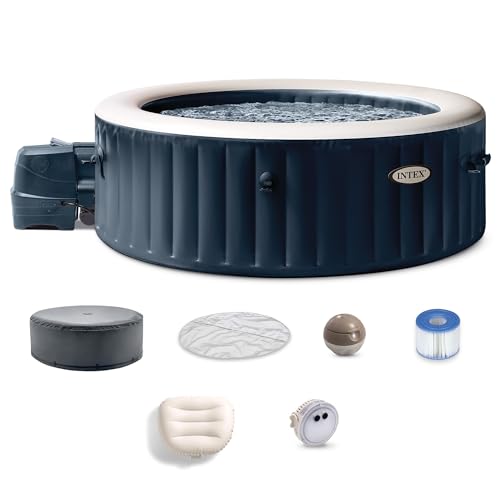
The Coleman SaluSpa Hawaii Energy-Efficient Inflatable Hot Tub is a square 71 by 71 by 28-inch portable spa designed for homeowners, renters, and families wanting a warm soak without installing permanent electrical wiring. Sized for four to six people, this model suits first-time spa buyers who prioritize straightforward assembly, lower energy overhead, and modern conveniences like mobile app control. Its square layout offers comfortable corner seating that fits cleanly onto standard patios or outdoor decking.
Heat retention is often the biggest hurdle with soft-sided spas, but the Hawaii addresses this with insulated walls and an insulated thermal cover. According to manufacturer specifications, this combination retains up to 40 percent more heat than similar standard inflatable hot tubs. This thermal design allows the unit to comply with APSP-14 and California Title 20 standards, ensuring legal efficiency compliance in states like California, Oregon, and New York. Keeping the cover secured between uses significantly reduces heat dissipation and cuts down on cyclic heater runtime.
Structural durability is supported by internal MaxHold fabric beams that maintain rigid sidewalls when users sit or lean back, surrounded by a puncture-resistant three-layer Tritech outer shell. For transitional seasonal weather, the integrated Freeze Shield automatic heating function prevents internal water from freezing in the pump and liner when outdoor temperatures plummet. While not intended for deep sub-zero winter freezes, this safety feature guards against unexpected overnight frost damage during early spring and late autumn use.
Controlling the spa is intuitive via the top-mounted digital pump interface or through the Bestway Connect smartphone app. Users can adjust the water temperature up to 104 degrees Fahrenheit, initiate the 140 AirJet massage bubbles, or schedule the power-saving timer up to 40 days in advance. Water sanitation is equally hassle-free thanks to the included ChemConnect dispenser, which mounts directly to an internal wall outlet to circulate chlorine or bromine tablets evenly across the water volume.
Prospective owners should factor in realistic operational limitations typical of 110-120V portable hot tubs. Heating a full tub from garden hose temperatures to the maximum 104 degrees takes extended time, and turning on the bubble massage draws in ambient air that naturally cools the water during brisk evenings. In addition, while listed for up to six individuals, four adults will experience much better legroom and overall seating comfort inside the 71-inch basin.
For backyard owners seeking an accessible, feature-packed spa with tangible energy-saving insulation, the Coleman SaluSpa Hawaii delivers excellent practical value. Before purchasing, verify that your chosen site provides a completely level 71 by 71-inch flat base, access to a dedicated outdoor GFCI outlet, and adequate surrounding clearance to comfortably remove and reinstall the insulated cover.
The included cover for the Coleman SaluSpa Hawaii is an insulated thermal barrier engineered to curb rapid heat loss through the water surface. Paired with the insulated spa walls, this construction is rated to perform up to 40 percent more efficiently in retaining heat than comparable non-insulated inflatable spas.
Because the unit meets APSP-14 and Title 20 efficiency requirements, it satisfies strict appliance efficiency mandates in states such as California, Maine, Oregon, and Washington. Fastening the insulated cover tightly after each soak protects the water from debris while significantly reducing the workload on the internal heater.
Setting up the Coleman SaluSpa Hawaii is straightforward thanks to the included digital pump, which inflates the 71-inch square spa body in minutes without auxiliary air tools. The installation area must be flat, level, cleared of sharp stones or twigs, and capable of supporting the full weight of the filled tub and occupants.
Routine maintenance centers around regular filter cartridge cleaning and consistent chemical balancing. The integrated ChemConnect dispenser mounts directly to the internal return jet, steadily releasing sanitizer tablets into circulating water to maintain clarity without floating obstacles in the soaking area.
The Comprehensive Cost and Ownership Breakdown for a 6-Person Hot Tub
Understanding the real cost of a six-person hot tub begins with identifying the vast differences in manufacturing style, shell materials, and internal mechanical engineering. Entry-level inflatable models occupy the most accessible end of the spectrum, offering rapid tool-free assembly and standard household electrical compatibility. Mid-tier rotationally molded resin spas provide rigid structural durability with simplified plug-and-play operation, bridging the divide between temporary portability and permanent installations. Premium acrylic hard-shell spas represent the upper tier of the market, featuring multi-layered fiberglass backing, advanced hydrotherapy pump arrays, and commercial-grade electronic packs.
Beyond the initial equipment price tag, buyers must budget for installation variables that dictate the final out-of-pocket investment. Preparing an unpaved backyard surface, upgrading an electrical breaker box, and hiring certified delivery professionals often introduce substantial supplementary costs. Operational expenses such as water sanitation chemicals, routine filter replacements, and monthly utility consumption continue throughout the operational life of the spa. Evaluating these interconnected financial factors ensures that homeowners select a model that aligns with both their upfront purchasing capacity and their ongoing household budget.
Upfront Equipment Tiers: Materials, Jets, and Internal Engineering
Inflatable six-person hot tubs, such as the INTEX PureSpa or Coleman SaluSpa Hawaii, represent the most economical entry point for backyard soaking. These portable units utilize puncture-resistant laminated PVC or drop-stitch beam construction, integrating heated air blowers with over one hundred soothing bubble jets. They plug directly into standard grounded electrical receptacles and require no specialized foundation beyond a flat, level outdoor surface. While they lack deep contoured bench seating and focused hydraulic massage, their minimal financial barrier makes them appealing for renters and seasonal bathers.
Rotationally molded polyethylene spas, exemplified by models like the Inland six-person spa from Aqualife by Strong Spas, occupy the middle tier of initial equipment investment. Manufactured from molten plastic formed inside a rotating cast, these unibody shells resist heavy impacts, scratching, and harsh outdoor weather degradation without requiring internal wooden subframes. They typically feature twenty to thirty targeted hydrotherapy water jets powered by a two-speed water pump, delivering substantially firmer massage pressure than air blowers. Many rotomolded models retain convenient plug-and-play functionality on standard dedicated lines, keeping upfront electrical setup expenses exceptionally low.
Hard-shell acrylic spas, such as the Comfort Hot Tubs models featuring forty-four to fifty-one stainless steel hydrotherapy jets, command a premium investment tier. These luxury units feature vacuum-formed cast acrylic shells reinforced with resin-impregnated fiberglass, supported by heavy-duty stainless steel frames and maintenance-free synthetic cabinetry. Their hydraulic systems incorporate multi-horsepower water pumps, ergonomic loungers, multi-zone water diverters, and sophisticated Balboa electronic control systems. While the initial equipment acquisition is considerably higher, their robust construction and superior thermal engineering provide an authentic commercial-grade hydrotherapy experience.
When evaluating these tiers, bather capacity and seating architecture play a major role in perceived value and daily comfort. Inflatable tubs advertise six-person ratings based on open circular floor plans where bathers sit directly on the cushioned tub floor with shared legroom. In contrast, rigid acrylic spas provide molded bucket seats, dedicated headrests, and contoured loungers that offer precise lumbar support but occupy significant internal volume. Buyers seeking true physical space for six adults often find that open bench layouts offer greater practical room than complex multi-seat configurations with deep central footwells.
Foundation and Site Preparation: Poured Concrete Pads and Deck Reinforcements
Site preparation represents a crucial secondary expense that many first-time spa buyers overlook during the initial budgeting phase. A filled six-person hot tub generates immense structural weight that cannot rest safely on raw soil, loose turf, or uncompacted paver stones. The total filled operating weight is calculated by combining the dry weight of the spa, the water volume multiplied by 8.34 pounds per gallon, and the anticipated weight of six adult bathers. A standard three-hundred-gallon spa holding six occupants easily exceeds four thousand pounds, producing a structural load rating that requires an engineered foundation.
The gold standard foundation is a four-inch poured concrete slab reinforced with rebar or welded wire mesh, engineered to support at least one hundred pounds per square foot. Hiring a concrete contractor to excavate, frame, and pour a dedicated pad adds a noticeable upfront expense to the project. Homeowners seeking lower-cost alternatives often opt for compacted crushed stone beds framed with pressure-treated timbers or high-density interlocking resin structural pads. While gravel pads cost less to install, they demand meticulous leveling and proper drainage planning to prevent localized settling over time.
Installing a six-person hot tub on an elevated wooden patio or deck introduces significant structural engineering considerations. Standard residential decks are typically framed to support forty to fifty pounds per square foot, which falls far short of a fully loaded spa. Reinforcing an existing deck requires installing heavy support posts, adding sistered joists, and securing professional engineering verification to prevent catastrophic framing failure. Factoring these structural carpentry modifications into your initial budget prevents dangerous structural deflection and unexpected municipal permitting delays.
Electrical Hookup Requirements: Dedicated 120V Outlets vs 240V Hardwired Lines
Electrical supply specifications represent one of the clearest dividing lines between budget portable spas and high-end hydrotherapy installations. Many entry-level and mid-range spas utilize 120V plug-and-play designs equipped with built-in Ground Fault Circuit Interrupter cords that insert into dedicated fifteen-amp or twenty-amp outlets. If your patio already features an exterior weatherproof receptacle on an isolated circuit, your initial electrical expenditure will be virtually zero. However, sharing that circuit with other patio lighting or appliances leads to nuisance breaker tripping and operational lockouts.
High-output acrylic spas, including models equipped with multi-kilowatt heating elements and dual hydrotherapy pumps, mandate hardwired 240V electrical connections. The National Electrical Code requires a dedicated forty-amp to sixty-amp subpanel equipped with an exterior GFCI emergency disconnect switch mounted at least five feet away from the water edge. Installing this infrastructure requires hiring a licensed electrician to run heavy-gauge copper wiring from your main household breaker panel through protective exterior conduit. Depending on the distance between your service panel and the hot tub site, this professional electrical installation can represent a major financial commitment.
The functional benefit of a hardwired 240V system justifies the higher installation investment for users living in colder climates. On a standard 120V circuit, the spa control pack cannot supply adequate amperage to run the electric heater and the high-speed jet pump simultaneously. When users activate high-speed massage jets on a plug-and-play tub, the heater automatically disengages, causing water temperatures to decline steadily in chilly weather. In contrast, a 240V connection powers the four-kilowatt Balboa heater and multiple hydrotherapy pumps concurrently, maintaining a soothing 104-degree soak regardless of sub-freezing ambient air temperatures.
Ongoing Utility Costs and Thermal Insulation Architecture
Monthly electricity bills represent the largest recurring ownership expense over the operational life of any outdoor spa. The rate of electrical consumption depends directly on cabinet insulation engineering, ambient winter temperatures, and local kilowatt-hour utility rates. Uninsulated or single-wall inflatable hot tubs lose thermal energy rapidly through their side chambers, requiring internal heaters to cycle frequently to maintain set temperatures. In contrast, rigid acrylic spas packed with closed-cell polyurethane foam trap heat within the internal plumbing cabinet, dramatically reducing standby heat loss.
Thermal efficiency compliance standards, such as California Energy Commission Title 20 and APSP-14 test guidelines, measure standby energy consumption across standardized climate conditions. High-efficiency spas feature multi-layer reflective perimeter barriers and insulated thermal base pans that capture radiant heat produced by the pump motors. Utilizing a well-fitted yard patio hot tub cover creates a tight perimeter seal that prevents warm vapor from escaping into the surrounding atmosphere. Investing in premium thermal engineering reduces monthly standby power draw, offsetting the higher initial equipment purchase over several seasons of cold-weather operation.
The quality of the insulated spa cover plays an equally vital role in managing ongoing utility expenditures. Standard hot tub covers feature tapered high-density expanded polystyrene foam cores encased in marine-grade vinyl to facilitate rainwater runoff and lock in thermal energy. Upgrading to a heavy-duty, best selling hot tub cover with warranty protects your investment against accelerated waterlogging, sagging, and torn vapor barriers. A waterlogged cover loses nearly all its insulating value, forcing the internal heater to run continuously and inflating monthly utility bills.
Heater recovery times also impact daily electrical demand and overall user satisfaction during winter months. A modest one-kilowatt heater found on standard portable units typically raises water temperature by one to two degrees per hour under ideal conditions. A robust four-kilowatt heating element connected to a 240V supply can elevate water temperatures by four to eight degrees per hour. Faster recovery ensures that the spa rebounds quickly after high bather sessions, allowing you to return the water to therapeutic temperatures without excessive electrical waste.
Water Chemistry, Filtration Hardware, and Sanitizer Expenses
Maintaining pristine water clarity requires a modest but recurring monthly investment in sanitizers, balancing chemicals, and testing supplies. Primary water sanitization relies on EPA-registered biocides such as sodium dichlor chlorine granules or bromine tablets to neutralize organic contaminants and prevent bacterial growth. Spa owners must also purchase sodium bicarbonate to buffer total alkalinity within the ideal 80 to 120 parts per million range, alongside pH adjusters to maintain a stable 7.2 to 7.8 reading. Neglecting these basic chemicals results in scale formation, cloudy water, and premature corrosion of internal metal heating elements.
Modern hot tub models often incorporate supplemental clarification hardware designed to reduce chemical consumption and extend equipment life. Integrated ozone generators, such as those featured in premium Comfort Hot Tubs units, inject active ozone gas into the plumbing lines to oxidize non-living organic matter continuously. Intex models often include proprietary hard water treatment systems that apply electromagnetic fields to suspended calcium particles, preventing crusty mineral scale from binding to internal plumbing walls. While these supplemental systems lower chlorine demand and make water softer on the skin, they do not eliminate the necessity of maintaining proper sanitizer residuals.
Mechanical filtration hardware represents another regular maintenance line item that owners must factor into their seasonal operating budgets. Standard pleated fabric filter cartridges capture suspended debris, hair, and cosmetic oils as water circulates through the primary suction well. These cartridges require weekly rinsing with a garden hose, monthly soaking in specialized degreasing solutions, and complete replacement every twelve to twenty-four months. Inflatable spas utilize smaller disposable filter cartridges that saturate rapidly and require replacement every few weeks, creating a modest but ongoing supply expense.
Long-Term Maintenance, Component Replacement, and Depreciation
Evaluating how much a six-person hot tub truly costs requires examining the anticipated lifespan and component serviceability of each construction category. Inflatable portable spas generally provide two to five seasons of dependable service before material fatigue, seam stress, or minor punctures compromise the liner. While patch kits can repair minor surface leaks, catastrophic pump motor or heating unit failures on budget models often cost more to repair than purchasing a replacement unit. Consequently, inflatables offer rapid short-term recreation but carry higher long-term replacement frequency.
Rigid rotomolded polyethylene and acrylic hard-shell spas represent long-term backyard assets capable of lasting ten to twenty years with proper preventative care. Their modular engineering allows certified spa technicians or handy homeowners to replace individual components without discarding the entire spa structure. Standard components such as Balboa heating elements, pump wet-end mechanical shaft seals, slice valves, and topside digital control keypads can be swapped out easily when wear occurs. Budgeting a small annual contingency fund for unexpected replacement parts ensures that minor equipment hiccups do not derail your hydrotherapy routine.
Depreciation and seasonal winterization procedures also influence the lifetime financial profile of your investment. Proper draining, acrylic surface cleaning, and comprehensive line blowing with a wet-dry vacuum prevent frozen plumbing manifolds from bursting during sub-zero winter power outages. Acrylic shells backed with fiberglass retain their cosmetic appeal and structural integrity far longer than unreinforced plastics, resisting surface blistering and ultraviolet fading. When maintained diligently, a quality hard-shell spa preserves reasonable resale value if you ever decide to upgrade your outdoor entertainment setup.
Strategic Buying Logic: Matching Your Needs to the True Total Cost
Selecting the ideal six-person hot tub ultimately depends on balancing your upfront capital against your expectations for hydrotherapy intensity, durability, and year-round performance. If you prioritize portability, temporary rental property use, or low upfront expenditure, an entry-level inflatable model provides warm bubble massage with negligible installation complexity. If you desire firm structural seating, twenty-four hydrotherapy jets, and durable all-weather resilience without expensive electrical modifications, a rotomolded plug-and-play spa offers an exceptional middle-ground compromise.
For homeowners seeking daily therapeutic pain relief, multi-person family entertainment, and permanent property enhancement, investing in a hardwired acrylic spa delivers unmatched hydrotherapy power. Accounting for site preparation, professional subpanel wiring, quality thermal covers, and ongoing water care gives you a transparent picture of total ownership expenses. By aligning your initial budget with realistic site preparation and long-term utility demands, you can confidently invest in a six-person hot tub that provides years of dependable relaxation, wellness, and outdoor enjoyment.






Write Your Review
No reviews yet. Be the first to share your experience!