

Sub-zero winter air accelerates water evaporation every time you lift the spa cover, gradually dropping the water line below the skimmer intake. When water levels decline in freezing weather, circulation pumps can draw in air instead of water, creating dangerous air locks or triggering flow error codes on your topside control panel. Knowing how to top up hot tub in winter protects internal heating elements from dry-fire damage while ensuring automated freeze-protection cycles continue operating reliably. A properly maintained water line also prevents costly pump cavitation and preserves steady water temperature during frigid outdoor soaks.
Adding cold water during deep freezes presents unique challenges, especially when outdoor spigots are winterized and garden hoses turn rigid from ice. Securing a tight seal with a durable thermal cover preserves critical standby heat while you prepare your fill equipment. Homeowners must balance the volume of icy tap water entering the acrylic shell against the heating capacity of their spa pack. Taking deliberate precautions prevents thermal shock to acrylic surfaces, avoids frozen plumbing lines, and keeps your water chemistry balanced throughout the coldest months of the year.

Winter Hot Tub Water Management and Topping-Up Protocols
Cold winter weather significantly speeds up water loss in outdoor hot tubs due to the sharp contrast between steamy water and dry freezing air. When steam rolls off the water surface during winter soaking sessions, water levels drop much faster than most owners anticipate. Topping up your spa correctly during freezing temperatures requires specific precautions to safeguard your plumbing, equipment pack, and heating elements. Following structured winter maintenance procedures ensures your spa remains energy efficient, fully operational, and protected against catastrophic freeze damage.
Why Maintaining Winter Water Levels Is Operationally Critical
Hot tubs rely on an uninterrupted supply of water entering the skimmer weir to feed the circulation pump and electric heater. When the water level drops below the midpoint of the skimmer opening, the pump vortex draws in large volumes of cold air. This lack of water intake creates cavitation, starving the pump wet end and interrupting the continuous flow needed to transfer heat away from the heating element. Without adequate water movement, internal sensors register a flow fault, automatically shutting down the heating system to prevent thermal runaway.
An unexpected heater shutdown in sub-zero weather quickly turns into an urgent freeze emergency. Most modern portable spas include automated freeze-protection software that runs low-speed pumps when ambient temperatures drop below forty degrees Fahrenheit. If a low water line has tripped a flow switch or air-locked the circulation pump, these automated freeze cycles cannot move water through the plumbing lines. Within hours, uncirculated water sitting inside exposed perimeter manifolds and narrow jet lines can freeze, expanding and splitting delicate PVC fittings.
Maintaining a proper water line also shields the internal acrylic shell from uneven thermal stress. When water levels fall, upper shell surfaces and neck jets remain exposed to freezing ambient air while lower sections stay submerged in hot water. This extreme temperature differential can degrade acrylic finishes and weaken headrest seals over prolonged winter use. Keeping water at the manufacturer-recommended level protects the structural components of the spa and ensures your filtration cycles run without interruption.
Preparing Your Water Source and Thawing Filling Equipment
Standard outdoor garden spigots are usually shut off and drained before winter to prevent interior home plumbing from bursting. Attempting to force open a frozen outdoor sillcock can shear internal valve stems or rupture supply lines hidden within exterior walls. If your outdoor spigots are winterized, running a hose from an indoor water source is the safest and most reliable alternative. Utility sinks in basements, laundry room washing machine valves, and ground-floor bathroom faucets can easily connect to standard garden hoses using brass thread adapters.
Hoses stored outdoors in sub-freezing temperatures become stiff, brittle, and packed with residual ice plugs that block water delivery completely. Bringing your garden hose indoors for several hours before topping up allows the rubber or hybrid polymer material to soften and thaw. A flexible, warm hose unrolls easily across frozen ground without cracking or kinking along walkways. Storing your filling hose inside a heated garage, utility room, or basement guarantees that water flows instantly once you begin the process.
Before placing the hose end into your spa cabinet, always purge the stagnant water into a nearby utility drain or snow bank. Even hoses kept inside can harbor cold initial water or lingering mineral deposits that you should keep out of your hot tub. Running the tap for thirty seconds discharges icy standing water until a steady, clear stream emerges. This brief purge prevents sudden cold shocks to your acrylic shell and ensures only fresh water enters your spa basin.
Electrical Capacity and Heater Recovery in Cold Weather
A hot tub electrical setup dictates how quickly the spa recovers temperature after introducing cold tap water. Hardwired 220V or 230V portable spas feature high-output heaters that operate simultaneously alongside circulation pumps and therapy jets. For example, large outdoor models like the Comfort Hot Tubs – 6 Person Luxury Outdoor utilize a dedicated 220V connection to sustain consistent warmth through cold climates. These 220V electrical configurations generate sufficient thermal output to counteract cold water additions without prolonged temperature dips.
Entry-level 110V plug-and-play spas operate under much tighter electrical constraints that impact cold-weather top-ups. Standard 15-amp or 20-amp household circuits cannot provide enough power to run the electric heater and the primary jet pump on high speed at the same time. When adding cold water to a 110V spa, the heating element often pauses if therapy jets are turned on, causing water temperatures to drop steadily. Owners of 110V units should top up in smaller, frequent increments to prevent overwhelming the lower-wattage heating system.
Adding hundreds of gallons of cold municipal or well water at once forces any spa heater to work continuously for many hours. In sub-freezing weather, an undersized heater might struggle to maintain equilibrium, creating excessive standby power draw. Topping up your water line when it drops just an inch or two minimizes thermal displacement and reduces mechanical strain on the heating element. This conservative approach preserves baseline water heat and protects internal equipment from unnecessary thermal fatigue.
Step-by-Step Procedure for Adding Water in Freezing Temperatures
Before introducing fresh water, inspect your topside control panel to confirm the spa is actively circulating without active error codes. Check the current water line relative to the skimmer opening and locate the manufacturer fill line marked inside the filter housing. Pull back only one section of your thermal cover rather than removing the entire lid from the acrylic shell. Exposing only the filter well limits total heat loss to ambient air while providing direct access for your water hose.
Always place the end of your running garden hose directly down into the filter standpipe or filtration well. Feeding fresh water straight into the plumbing lines fills the system from the bottom up, pushing trapped air outward through the hydrotherapy jets. Dropping a hose loosely into the center footwell allows air to settle inside pump volutes, frequently resulting in stubborn air locks. Filling through the filter core guarantees that water enters the circulation pump and heater chamber before reaching the open tub.
Monitor the water level continuously while the hose is running to avoid overfilling or walking away during freezing weather. Water should rise until it sits approximately two to three inches above the highest therapy jet and centered in the skimmer mouth. Filling past the designated level can flood air control valves and immerse headrest vinyl in chemical-rich water. Once the water reaches the target depth, immediately turn off your supply valve, remove the hose, and close the spa cover tightly.
Immediately disconnect and drain your filling hose outside before residual water freezes inside the brass fittings. Stretch the hose across an incline to drain standing moisture completely before rolling it up and storing it indoors. Leaving a hose connected to any indoor or outdoor spigot in freezing conditions creates an immediate pipe-freeze hazard. Storing dry equipment ensures that your tools remain undamaged and ready for the next winter water adjustment.
Preventing and Bleeding Pump Air Locks After a Top-Up
Air locks occur when pockets of trapped air become lodged inside the pump wet end, preventing the impeller from drawing water. When this happens, the pump motor hums or runs loudly, but no water discharges from the therapy nozzles. The topside digital display often flashes low-flow warnings such as FLO, DR, or LF within minutes of startup. Left uncorrected, an air-locked pump runs dry, creating friction that overheats internal shaft seals and risks permanent motor damage.
Clearing a winter air lock requires releasing the trapped pocket of air from the plumbing union without causing water damage. First, turn off the dedicated breaker at your electrical disconnect panel to ensure the equipment cannot engage unexpectedly. Remove the main cabinet service panel to access the primary circulation pump and its large union nuts. Using channel lock pliers, gently loosen the pump discharge union collar counterclockwise just half a turn until you hear air hissing from the fitting.
As soon as a continuous trickle of water replaces the escaping air, hand-tighten the union collar firmly and snug it with pliers. Wipe away any excess moisture from electrical components before securing the equipment cabinet door back in place. Restore electrical power at the subpanel disconnect and initiate a low-speed filtration cycle from the topside control pack. Strong, steady water flow from your jets confirms that the air pocket has cleared and normal circulation has resumed.
Immediate Post-Fill Water Chemistry Adjustments
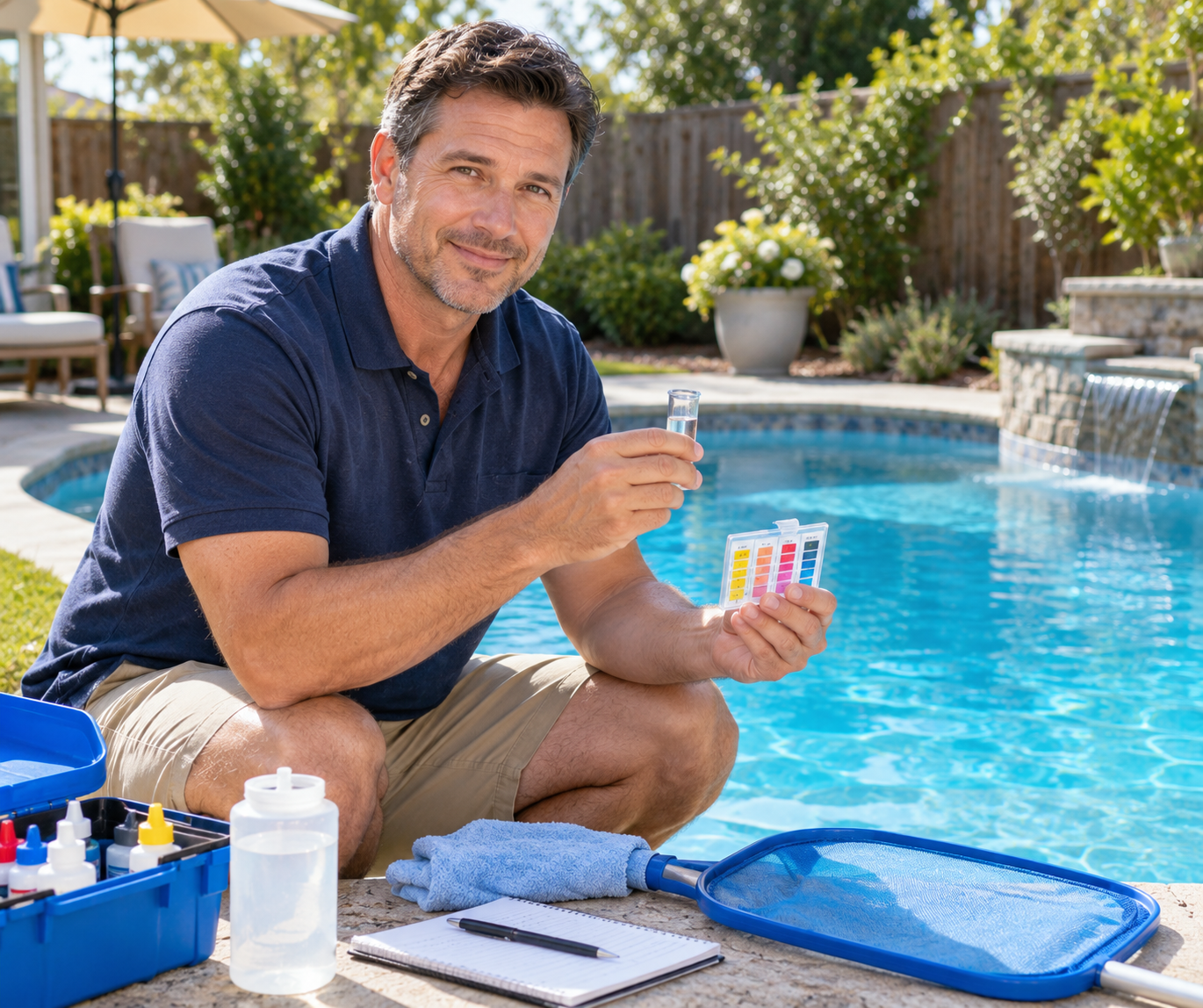
Adding raw tap water introduces unbuffered minerals and dilutes existing sanitizer concentrations across your entire water volume. Cold water additions alter baseline pH, reduce total alkalinity, and lower free chlorine or bromine residuals to vulnerable levels. Letting freshly added water circulate without balancing chemicals allows scale to form on the heating element and invites bacterial growth. A structured water testing routine should take place within thirty minutes after completing any winter top-up.
Allow the spa circulation pump to run for fifteen minutes to blend the fresh water thoroughly before collecting a sample. Using reliable test strips or a liquid reagent kit, measure total alkalinity first, adjusting it into the ideal range between 80 and 120 parts per million. Once alkalinity stabilizes, test and adjust your pH balance to maintain a safe level between 7.2 and 7.8. Balancing alkalinity before pH prevents erratic chemical swings and shields metal heater components from corrosion.
After stabilizing your pH and alkalinity, dose the water with an EPA-registered sanitizer to restore proper biocide protection. Maintaining three to five parts per million of free chlorine or bromine keeps water sanitized and crystal clear throughout harsh winter conditions. If you protect your spa with an foldable hot tub cover, always keep the cover open for fifteen minutes after adding chemical shock to allow caustic off-gassing vapors to escape. Closing a spa cover too quickly after shocking traps corrosive gas that degrades underside vinyl and foam cores.
Thermal Envelope Maintenance and Cover Sealing in Freezing Weather
Standby heat retention is the single most important factor determining winter electrical consumption and operating efficiency. Hot tub covers feature dense expanded polystyrene foam cores that taper from the center ridge toward the edges to shed rain and snow. When topping up your spa, inspecting the perimeter heat seal gaskets and underside vapor barrier is essential. A damaged or waterlogged cover loses its insulating R-value quickly, causing your heater to cycle continuously in cold winds.
Pairing your spa with a well-fitted outdoor patio spa cover creates an airtight barrier that locks in moisture and prevents accelerated evaporation. Ensure that the perimeter skirt hangs flat over the acrylic edge and that all safety tie-down latches are fastened tightly after topping up. Wind gusts can lift unlatched cover corners, allowing precious warm air to escape while drawing sub-zero drafts across the water surface. Secure latches also prevent accidental displacement during winter storms, keeping the thermal seal intact.
Brush heavy snow accumulation off your spa cover using a soft-bristled broom rather than metal shovels that can tear marine vinyl. Snow loads add substantial physical weight that compresses internal foam cores and weakens hinge joints over time. As foam panels compress, their structural density changes and small gaps can open along the central fold seam. Maintaining a clean, snow-free cover surface extends the operational lifespan of your insulation and maintains consistent heat retention.
Common Cold-Weather Mistakes That Damage Spa Plumbing
One of the most frequent winter maintenance mistakes is leaving a garden hose connected to an exterior sillcock after filling. Trapped water inside the brass spigot expands as it freezes, cracking the valve body and causing major structural water leaks inside wall cavities when thawed. Always disconnect the hose immediately, shake out standing water, and store the coiled hose in a warm indoor area. Taking two minutes to put equipment away prevents expensive plumbing repairs to your home foundation.
Another damaging habit is leaving the hot tub cover completely removed while waiting for a slow hose to fill the basin. Uncovered hot tubs lose thermal energy rapidly in freezing air, sometimes dropping ten degrees Fahrenheit or more in less than an hour. Cold air blowing across the acrylic shell chills surface water, forcing the heater to run at peak capacity to recover. Opening only the minimal corner required to insert your filling hose prevents unnecessary heat loss and protects the thermal balance of the spa.
Overfilling the spa past the designated skimmer level creates significant displacement problems once bathers enter the water. Excess water overflows into the cabinet perimeter vents, soaking internal insulation and freezing into solid sheets across outdoor patio decking. Ice buildup around the base of the cabinet creates dangerous slip hazards and can block access to mechanical service doors. Keeping the water level strictly centered within the skimmer mouth maintains safe hydraulic clearance and prevents overflowing.
Verifying Safe System Recovery and Operational Benchmarks
Once you complete the top-up and secure the cover, monitor your topside digital control panel for steady system recovery. Confirm that the heater indicator icon remains solid, signifying continuous heating activity without low-flow error interruptions. Spas equipped with a self-cleaning water filtration system will cycle water through the pleated filter cartridges to capture any particulate introduced during filling. Check the display every hour until the water returns safely to your preferred soaking temperature, up to the standard limit of 104 degrees Fahrenheit.
Listen carefully to the equipment cabinet during the initial heating cycle to detect any unusual vibrations or pump cavitation. A smooth, rhythmic motor sound indicates that water is moving freely through all internal manifolds and heating elements. If you hear sputtering, surging, or rattling noises, briefly toggle your therapy jet diverters to purge any remaining air bubbles from secondary plumbing branches. Ensuring all hydrotherapy lines are fully charged with water preserves long-term pump health and maximizes jet massage performance.
Establishing a regular weekly water level check is the best proactive defense against winter equipment failures and frozen plumbing. Quick visual inspections allow you to top up minimal amounts of water before low-level faults trigger emergency shutdowns. Keep your fill hose and faucet adapters stored together in an accessible indoor location so winter top-ups remain fast and hassle-free. Consistent water management protects your hot tub investment, preserves energy efficiency, and keeps your backyard retreat ready for soothing winter soaks.








Write Your Review
No reviews yet. Be the first to share your experience!