
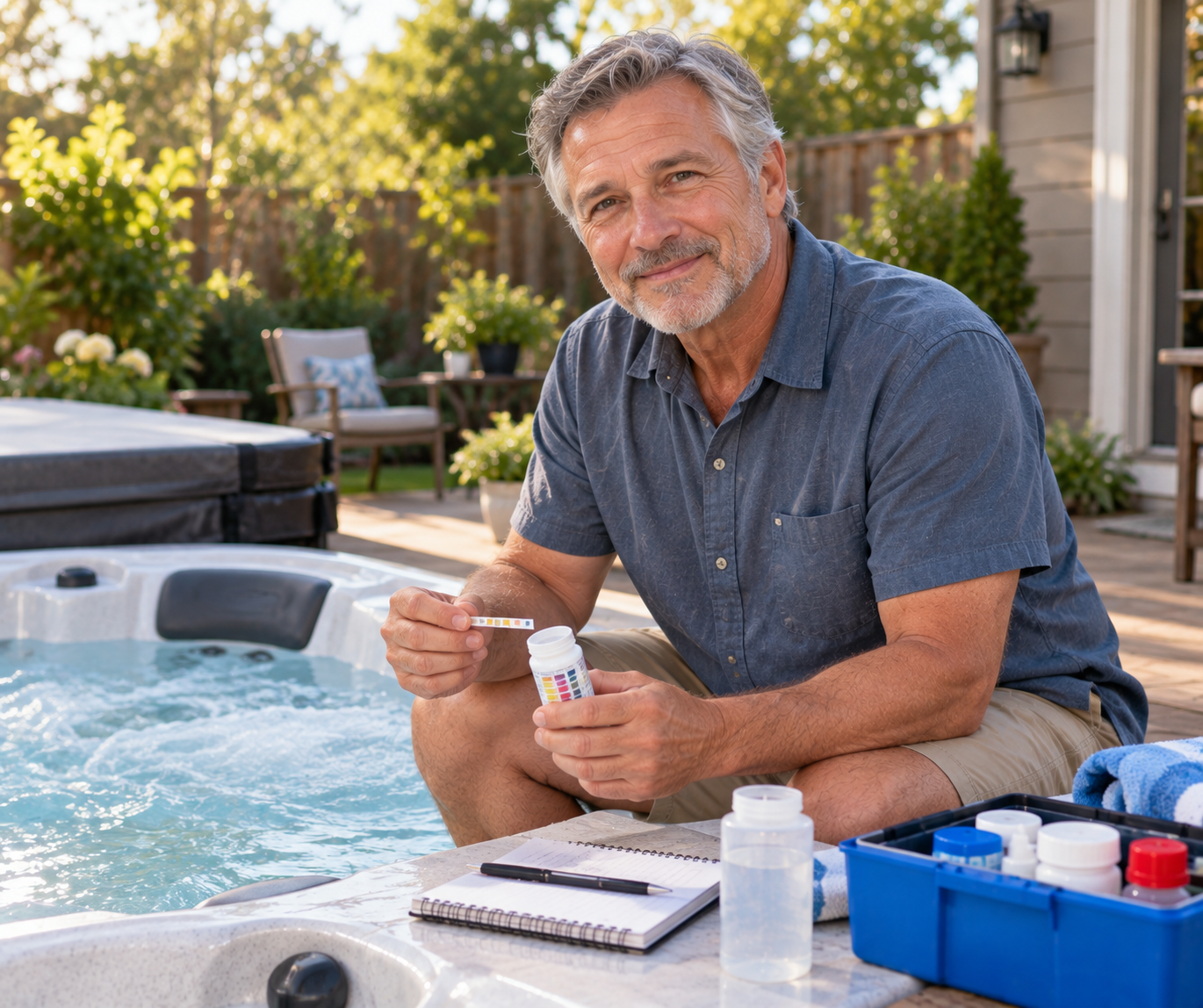

Stepping into a steaming outdoor spa after a long day melts away back stiffness, but an inaccurate control panel or a faulty sensor can ruin that soothing soak in seconds. Freezing winter nights often push spa heaters to their absolute limit, leading to sky-high electric bills or dreaded watchdog error codes that leave you shivering in lukewarm water. Dialing in the recommended temp for hot tub hydrotherapy usually means keeping water between 100°F and 104°F, where therapeutic muscle relaxation peaks without overheating your body.
Achieving stable heat retention requires both a dependable temperature gauge and a snug yard patio hot tub cover to prevent costly thermal loss into the evening air. Based on our detailed comparison of sensor compatibility, gauge readability, and real user feedback, keeping tabs on your spa water does not need to be a guessing game. Simple analog dial floaters and OEM replacement probes make it easy to protect your spa heater, safeguard bathers, and maintain consistent water temperatures all season long.


Frequently Asked Questions
What is the safest recommended temp for hot tub soaking?
The standard upper limit established by safety guidelines is 104°F (40°C), while most healthy adults prefer soaking between 100°F and 102°F. Setting your spa above 104°F can cause rapid dehydration, dizziness, or hyperthermia. Lowering the heat to 98°F is wise for younger family members or extended hydrotherapy sessions.
How does hot tub temperature affect winter electric bills in 2026?
Maintaining high temperatures during freezing weather drives continuous heater cycles and increases kilowatt consumption. Pairing your tub with a protective spa cover preserves core warmth and prevents your heater from overworking. Dropping the thermostat five degrees when the spa sits idle saves measurable electricity over cold months.
Why does a Sundance or Jacuzzi spa show four dashes on the control panel?
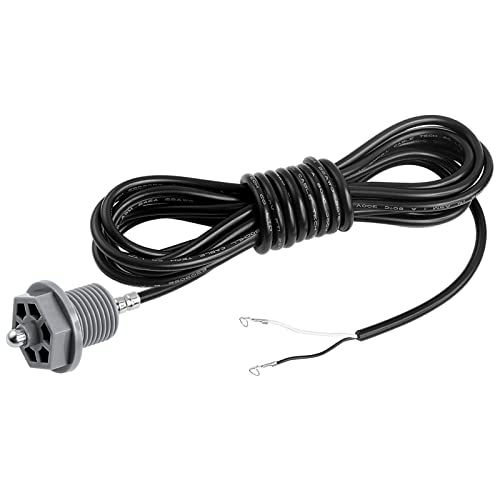
A watchdog error displaying four dashes typically indicates an open circuit or failed temperature sensor inside the plumbing line. Replacing a faulty probe like the 6600-166 model restores communication with the main circuit board and allows normal heater operation. Installing a fresh sensor prevents the system from locking out circulation cycles during freezing temperatures.
Can a floating pool thermometer give an accurate reading in a hot tub?
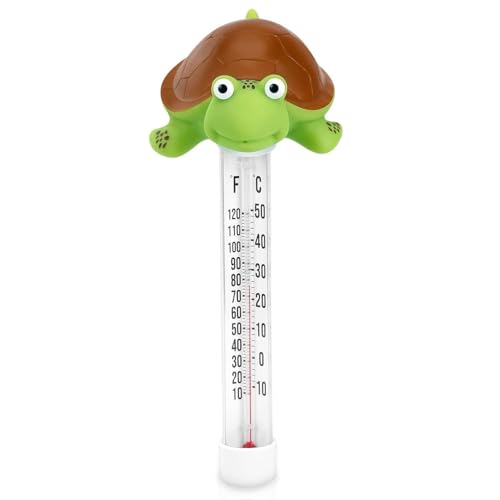
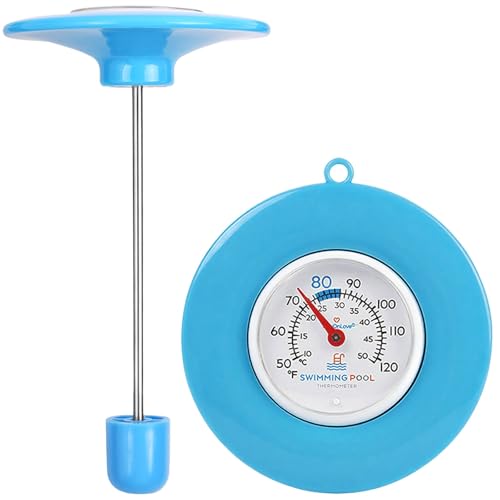
Yes, high-grade floating thermometers provide fast, accurate secondary checks against your tub’s digital display. Heavy-duty alcohol or glycerol capillary tubes read up to 120°F and withstand standard sanitizing chemicals like chlorine and bromine. Letting the probe float for two minutes gives you an immediate verification before entering the water.
What is the ideal Recommended Temp For Hot Tub setting during summer months?
Lowering your water to 95°F or turning off active heating during hot summer weather creates a refreshing soak without causing heat exhaustion. Spas with full-foam insulation hold daytime thermal gains easily, meaning you barely draw electrical power to stay warm. You can even run your circulation pump during cool nights to balance sanitizers without boosting heat.
How often should you check hot tub water temperature with an external gauge?
Checking water heat once or twice a week during routine chemical balancing ensures your internal thermistor stays properly calibrated. Digital control boards occasionally drift out of alignment, which can lead to unexpected high-limit heater cutoffs. A quick manual reading keeps your soak safe and your heating elements running efficiently.





Write Your Review
No reviews yet. Be the first to share your experience!