


Stepping into steaming 104-degree water on a humid summer afternoon can turn relaxation into an uncomfortable sweat session. Many spa owners quickly realize that dialing down the thermostat converts a backyard tub into a crisp, refreshing retreat. Finding the best hot tub temp for summer usually means keeping water between 85 and 95 degrees, providing a soothing dip without thermal exhaustion. This lower target also helps lower energy consumption and keeps sanitizers from evaporating too rapidly in direct sunlight.
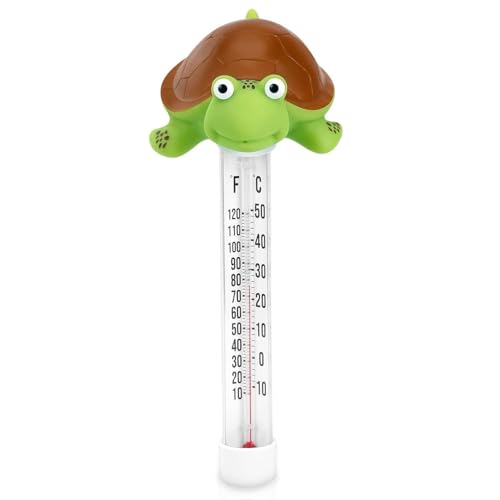
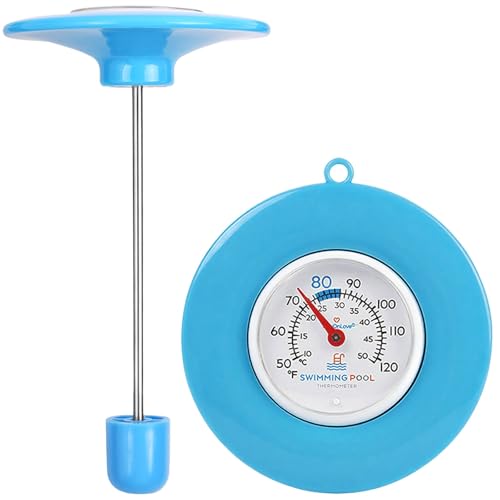
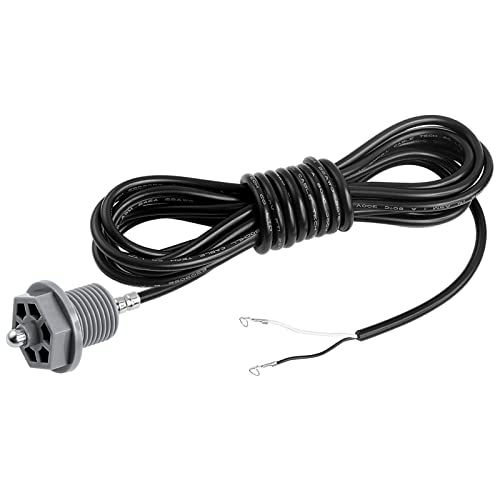
Accurate monitoring ensures your spa holds the exact temperature you want. Based on product specifications and user feedback, built-in sensors can sometimes drift or misread surface temps, leading to accidental heating cycles. Using a dependable floating thermometer alongside a snug yard patio hot tub cover protects water chemistry and prevents ambient heat from warming your tub past comfort levels.




Frequently Asked Questions About Summer Spa Care
What is the ideal hot tub temperature setting for summer weather?
Setting your thermostat between 85°F and 95°F offers the most refreshing soak during warm weather. This range sits comfortably below normal body temperature, allowing your tub to act like a soothing plunge pool without causing lightheadedness. It also prevents your heater from competing against midday sun.
Can lowering water temperature reduce summer electricity bills?
Yes, reducing your thermostat substantially cuts monthly utility costs by reducing heater element run time. Both 110V plug-and-play spas and hardwired 240V models consume far less power when idling cool. Securing the spa with a hot tub cover with warranty prevents daytime heat gain and stops unwanted heat transfer.
Why does spa water stay hot even when the heater is turned down?
Thermal creep from the continuous circulation pump motor often traps excess heat inside full-foam cabinets. When outdoor temperatures climb, this mechanical energy transfers directly into the plumbing lines. Propping open the cover slightly during cool nights helps release trapped heat and restores your preferred temperature.
How does warm summer weather impact water chemistry and sanitizers?
Higher ambient heat accelerates chlorine dissipation and promotes algae growth if filtration drops. Maintaining the best hot tub temp for summer around 90°F stabilizes chemical balance while minimizing skin irritation. Checking bromine or chlorine levels twice weekly keeps your water balanced and clean.
Is it safe to power down a hot tub completely during hot months?
No, cutting power completely allows stagnant water to develop harmful biofilm and algae blooms in the plumbing lines. Keeping the GFCI breaker on ensures regular filtration cycles and ozone operation without engaging the heater. Circulating the water daily protects the acrylic shell and keeps lines clear for 2026.





Write Your Review
No reviews yet. Be the first to share your experience!