

Most Polaris pool cleaners last between 5 and 10 years with proper care, though specific lifespans vary by model type, usage frequency, and water chemistry.
- The exact duration depends on whether you own a pressure-side, suction-side, or robotic unit, as each has distinct wear points.
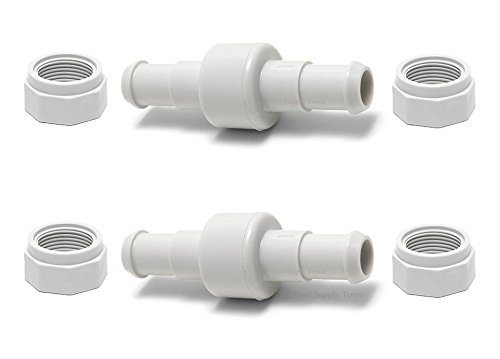
- Distinct wear points for these units include hoses, seals, or batteries, which affect the overall lifespan of the equipment.
- Understanding these variables helps you plan for maintenance and eventual replacement without unexpected downtime in your pool care.
Regular upkeep, such as rinsing filter bags and checking for hose cracks, significantly extends the functional life of these devices. Many owners report that consistent attention to small parts prevents major failures that would otherwise shorten the unit’s serviceable period. This article breaks down the key factors influencing longevity and offers practical advice to maximize the value of your investment.



Factors Determining Polaris Pool Cleaner Lifespan
The lifespan of a Polaris unit is not a single fixed number but a range influenced by mechanical stress and environmental exposure.
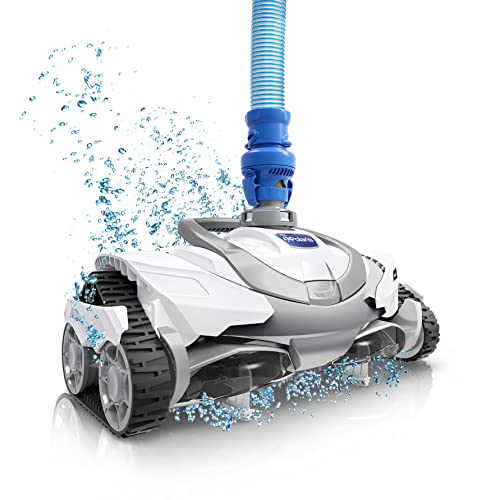
- Pressure-side cleaners, like the Vac-Sweep 280, rely on water pressure for propulsion, which can wear down internal jets and hoses over time.
- Suction-side models depend on the main pool pump’s flow rate, meaning inconsistent plumbing can strain the cleaner’s intake system.
- Robotic units, such as the VRXIQ+, have electronic components and batteries that degrade based on charge cycles and exposure to pool chemicals.
| Component Type | Typical Lifespan | Key Wear Factors |
|---|---|---|
| Pressure-Side Hoses | 3-5 Years | UV Exposure, Kinking, Abrasion |
| Suction-Side Seals | 4-6 Years | Chemical Degradation, Drying Out |
| Robotic Batteries | 2-4 Years | Charge Cycles, Heat, Storage |
| Drive Tracks/Wheels | 5-8 Years | Friction, Debris Jamming, UV |
| Filter Bags/Cartridges | 1-2 Years | Debris Saturation, Chemical Damage |
Water chemistry plays a critical role in material degradation. High chlorine levels or improper pH balance can cause rubber seals and plastic components to become brittle or crack. This is particularly noticeable in older models where materials may not be as resistant to modern chemical formulations. Maintaining balanced water is the single most effective way to prevent premature failure of internal parts.
Usage patterns also dictate how quickly wear occurs. A cleaner running daily in a pool with heavy leaf drop will experience more strain on its filtration system than one used weekly in a well-maintained pool. The accumulation of fine silt and sand can clog vents and reduce suction efficiency, forcing the motor or hydraulic system to work harder. This increased load accelerates wear on moving parts and can lead to early breakdowns.
Pressure-Side Cleaner Durability
Pressure-side cleaners like the Polaris Vac-Sweep 280 and 360 are designed for high-pressure propulsion. Their lifespan is heavily tied to the condition of the feed hose and the booster pump (if equipped). The hose is exposed to UV rays and physical abrasion, making it the most common point of failure. Regular inspection for cracks or stiffness is essential to prevent leaks that reduce cleaning power.
The internal jets and turbines also experience wear from constant water flow. Over time, mineral deposits can build up, reducing the efficiency of the propulsion system. Flushing the cleaner periodically and ensuring the booster pump is correctly sized for the pool helps maintain optimal performance. Owners should monitor for changes in movement patterns, as sluggish motion often indicates internal wear or blockages.
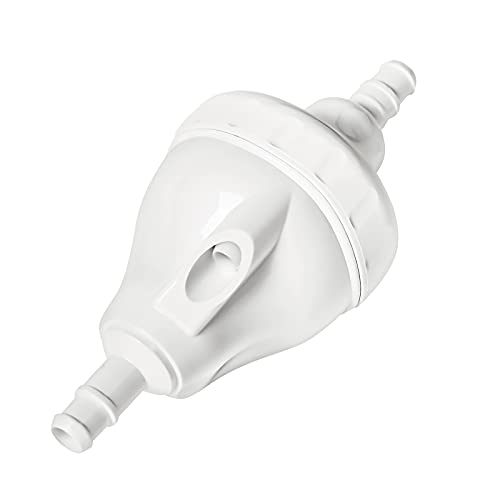
These models are generally robust and can last 5 to 7 years with proper care. The filter bag is a consumable item that needs regular replacement or cleaning, but the main body is built to withstand years of use. Replacing the tail sweep hose and scrubbers can extend the life of the unit by reducing friction and improving waterline contact.
Suction-Side Cleaner Longevity
Suction-side cleaners, such as the Polaris MAXX, rely on the main pool pump for suction. Their lifespan is closely linked to the health of the pool’s plumbing and pump. If the pump is undersized or the plumbing is restricted, the cleaner may struggle to move, leading to increased wear on the drive mechanism. Ensuring adequate flow rate is crucial for maintaining the cleaner’s performance and longevity.
The scrubbing brushes and wheels are subject to friction against the pool surface. Over time, these components wear down, reducing the cleaner’s ability to scrub away debris. Replacing the brushes and checking the wheel alignment can help maintain effective cleaning. The seals around the intake port are also prone to degradation from pool chemicals, requiring periodic inspection and replacement.
With regular maintenance, suction-side cleaners can serve for 6 to 10 years. The hydraulic design of modern models helps reduce wear by managing excess water flow. However, neglecting to clean the filter basket and backwash the filter can restrict flow, causing the cleaner to stall or move erratically. This not only reduces cleaning efficiency but also stresses the internal components.
Robotic Cleaner Battery and Electronics
Robotic cleaners like the Polaris VRXIQ+ introduce electronic components that have different lifespan characteristics. The battery is the most limiting factor, typically lasting 2 to 4 years depending on usage and storage conditions. Extreme heat and cold can degrade battery capacity, leading to shorter cleaning cycles or failure to hold a charge. Proper storage in a cool, dry place during the off-season helps preserve battery health.
The motor and drive system are also subject to wear, but they are generally more durable than the battery. The navigation sensors and control board can be affected by water intrusion if seals fail. Regularly inspecting the seals and ensuring the cleaner is fully drained before storage can prevent water damage to electronic components. Software updates may also improve performance and efficiency over time.
Robotic units often have a shorter overall lifespan than pressure or suction-side models due to the complexity of their electronics. However, they offer greater convenience and precision in cleaning. Replacing the battery and other wear items can extend the life of the unit, but at some point, the cost of repairs may exceed the value of the cleaner. Owners should weigh the cost of maintenance against the price of a new unit when considering replacement.
Impact of Water Chemistry and Environment
Pool water chemistry is a major determinant of cleaner lifespan. High chlorine levels, acidic pH, or high alkalinity can accelerate the degradation of rubber, plastic, and metal components. This is particularly true for seals, gaskets, and hoses, which are exposed to the water for extended periods. Maintaining balanced water is essential to prevent chemical damage that leads to leaks and failures.
Environmental factors such as UV exposure and temperature fluctuations also play a role. Cleaners stored outdoors without protection are more susceptible to UV damage, which can cause materials to become brittle. Using a cover or storing the cleaner indoors during the off-season can significantly extend its life. Temperature extremes can also affect battery performance and fluid viscosity, impacting the cleaner’s operation.
Debris load is another environmental factor. Pools with heavy leaf drop or high pollen counts require more frequent cleaning and put more strain on the filtration system. Clogged filters and vents reduce efficiency and increase wear on the motor or hydraulic system. Regularly emptying the debris canister and cleaning the filter helps maintain optimal performance and extends the life of the unit.
Maintenance Practices That Extend Life
Proactive maintenance is the key to maximizing the lifespan of a Polaris pool cleaner. Regular inspection of hoses, seals, and wheels allows for early detection of wear and tear. Replacing consumable parts like filter bags, scrubbers, and tail sweep hoses before they fail prevents secondary damage to the main unit. Following the manufacturer’s maintenance schedule is crucial for ensuring long-term reliability.
Proper storage during the off-season is also important. Cleaning the unit thoroughly and allowing it to dry completely before storage prevents mold, mildew, and chemical residue buildup. Storing the cleaner in a cool, dry place protects it from temperature extremes and physical damage. For robotic units, removing the battery and storing it separately can help preserve its capacity.
Monitoring the cleaner’s performance is another important aspect of maintenance. Changes in movement patterns, cleaning efficiency, or noise levels can indicate developing issues. Addressing these signs early can prevent minor problems from becoming major failures. Keeping a log of maintenance activities and part replacements can help track the unit’s condition over time.
Signs It’s Time to Replace Your Cleaner
Knowing when to replace a pool cleaner is important for maintaining pool hygiene and avoiding costly repairs. Persistent leaks that cannot be fixed with simple part replacements indicate significant wear. If the cleaner fails to move properly or clean effectively despite maintenance, it may be time to consider a new unit. Frequent breakdowns and high repair costs are clear signs that replacement is more economical.
For robotic cleaners, a battery that no longer holds a charge or a control board that fails repeatedly are strong indicators of end-of-life. The cost of replacing these electronic components can be substantial, often approaching the price of a new unit. Evaluating the total cost of ownership and the remaining useful life of the cleaner helps make an informed decision.
Upgrading to a newer model may also offer improved efficiency, features, and reliability. Newer cleaners often have better navigation, filtration, and durability. Considering the long-term benefits of a modern unit can justify the investment, especially if the current cleaner is nearing the end of its typical lifespan. A well-maintained Polaris cleaner can serve for many years, but eventual replacement is inevitable.
Ultimately, the lifespan of a Polaris pool cleaner is a function of care, environment, and usage. By understanding the specific wear points of your model and maintaining consistent upkeep, you can extend its serviceable life significantly. Regular inspection, proper storage, and timely replacement of wear parts are the most effective strategies for maximizing value. If you are looking for related maintenance tips, our pool equipment care guide offers additional insights on protecting your investment.



Write Your Review
No reviews yet. Be the first to share your experience!