


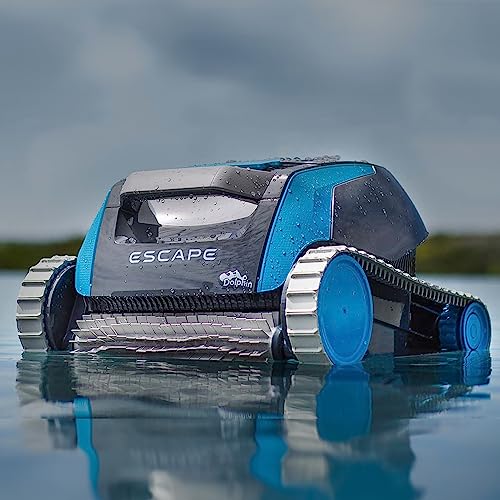
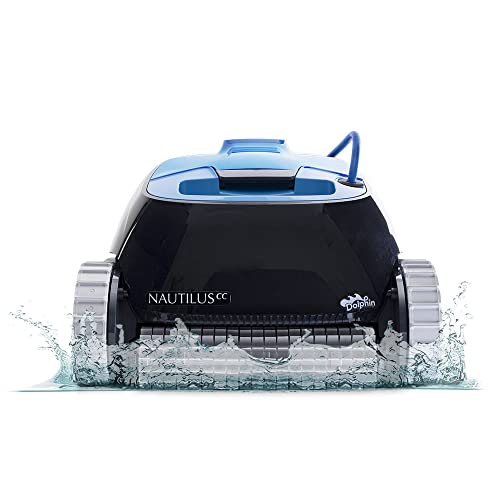
Slick gelcoat surfaces make standard pool vacuuming a daily frustration because ordinary wheeled units slip and slide across smooth fiberglass slopes. Algae film settles fast into subtle floor transitions, demanding consistent mechanical scrubbing rather than weak suction alone. Investing in the best dolphin pool cleaner for fiberglass pools solves this slick-wall challenge by utilizing continuous rubber traction and high-speed scrubbing rollers that grip gelcoat finishes without causing surface scratches. Top-loading debris canisters capture stubborn pollen, sand, and leaves before they overload the primary skimmer system, keeping circulation pumps running smoothly. Homeowners balancing broader aquatic setups often find that learning how to evaluate inflatable hot tub maintenance offers similar clarity on managing self-contained filtration systems.
Modern robotic units bypass pool circulation lines completely, which saves pump horsepower and eliminates cumbersome floating suction hoses. Careful analysis of motor drives and filtration ratings shows that dedicated robotic cleaners with active scrubbing brushes loosen stubborn waterline grime far better than pressure-side sweeps. Plug-and-play simplicity allows you to drop the unit in, power on the cycle, and let intelligent navigation map out the curves of a fiberglass shell. This automated routine reduces back strain and delivers crystal-clear water with minimal electricity use.






Frequently Asked Questions
Can a robotic cleaner climb smooth fiberglass walls without slipping?
Yes, models equipped with continuous rubber tracks and active scrubbing brushes can scale smooth fiberglass shells effectively. Wheeled cleaners often spin out on slick gelcoat finishes, but continuous rubber tracks provide firm surface contact. Suction motors generate downward force against vertical walls, allowing the cleaner to scrub all the way up to the waterline. Selecting the best dolphin pool cleaner for fiberglass pools with track drive ensures consistent wall coverage without surface scuffs.
Do fiberglass pools require special brushes on robotic vacuums?
Soft PVC scrubbing brushes are recommended because they clean thoroughly without scratching delicate gelcoat layers. Abrasive stiff-bristle brushes or worn plastic wheels can cause dull patches over time. Dolphin active brushes spin at twice the speed of the robot, lifting organic films and algae gently. This protects the gelcoat finish while keeping surfaces pristine.
How often should you empty the top-loading filter basket?
You should rinse the filter basket after every cleaning cycle to maintain strong suction flow. A clogged debris basket strains the motor and reduces water circulation through the canister. Most units feature quick-release top access, allowing you to lift the basket and rinse it clean with a garden hose in seconds. Regular basket maintenance also keeps captured sand and fine silt from returning to the water.
Does a robotic pool cleaner work with saltwater fiberglass pools?
Yes, robotic cleaners operate safely in saltwater environments as long as you rinse them thoroughly after use. Salt residual and pool chemicals can degrade rubber tracks and electrical seals if left unrinsed. Hose down the chassis, brushes, and power cord with fresh tap water before storing the unit. Just as seasonal spa owners prepare the best hot tub for winter use against freezing temperatures, storing your pool cleaner indoors preserves motor seals and electrical components.
Can you leave the robotic cleaner in the pool all week?
No, leaving the unit submerged continuously can degrade internal seals and cable jackets over time. Harsh chlorine levels and sun exposure break down plastic housings and stiffen power cords. Running the cleaner for a scheduled two-hour cycle and pulling it onto the deck extends its operating life. Proper storage keeps your investment running smoothly through 2026 and beyond.


Write Your Review
No reviews yet. Be the first to share your experience!