


Heavy autumn leaf fall can choke skimmer baskets and overwhelm pool pumps overnight, turning a crisp swimming basin into a murky chore. Decaying organic matter sinks quickly to the floor, where standard manual leaf rakes and wall brushes demand hours of exhausting labor under the sun. Investing in the best robotic pool cleaner for leaves helps automate this grueling maintenance cycle by trapping wet foliage before water chemistry takes a dive. Many pool owners prefer an autonomous solution with high-capacity debris canisters and active scrubbing brushes to keep floors and slopes spotless. While keeping your pool pristine requires dedicated suction, whole-yard water care often extends to personal spas, where pairing your setup with the best 2 3 person hot tub delivers complete backyard relaxation.
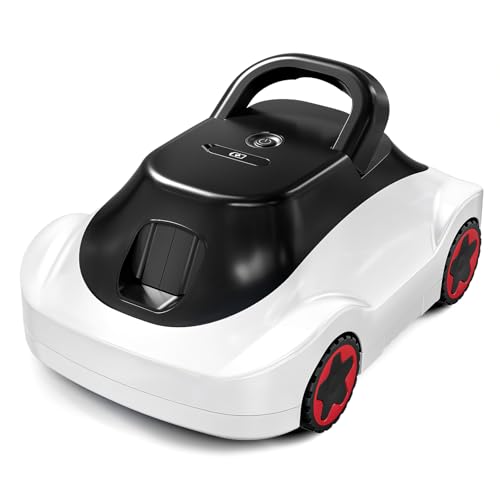
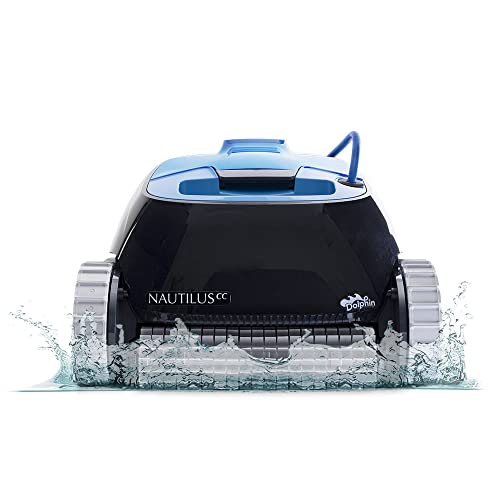
Modern pool robots combine independent drive motors, fine-mesh filtration baskets, and smart path navigation to tackle stubborn debris without tying up your main pool filter. Based on our detailed analysis of manufacturer specifications and user feedback, features like top-loading canisters and wide suction inlets prevent heavy leaf jams during peak seasons. Cordless battery units now provide extended runtimes for unrestricted coverage, while wall-climbing models scrub stubborn waterline scum and algae film simultaneously. Selecting the right machine ensures your swimming area remains swim-ready all season long without the hassle of tangled hoses or booster pump power spikes.




Frequently Asked Questions
How does a robotic pool cleaner handle heavy wet leaf accumulation without clogging?
Wide suction inlets and high-volume top-load filter baskets prevent clogs by channeling water flow around collected debris. Robots powered by high-flow pumps pull large oak leaves, pine needles, and twigs straight into a dedicated chamber rather than through narrow pipes. Active scrubbing brushes loosen waterlogged foliage stuck to the plaster or vinyl floor before suction pulls it in. Emptying the basket regularly during peak autumn drop ensures steady water circulation and uninterrupted cleaning cycles.
Can the Best Robotic Pool Cleaner For Leaves safely operate on vinyl liner and fiberglass pools?
Yes, most modern robotic pool cleaners use soft rubber tracks and non-abrasive active scrubbing brushes designed specifically for sensitive surfaces. Unlike older mechanical vacuums with hard wheels, continuous tracks distribute weight evenly to eliminate vinyl liner scuffing and tears. They maintain excellent traction on smooth fiberglass walls and gel coatings without slipping during waterline scrubbing passes. Always verify manufacturer specifications to ensure compatibility with your specific pool surface.
What is the advantage of a top-loading filter basket over traditional bottom-loading mesh bags?
Top-loading filter baskets allow quick debris removal directly from the poolside without flipping the heavy cleaner upside down. A quick push of a latch releases the basket, letting you dump wet leaves and rinse the fine-mesh panels with a garden hose in seconds. Bottom-access mesh bags tend to trap rotting leaf slime and fine silt in zipper seams, making maintenance messy and cumbersome. Top canisters also retain their shape under heavy debris loads, maintaining optimal flow rates.
Do cordless robotic pool cleaners have enough battery runtime to clean large pools?
Yes, advanced high-capacity lithium batteries deliver between 100 and 300 minutes of continuous floor and wall scrubbing on a single charge. Units equipped with smart gyroscope navigation and S-path mapping clean systematically rather than wandering randomly, maximizing every minute of battery life. When the power level drops, self-parking technology guides the robot to the pool edge for simple retrieval with a hook. Outdoor water features demand consistent care across seasons, whether you are clearing pool floors or heating the best hot tub for winter use during cold months.
How do robotic cleaners avoid getting stuck on raised main drain covers?
Intelligent obstacle detection chips and high-clearance tracked drive systems allow modern robots to climb smoothly over raised anti-vortex drain covers. Multi-sensor microprocessors sense resistance or sudden tilt, immediately reversing the drive motors or pivoting the chassis away from suction drains. This independent drive logic eliminates the common hang-ups that plague passive suction-side cleaners. As a result, the cleaner finishes complete floor cycles without requiring physical rescue.
Are robotic pool cleaners safe to use in saltwater pools in 2026?
Yes, quality robotic cleaners feature corrosion-resistant motor shafts and sealed electrical enclosures built to withstand typical saltwater concentrations. Twin sealed motors and protected drive tracks resist salt corrosion provided salinity stays within normal swimming limits, usually under 5000 ppm. Rinsing your pool robot with fresh tap water after each cycle prevents salt crystallization on moving parts and bearing seals. Storing the unit out of direct sunlight preserves UV-resistant plastics for years of reliable operation.




Write Your Review
No reviews yet. Be the first to share your experience!