


Fine sand and airborne silt settling across the bottom can ruin the look of an otherwise balanced swimming pool. Standard skimmer nets and coarse vacuum bags let micro-debris blow right back into the water, leaving cloudy trails behind every pass. Securing the best pool cleaner for fine dust requires zeroing in on high-density mesh bags, multi-layer canisters, or ultra-fine pleated cartridges capable of trapping particles down to microscopic levels. Whether you deal with windy desert dust storms or post-algae cleanup, the right tool spares your pool pump extra strain and saves your back from endless manual brushing.
Based on product specifications and user feedback, specialized equipment ranges from high-suction handheld wands with 500-mesh bags to automated robotic vacuums boasting sub-5-micron filtration. Dual-motor robotic cleaners easily handle broad floor areas, while compact battery-powered vacs excel in tight corners, shallow ledges, and attached spas. Homeowners who also evaluate outdoor spa setups like asking should I buy an inflatable hot tub quickly learn that capturing fine sediment is essential for protecting heating elements and pump impellers. Investing in reliable fine-debris equipment keeps your pool floor spotless so you spend your weekends swimming instead of clearing dust plumes.


Frequently Asked Questions
What micron rating is needed to trap fine pool dust?
Filters rated between 25 and 100 microns provide the best capture rate for fine pool dust, sand, and silt. Standard coarse mesh bags only trap particles larger than 200 microns, allowing microscopic silt to escape back into the pool. Handheld models with 500-mesh sleeves or robotic units with multi-layer fine filters trap microscopic sediment before it clouds your pool.
Can a robotic pool cleaner pick up fine desert silt?
Yes, robotic cleaners equipped with ultra-fine filtration baskets effectively collect desert silt and blowing sand. Models like the Gosvor LiteVac G1 utilize double filtration down to 3 microns, while the EZIOOV Y20 uses a 180-micrometer basket to trap silt without clogging primary pool filters. Selecting the best pool cleaner for fine dust ensures your automated robot cleans the bottom without stirring clouds of dust into the water column.
How do handheld battery pool vacuums handle fine silt?
Handheld pool vacuums handle fine silt exceptionally well when fitted with high-density micro-filter sleeves. Units like the Teguy and Enhulk include specialized 500-mesh bags that lock in sand and fine particles without relying on household water pressure. These portable sticks are also ideal for spot-treating steps, shallow tanning ledges, or winterized spas like those featured in our guide to the best hot tub for winter use.
Will a standard leaf net clear fine sand and dust?
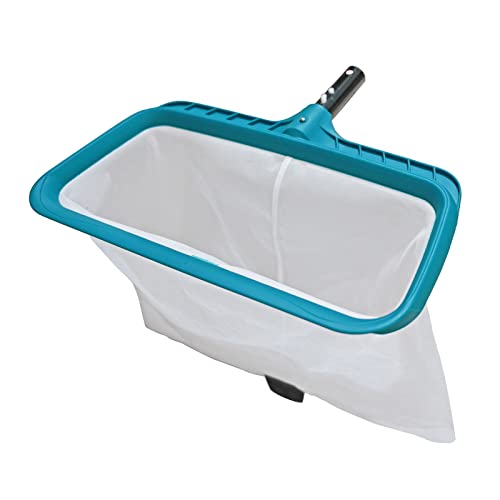
No, standard leaf nets feature loose openings that cannot hold fine dust or settling sand. Upgraded rakes like the POOLWHALE skimmer use specialized nylon micro-mesh netting to trap smaller debris and bugs. However, vacuum-driven suction remains necessary to clear powdered silt completely from pool floor crevices.
Does capturing fine dust strain pool pump filtration systems?
Independent pool vacuums reduce strain on your main filtration system by collecting fine dust in self-contained bags. When you vacuum through the skimmer box, micro-silt rapidly clogs your sand or cartridge filter, requiring frequent backwashing and chemical rebalancing. Using dedicated battery vacuums or standalone robotic cleaners keeps that extra grit away from your pump impeller.
Are fine dust pool vacuums safe for vinyl liners?
Yes, fine dust cleaners designed with smooth wheels, soft brushes, and molded plastic edges are completely safe for vinyl liners. Units with non-marring frames and rubber tracks glide across vinyl, fiberglass, and tile without scuffing or snagging delicate seams. Always check that bottom scrubbers rotate smoothly to prevent dragging sharp grit across the liner.




Write Your Review
No reviews yet. Be the first to share your experience!