
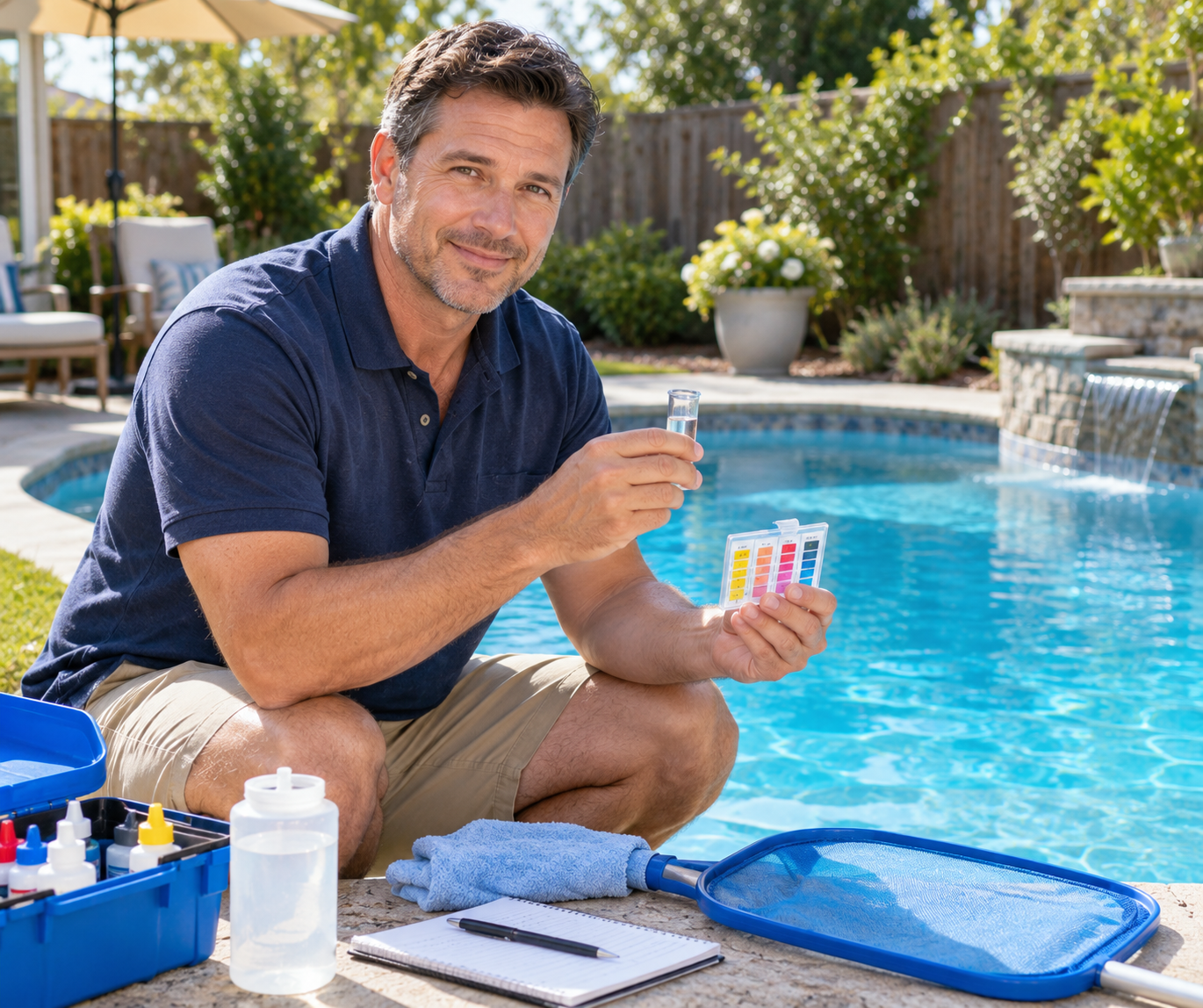

Stepping into a heated spa should deliver soothing muscle relief rather than lingering worries about skin burning or toxic exposure. Many new spa owners wonder whether are hot tub chemicals harmful to their bodies, especially when encountering strong chemical aromas or cloudy water after heavy use. In reality, untreated water harbors far greater biological hazards than properly dosed sanitizers, because warm water provides a prime breeding ground for opportunistic pathogens like Pseudomonas aeruginosa. Maintaining clean water requires understanding how primary sanitizers and secondary oxidizers interact with bather waste to keep the environment safe.
When spa chemistry falls out of equilibrium, improper chemical handling or excessive chemical concentrations can cause notable dermal and respiratory irritation. Trapping concentrated chemical off-gas underneath a tightly sealed spa shell can also degrade headrests and acrylic finishes over time. Investing in a durable hot tub cover with warranty coverage helps retain heat while shielding outdoor spas from external debris that spikes chemical consumption. By learning proper testing protocols and utilizing balanced clarifiers, owners can enjoy pristine, inviting water without risking personal comfort or equipment damage.


Pros
- Multifunctional formula eliminates the need to buy and measure separate clarifiers and line treatments
- No draining required, allowing you to return to soaking after just a two-hour waiting period
- Broad compatibility across acrylic spas, inflatable tubs, swim spas, and all common sanitizer types
- Helps clear internal plumbing buildup before it can form heavy deposits or waterline scum
Cons
- Does not replace your primary sanitizer, so chlorine, bromine, or alternative sanitizers must still be maintained
- The 8-ounce bottle only provides a four-week supply for a standard 500-gallon spa, requiring regular replenishment
- Causes temporary surface foaming for about 15 minutes right after running jets as the formula lifts residue
Bio Ouster Hot Tub Weekly Care is a multi-action chemical additive formulated to clean spa plumbing, clarify cloudy water, and condition bathwater without requiring a water change. Designed specifically for hot tub owners, vacation rental managers, and cold plunge users, this maintenance treatment addresses the hidden buildup that accumulates out of sight inside jet lines. For anyone looking to reduce waterline scum and keep spa water feeling soft between scheduled water changes, this routine additive simplifies weekly care.
Routine hot tub use continuously introduces body oils, cosmetics, sweat, and lotions into the water, which tend to coat internal pipe walls where standard filters cannot reach. Bio Ouster works by circulating through the plumbing lines to break down these deposits and suspend them for filtration, all while polishing water clarity. Because the formula conditions the water simultaneously, bathers often notice a silkier feel that is less drying to the skin during long soaking sessions.
The bleach-free formula is manufactured in the United States to protect spa components from premature wear or chemical degradation. It is safe for application in standard acrylic shells, vinyl-lined spas, portable inflatable hot tubs, swim spas, and even cold plunge units. Unlike harsh industrial line flushes, this gentle blend will not damage delicate jet gaskets, internal seals, or pump impellers when dosed according to manufacturer instructions.
Administering the treatment takes minimal effort and integrates easily into regular weekend spa maintenance. The manufacturer recommends adding 2 ounces per 500 gallons of water, running the jets on high for 30 seconds to distribute the solution, and allowing the spa to rest for two hours before use. A temporary surface foam may appear for roughly 15 minutes as the cleaner lifts residue, which is an expected part of the breakdown process and dissipates on its own.
While Bio Ouster simplifies water conditioning and line maintenance, spa owners must understand that it is not a sanitizer replacement. You must still test and maintain your free chlorine, bromine, or alternative sanitizer levels, as well as balance pH and alkalinity. Additionally, the 8-ounce container represents a starter supply that will only last four weeks in a typical 500-gallon spa, meaning long-term maintenance will require stocking up or purchasing larger refill sizes.
Bio Ouster Hot Tub Weekly Care is a practical investment for spa owners who want to prevent plumbing clogs and murky water without draining their tub every month. It pairs effectively alongside standard sanitizers and occasional deep-purge flushes. Before purchasing, verify your tub volume to ensure the 8-ounce bottle provides sufficient dosing for your planned maintenance schedule.
Bio Ouster 3in1 Weekly Care is designed for broad compatibility with virtually all modern hot tub sanitation setups. It operates safely alongside traditional chlorine, bromine, saltwater generators, mineral cartridges, ozone generators, UV systems, and biguanide programs.
The solution is also safe across diverse spa shells and materials, including acrylic spas, vinyl liners, rotationally molded plastic tubs, and inflatable hot tubs. It can also be used in jetted interior bathtubs and cold plunge systems to maintain clean water lines.

Pros
- Fast-dissolving sodium dichlor formula leaves minimal residue in heated spa water
- Specifically formulated for spa water temperatures and chlorine sanitizing systems
- Five-pound container provides a practical supply for ongoing routine water care
- EPA-approved formulation effectively targets algae growth and organic bather waste
Cons
- Designed strictly for chlorine-based setups and not compatible with non-chlorine or biguanide systems
- Continuous use gradually builds cyanuric acid in hot tub water, requiring standard periodic drain-and-refill cycles
- Requires careful dosing and routine water testing to avoid over-chlorination or chemical vapor buildup
Leisure Time Spa 56 Chlorinating Granules provide a dedicated sanitizing solution designed specifically for residential hot tubs and spas operating on chlorine water-care systems. Unlike standard swimming pool chemicals that may dissolve too slowly or alter chemistry unpredictably in small bodies of heated water, this formula is tailored for the high temperatures and rapid agitation of hot tubs. It suits first-time spa owners, vacation rental hosts, and established hot tub users seeking an EPA-approved sanitizer that maintains clean, clear water without complicated dosing steps.
Daily hot tub maintenance requires dependable control over organic waste introduced by bathers, including perspiration, body oils, and environmental residues. Spa 56 addresses these contaminants using fast-dissolving granules that disperse quickly across the water when circulation jets run. Rapid solubility is a significant advantage in acrylic spas because it minimizes the risk of undissolved chemical particles settling on the bottom shell or bleaching headrests and plastic fittings, helping to protect internal spa surfaces while re-establishing necessary sanitizer residual levels.
The active chemical agent in this formula is Sodium Dichloro-s-Triazinetrione Dihydrate, widely known as sodium dichlor. This stabilized chlorine compound resists degradation from heat and sunlight while providing active sanitizing power to clear cloudy water and inhibit algae growth. Packaged in a sturdy 5-pound bottle with exterior dimensions of 4.75 by 4.75 by 11.5 inches, this size offers an economical supply that minimizes frequent reordering for owners who use their spa regularly throughout the year.
Proper application habits are essential not only for water safety but also for the longevity of your hot tub cover and accessories. Whenever introducing chlorinating granules to the spa, the hot tub cover should remain fully off or folded back with circulation jets active for at least fifteen to twenty minutes. Allowing chemical vapors to off-gas freely prevents corrosive chloramine fumes from becoming trapped underneath the cover, which helps protect the underside vinyl, vapor barrier seals, and foam core from premature degradation.
While sodium dichlor provides reliable sanitizing performance, realistic chemical considerations come with its routine use. Dichlor naturally introduces cyanuric acid (CYA) as a stabilizing agent, meaning CYA levels will gradually rise over months of repeated dosing. Once stabilizer concentrations become elevated, chlorine efficiency drops, making periodic water drain-and-refill intervals necessary every three to four months. In addition, this product must never be mixed directly with alternative sanitizers such as bromine or biguanide systems.
Leisure Time Spa 56 is a reliable, practical choice for any hot tub owner maintaining a chlorine-sanitized spa environment. Before adding this product to your maintenance regimen, verify that your hot tub relies on a chlorine sanitizing routine, and keep a dependable test strip kit on hand to monitor free available chlorine, pH, and total alkalinity levels before dosing.
Consistent water sanitation with Leisure Time Spa 56 plays a key role in protecting the structural integrity of your hot tub accessories and cover. Unbalanced water or neglected sanitizing schedules can lead to organic buildup, scum lines, and mildew along cover skirts and headrests, while excessive chemical buildup can accelerate wear on acrylic surfaces and filtration media.
To ensure optimal water quality while safeguarding your spa components, always test water balance before adding granules and allow the tub to circulate with the cover open during initial dosing. Storing the 5-pound container in a cool, dry area away from direct sunlight will preserve granular potency and maintain reliable performance throughout the lifespan of the bottle.

Pros
- Combines cleaner, clarifier, and conditioner to reduce the number of separate specialty chemical bottles needed
- Does not require draining the spa, making it practical for cold-weather maintenance when draining is risky
- Compatible with standard chlorine and bromine sanitizing systems
- Helps dislodge hidden oils and line buildup that standard sanitizers alone may struggle to clear
Cons
- Does not replace primary sanitizers such as chlorine or bromine and must be used as a supplement
- Initial treatment can release accumulated plumbing grime, requiring extra filter rinsing and waterline wiping
- At 16 fluid ounces per bottle, owners of larger spas may need frequent reorders for year-round weekly dosing
Oh Yuk 5-in-1 Hot Tub Cleaner, Clarifier, and Conditioner is a multi-purpose liquid water treatment designed to streamline routine spa maintenance without draining the tub. It serves spa owners, rental property operators, and busy households who want to prevent cloudy water and line buildup alongside their regular sanitation routine. Rather than managing separate bottles of clarifier, plumbing line maintenance, and water softeners, this single 16-ounce formulation tackles multiple water quality challenges at once.
In daily hot tub ownership, bather loads introduce body oils, lotions, and organic residues that coat plumbing walls and create dull, cloudy water. This 5-in-1 formula actively suspends and lifts those trapped residues, allowing the built-in clarifier to coagulate fine debris so your filter cartridge can capture it. It also conditions the water to improve overall water feel, making soaks feel noticeably smoother without altering primary sanitizer baselines. Because it works without requiring a water drain, it proves especially valuable during freezing winter months when draining and refilling a spa is inconvenient or hazardous.
A crucial factor in hot tub water chemistry is chemical compatibility, and this product is engineered strictly as a supportive supplement rather than an EPA-registered sanitizer. It is formulated to work seamlessly with standard chlorine or bromine maintenance systems. It will not eliminate the need to test and balance free sanitizer, pH, or total alkalinity. Instead, by neutralizing organic residues and keeping plumbing lines clearer, it helps your primary sanitizer work more efficiently without being consumed prematurely by hidden organic contaminants.
Applying the treatment is straightforward, but users should prepare for the way deep-cleaning additives interact with existing buildup. During the first few doses, especially in older spas or tubs with heavy bather traffic, the formula may purge accumulated oils and residue from the plumbing into the main footwell. Spa owners should anticipate wiping down the waterline with a clean cloth and removing the filter cartridge for a thorough rinse 24 to 48 hours after application to prevent dislodged debris from re-circulating.
While the formula simplifies maintenance, it comes with practical limitations that every hot tub owner should understand. The 16-ounce bottle size provides a compact footprint for spa caddies, but frequent weekly dosing across large multi-person hot tubs means a single bottle may deplete quickly. Furthermore, this maintenance product is not an emergency purge flush intended for complete tub draining, nor will it correct severe chemical imbalances caused by neglected calcium hardness or erratic pH levels.
Oh Yuk 5-in-1 Hot Tub Cleaner is best suited for hot tub owners who want to minimize weekly water care steps and preserve water clarity without dumping their water. Before purchasing, verify your spa sanitation setup to confirm you have an established chlorine or bromine routine in place, and ensure you have spare filter cartridges or cleaning tools ready to handle any dislodged residue from the initial treatment.
Using this 5-in-1 treatment on a weekly schedule helps control the organic film and cosmetic oils that normally accumulate on hot tub acrylic and inside internal jet lines. Regular use prevents stubborn waterline rings from setting, which reduces the need for aggressive scrubbing pads that could scratch spa shell surfaces.
Because the built-in clarifier groups micro-particles together for mechanical removal, filter care is directly tied to the success of this treatment. Hot tub owners should inspect and rinse their pleated filter cartridges with clean water shortly after dosing, as the filter media will trap an increased amount of suspended matter once the clarifier takes effect.
Oh Yuk 5-in-1 is formulated to work in harmony with traditional hot tub sanitizers, specifically standard chlorine and bromine water care regimens. It does not replace residual sanitizers, oxidizers, or shock treatments, meaning regular testing of free available sanitizer levels remains necessary.
Adding this conditioner and clarifier assists in maintaining consistent water chemistry by reducing organic demand on the sanitizer. Always ensure your hot tub water is properly balanced for pH and total alkalinity before introducing specialty water conditioners to achieve the best clarity and water feel.

Chemical Safety and Water Balance Fundamentals for Hot Tubs
Hot tub chemicals are not inherently harmful when applied according to manufacturer guidelines, but they can become irritants if managed incorrectly. Concentrated sanitizers and oxidizers exist specifically to eradicate pathogenic microorganisms that thrive in hot, aerated water. When water chemistry drifts outside established parameters, chemical byproducts can cause eye stinging, contact dermatitis, and respiratory coughing. Understanding how each chemical functions allows bathers to eliminate infectious bacteria without enduring harsh side effects.
Primary Sanitizers: Comparing Chlorine and Bromine Dynamics
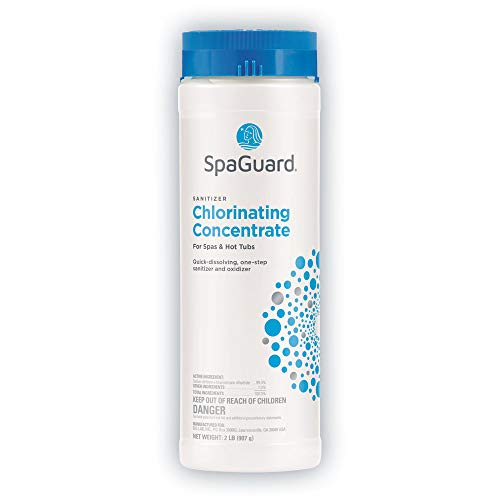
Sanitizers represent the primary defense against harmful pathogens like bacteria, viruses, and algae. Formulations such as Leisure Time E5 Spa 56 Chlorinating Granules utilize sodium dichloro-s-triazinetrione dihydrate to deliver rapid disinfection across spa plumbing and seating areas. Products like SpaGuard Spa Chlorinating Concentrate serve as quick-dissolving granular chlorine treatments that disinfect while maintaining neutral pH. These EPA-registered biocides penetrate cellular walls of contaminants, rendering them inactive before they can infect bathers.
Chlorine becomes problematic for human skin primarily when it binds with nitrogenous bather waste like sweat, oils, and cosmetics. This reaction creates combined chlorine compounds known as chloramines, producing the pungent odor often mistakenly blamed on excess sanitizer. Free available chlorine should register between three and five parts per million on a calibrated test strip. When free chlorine falls too low, chloramines accumulate rapidly, resulting in itchy rashes, red eyes, and perceived chemical irritation.
Bromine offers an alternative sanitization path that remains more stable at higher water temperatures than chlorine. Unlike chloramines, bromamines retain significant sanitizing capability and emit a much milder odor, making bromine popular for indoor spas. Both sanitizing systems require careful dosage measurement to prevent chemical spikes. Adding excessive dry granules directly into low water volumes can cause temporary peaks that irritate sensitive skin.
Oxidizers and Shock Treatments: Breaking Down Organic Waste
Routine sanitizing kills living microbes, but it does not remove organic debris and dead biological matter from spa water. SpaGuard Enhanced Shock addresses this challenge by providing a multi-purpose chlorinated shock that oxidizes organic residues, clarifies water, and acts as a flocculant. Its pH-buffered formula prevents aggressive shifts in total water balance across chlorine, bromine, and ozone systems. Regular oxidation breaks chloramine bonds, releasing trapped nitrogen gas and restoring water clarity.
Applying a periodic shock treatment minimizes the overall chemical volume required to maintain safe water over time. When organic contaminants accumulate unchecked, sanitizers are continuously consumed oxidizing inert debris rather than killing live bacteria. Applying dedicated oxidizers like SpaGuard Enhanced Spa Shock 6lbs after heavy use frees active sanitizers for disinfection. Bathers should always wait until sanitizer levels decline into safe ranges before re-entering the tub.
Off-gassing represents a crucial safety step whenever you introduce oxidizers into the spa. Running jet pumps with the thermal cover removed for twenty minutes prevents volatile chemical fumes from becoming trapped. Enclosed vapors can deteriorate synthetic headrests, pit plastic jet nozzles, and bleach protective materials. Using an energy efficient quiet spa cover ensures thermal retention once off-gassing concludes, keeping operating expenses manageable throughout the year.
Hidden Plumbing Contaminants and Biofilm Formation
Many water quality issues originate deep within internal spa plumbing manifolds rather than in the open tub basin. Body oils, sunscreen lotions, and dead skin cells bond with scale inside flexible PVC pipes, creating a dense matrix known as biofilm. Biofilm shelters bacterial colonies from standard sanitizer levels, forcing owners to add progressively higher chemical quantities. This contamination cycle often makes water feel harsh and creates persistent cloudiness despite regular chemical additions.
Specialized pipe maintenance formulas help dismantle these stubborn organic residues before they overwhelm water balance. Products like Ouster Hot Tub Weekly Care – 3in1 Cleaner are engineered to loosen plumbing buildup without requiring complete water drainage. Dosing two ounces per five hundred gallons and circulating water through high-speed jets breaks down trapped residue effectively. Routine plumbing treatment keeps internal pipe walls slick, allowing normal sanitizer doses to disinfect water efficiently without harsh overdosing.
Similarly, treatments like Oh Yuk 5-in-1 Hot Tub Chemicals, Cleaner lift oils and grime from circulation lines while integrating clarifiers and conditioners. When initiating a deep line cleanse on heavily used spas, dislodged residue often rises to the perimeter waterline. Wiping down the acrylic shell and rinsing pleated filter cartridges immediately after treatment prevents redepositing organic debris into the plumbing. Clean internal lines directly reduce the quantity of harsh chemicals needed to maintain sanitary soaking conditions.
Water Clarifiers, Conditioners, and Foam Control Chemistry
Microscopic suspended particles frequently bypass standard pleated polyester filters, leading to murky water that prompts owners to add unnecessary sanitizers. Clarifiers found in weekly conditioning formulas bind these microscopic particles into larger clusters that mechanical filter media can trap effectively. In addition to clarifying agents, conditioning compounds soften the tactile sensation of water against human skin. Water conditioners help mitigate drying sensations often caused by prolonged contact with dissolved sanitizer salts.
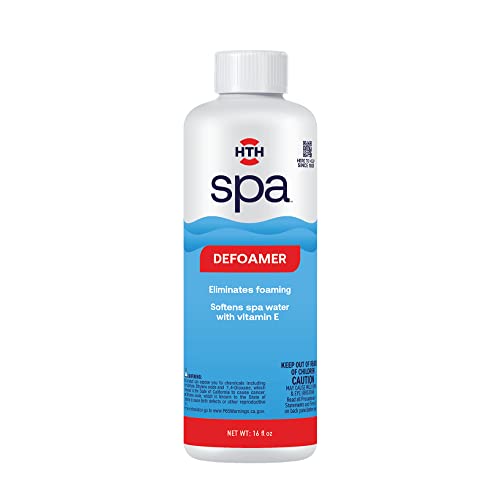
Persistent surface foam is another frequent annoyance that bathers mistake for excessive chemical presence. Foaming is rarely caused by sanitizers themselves; rather, it stems from residual laundry detergents on swimwear, cosmetic lotions, or low calcium levels. Utilizing targeted solutions like HTH Spa 86116 Defoamer rapidly breaks down surface tension to eliminate unsightly bubbles within seconds. Formulated with skin-soothing Vitamin E, this defoamer works seamlessly across chlorine, bromine, and biguanide setups without altering sanitizing power.
While defoamers resolve immediate visual symptoms, relying exclusively on anti-foam agents without addressing root causes creates chemical saturation. Every additive introduced into the hot tub contributes to total dissolved solids, which gradually diminishes chemical responsiveness. If foaming continues despite defoamer use, testing calcium hardness and encouraging bathers to rinse swimwear in plain water provides a permanent fix. Keeping extraneous chemical additions minimal helps maintain natural, non-irritating water.
The Critical Role of pH and Total Alkalinity in Bather Comfort
Improper pH balance is the primary cause of skin irritation, eye burning, and equipment corrosion in residential hot tubs. Human eyes and skin naturally maintain a slightly acidic to neutral pH between 7.35 and 7.45. If spa water pH climbs above 7.8, the sanitizing efficacy of free chlorine drops precipitously, rendering disinfection sluggish. Conversely, if pH drops below 7.2, water becomes acidic and aggressive, stripping skin of natural lipids and etching heater elements.
Total alkalinity acts as a chemical buffer that prevents erratic swings in pH levels when bather loads enter the water. Standard guidelines suggest maintaining total alkalinity between eighty and one hundred twenty parts per million. When alkalinity drops too low, pH bounces unpredictably, leading to sudden bouts of dermal discomfort. Elevating low alkalinity using sodium bicarbonate establishes a stable baseline, ensuring that subsequent pH adjustments remain locked in place.
Adjusting water balance requires following a strict sequential order to avoid wasting chemicals and creating hazy water. Always test and correct total alkalinity before attempting to modify pH, because alkalinity buffering directly dictates pH responsiveness. Once alkalinity stabilizes, adjusting pH with sodium bisulfate or sodium carbonate brings water into the ideal 7.2 to 7.8 zone. Balanced water maximizes sanitizer efficiency while eliminating burning sensations frequently misidentified as chemical poisoning.
Chemical Handling, Storage, and Incompatible Mixing Hazards
Direct physical injury associated with spa chemicals almost always stems from improper storage, handling, or mixing rather than diluted water exposure. Concentrated dry sanitizers are powerful oxidizing compounds that react vigorously with incompatible substances, moisture, or organic matter. Mixing dry chlorine granules directly with dry bromine or acidic pH decreasers inside a measuring scoop can generate toxic gas or provoke exothermic reactions. Every chemical must be measured separately and added to the spa independently to guarantee physical safety.
Proper chemical introduction requires active water circulation and deliberate personal safety precautions. Never pour water into dry chemicals inside a container; always add dry granules directly into large volumes of moving water. Turn on circulation pumps, open jet aerators, and scatter measured granules evenly across the water surface to accelerate dissolution. Inhaling dry chemical dust during application can cause immediate respiratory inflammation, making well-ventilated outdoor storage mandatory for all containers.
Storing chemical containers in damp basements, unventilated sheds, or direct sunlight degrades active ingredients and creates hazardous atmospheric pressure inside plastic jars. Tightly seal lids after every use to prevent ambient moisture from triggering chemical degradation. Installing a protective patio hot tub cover keeps rain runoff and organic debris out of the spa, lowering baseline chemical demand. Practicing disciplined chemical storage safeguards family members, pets, and your backyard investment.
Recognizing Symptoms: Chemical Dermatitis Versus Bacterial Folliculitis
Differentiating between chemical irritation and bacterial infections helps owners take appropriate corrective action after experiencing post-soak discomfort. Irritant contact dermatitis appears quickly as generalized redness, dry flaking, or mild burning, typically resulting from excessively high sanitizer levels or low pH water. In contrast, hot tub folliculitis is a bacterial infection caused by Pseudomonas aeruginosa multiplying in under-sanitized warm water. Folliculitis manifests as itchy, red, bumpy pustules clustered around hair follicles, appearing twelve to forty-eight hours after soaking.
When bathers experience folliculitis, the intuitive response is often to stop adding chemicals under the false impression of an allergic reaction. This response is counterproductive, as the presence of bacterial rash proves the water suffered from inadequate sanitizer concentration. Raising free chlorine or bromine back into therapeutic ranges and administering a high-potency shock treatment eliminates the infectious bacteria responsible for the outbreak. If rash symptoms persist or cause spreading skin discomfort, seeking guidance from a medical professional is strongly advised.
Regular water testing represents the most dependable method to protect bathers from both under-sanitization and over-sanitization risks. Utilizing reliable multi-parameter test strips or liquid test kits at least twice weekly provides an accurate profile of free chlorine, pH, alkalinity, and calcium hardness. Recording these readings helps owners identify baseline consumption trends based on seasonal weather changes and bather frequency. Proactive testing prevents chemical accumulation while guaranteeing that pathogen-destroying biocides remain constantly active.
Total Dissolved Solids and Routine Dilution Cycles
Over months of routine operation, every chemical additive, bather perspiration drop, and mineral trace increases the total dissolved solids in the water. As dissolved solids climb above fifteen hundred parts per million over starting tap water levels, chemical efficiency drops noticeably. High dissolved mineral content creates a sluggish water environment where sanitizers struggle to dissolve, clarifiers become ineffective, and water takes on a dull appearance. When water reaches this saturation point, adding more chemicals simply wastes money and worsens skin irritation.
Draining and refilling the hot tub every three to four months provides a fresh baseline that restores chemical responsiveness. Before draining, circulating a pipe-cleaning formula flushes accumulated oils and biological gunk out of internal plumbing runs. After completely draining the water, wiping the acrylic shell with non-abrasive cleaners removes scum lines without introducing foaming agents. Refilling the tub with fresh municipal water resets dissolved solid levels to zero, allowing small, measured chemical doses to perform at peak effectiveness.
Dilution remains the ultimate remedy whenever chemical levels spike accidentally due to measuring errors or excessive shocking. If free chlorine or bromine tests dangerously above recommended thresholds, partially draining twenty to thirty percent of the spa volume and refilling with cold fresh water brings levels down safely. Alternatively, leaving the spa cover open while running jets allows natural sunlight and aeration to degrade excess chlorine rapidly. Monitoring water age and practicing regular replenishment keeps soaking conditions naturally gentle and consistently hygienic.
Hot tub chemicals serve as vital protective shields rather than dangerous toxins when managed with consistency and fundamental chemical awareness. Striking the proper balance between active biocides, pH buffers, and periodic plumbing cleansers ensures an inviting hydrotherapy sanctuary that protects both human skin and spa mechanics. By maintaining strict water testing schedules, respecting off-gassing periods, and prioritizing clean plumbing lines, spa owners can soak with total confidence in their water safety.


Write Your Review
No reviews yet. Be the first to share your experience!