
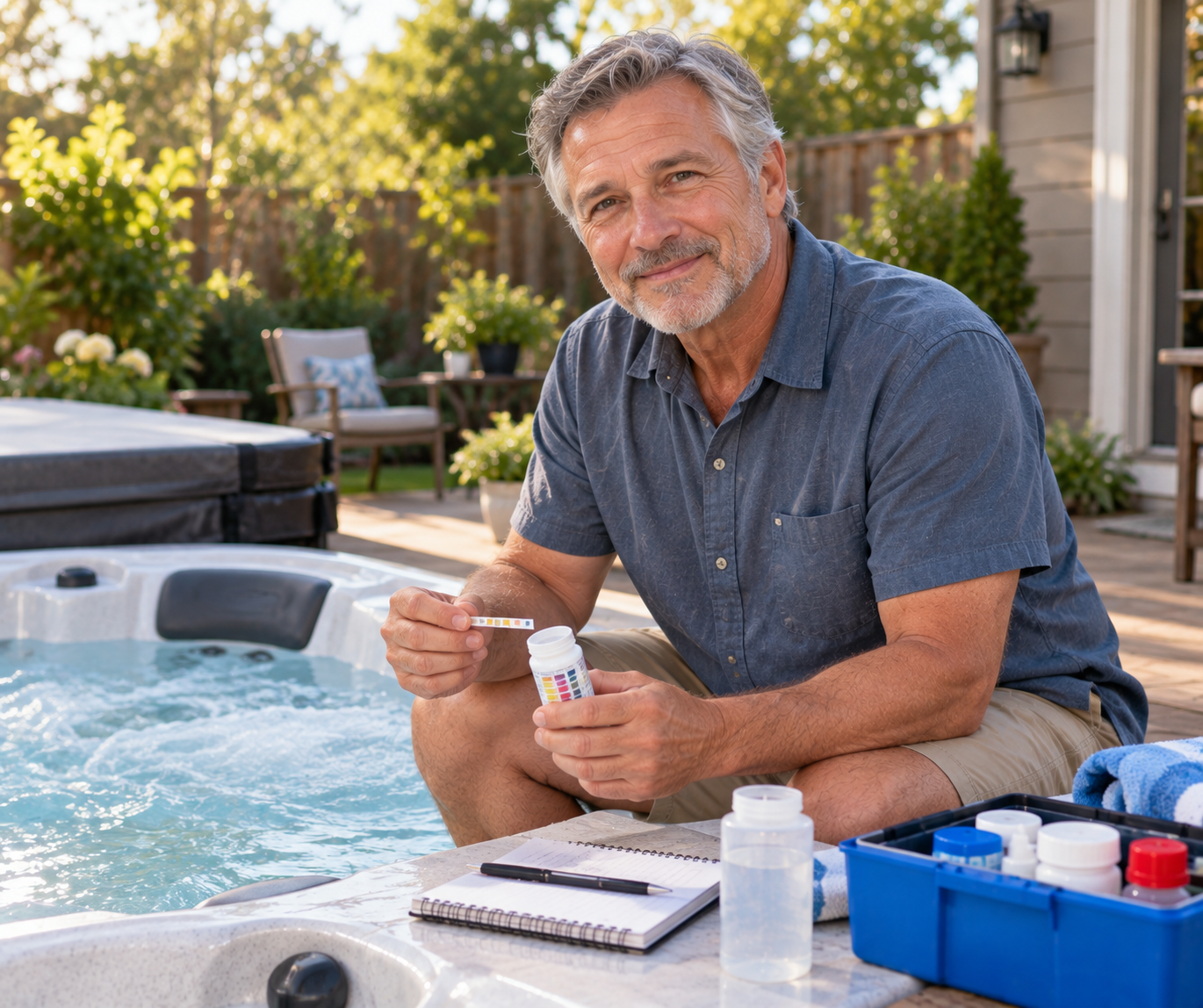

Maintaining balanced spa water chemistry requires navigating sanitation routines without risking skin or respiratory irritation from elevated oxidizer concentrations. When treating water to eliminate combined chloramines, organic waste, and bacterial contamination, hot tub owners frequently question how long after chlorine shock hot tub water remains unsafe for bather entry. Concentrated chlorine shock raises free sanitizer levels well above ten parts per million, requiring an average waiting window of twenty-four to forty-eight hours until chemical activity drops back to a safe soaking range between three and five parts per million. Removing your yard patio hot tub cover and running low-speed circulation jets accelerates the dissipation of spent chemical vapors and concentrated residual sanitizer.
Waiting for complete chemical stabilization ensures bathers avoid stinging eyes, dermal irritation, and bleached swimwear caused by superchlorinated water. Testing spa water with calibrated test strips or liquid reagents provides the only definitive confirmation that free available chlorine has returned to comfortable thresholds. While non-chlorine oxidizing treatments often permit re-entry in twenty to thirty minutes, true sanitizing shock treatments demand patience and steady airflow to protect equipment seals and personal health. Establishing a predictable chemical routine keeps hydrotherapy sessions refreshing while safeguarding heater elements and acrylic surfaces against premature oxidative stress.






Complete Guide to Hot Tub Shock Wait Times and Water Safety
Determining the correct waiting interval after shocking a spa depends on the chemical treatment applied and baseline water parameters. Chlorine shock raises free sanitizer levels to extreme concentrations, demanding a waiting period until active levels drop below five parts per million before anyone enters the tub. For standard chlorine treatments, this dissipation process typically takes between twenty-four and forty-eight hours under steady circulation. Understanding how different shock formulas function allows spa owners to manage water safety efficiently without losing soaking opportunities.
Chlorine Shock Versus Non-Chlorine Shock: Understanding Chemical Actions
Primary sanitizing shocks rely on concentrated chlorine compounds such as sodium dichlor to eradicate living pathogens and break down stubborn chloramines. This chemical process is known as breakpoint chlorination, where chlorine levels are intentionally driven high to oxidize trapped contaminants. Products like SpaGuard Enhanced Shock combine sanitizing agents with clarifiers and buffers, effectively renewing water clarity while raising the sanitizer residual. Because free chlorine spikes to ten or twenty parts per million during this treatment, bathers must stay out of the spa until the chemical compound breaks down.
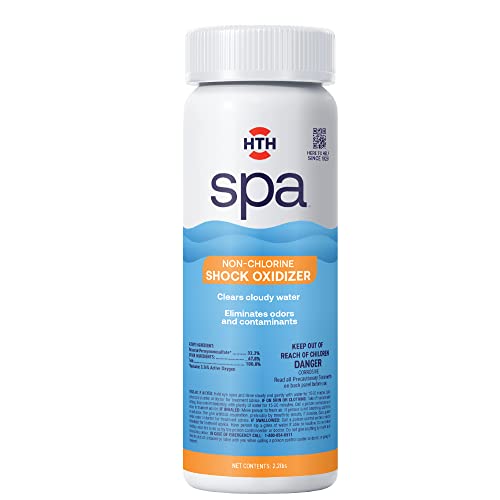
Non-chlorine shock oxidizers operate through an entirely different chemical mechanism based on potassium peroxymonosulfate. Formulas such as AquaDoc Non Chlorine Hot Tub Shock, AquaJoyer Non-Chlorine Spa Shock, and HTH Spa Non Chlorine Shock Oxidizer target non-living organic matter like body oils, lotions, and perspiration. These oxygen-based oxidizers do not introduce active free chlorine into the water, meaning they do not kill bacteria on their own. As a result, non-chlorine treatments allow users to resume soaking in as little as fifteen to thirty minutes once the granules dissolve and circulate thoroughly.
Selecting between these two treatment types depends heavily on current water quality and your immediate soaking plans. When water turns cloudy, exhibits an unpleasant chemical smell, or indicates zero free sanitizer after heavy bather use, a true chlorine shock is required to re-establish sanitary safety. If your primary sanitizer levels are already balanced and you simply need to clear cosmetic buildup or restore water sparkle, a non-chlorine oxidizer is the ideal maintenance choice. Understanding this distinction prevents unnecessary downtime and keeps your water crystal clear throughout the week.
The Exact Waiting Timeline: Monitoring Sanitizer Levels Safely
The transition from a freshly shocked tub to a safe soaking environment follows a predictable chemical dissipation curve. Immediately following the addition of granular chlorine shock, free chlorine levels surge well past the readable scale on standard test strips. During the first two to six hours, vigorous chemical reactions destroy organic contaminants while producing significant off-gassing. Bathers should never attempt to enter the water during this initial phase, as high sanitizer concentrations pose immediate risks to skin and mucosal membranes.
Between twelve and twenty-four hours after treatment, sanitizer concentrations begin to level off as the oxidizers complete their work. In outdoor spas exposed to fresh air and daylight, chlorine degradation occurs more rapidly than in enclosed indoor environments. By the thirty-six to forty-eight hour mark, free chlorine levels in most residential hot tubs settle back down toward standard operational limits. If water circulation has been maintained, the water should appear clear, polished, and free of unpleasant odors.
Relying on elapsed clock hours alone is never enough to guarantee bather safety before entering the tub. Water testing with reliable test strips or a liquid reagent kit is the only accurate method to verify that free available chlorine has dropped to five parts per million or below. The ideal soaking range sits comfortably between three and five parts per million for chlorine-maintained spas. Entering the water before running a test risks exposure to active chemical spikes that time estimates cannot reliably predict.
Environmental and Mechanical Factors That Influence Dissipation Speed
Several physical and environmental variables directly govern how quickly chlorine levels dissipate following a shock treatment. Water temperature plays a significant thermodynamic role, as higher heat accelerates chemical reactions and speeds up sanitizer breakdown. A spa maintained at one hundred and four degrees Fahrenheit will burn through free chlorine significantly faster than water resting at eighty degrees. Balancing thermal settings allows you to influence chemical degradation while protecting mechanical equipment from excessive thermal wear.
Circulation and aeration are equally critical factors in clearing excess chemical concentrations from spa plumbing and seating areas. Running your circulation pump on low speed moves water continuously across the filter cartridge, preventing hot spots of concentrated chemical granules. Turning on air control valves or low-speed therapy jets introduces micro-bubbles that encourage off-gassing of volatile compounds. However, running high-speed booster pumps continuously should be avoided, as prolonged agitation can cause unwanted pH spikes and place unnecessary strain on pump motors.
Sunlight exposure dramatically speeds up the degradation of unstabilized or lightly stabilized chlorine treatments. Direct ultraviolet radiation naturally cleaves chlorine molecules, helping outdoor spas clear excessive sanitizer levels during daylight hours. Conversely, hot tubs installed in enclosed gazebos, basements, or shaded patios retain chemical levels far longer because ultraviolet rays cannot penetrate the space. Owners of indoor spas must rely primarily on mechanical ventilation and extended circulation to achieve the same dissipation results.
Why Keeping the Spa Cover Open After Shocking Is Essential
One of the most frequent mistakes hot tub owners make is closing the heavy thermal cover immediately after adding shock chemicals. When oxidizers react with waterborne contaminants, aggressive chemical gases such as chloramines and acidic vapors rise rapidly from the water surface. If these vapors are trapped beneath a closed cover, they concentrate against the underside material and begin corroding essential spa components. Leaving the cover folded back for at least twenty to thirty minutes allows these caustic gases to vent freely into the open atmosphere.
Trapped chemical vapors cause severe structural degradation to expensive spa covers over relatively short periods. The acidic moisture attacks the protective vapor barrier surrounding the expanded polystyrene foam core, eventually leading to waterlogged insulation and total heat retention failure. Investing in a protective hot tub cover with warranty safeguards your outdoor investment, but proper venting practices remain crucial to avoid voiding manufacturer protections. Headrests, diverter valve handles, and acrylic shell edges also suffer premature bleaching and cracking when chemical fumes remain sealed inside.
For those utilizing a lighter or foldable hot tub cover, chemical venting is just as critical to preserve stitching and core density. Maintaining an open airflow routine while circulation pumps run helps volatile gases disperse without lingering around your patio or deck seating area. Once the initial vigorous oxidation phase concludes and thirty minutes have passed, the cover can be securely latched to preserve water temperature. This simple venting habit extends the lifespan of both your thermal cover and your topside hardware by several years.
Health Hazards of Entering a Hot Tub Too Soon After Shocking
Entering superchlorinated water poses immediate health consequences that can quickly ruin a relaxing spa experience. Free chlorine concentrations above five parts per million strip natural protective oils from human skin, resulting in acute contact dermatitis and intense itching. Bathers with sensitive skin or pre-existing conditions like eczema can experience severe flaking, redness, and painful chemical rash. Children and older adults are especially vulnerable to rapid dermal irritation when sanitizer levels exceed standard residential guidelines.
Ocular and respiratory systems face equal danger when exposed to high oxidizer concentrations in hot, enclosed spaces. Volatile chemical vapors hovering near the water line cause stinging, bloodshot eyes and temporary vision blurriness within minutes of soaking. Inhaling concentrated chloramine vapors triggers coughing fits, throat irritation, and bronchial distress, particularly in individuals with asthma or seasonal allergies. Ensuring that both free sanitizer levels and air quality have normalized prevents hydrotherapy from becoming a medical nuisance.
Step-by-Step Procedure for Safely Shocking Your Spa
A safe chemical shock procedure begins well before opening any chemical bottle on your patio or equipment deck. Start by testing the water to confirm that pH rests securely between 7.2 and 7.8, with total alkalinity balanced between 80 and 120 parts per million. Chlorine loses much of its sanitizing efficacy if pH levels climb above 7.8, while low pH creates acidic conditions that accelerate equipment corrosion. Adjusting these foundational balance parameters first ensures that your shock treatment performs at maximum chemical efficiency.
Once baseline parameters are verified, remove the spa cover completely and set your control pack to run circulation on low speed. Carefully measure the recommended dose of granular shock according to your hot tub water capacity, avoiding the temptation to guess measurements. Broadcast the granules evenly across the deep section of the spa water, keeping your face turned away from drifting chemical dust. Never add chemicals through the skimmer well or while hydrotherapy air blowers are running, as concentrated granules can damage internal plumbing seals.
Allow the spa to circulate with the cover open for at least twenty to thirty minutes so that initial oxidation gases escape safely. After this initial venting period, you may reinstall the cover to conserve electrical heating energy while the sanitizing reaction continues overnight. Plan to test the water twenty-four hours later using a fresh test strip or calibrated drop test kit to evaluate residual levels. Only when free chlorine registers between three and five parts per million should family members or guests be invited to soak.
What to Do When Chlorine Levels Remain Stubbornly High
Occasionally, free chlorine levels remain stubbornly elevated well beyond the expected forty-eight-hour waiting threshold. This persistent issue commonly occurs when an accidental overdose of granular shock is applied to a relatively small water volume. Another frequent cause is an accumulation of cyanuric acid from repeated use of stabilized dichlor granules, which slows down the natural breakdown rate of free chlorine. When sanitizer readings stay locked at ten parts per million or higher, active intervention becomes necessary to restore balance.
The simplest non-chemical solution is to remove the cover during bright daylight hours and activate your low-speed jet pumps. Natural sunlight delivers intense ultraviolet radiation that breaks chemical bonds in chlorine molecules, rapidly lowering sanitizer concentrations over several hours of direct exposure. If weather conditions do not permit outdoor aeration or if time is limited, a chemical chlorine neutralizer like sodium thiosulfate can be introduced. Neutralizers must be dosed in tiny, measured increments, as adding too much will completely eliminate your ability to hold a sanitizer residual.
Integrating Shock Treatments into a Weekly Spa Care Routine
Developing a balanced sanitizing schedule prevents extreme chemical swings and minimizes spa downtime throughout the season. For routine weekly care, utilizing a non-chlorine oxidizer directly after heavy soaking sessions keeps water clear without raising chlorine levels. This approach allows bathers to enjoy spontaneous morning or evening hydrotherapy sessions without waiting through extended twenty-four-hour lockouts. Reserving concentrated chlorine shock for monthly deep sanitation or heavy bather recovery provides the ideal compromise between safety and convenience.
Routine maintenance should also encompass regular filter cartridge inspections to support ongoing chemical treatments. A clogged or greasy pleated filter restricts water circulation, preventing shock oxidizers from distributing evenly throughout internal plumbing lines. Rinsing your filter cartridge weekly with clean water and applying an enzymatic degreaser monthly ensures optimal water flow and rapid chemical integration. Clear hydraulic flow protects your heater assembly from low-flow errors while helping sanitizers work far more effectively.
Mastering chemical wait times transforms hot tub ownership from an unpredictable chore into a predictable, relaxing backyard routine. Always prioritize chemical testing over rigid guesswork, ensuring that free chlorine comfortably aligns with safe bather parameters before entering the water. By selecting the appropriate shock formula for each specific maintenance scenario and practicing proper cover venting, you protect your health, your equipment, and your investment for years to come.


Write Your Review
No reviews yet. Be the first to share your experience!