

Bathers frequently struggle with dry skin, red eyes, and pungent chemical odors after soaking in conventionally treated spas. Understanding what is a salt water hot tub provides clarity for homeowners seeking a softer, more manageable hydrotherapy experience. Rather than requiring frequent manual additions of granular chlorine after every soak, these modern systems use an automated electrolytic process to generate pure sanitizer directly within the water. Pairing this efficient setup with an insulated yard patio hot tub cover protects heat retention and shields the balanced water from external yard debris.
Many new spa owners assume that saltwater tubs mimic the ocean or eliminate the need for sanitizing chemicals completely. In practice, the water relies on a specialized titanium cell that converts pure dissolved sodium chloride into active, soothing free chlorine. This continuous generation prevents bacterial growth while keeping chlorine levels stable and predictable. By learning how these systems function, what chemical parameters they require, and how equipment parts interact, you can enjoy consistently clear water with significantly less routine scrubbing and chemical handling.



Everything You Need to Know About Salt Water Hot Tubs
A salt water hot tub is an acrylic or portable spa equipped with an electrolytic salt chlorine generator that converts dissolved sodium chloride into free chlorine sanitizer. It does not contain salty ocean water, nor does it run without a sanitizing agent. Instead, it maintains a continuous baseline of pure sanitizer that feels exceptionally gentle on human skin and minimizes eye irritation.
How Electrolytic Salt Systems Generate Sanitizer
The core mechanism inside a saltwater spa is an electrolytic reaction driven by low-voltage electrical current. When water carrying dissolved sodium chloride passes through a specialized cell housing titanium plates, the electrical charge splits the salt and water molecules. This reaction creates hypochlorous acid, which is the exact same active biocide found in conventional chlorine sanitizing routines. As a result, the tub sanitizes bathers continuously without anyone needing to dump powdered chlorine crystals into the water after each session.
Once the generated hypochlorous acid neutralizes contaminants, body oils, and organic waste, it breaks down and binds back together into sodium chloride. This continuous recycling process allows the original salt dose to remain active for months at a time. Because the sanitizer is generated in small, steady amounts, the water avoids the harsh spikes and sudden drop-offs associated with manual chemical dosing. Furthermore, this controlled process greatly minimizes the formation of chloramines, which are the irritating chemical byproducts responsible for the stinging smell and skin dryness commonly reported in traditional hot tubs.
Saltwater Spas Compared to Traditional Sanitization Methods
Comparing a saltwater hot tub to a traditional chemical system reveals significant differences in daily maintenance routines and water longevity. Standard spas rely on manual applications of sodium dichlor granules or slow-dissolving bromine tablets placed inside floating dispensers. Because these traditional sanitizers introduce stabilizers such as cyanuric acid or heavy binders into the water, total dissolved solids increase rapidly. Within three to four months, traditional spa water becomes saturated with chemical residuals, demanding a complete drain and refill to restore clarity.
Saltwater systems operate with a dramatically cleaner chemical profile because pure salt does not introduce unnecessary fillers or binders. Because the electrolytic cell produces pure hypochlorous acid on demand, the water remains clear and usable for up to nine to twelve months before requiring fresh water replacement. This extended lifespan reduces water waste and cuts down on winter refills in freezing climates where garden hoses freeze solid. In addition, bathers experience a noticeable difference in tactile comfort because low levels of sodium chloride soften the water without leaving a sticky or salty residue on the skin.
Key Equipment Components in a Salt Water Spa
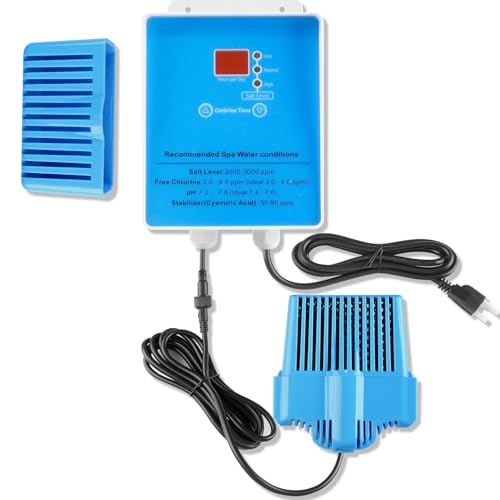
A functioning salt system relies on several specialized hardware components that work alongside the standard spa pump, filter, and heater. The most critical component is the electrolytic cell, which typically features commercial titanium electrodes coated with specialized metal oxides. Aftermarket systems, such as the Briidea salt chlorine generator, utilize submerged titanium cells capable of providing thousands of operational hours for spas and swim spas up to two thousand gallons. The cell must remain submersed in circulating water so that the generated sanitizer disperses evenly across the entire spa vessel.
Many modern hard-shell spas feature integrated modular cartridges rather than external drop-in cells. For instance, replacement units like the Virellionixis salt cartridge are engineered to snap directly into the filter standpipe of compatible Highlife or Limelight spas, delivering up to four months of automated sanitization per cartridge. In addition to the cell, the system requires an electronic controller with LED indicators that monitor water conductivity and track electrical current draw. These controls notify the user if the salt concentration drifts outside the ideal range or if scale buildup is hindering chlorine output.
Choosing the Correct Salt for Spa Systems
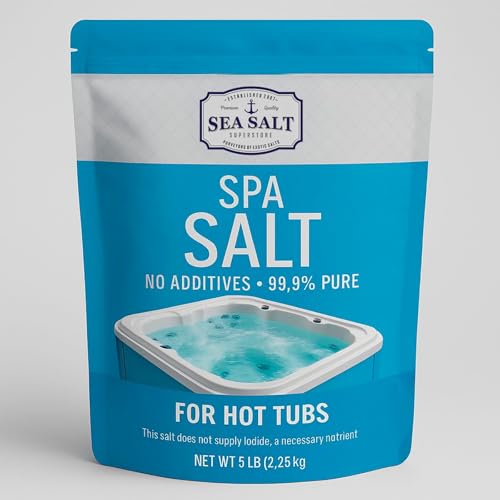
Using the proper grade of salt is vital because standard culinary table salt or generic driveway de-icing crystals can ruin hot tub equipment. Food-grade table salt frequently contains anti-caking additives, such as sodium ferrocyanide or yellow prussiate of soda, which leave oily scum rings around the acrylic waterline and cause unsightly foaming. In contrast, specialized spa salts from brands like RecoverCold, Sea Salt Superstore, and Aromasong provide 99.9% pure sodium chloride sourced from natural marine or Dead Sea deposits. These pure formulations contain zero additives, ensuring that heating elements and jet seals remain free of unnecessary chemical residues.
Grain size also plays a major role in how easily salt incorporates into the spa water during initial startup. Ultra-fine evaporated grains dissolve within minutes as they circulate through the jet nozzles, eliminating gritty deposits on the footwell floor that could scratch acrylic surfaces. Coarser salts can settle beneath seats or inside drain suctions, causing localized salinity spikes that trigger false error readings on topside control panels. Investing in high-purity, fast-dissolving spa salt ensures consistent chlorine generation without creating cloudy water or leaving mineral residues behind.
Water Balancing Parameters and Testing Protocols
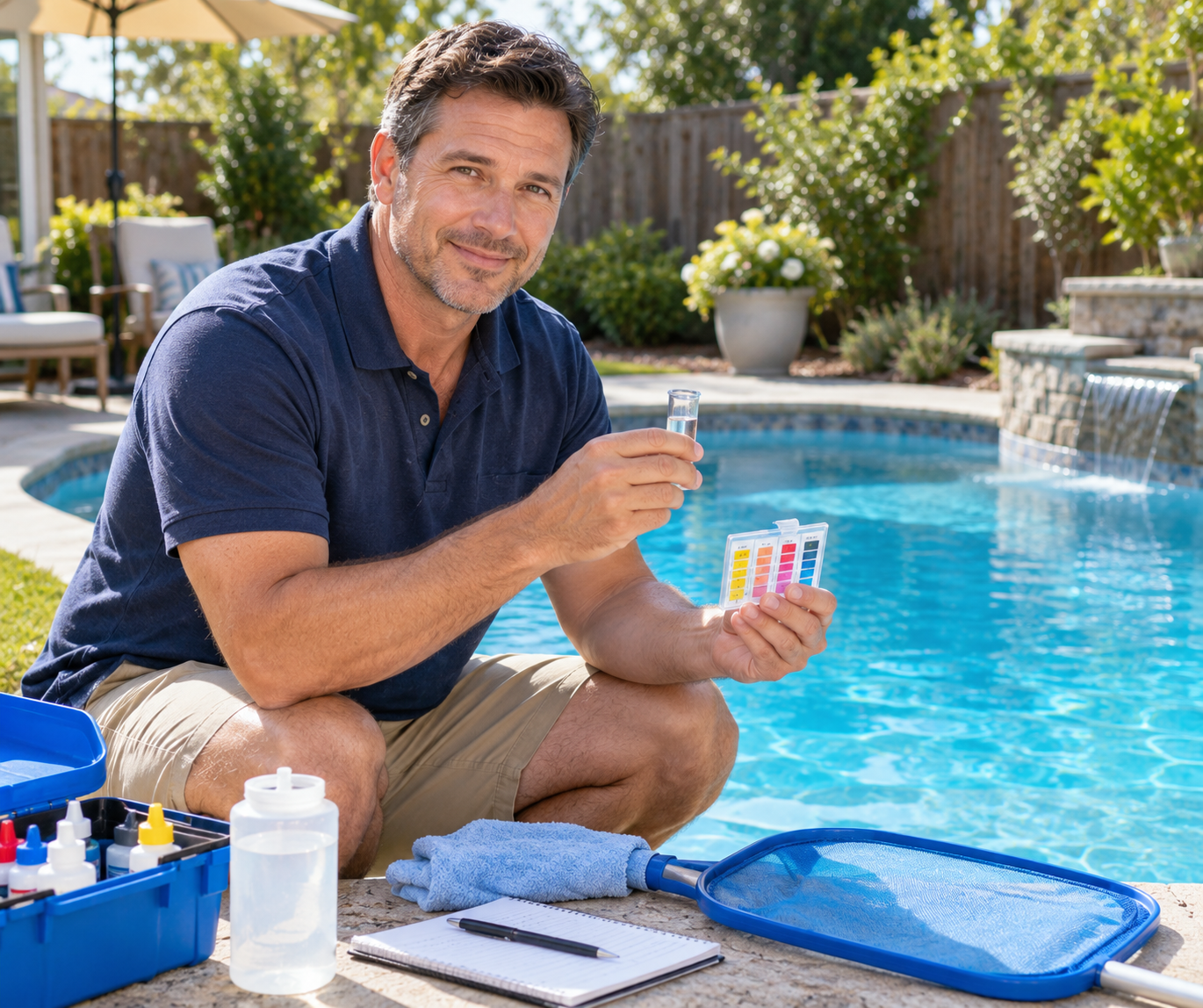
Maintaining balanced water chemistry is just as important in a saltwater spa as it is in any traditional hot tub setup. Before activating an electrolytic cell, owners must verify that total alkalinity sits comfortably between 80 and 120 parts per million (ppm). Total alkalinity acts as a buffer that prevents wild fluctuations in pH, which should always be kept within the optimal window of 7.2 to 7.8. If the pH drifts above 7.8, the effectiveness of the generated hypochlorous acid drops sharply, leaving the hot tub vulnerable to bacterial contamination and cloudy water.
Monitoring the actual salt level requires reliable testing tools designed specifically for sodium chloride detection. Products like EASYTEST saltwater test strips allow owners to read salinity concentrations from zero up to eight thousand ppm in just five seconds. Most spa chlorine generators require a target salinity level between 1,500 and 3,500 ppm, which is roughly one-tenth the salinity of seawater and completely invisible to human eyes. Maintaining proper calcium hardness between 50 and 150 ppm is also essential, as excessively hard fill water will rapidly deposit calcium crust over the titanium cell plates.
Managing Mineral Scaling and Cell Lifespan
Electrolysis naturally generates a tiny amount of heat and creates a localized micro-environment of elevated pH right along the surface of the titanium electrode plates. This chemical condition causes naturally occurring calcium and magnesium minerals to precipitate out of the water and cling to the metal mesh. Over time, white mineral scaling can block water flow through the cell and insulate the electrodes, severely reducing chlorine generation and triggering system flow warnings. To prevent this, owners should inspect the cell every thirty to sixty days to check for stubborn chalky deposits.
Many modern digital controllers feature automatic self-cleaning programs that reverse electrical polarity every few hours to dislodge light mineral accumulation. When heavy scaling occurs, soaking the cell assembly in a diluted mild acidic solution or manufacturer-approved cell cleaning bath will dissolve the hardened calcium without damaging the precious metal coating. Using a protective hot tub cover with warranty further safeguards the entire system by shielding the water from organic debris and intense sunlight that would otherwise increase sanitizer demand and wear out the cell prematurely. When a cartridge reaches the end of its useful lifespan, prompt replacement ensures that water sanitization never lapses.
Evaluating Retrofit Options and Factory Built-In Spas
Homeowners who already own a standard acrylic or plug-and-play hot tub often wonder if they can transition their current tub to saltwater. Factory-built saltwater spas feature integrated plumbing manifolds, titanium-sheathed heating elements, and topside software that communicates directly with the chlorinator cartridge. However, portable aftermarket units make it entirely feasible to convert almost any existing hot tub without cutting into plumbing lines. Submersible retrofit generators plug into standard electrical receptacles while the tethered electrode cell dangles directly inside the filter well or main footwell.
Before adding salt to an existing conventional spa, verifying equipment compatibility is an important preliminary step. Standard stainless steel heater elements or exposed metal hardware can suffer accelerated corrosion if the water chemistry remains out of balance in a saline environment. Titanium heating elements provide superior protection against salt exposure, making them the preferred choice for retrofits. In addition, existing plumbing lines should always receive a thorough enzymatic purge prior to the switch, ensuring that hidden biofilms and accumulated pipe grime do not overwhelm the newly installed salt generator.
Avoiding Common Saltwater Maintenance Pitfalls
A widespread mistake among new saltwater spa owners is assuming that the system never requires supplementary oxidizers. While a titanium cell maintains a reliable baseline of free chlorine, heavy bather loads from weekend parties or family gatherings can introduce substantial amounts of sweat, lotions, and organic waste. When this occurs, the automated generator may struggle to catch up, leading to cloudy water or dull clarity. Applying a non-chlorine shock oxidizer like potassium monopersulfate once a week breaks down non-living contaminants without spiking chlorine residuals or interfering with the salt cell.
Another frequent pitfall is neglecting water evaporation and splash-out replenishment. When hot tub water evaporates into the air during cold winter soaks, only pure water vapor escapes, leaving the dissolved salt behind in a higher concentration. Conversely, frequent bather splash-out removes both water and salt simultaneously. Testing the salinity every few weeks with dedicated test strips guarantees that the salt concentration remains safely inside the manufacturer operating zone, preventing low-salt error shutoffs and protecting internal components from premature wear.
Long-Term Ownership Considerations and Value
Evaluating a salt water hot tub requires looking beyond the initial equipment setup to consider long-term operating convenience and overall water quality. While high-purity spa salts and replacement titanium cells involve an upfront hardware investment, they dramatically reduce the recurring need for specialized bottled chemicals, clarifying agents, and antifoam solutions. Because the water remains soft and balanced for up to a year, owners save considerable time and utility costs associated with heating fresh refills from freezing tap temperatures every few months.
The greatest return on investment comes from the superior comfort experienced during daily hydrotherapy sessions. Swimmers and bathers with sensitive skin, respiratory sensitivities, or allergies to strong chemical odors find that saltwater spas offer an inviting, restorative soak without post-spa itching or persistent chlorine perfume. By following standard water balancing practices, selecting pure additive-free salts, and maintaining clean cell electrodes, you can maintain pristine, crystal-clear spa water that delivers reliable relaxation throughout every season of the year.




Write Your Review
No reviews yet. Be the first to share your experience!