

Soaking in a hot tub offers remarkable relaxation, but maintaining clear, sanitized water without harsh chemical odors or eye irritation can be a regular challenge. Many spa owners question whether standard water treatment can be replaced with a gentler alternative, asking can i use salt in my hot tub to create a softer, more comfortable soaking environment. Transitioning to a saltwater approach requires understanding how dissolved minerals interact with internal heating elements, circulation pumps, and filtration plumbing. Proper thermal containment using a quiet insulated hot tub cover also helps protect balanced water chemistry by reducing evaporation and preventing airborne debris from destabilizing the sanitizer residual.
The short answer is that salt can be used in a portable spa, but only under specific mechanical conditions and with the correct type of salt product. You cannot simply pour ordinary table salt or unapproved rock salt into an acrylic shell and expect the water to sanitize itself automatically. Salt systems rely on dedicated electrolytic hardware to convert sodium chloride into active sanitizer, while specialized mineral crystals provide aromatherapy without producing chlorine. Exploring equipment compatibility, proper salinity concentrations, and chemical balancing parameters ensures your backyard spa stays pristine while protecting internal mechanical components from premature corrosion.


Everything You Need to Know About Using Salt in a Hot Tub
Adding salt to a hot tub is entirely possible, but your success depends on whether your spa possesses the hardware required to process it. Adding salt without a dedicated generator does not sanitize the water, and adding the wrong grade of salt can cause severe mechanical damage. Understanding the distinction between sanitizing salt systems and therapeutic bath additives is the first critical step for every spa owner.
The Direct Answer: When and How Salt Can Be Used
You can safely add salt to your hot tub if the spa features an integrated salt chlorine generator, an aftermarket drop-in chlorinator, or if you are using specialized spa-safe aromatherapy crystals. Dedicated systems require pure sodium chloride to produce active sanitizer on demand. Without an electrolytic cell, dissolved salt simply sits in the water as an inert mineral compound. It will make the water feel slightly softer on your skin, but it provides zero protection against bacteria, algae, or organic bather contaminants.
Adding salt to a traditional spa that lacks an electrolytic generator creates unnecessary mechanical risks without any sanitizing benefit. The elevated mineral concentration raises the total dissolved solids of the water, which can accelerate galvanic corrosion on standard stainless steel heating elements. It can also cause premature wear on standard mechanical pump shaft seals. Before adding any sodium chloride product, you must verify that your hot tub either came factory-equipped for salt water or has been retrofitted with compatible hardware.
Therapeutic soaking crystals represent a completely separate category that can be used in virtually any portable spa. Formulations like InSPAration 7494 HTX Rebuild Therapies Crystals dissolve completely without leaving oily residues or clogging pleated filter cartridges. These products are formulated with vitamins, minerals, and natural extracts designed to soothe muscles without altering your primary biocide chemistry. They do not generate sanitizer, but they allow owners of standard hot tubs to enjoy enhanced hydrotherapy sensations safely.
How Salt Chlorine Generators Actually Sanitize Spa Water
A common misconception among new spa owners is that a saltwater hot tub is completely chemical-free. A saltwater hot tub is actually an automated chlorine generation system that manufactures its own sanitizer on site. The core component of this setup is an electrolytic cell, which contains titanium plates coated with specialized precious metals like ruthenium or iridium. As the circulation pump pushes water across these energized plates, a low-voltage direct current passes through the dissolved sodium chloride solution.
This electrolytic process splits the sodium chloride and water molecules apart through an electrochemical reaction, producing hypochlorous acid and sodium hydroxide. Hypochlorous acid is the exact same active sanitizing agent created when you manually add traditional dichlor granules or chlorine tablets to your spa. It actively oxidizes bather waste, destroys organic matter, and neutralizes harmful bacteria suspended in the water column. The primary advantage is that the generator introduces this sanitizer at a continuous, controlled rate rather than through manual chemical spikes.
Once the hypochlorous acid completes its sanitizing task, it breaks down and recombines with sodium ions to revert back into dissolved sodium chloride salt. This closed-loop chemical cycle repeats continuously as long as the circulation pump runs and the electrolytic cell receives power. Because the sanitizer residual remains steady, water treated with a generator experiences fewer chloramine buildups, which are the chemical compounds responsible for strong chlorine odors and burning eyes.
Saltwater Chlorination vs. Aromatherapy Epsom and Mineral Crystals
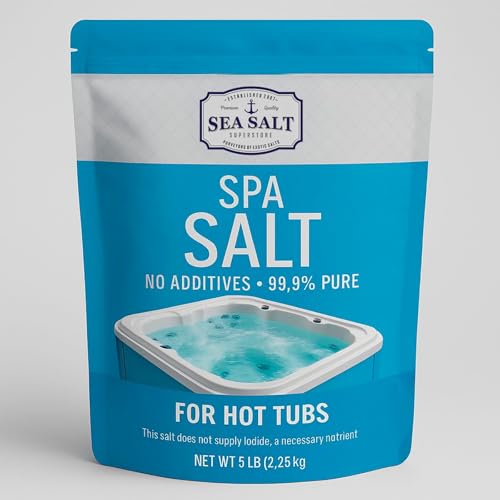
Spa owners must maintain a clear distinction between sodium chloride used for sanitization and non-chlorinating bath salts or crystal additives. Products such as Hot Tub Salt and Spa Salt 8 Lb Bag contain 99.9% pure sodium chloride engineered strictly for electrolytic chlorine generators. These products dissolve quickly and cleanly to establish the specific salinity concentration required by the generator to operate properly. They do not contain added scents, oils, binders, or mineral compounds that could interfere with electrode sensors.
Conversely, grocery store Epsom salts must never be added in large quantities to a portable hot tub. Epsom salt is chemically classified as magnesium sulfate rather than sodium chloride, and it cannot be converted into sanitizer by an electrolytic cell. Adding pounds of magnesium sulfate dramatically elevates the total hardness of the water, quickly exceeding recommended saturation parameters. This mineral spike can cause severe scale precipitation across internal heater manifolds, cloud the water, and cause permanent damage to high-speed jet internal bearings.
Spa-specific aromatherapy crystals provide a safe compromise for those seeking hydrotherapy enhancement without disrupting water chemistry. Specialized crystals are engineered to be fully water-soluble and compatible with standard chlorine, bromine, or ozone setups. They do not alter total alkalinity or destabilize your sanitizing baseline when dosed according to manufacturer directions. If your goal is muscular relaxation and pleasant scents rather than automated sanitization, proprietary spa crystals are the only safe additive to choose.
Salt Purity Standards: Why Additives Cause Major Equipment Problems
Purity is the single most important factor when selecting salt for a hot tub chlorine generator. High-grade products like Sea Salt Superstore Hot Tub Spa Salt for Water provide 99.9% pure sodium chloride naturally harvested from pristine marine or evaporated sources. These refined formulas contain zero anti-caking agents, iodine, or heavy mineral contaminants. Pure sodium chloride dissolves evenly into the water, ensuring steady conductivity readings across digital spa sensors without leaving unevaporated residue on the acrylic shell.
Never use culinary table salt, kosher cooking salt, or common rock salt in your hot tub. Table salts frequently contain sodium ferrocyanide, calcium silicate, or magnesium carbonate to prevent clumping during storage. When introduced into a heated spa environment, these anti-caking additives do not dissolve cleanly and can leave a gummy scum line around the water perimeter. Furthermore, trace impurities like iron or copper present in unrefined rock salt can cause shell staining and permanently foul delicate electrolytic plates.
Pool-grade salt can sometimes be used if it is certified 99.9% pure sodium chloride, but hot-tub-specific salts offer a finer grain profile. Formulations such as Aromasong Dead Sea Pool & Hot Tub Salt dissolve almost immediately in warm water, which prevents concentrated salt piles from resting on the tub floor. Concentrated granules left sitting on the acrylic floor can cause localized surface discoloration. Choosing fine-grain, ultra-pure sodium chloride ensures rapid dissolution and protects your hot tub components from mechanical wear.
Target Salinity Levels and Baseline Water Chemistry Parameters
Maintaining a saltwater hot tub requires close adherence to specific salinity targets and baseline water balance parameters. Most modern residential spa salt systems operate at a salinity range between 1,500 and 2,500 parts per million (ppm). Some hybrid systems and commercial swim spas can operate between 2,500 and 3,500 ppm, but spa owners should always verify manufacturer recommendations. For context, ocean water averages roughly 35,000 ppm, meaning your hot tub water contains only a fraction of sea salinity and will not taste intensely salty.
Before adding any salt to a freshly filled spa, you must balance the foundational water chemistry parameters. Total alkalinity should be adjusted first to sit steadily between 80 and 120 ppm, which acts as a buffer against rapid pH fluctuations. Once alkalinity is stabilized, adjust the pH to remain within the ideal comfort window of 7.2 to 7.8. Calcium hardness should also be tested and maintained between 150 and 250 ppm to prevent both corrosive water conditions and mineral scaling on internal plumbing walls.
Protecting your water investment also involves preserving thermal stability with a reliable protective oversized hot tub cover, which prevents heat loss and stops rainwater from diluting carefully calibrated salinity levels. If rainwater enters an uncovered spa, it lowers the salt concentration and forces the generator to work harder to maintain sanitizer levels. Consistent testing with calibrated salinity test strips or a digital conductivity meter ensures your salinity remains within the operating window required for the cell to function efficiently.
Corrosion Risks and Equipment Engineering Considerations
Salt increases the electrical conductivity of water, which inherently accelerates the rate of galvanic corrosion on metallic components. In a traditional hot tub, the electric heater element is often constructed from standard 304 or 316 stainless steel or generic incoloy alloys. When exposed to elevated salinity levels, especially if the pH drops below 7.2, these standard metals can pit, corrode, and suffer premature element failure. Pump impellers, metallic light housings, and internal jet trim rings can also show signs of accelerated oxidation over time.
Factory-built saltwater hot tubs overcome these corrosion challenges through upgraded engineering materials. Manufacturers utilize high-grade titanium heating elements, corrosion-resistant heater housings, and heavy-duty ceramic or silicon carbide pump seals designed specifically to withstand saline environments. If you are retrofitting an older hot tub with an aftermarket drop-in salt generator, you must monitor your water chemistry meticulously. Keeping the pH strictly between 7.4 and 7.6 significantly minimizes the aggressive corrosive potential of dissolved salt on standard components.
Another area vulnerable to salt damage is the surrounding deck and patio infrastructure. Splashing saltwater onto unsealed stone, unpainted wood framing, or porous concrete can cause salt crystallizing damage and surface spalling as the moisture evaporates. Periodically rinsing the exterior cabinet, patio surface, and cover skirt with fresh tap water removes accumulated salt residues. Proper site maintenance ensures that your hydrotherapy installation remains structurally sound and aesthetically pleasing throughout its operating lifespan.
Step-by-Step Salt Dosing and Startup Procedure
Starting up a saltwater hot tub requires a methodical approach to prevent equipment damage and ensure complete dissolution. Always begin by filling the spa through the filter compartment using a hose fitted with a pre-filter to remove heavy metals and sediment. Filling through the filter housing forces water directly into the internal plumbing manifolds, purging trapped air pockets and preventing frustrating pump air locks. Once the spa reaches its operating fill line, turn on the main power disconnect switch and verify that the circulation pump is running smoothly.
Next, test and balance total alkalinity, pH, and calcium hardness before adding any salt. Calculate the exact volume of your spa in gallons to determine how much pure sodium chloride is required. For example, a concentrated 8 lb or 10 lb bag of high-purity spa salt, such as the 5 lb or 10 lb offerings from Sea Salt Superstore, typically treats between 400 and 600 gallons to establish a target baseline of roughly 1,750 to 2,200 ppm. Broadcast the granular salt evenly across the surface of the water with the high-speed jet pumps activated and the air control valves turned off.
Allow the water to circulate thoroughly for at least 4 to 6 hours before activating the salt chlorine generator cell. Running the pumps allows every granule of salt to dissolve completely into the water column. Never turn on the electrolytic cell while solid salt granules remain visible on the acrylic floor, as undissolved salt can cause inaccurate conductivity sensor readings and trigger low-flow error codes. Once the salt has fully dissolved and test strips confirm the target salinity level, activate your generator according to manufacturer settings.
Managing Total Dissolved Solids and Routine Maintenance
Managing water balance in a saltwater spa differs slightly from traditional chlorine care because your baseline total dissolved solids (TDS) level starts significantly higher. When you add salt, the TDS reading immediately jumps by the exact concentration of salt introduced, often starting around 2,000 to 2,500 ppm. Because salt does not evaporate with water, topping off your hot tub only replaces lost moisture, leaving the dissolved minerals behind. Over months of use, bather waste, dead skin cells, and cosmetic residues will cause TDS to climb steadily.
Electrolytic cells also require routine inspection and periodic cleaning to maintain optimal sanitizing efficiency. As water passes across the titanium plates, the chemical reaction naturally attracts dissolved calcium, forming a hard mineral crust on the cathode surfaces. Inspect the cell cartridge every 30 to 60 days for white scale accumulation. If scaling is present, soaking the cell in a mild acidic cleaning solution formulated for spa cells dissolves the mineral buildup and restores proper conductivity without scratching the delicate plate coatings.
Routine filtration maintenance remains equally vital for saltwater hot tubs. Rinse your pleated cartridge filters with clean water every two weeks to remove trapped debris that could otherwise restrict water flow through the generator housing. Protecting the entire top perimeter with a weatherproof spa cover with warranty prevents external leaves, dirt, and airborne contaminants from adding an unnecessary filtration burden. Clean filters ensure steady flow rates, preventing flow-switch error codes on digital topside controls.
Practical Verification and Final Water Care Takeaways
Verifying your sanitizer residual on a weekly basis guarantees that your salt chlorine generator is operating at the correct output level. Even with an automated system, the target free available chlorine residual must remain between 1.0 and 3.0 ppm. If heavy bather loads deplete the sanitizer faster than the cell can produce it, you should supplement the water with a non-chlorine oxidizer shock. Oxidizing the water clears organic waste and regenerates active sanitizing capacity without elevating your salinity levels.
Never rely solely on digital topside notifications to confirm that your salt levels and sanitizer concentrations are balanced. Topside sensors can become coated with oils or calcium scale, resulting in false readings that could lead to accidental overdosing. Using calibrated salt test strips or an independent digital salinity pen provides an accurate baseline measurement. If salinity creeps above 3,000 ppm due to repeated chemical additions, partially draining several inches of water and refilling with fresh tap water restores the proper mineral ratio.
Using salt in your hot tub offers a luxurious, skin-friendly soaking experience when implemented with the correct equipment and high-purity sodium chloride. By distinguishing between automated chlorination systems and therapeutic aromatherapy crystals, you can tailor your water care routine to match your spa hardware. Adhering to strict purity standards, balancing baseline chemistry, and inspecting your cell cartridge regularly ensures your hot tub delivers reliable hydrotherapy relaxation throughout the year.





Write Your Review
No reviews yet. Be the first to share your experience!