
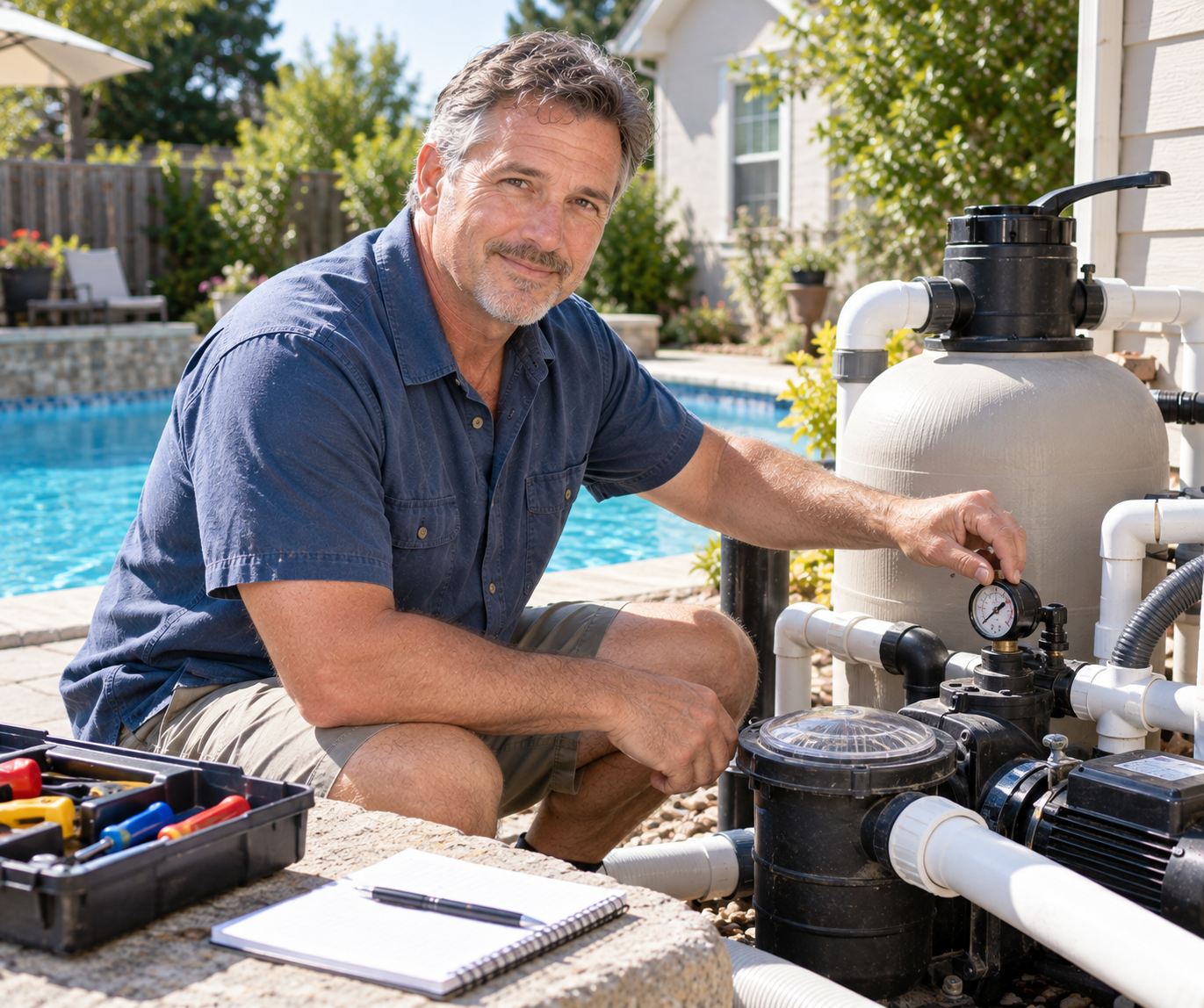

Stepping into a warm spa only to discover lukewarm water often traces back to an accidental button sequence on the topside control panel. Understanding how to change hot tub mode allows spa owners to take full command of heating schedules, circulation pump cycles, and standby power draw. Most modern control systems alternate between active heating routines and energy-saving setbacks that limit heater activation to pre-set filtration windows. Pairing proper control pack settings with dense insulated spa covers prevents unnecessary heat loss while keeping water ready for immediate hydrotherapy.
Whether you are managing a 220V hardwired installation or experimenting with portable hydrotherapy equipment, mastering operational modes protects internal plumbing and keeps electrical bills predictable. Switching between standard heating, economy setbacks, and seasonal sleep modes requires entering specific keypad combinations that vary by control pack brand. Misinterpreting cryptic display codes can lead to unexpected cold soaks or continuous pump cycling that wears down mechanical seals prematurely. Taking control of these digital profiles ensures consistent water temperature and protects essential components throughout freezing winter months.

Pros
- Absorbs floating lotions and oils to minimize sticky waterline scum lines
- Includes two mesh wash cloths that make rinsing and squeezing out residue simple
- Soft exterior material will not mar or scratch delicate acrylic or vinyl spa walls
- Compact 3.3-inch dimensions remain unobtrusive in the tub during daily soaking
Cons
- Requires regular manual rinsing to prevent sponge saturation and maintain absorption
- Does not eliminate the need for primary sanitizers, shock oxidizers, or filter cleanings
- Small 3.3-inch sponge capacity can fill rapidly in heavily used spas
The Tropicaler 2-Pack Turtle Hot Tub Scum Absorber is a floating, oil-absorbing sponge set designed for spa owners who want to reduce waterline grime and surface residue without harsh chemicals. Sized at 3.3 by 3.3 by 1.4 inches, these turtle-shaped absorbers capture common water contaminants such as skin lotions, body oils, and cosmetic film that naturally collect on the surface. They suit hot tub owners, vacation rental operators, and families seeking an easy, low-maintenance accessory to help maintain clear water between standard sanitizer routines.
Surface scum and floating oils are primary contributors to cloudy water and stubborn bathtub rings along hot tub acrylic. When left floating, these residues coat the shell perimeter and accelerate the clogging of cartridge filter pleats. By drifting freely on the surface during low-speed filtration cycles, each sponge draws in oily impurities before they settle against spa components. This passive collection lightens the organic load on your spa filters and helps reduce the time spent scrubbing waterline scum.
Each blue turtle sponge features a soft, porous texture designed to hold trapped oils while remaining gentle against interior tub finishes. The package includes two matching mesh cleaning cloths tailored to protect the sponge structure during hand washing and wringing. With a total package weight under one pound, the sponges remain light enough to maintain proper buoyancy on the water line while capturing floating debris.
Using these scum sponges requires no tools, brackets, or complicated setup. You simply place a turtle sponge directly onto the water surface and allow normal water movement to circulate contaminants toward it. When the sponge shows discoloration or feels saturated with oils, you place it inside an included mesh cloth, rinse it thoroughly under warm tap water, squeeze out the collected oils, and allow it to dry. Rotating between the two included turtles ensures continuous protection without leaving your spa unmonitored.
While passive scum absorbers collect floating oils effectively, they do not replace standard spa sanitizers, water testing, or routine cartridge cleanings. In tubs with heavy bather traffic or substantial cosmetic runoff, the compact 3.3-inch sponges can reach capacity quickly, demanding frequent manual rinsing. Furthermore, turbulent high-speed jets can occasionally pull floating sponges into filter weir gates or skimmer wells, meaning some users may prefer setting them aside while soaking.
The Tropicaler 2-Pack Turtle Scum Absorber is a practical, budget-friendly maintenance aid for spa owners looking to minimize waterline scrubbing and support water clarity. It works best for routine oil collection in residential tubs and swim spas when paired with regular water care. Before purchasing, confirm that a compact floating sponge matches your routine and plan on periodic manual rinsing to ensure continued absorption.
Maintaining the Tropicaler scum sponges requires regular inspection and periodic manual rinsing to prevent trapped oils from re-entering your hot tub water. When a sponge appears discolored or feels heavy, remove it from the spa and slip it inside one of the included mesh cleaning cloths. The mesh cloth encases the sponge to provide structural support while you squeeze and rinse away accumulated lotions and oils.
Rinse the sponge thoroughly under warm running tap water while gently compressing it to release trapped residue. Avoid twisting or wringing the sponge aggressively, as this can degrade the porous foam over time. Once rinsed, allow the sponge to air dry completely before returning it to the spa, or alternate with the second turtle in the pack to maintain continuous oil collection.


Understanding Hot Tub Modes and Keypad Programming
Changing the operational mode on a hot tub directly dictates when and how the electric heater and circulation pump engage. On most digital topside panels, you change the mode by pressing the Temperature button followed immediately by the Light or Jets button, or by navigating through a dedicated Mode menu. Understanding these settings ensures your spa maintains an inviting temperature without consuming excessive electrical power during idle periods. Correctly configuring your control pack eliminates the frustration of unexpected cold water and prevents unnecessary wear on mechanical pump seals.
The Core Spa Operating Modes Explained
Modern spa packs generally categorize heating profiles into three primary options: Standard, Economy, and Sleep. In Standard mode, often labeled as Ready mode on newer digital displays, the control system continuously monitors water temperature and fires the heating element whenever the water drops more than one or two degrees below the setpoint. This mode guarantees that the spa is always hot and waiting for bathers, regardless of the time of day. However, it also means the pump and heater cycle periodically around the clock, even when nobody is using the tub.
Economy mode, frequently displayed as Rest mode on modern systems, changes heater operation by locking heating cycles exclusively to scheduled filtration periods. When the spa is set to Economy or Rest, the heater will not activate between filtration cycles even if the water temperature drops below your target. Instead, the heater only powers on when the circulation pump runs its programmed daily filter routine, heating the water as much as possible before the cycle concludes. Sleep mode takes energy conservation further by dropping the target temperature by twenty degrees during those same filter cycles.
Keypad Programming Sequences for Major Control Packs
Executing a mode change on a Balboa control pack requires a precise sequence of button presses within a short timeframe. On classic Balboa systems equipped with four or six buttons, you initiate the mode toggle by pressing the Warm or Cool button followed immediately by the Mode button. If your panel lacks an independent Mode key, pressing Temp and then quickly pressing Light alternates between Standard (indicated by “ST”), Economy (“EC”), and Sleep (“SL”). Completing this sequence prompts the screen to flash the active profile, after which leaving the panel untouched for several seconds locks in your selection.
Newer Balboa BP series and TP series topside controllers replace abbreviated two-letter codes with full-text graphical menus or dedicated indicators like “READY” and “REST”. To switch between Ready and Rest profiles on these systems, press the Warm button to enter the programming state, then tap the Light key repeatedly until the display shows the Mode menu option. Pressing the Warm button while hovering over this menu alternates between Ready and Rest. Once your desired setting appears, pressing the Light button or waiting ten seconds stores the configuration in the system memory.
Gecko and Aeware control platforms use a slightly different programming interface centered on a dedicated Program or Filter key. On these panels, pressing and holding the Program button for several seconds accesses the internal configuration menu, often marked with flashing icons or water care presets. Users cycle through operational modes by tapping the Up or Down arrows until the screen displays preset modes such as Standard, Away, Energy Saving, or Super Energy. Pressing the Program key one final time confirms the mode and returns the digital topside display to the current water temperature readout.
Resolving Topside Panel Lockouts and Button Errors
Inability to toggle modes often stems from an active keypad lock rather than a mechanical failure inside the circuit board. Manufacturers incorporate panel locks to prevent accidental button presses by children, vacation rental guests, or heavy bather movement. Two distinct lock tiers exist across most spa systems: a full panel lock and a partial temperature lock. A temperature lock prevents adjustments to the heat setpoint while still allowing jet pump operation, whereas a full panel lock freezes every button on the topside display, preventing any mode changes.
Unlocking a topside controller requires inputting the manufacturer safety sequence. On Balboa systems, unlocking the entire panel typically requires pressing Warm, followed by Blower or Jets 1, and then Light within three seconds. If your controller utilizes a single temperature button, pressing Temp, Light, and then Temp again often releases the lock. When the control panel remains entirely unresponsive to button sequences, cutting power at the external GFCI breaker for sixty seconds resets internal microprocessors and clears minor logic glitches.
Programming Daily Filtration Cycles and Water Care Schedules
Filtration cycle programming directly impacts how effective your chosen operating mode will be, especially when using Economy or Rest modes. Because the heating element in Economy mode only powers up during active filter times, setting adequate filtration duration is vital for maintaining usable water temperatures. Most controllers allow users to configure filter cycle frequency, typically offering twice-daily runs spaced twelve hours apart, alongside duration options ranging from two to twelve continuous hours per cycle. Setting your spa to run two four-hour cycles provides eight hours of daily filtration and heating window.
To program filter cycles on standard digital keypads, press Temp followed by Jets 1 or navigate to the “FLTR” menu using the Light button. The display will show the current cycle duration code, such as “F2” for two hours or “F4” for four hours per session. Tapping the Temp button advances the number of hours, while pressing Jets or allowing the unit to idle stores the preference. Running adequate filtration also distributes sanitizing chemicals evenly throughout internal plumbing lines, preventing stagnant pockets where bacteria can flourish.
Managing Winter Freeze Protection and Cold-Climate Heating
Operating a hot tub during freezing winter weather requires careful attention to your chosen operating mode to prevent catastrophic plumbing damage. In freezing climates, placing a hot tub in Sleep mode or an excessively restricted Economy mode can allow internal manifold pipes to freeze during sudden power drops or extended cold snaps. While spa packs feature automated freeze protection logic that kicks on pumps when sensors detect water temperatures dropping below forty degrees Fahrenheit, heater elements may struggle to recover if the tub starts from a severely depressed baseline. Keeping the tub in Standard or Ready mode throughout sub-zero winter spells guarantees consistent heat retention.
High-quality thermal accessories work hand-in-hand with topside heating modes to minimize electrical utility spikes during harsh weather. Installing heavy-duty fitted outdoor spa covers with high-density tapered foam and full-length continuous hinge seals traps thermal energy inside the vessel. Without a tight vapor barrier, standby heat rapidly escapes from the water surface, causing the heater to run continuously regardless of whether the system is set to Ready or Rest. Investing in reliable thermal barriers preserves the heat generated during filtration cycles and protects plumbing manifolds from chilling drafts.
For large installations with deep water volumes, pairing appropriate heating modes with foldable thermal spa covers ensures simple handling when checking topside displays during snowstorms. Heavy, waterlogged covers create friction that discourages owners from checking temperature readouts and verifying that the spa has not slipped into an unintended Economy mode. A clean, properly fitted cover allows fast visual inspection of topside status codes so you can verify that the heater is firing as expected. Maintaining the physical cover barrier is just as critical as selecting the correct software configuration on your control panel.
Electrical Service Considerations: 110V Versus 230V Modes
The electrical voltage supplying your spa substantially dictates how your heating modes perform in real-world conditions. On standard 110V plug-and-play hot tubs operating on a dedicated 15-amp or 20-amp circuit, the controller cannot energize the electric heating element and the high-speed jet pump simultaneously. When you activate high-speed jets on a 110V system, the internal circuit board temporarily locks out the heater to prevent tripping the household breaker. Consequently, running high-speed hydrotherapy in freezing weather causes the water temperature to drop steadily, even if the unit is programmed in Standard mode.
Hardwired 230V systems equipped with a dedicated 50-amp or 60-amp GFCI disconnect switch provide full simultaneous heating and hydrotherapy operation. These robust electrical configurations allow a four-kilowatt or five-kilowatt heating element to run concurrently alongside dual high-speed jet pumps without nuisance breaker trips. In Standard or Ready mode, a 230V spa rapidly replenishes heat lost to cold air and maintains a steady 104 degrees Fahrenheit soaking environment indefinitely. Consulting the internal wiring diagram ensures any dip switch settings correctly match your electrical service per National Electrical Code Article 680 standards.
Mode Adjustments on Portable Bathtub and Hydrotherapy Accessories
Beyond traditional hard-shell spa control packs, portable hydrotherapy accessories offer their own specialized mode configurations. Compact immersion jet units designed for standard bathtubs feature multi-mode settings that toggle between focused high-pressure streams and gentle bubbling massage. Changing modes on these portable bath jets typically involves pressing a sealed tactile power button on the main housing or adjusting an external nozzle collar. Understanding how these compact pumps cycle through speed levels and aeration settings allows users to tailor muscle recovery without requiring full-scale plumbing modifications.
Maintaining clear, debris-free water is just as important when utilizing portable jet systems as it is in full-sized acrylic hot tubs. Portable impellers can ingest floating body oils, cosmetic residues, and loose hairs, which restricts hydrotherapy output and strains small electric motors. Utilizing floating oil-absorbing sponges helps capture surface scum before it enters intake screens or coats internal water lines. Keeping the water clean protects sensitive motor seals and ensures consistent flow across all adjustable stream and bubble modes.
Verifying Topside Status and Protecting System Components
After executing a mode change, taking a few moments to verify the display readout confirms that your new operational profile has registered properly. Observe the screen through a complete heating call to ensure the heater indicator icon illuminates and turns off in accordance with your chosen mode logic. If you switched from Economy to Standard, listening for the low-speed circulation pump to engage and verifying that the heat light activates confirms the spa is actively maintaining temperature. Documenting your preferred programming sequence inside your spa maintenance log prevents future confusion when seasonal adjustments are required.
Mastering control panel profiles transforms your spa ownership experience from a source of high utility bills into a seamless, energy-efficient backyard retreat. Whether you are switching into Economy mode for an upcoming vacation or keeping your spa locked in Ready mode for daily winter hydrotherapy, deliberate mode selection keeps heating predictable. Regularly inspecting keypad overlays, maintaining thermal cover seals, and setting appropriate filter cycles protects internal pumps and heaters for years of reliable operation. Taking the time to understand your control pack ensures your spa is always ready for a soothing soak whenever you need it.


Write Your Review
No reviews yet. Be the first to share your experience!