
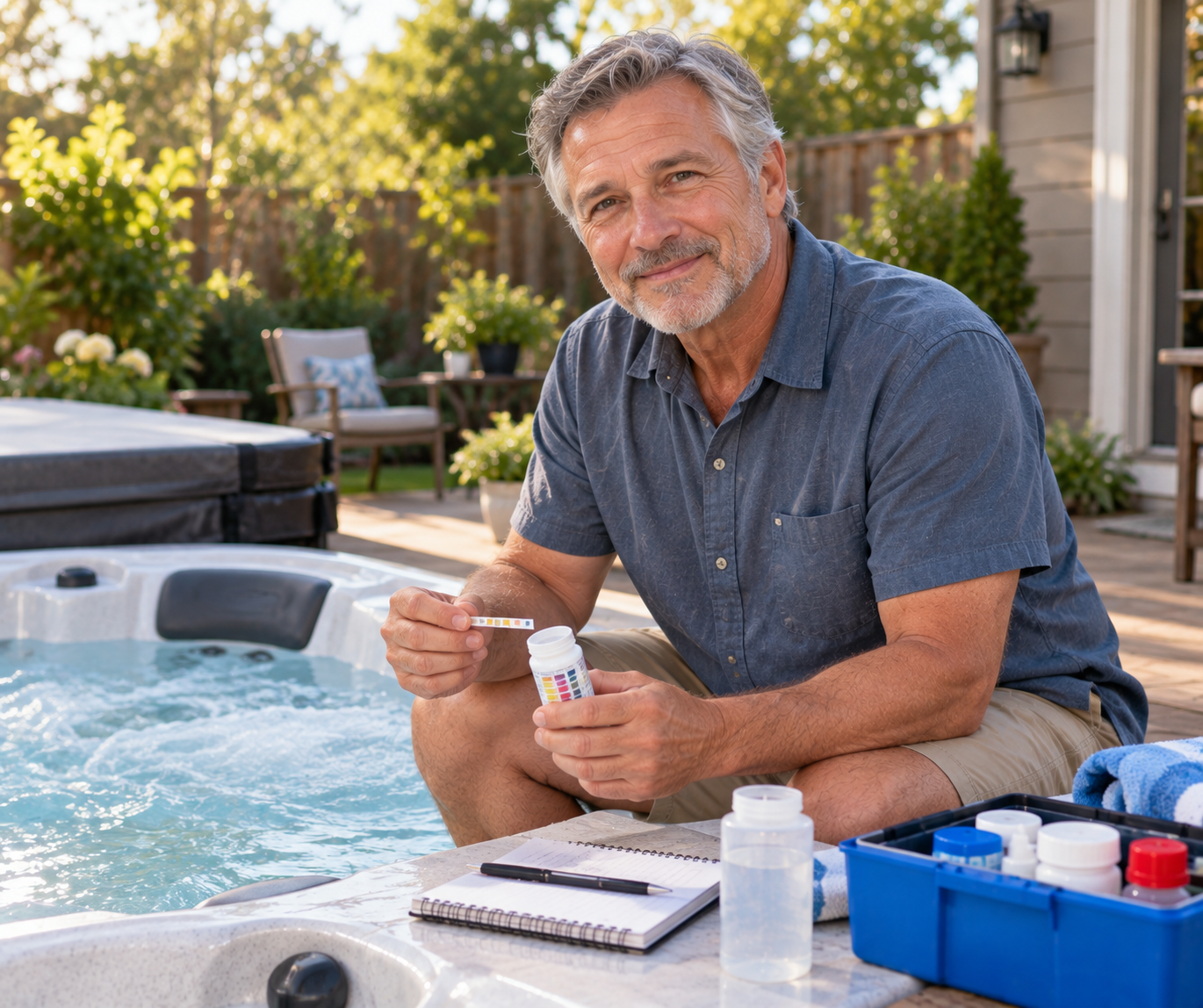

Adding a chemical treatment to your spa is an essential part of keeping water sparkling and sanitary. Figuring out how long to use hot tub after shock prevents skin irritation and ensures your sanitizers have enough time to eliminate organic contaminants. Skipping the necessary waiting window exposes bathers to harsh chemical spikes that cause eye burning and respiratory discomfort. Understanding the distinct properties of your chosen oxidizer allows you to schedule your soaking sessions safely and predictably.
Different formulations dictate how quickly you can step back into the water. Non-chlorine oxidizers typically clear much faster than heavy chlorinated shocks that spike halogen levels. While the chemicals circulate and off-gas, placing an insulated yard patio hot tub cover loosely nearby rather than strapping it down tight protects the vinyl from volatile vapors. Testing your water before soaking ensures the chemical levels remain within comfortable, balanced thresholds.






Safe Waiting Periods and Water Care After Shocking Your Spa
The required waiting period after adding a shock treatment depends directly on whether you apply a chlorine-based compound or an oxygen-based non-chlorine oxidizer. For chlorine shock treatments, spa owners generally need to wait between twelve and twenty-four hours until free chlorine drops back down to safe levels between three and five parts per million. Non-chlorine oxidizing treatments work through active oxygen rather than sanitizing halogens, usually allowing bathers to soak safely after just fifteen to thirty minutes. You should never rely solely on a timer because testing your water with a reliable test strip or liquid kit provides the only definitive proof that your spa is safe for soaking.
Distinguishing Between Chlorinated Shock and Non-Chlorine Oxidizers
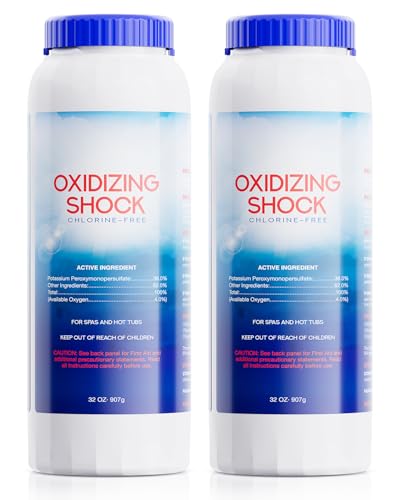
Chlorinated shocks and non-chlorine oxidizers serve distinct chemical functions in hot tub maintenance. Chlorinated products, such as SpaGuard Enhanced Shock, utilize chlorine to superchlorinate the water, destroy living microorganisms, and burn off stubborn chloramines. This intense dose pushes sanitizer levels well above standard bathing parameters, requiring significant time for the active chemicals to break down and dissipate. In contrast, non-chlorine shock oxidizers rely on potassium monopersulfate to oxidize body oils, cosmetics, and non-living waste without boosting your baseline sanitizer levels.
Selecting the right treatment depends on whether your spa water needs sanitization or simple clarification. If your hot tub is battling algae or cloudy water caused by biological growth, a chlorinated shock provides the necessary biocide punch to reset the ecosystem. When your water already has adequate sanitizer but suffers from dullness or foul odors, an oxygen-based product like AquaDoc Non Chlorine Hot Tub Shock oxidizes organic debris effectively. Because non-chlorine products do not raise halogen concentrations, they offer an ideal solution for spa owners who want minimal downtime before their next soak.
Chlorine Shock Timelines and Free Sanitizer Drop Rates
A full chlorine shock intentionally elevates free chlorine concentrations upwards of ten parts per million or higher. Water with this level of active chlorine can cause severe skin irritation, strip bathing suit fabrics, and release noxious fumes that burn the throat. Dissipation occurs as the chlorine molecules react with organic matter and break down under circulation, heat, and air contact. Most spas require at least twelve to twenty-four hours of steady filtration before the free chlorine drops into the safe soaking zone of one to five parts per million.
Several environmental variables influence how quickly free chlorine levels diminish. Spas with heavier bather loads and accumulated organic material consume chlorine rapidly because the sanitizer expends itself neutralizing contaminants. Conversely, clean water with minimal organic burden retains elevated chlorine levels for much longer, extending your required waiting window. Running your circulation pumps on low or high speeds helps aerate the water and accelerates the natural degradation of excess sanitizer.
You must avoid entering the spa while chlorine readings remain elevated above safe operational thresholds. Soaking in superchlorinated water risks chemical dermatitis, which presents as red, itchy bumps often mistaken for microbial rashes. Eye irritation and exacerbated respiratory conditions like asthma can also result from breathing in concentrated chloramine vapors trapped near the water line. Checking the water with chemical test strips ensures your free chlorine reading has receded to a safe level before anyone steps inside.
Non-Chlorine Shock Timelines and Oxygen Dissipation
Oxygen-based oxidizing products offer the distinct advantage of rapid turnaround times. Formulations like POOLHOUR 32 Oz Chlorine-Free Hot Tub Shock and Kriooxluue 2LB Chlorine-Free Hot Tub Shock Oxidizer dissolve quickly into circulating water to target non-living impurities immediately. Most manufacturers indicate that users can safely re-enter the hot tub after approximately fifteen to thirty minutes. This brief delay ensures the granules dissolve completely and distribute evenly throughout the plumbing lines.
The primary purpose of a non-chlorine shock is to free up existing sanitizers by eliminating organic contaminants that bind to them. Because potassium monopersulfate does not introduce chlorine or bromine into the water, it does not spike sanitizer concentrations to dangerous levels. It also helps break down combined chloramines, significantly reducing the pungent chemical smell that often lingers in heavily used spas. Once the oxidizer completes its initial circulation cycle, the water feels refreshed, softer, and cleaner for bathers.
Even when using fast-acting oxidizers like AquaJoyer Non-Chlorine Spa Shock for Hot Tub, basic water balance must be maintained. A non-chlorine oxidizer will not kill active bacteria or algae on its own, so your baseline free chlorine or bromine levels must remain within standard ranges. Entering the water after fifteen minutes is only safe if your sanitizers and pH were already balanced prior to treatment. If your sanitizer is depleted, soaking immediately after an oxidizer shock still leaves you unprotected against bacterial exposure.
Why Chemical Off-Gassing Demands an Open Hot Tub Cover
One common mistake among spa owners is securing the hot tub cover tightly immediately after adding chemical shock. When shock oxidizes waste, it releases volatile chloramines, bromamines, and acidic gases into the space above the water line. Trapping these corrosive vapors beneath a closed cover causes the vinyl backing to degrade, weakens stitching, and accelerates moisture absorption into the foam core. To prevent unnecessary damage, leave the cover completely open or removed for at least twenty to thirty minutes following chemical addition.
Allowing the hot tub to vent properly protects your spa equipment and pillows while also speeding up the chemical dissipation process. Volatile oxidation byproducts easily escape into the ambient air when the water surface remains exposed to fresh air currents. Operating your massage jets or air blowers during this venting phase promotes gas transfer and ensures thorough mixing of the shock granules. Once the initial off-gassing period concludes, securing a durable hot tub cover with warranty safeguards water heat and prevents outdoor debris from falling into the clean spa.
Maintaining cover integrity is essential for preserving energy efficiency and protecting your investment over years of use. Hot tub covers that absorb corrosive off-gassing vapors quickly become waterlogged, heavy, and structurally compromised. Using a quality thermal barrier or a lightweight foldable hot tub cover ensures that heat retention remains high without trapping chemical vapors during initial dosing. Giving your spa adequate breathing room after shocking directly extends the working life of both the cover and your headrests.
Water Testing Protocols and Safe Entry Parameters
Relying exclusively on elapsed time can lead to false confidence when determining hot tub safety. Chemical reactions proceed at different rates depending on water temperature, mineral content, and total organic burden. High-quality test strips or a liquid photometer provide accurate readings for free chlorine, total chlorine, pH, and total alkalinity. Always test the water before stepping in, verifying that free chlorine registers between three and five parts per million and bromine sits between three and six parts per million.
Checking your pH and total alkalinity alongside sanitizer levels is equally important following a shock treatment. Shock compounds can alter the delicate pH buffer of the water, occasionally causing acidic or alkaline swings. Ideal pH ranges between 7.2 and 7.8, while total alkalinity should remain buffered between 80 and 120 parts per million. Imbalanced pH can amplify skin sensitivity and diminish the effectiveness of your primary sanitizers even if the free halogen count looks acceptable.
When using non-chlorine oxidizers, keep in mind that potassium monopersulfate can temporarily interfere with total chlorine readings on certain test strips. The oxidizer may register as combined chlorine or elevate the apparent total chlorine level on basic orthotolidine tests. Dedicated test strips designed to compensate for monopersulfate provide the most reliable readings following an oxygen-based shock. If the strip indicates proper free sanitizer and balanced pH after twenty minutes, your spa is ready for bathers.
Environmental and Operational Factors That Impact Dissipation
Ambient sunlight plays a significant role in breaking down chlorine molecules in outdoor hot tubs. Ultraviolet radiation degrades unstabilized chlorine rapidly, causing free halogen readings to drop faster during sunny daylight hours. Indoor spas and shaded installations lack natural UV exposure, which prolongs the time required for superchlorinated water to return to baseline levels. If your hot tub is installed inside a screened patio or gazebo, expect longer wait times after applying chlorinated shock.
Water temperature and filtration cycle settings also modify chemical dissipation rates. Warmer water speeds up chemical kinetic reactions, meaning shock treatments oxidize organic materials and dissipate somewhat faster at 102 degrees Fahrenheit than in lukewarm water. Running the primary jet pumps circulates the entire water volume through the cartridge filters multiple times, ensuring even distribution and maximum air contact. Spas left in low-circulation rest modes will take considerably longer to disperse concentrated chemical pockets.
The volume of organic matter present in the tub dictates how much chemical energy is consumed during the initial oxidation phase. Heavily loaded water full of lotions, sweat, and environmental dust consumes active oxidizers in a matter of hours. Clean water with low bather contamination leaves excess unreacted oxidizer floating free in the system for an extended duration. Adjusting your dosing based on actual water clarity and anticipated usage helps prevent over-saturation and unnecessary downtime.
Health Complications Associated With Soaking Too Soon
Stepping into a hot tub with dangerously high sanitizer levels creates immediate health hazards for bathers. The high concentration of active oxidizers strips natural protective oils from the skin, leading to intense itching, redness, and peeling. Individuals with sensitive skin, eczema, or psoriasis often experience acute flare-ups when exposed to superchlorinated water. In severe cases, high concentrations of chemical biocides can trigger chemical burns across sensitive areas of the body.
Respiratory irritation represents another major threat when hot tubs are used before chemicals fully off-gas and settle. The combination of churning hot water, bubbling air jets, and heavy chemical off-gassing vaporizes volatile compounds into the immediate breathing zone. Inhaling these concentrated vapors can provoke coughing fits, throat soreness, and respiratory distress, particularly for children and asthmatics. Waiting until chemical levels normalize ensures that the air directly above the water surface remains clean and breathable.
Beyond direct physiological harm, elevated chemical concentrations degrade swimwear and spa components over time. High chlorine bleaches fabric dyes, rots elastic bands, and causes swimming attire to become brittle after a single soak. Inside the plumbing, excessively acidic or corrosive water accelerates deterioration of silicone seals, jet gaskets, and heating element sheaths. Allowing the water to balance protects both the physical well-being of your guests and the mechanical integrity of your spa.
Safe Dosing and Application Best Practices
Proper measurement represents the easiest way to prevent extended waiting periods and chemical imbalances. Always calculate the exact volume of your hot tub in gallons before measuring out granular shock treatments. Adding more chemical than recommended does not produce cleaner water; it simply forces you to wait longer while stressing your plumbing equipment. Utilizing measured containers and following the dosage instructions on products like SpaGuard Enhanced Spa Shock 6lbs prevents accidental overdosing.
When applying shock granules, broadcast them evenly across the water surface with the circulation pumps operating. Never dump granules in a single concentrated pile directly in front of a suction fitting or in the footwell. Granules that settle at the bottom of the tub without dissolving can bleach the acrylic surface or rot rotomolded thermoplastic shells. Keeping all massage jets running on low or medium speeds ensures rapid dissolution and uniform distribution throughout the water column.
Establishing a predictable weekly maintenance routine prevents the need for emergency superchlorination sessions right before you plan to soak. Adding an oxygen-based shock like AquaDoc Non Chlorine Hot Tub Shock after heavy bather sessions keeps organic waste from accumulating. Scheduling heavy chlorinated shock treatments for late evening allows the water to normalize overnight while you sleep. By morning, the free chlorine will typically settle into the safe soaking range, leaving the hot tub ready for your next session.
Final Verification Checklist Before Entering the Water
Before you step into the hot tub, run through a quick verification checklist to ensure complete safety and comfort. First, verify that the required time window has elapsed, whether that means twenty minutes for non-chlorine oxidizer or twenty-four hours for chlorine shock. Next, inspect the water visually to confirm that all granules have fully dissolved and the water appears clear. Dip a fresh test strip into the spa, holding it at elbow depth, and confirm that your sanitizer and pH read within balanced parameters.
Take a brief whiff of the air near the water surface to verify that harsh chemical odors have completely dissipated. If the water smells strongly of chlorine or irritates your nasal passages, let the pumps circulate with the cover open for an additional fifteen minutes. Confirming balanced water chemistry gives you peace of mind and protects everyone enjoying the hydrotherapy jets. Following these practical steps turns routine spa care into a reliable, stress-free habit for years of enjoyable soaking.


Write Your Review
No reviews yet. Be the first to share your experience!